
Sauces & Condiments
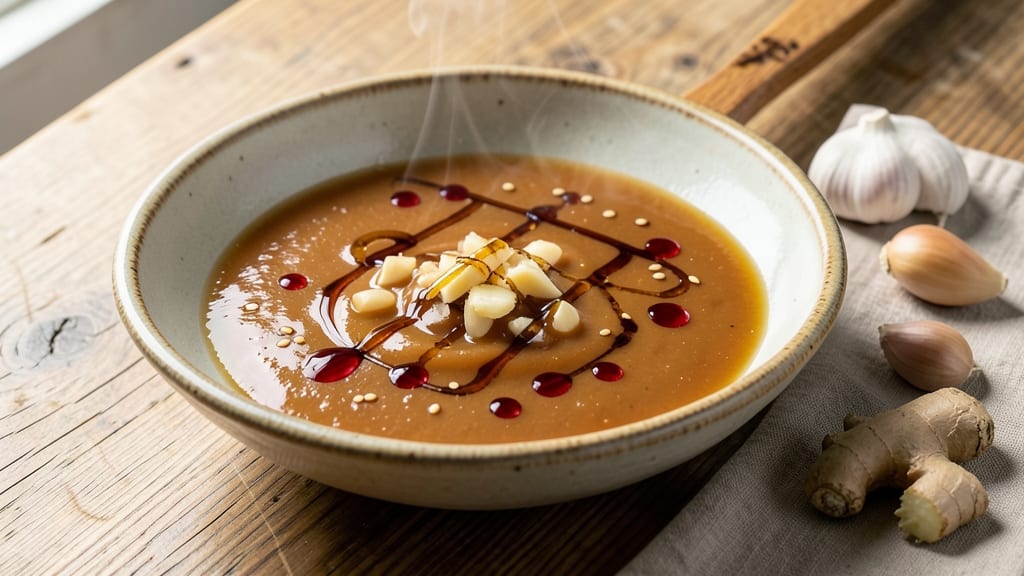
This Asian honey sauce recipe transforms ordinary stir-fries into flavor-packed masterpieces with just five simple ingredients. The balance of honey's sweetness, garlic's punch, and ginger's warmth creates a versatile glaze that elevates everything from grilled meats to crispy vegetables.
I developed this recipe after years of experimenting with restaurant-quality sauces at home—no shortcuts, just pure umami depth.
The secret lies in the cooking technique: simmering the sauce until it thickens slightly creates that signature sticky-sweet consistency without overpowering the dish. What makes this sauce special is its adaptability—use it as a marinade for chicken, a dipping sauce for spring rolls, or a finishing glaze for seared pork.
The acidity from rice vinegar cuts through the sweetness, while soy sauce adds that essential umami backbone.
What you'll end up with is a vibrant, aromatic sauce that's ready in just 15 minutes and keeps well in the fridge for up to two weeks. The perfect harmony of flavors makes it ideal for weeknight dinners or special occasions.
Whether you're cooking for two or feeding a crowd, this sauce delivers restaurant-quality results with minimal effort.
Pair it with your favorite stir-fry, drizzle over grilled shrimp, or use as a glaze for roasted vegetables. The possibilities are endless, and the taste is guaranteed to impress. Let's get started on this flavor-packed creation that will become your new kitchen staple.
Ingredients for asian honey sauce
Five simple ingredients transform into restaurant-quality Asian honey sauce magic.
| Ingredient | Amount | Notes |
|---|---|---|
| Raw Honey 🍯 | ½ cup | High-quality, preferably clover honey |
| Rice Vinegar 🍶 | ¼ cup | White or seasoned variety |
| Soy Sauce 🍶 | ¼ cup | Light or dark, to taste |
| Garlic Cloves 🧄 | 4 cloves | Fresh, minced for aromatic punch |
| Fresh Ginger Root 🌿 | 2 tbsp | Finely grated, peeled |
| Sesame Oil 🫒 | 1 tbsp | Toasted for nutty aroma |
| Red Chili Flakes 🌶️ | 1 tsp | Adjust for heat preference |
| Salt 🧂 | ½ tsp | Diamond Crystal kosher preferred |
The honey is the star here—look for local, raw honey from farmers markets for the deepest flavor. Trader Joe's carries excellent options if you're shopping there. Fresh garlic and ginger need to be vibrant: no soft spots or sprouts. For the ginger, peel off the skin with a spoon—no need to waste time with a vegetable peeler. Sesame oil is non-negotiable for that authentic aroma; avoid the cheap, odorless versions that ruin the sauce's character. I always buy mine in small bottles from Asian markets where it's kept properly sealed.
No honey? Maple syrup works in a pinch, though it'll taste slightly different. Running out of rice vinegar? Apple cider vinegar is a decent swap, but reduce by half since it's more acidic. The soy sauce can be tamari for gluten-free, just keep the same amount. For extra depth, add a splash of fish sauce (if not vegetarian)—about 1 teaspoon—but omit if you prefer plant-based. Chili flakes can be swapped for fresh red chili, finely chopped, but toast them first to concentrate the flavor. The sauce thickens as it cools, so if it seems too thin while hot, simmer uncovered for another minute or two.
This sauce keeps beautifully—up to 2 weeks in the fridge when stored in a sealed jar. For longer storage, freeze in ice cube trays—perfect for single-use portions. The flavor actually improves after the first day as the ingredients meld. I like to make a double batch and keep it on hand for quick stir-fries. If it crystallizes slightly in the fridge, just give it a quick stir with a splash of warm water to restore the silky texture. The sesame oil will separate—this is normal, just shake before using.
Why You'll Love This Recipe
- Here’s what sold me: the honey doesn’t just cloy—it glows against the umami soy and bright vinegar, while the ginger and garlic add layers that make you go back for more. It’s the kind of flavor that lingers just enough to feel satisfying, not overpowering.
- Five-Ingredient Magic: I keep this bottle in my fridge because it’s the kind of sauce that turns anything—grilled chicken, stir-fried veggies, even a sad sandwich—into something special. No fancy techniques, just honey’s natural sweetness cutting through the sharp kick of ginger and garlic, balanced by that tangy vinegar punch.
- Sweet-Savory Balance: Here’s what sold me: the honey doesn’t just cloy—it glows against the umami soy and bright vinegar, while the ginger and garlic add layers that make you go back for more. It’s the kind of flavor that lingers just enough to feel satisfying, not overpowering.
- Pantry Staple Power: Between us, this sauce is my meal-prep secret weapon. A quick simmer means I can toss it with roasted veggies on Mondays or drizzle it over takeout noodles when I’m too tired to cook. And because it uses things I already have, it’s never a waste.
Step-by-step instructions for sweet-spicy Asian honey sauce
This sauce comes together in minutes but delivers restaurant-quality depth every time.
Prepare the Aromatics
In a small saucepan, combine the 4 cloves Garlic Cloves and 2 tbsp Fresh Ginger Root over medium-low heat. Let them sizzle gently for 1-2 minutes until fragrant—you should smell that bright, zesty aroma. Be careful not to let them brown, as that can make the sauce bitter. I like to keep a lid nearby to quickly cover the pan if things get too intense.
Once the aromatics are fragrant, immediately remove the pan from heat and set aside. This quick cooking prevents them from burning while still releasing their full flavor. The residual heat will continue cooking them slightly as you add the remaining ingredients, creating a perfectly balanced foundation for your sauce.
Combine Wet Ingredients
Return the saucepan to medium heat and add the 0.5 cup Raw Honey, 0.25 cup Rice Vinegar, 0.25 cup Soy Sauce, and 0.5 tsp Salt. Stir gently to combine, scraping up any browned bits from the bottom of the pan—these contain concentrated flavor that will make your sauce sing.
Let the mixture simmer for 3-4 minutes until it begins to thicken slightly. You'll see the sauce transform from a loose liquid into a glossy, syrupy consistency. This is where the magic happens—the honey and vinegar marry with the soy sauce to create that perfect balance of sweet, tangy, and umami. Don't walk away; you want to watch it closely so it doesn't burn.
Finish with Heat and Oil
Reduce the heat to low and stir in the 1 tsp Red Chili Flakes and 1 tbsp Sesame Oil. Let the sauce simmer for another 1-2 minutes, just until it reaches your desired consistency. The chili flakes will infuse the sauce with gentle heat, while the sesame oil adds a nutty depth that elevates everything.
Taste and adjust the seasoning if needed. You might want to add a touch more soy sauce for saltiness, a splash of rice vinegar for acidity, or a drizzle of honey for sweetness. The sauce should coat the back of a spoon with a velvety texture. If it's too thick, thin it with 1 teaspoon of hot water at a time until it reaches that perfect glaze-like consistency.
Cool and Store
Remove the sauce from heat and let it cool to room temperature. The flavors will continue to meld as it sits, deepening the complexity. For the best results, transfer it to an airtight container and refrigerate for at least 1 hour before using. This resting period allows the sauce to fully develop its flavor profile.
When ready to use, give the sauce a quick stir and warm it gently in a small saucepan over low heat for 1-2 minutes. This reheating step ensures it's perfectly fluid and ready to drizzle over your favorite stir-fry, grilled meats, or fresh spring rolls. The sauce will keep in the refrigerator for up to 2 weeks, making it a versatile pantry staple.
Pro Tips For Making Asian Honey Sauce
- Simmer Slowly: After burning my first batch of sauce, I learned to keep the heat low once everything’s combined—medium-high gets you a bitter, overcooked mess. Let it bubble gently for 8-10 minutes instead of rushing it; the flavors meld better when they’re not fighting for attention.
- Peel Ginger First: I used to waste time peeling ginger after grating it, which left stubborn bits clinging to my hands and the grater. Do it first—use a spoon to scrape off the skin in one motion—and then slice or grate. Less mess, more efficiency.
- Balance the Vinegar: Rice vinegar can dominate if you’re not careful. Taste as you go, and if it’s too sharp, add a splash of water (1-2 teaspoons) to dilute it slightly. The sauce should brighten, not overpower—the honey and soy need room to shine.
- Toast Garlic Separately: Skip the raw garlic in the sauce—it turns bitter and muddies the flavor. Instead, mince it before adding to the pan, then cook it in a dry skillet for 30 seconds until fragrant. Toss it into the sauce at the very end; this adds depth without overpowering.
Creative variations of this recipe
Sweet-Spicy Glazes
Double the recipe and use it as a sticky glaze for grilled chicken or pork. Brush on 2 tablespoons per pound of meat during the last 5-7 minutes of grilling over medium-high heat.
The honey caramelizes beautifully, creating a glossy finish. For extra drama, sprinkle toasted sesame seeds on top right before serving. 🔥
Dipping Sauce Upgrade
Thin the sauce with 1 tablespoon warm water per ½ cup sauce for a perfect spring roll dipping sauce. Add 1 teaspoon of lime juice to brighten the flavors and serve chilled in small bowls with crispy spring rolls or dumplings. Garnish with thinly sliced scallions for freshness.
Marinade Magic
Use half the sauce as a marinade for 1-2 hours before cooking shrimp or tofu. The acidity tenderizes while the honey adds caramelized flavor. I like to add 1 teaspoon of cornstarch to thicken it further for a better coating. Reserve the other half for finishing after cooking.
Vegetable Elevation
Toss roasted or steamed vegetables with 1 tablespoon sauce per pound of veggies. Works perfectly with broccoli, carrots, or Brussels sprouts. Roast at 400°F for 20-25 minutes until tender, then drizzle with extra sauce. The sweet-spicy combo makes even simple veggies taste gourmet. ✨
Breakfast Twist
Drizzle over scrambled eggs or pancakes for a sweet-savory breakfast. Add ½ teaspoon of cinnamon to the sauce for a Middle Eastern-inspired variation. Top with crispy bacon or fried shallots for a restaurant-worthy brunch dish. Trust me, your morning routine will never be the same.
Fusion Fusion
Mix 2 tablespoons of this sauce with 1 tablespoon of peanut butter and 1 teaspoon of sriracha for a Thai-inspired peanut sauce. Perfect for drizzling over grilled chicken satay or noodle bowls. The peanut butter balances the sauce's acidity while adding richness. 🌶️
Nutrition facts
Frequently asked questions
Can I make this sauce without honey? Yes! For a similar texture, substitute honey with ½ cup maple syrup or ⅓ cup agave nectar. The flavor will be slightly less floral, but still delicious. If you're avoiding all sweeteners, try ½ cup coconut sugar dissolved in 2 tablespoons warm water first.
Why does my sauce separate when refrigerated?
This is completely normal—the sesame oil naturally rises to the top. Simply stir it back in before using. For a smoother texture, give the jar a gentle shake. If the sauce thickens too much, thin it with 1 teaspoon warm water at a time. The separation doesn't affect flavor or safety.
How spicy should this sauce be?
The 1 teaspoon red chili flakes provides a mild heat that's perfect for most dishes. For extra kick, add ½ teaspoon more chili flakes or swap them for 1 teaspoon fresh chili paste. If you prefer no heat, simply omit the chili entirely—the sauce will still taste amazing. Adjust to match your spice tolerance!
Can I use this sauce as a marinade?
Use half the sauce as a marinade for 1-2 hours before cooking proteins like chicken or shrimp. The acidity from vinegar helps tenderize, while the honey adds caramelized flavor. For extra thickness, mix 1 teaspoon cornstarch with 1 tablespoon water and stir into the reserved sauce for finishing.
What's the best way to reheat this sauce?
Gently warm the sauce in a small saucepan over low heat for 1-2 minutes, stirring constantly. Avoid high heat to prevent burning. For microwave reheating, use 15-second intervals on low power, stirring between each. The sauce should reach body temperature but not boil. This preserves its glossy texture and prevents separation.