
Sauces & Condiments
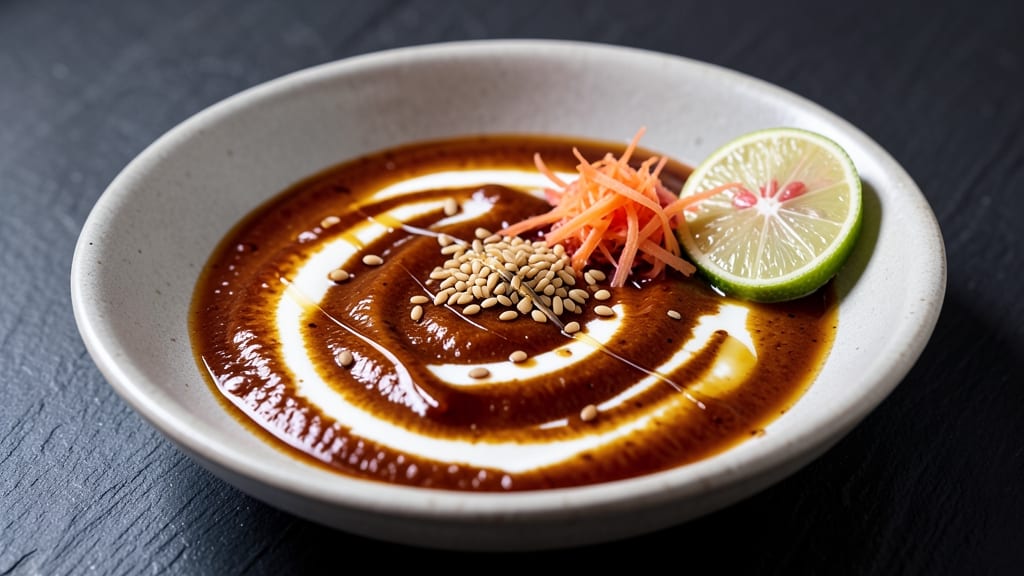
This Asian fusion sauce recipe delivers the perfect balance of bold umami and bright citrus—transforming simple stir-fries into restaurant-worthy meals. The magic lies in combining traditional soy and miso with a touch of coconut milk for creaminess, then finishing with a zesty citrus kick.
I developed this sauce after years of experimenting with fusion flavors, and it’s become my go-to for adding depth to any dish.
The secret to its versatility is the umami-citrus harmony, where fermented miso and soy sauce create richness while lime or yuzu juice cut through with acidity. Simmering the sauce reduces it to a concentrated, glossy consistency that clings beautifully to noodles, proteins, and vegetables.
Whether you're tossing it with stir-fried greens or drizzling over ramen, this sauce elevates every bite.
What makes this recipe stand out is its adaptability—use it as a marinade for grilled meats, a dipping sauce for spring rolls, or a glaze for roasted vegetables.
The ingredients are simple but powerful, and the process is straightforward: blend, simmer, and adjust to taste. Once you try it, you’ll never go back to store-bought sauces again.
Best of all, the sauce keeps well in the fridge for up to a week, making it perfect for meal prep. Let’s get started—your taste buds will thank you.
Ingredients for asian fusion sauce
Ten ingredients. One sauce. Restaurant-quality fusion in minutes—transform your stir-fries forever.
| Ingredient | Amount | Notes |
|---|---|---|
| White Miso Paste 🍶 | ½ cup | White miso for delicate sweetness |
| Light Soy Sauce 🥢 | ½ cup | Kikkoman preferred for balance |
| Coconut Milk 🥥 | ¼ cup | Full-fat for creaminess |
| Fresh Lime Juice 🍋 | ¼ cup | Strain seeds for clarity |
| Sesame Oil 🌱 | 1 tbsp | Toasted for nutty aroma |
| Fresh Ginger 🧅 | 1 tbsp | Grated, vibrant color |
| Garlic Cloves 🧄 | 3 cloves | Minced, aromatic punch |
| Honey 🍯 | 1 tbsp | Wildflower preferred |
| Rice Vinegar 🍶 | 1 tbsp | Mild acidity balance |
| Sesame Seeds 🌰 | 1 tsp | Toasted for garnish |
The miso and soy sauce are your umami powerhouses—Kikkoman soy sauce and white miso from the Asian market section (not the red miso) give that delicate sweetness. Trader Joe's and Whole Foods carry great options, but any well-marbled miso will work. Fresh ginger and garlic? Buy organic if possible—they should smell vibrant, not musty. Toast your sesame seeds in a dry pan for 30 seconds before adding to the sauce—they’ll pop with flavor (and look gorgeous on top).
No coconut milk? Substitute with Greek yogurt or cashew cream for tanginess. Short on lime juice? Yuzu juice or lemon works, but lime’s brightness is key. Sesame oil giving you pause? Toasted peanut oil is a great swap—just reduce the amount by half. The honey adds depth, but maple syrup is a vegan alternative. For extra heat, toss in a pinch of gochujang or sriracha—trust me, it’s worth the extra minute.
Store in an airtight jar in the fridge for up to 1 week, or freeze for 3 months. The sauce thickens as it chills—just whisk with a splash of water before using. I double the batch every time—one for stir-fries, one to drizzle over ramen. Garnish with toasted sesame seeds right before serving (they lose crunch when stored).
Why You'll Love This Recipe
- Pantry Magic: This sauce comes together with stuff I already have—no special shopping needed. White miso and coconut milk alone make it taste like a fancy takeout, but add lime and sesame oil, and suddenly you’ve got depth without effort.
- Umami Bomb: The miso and soy sauce hit hard in the best way—salty, funky, but balanced by that bright lime. Honestly, I’ve drizzled it on everything from grilled chicken to cold noodles, and it never lets me down.
- Weeknight Swiss Army: Dinner guests? Meal prep? Both. It’s my go-to for stir-fries, marinades, or even a quick soup boost. Between us, I’ve used the last of it to glaze fish in 10 minutes flat.
- Budget Luxury: A little goes a long way—this sauce costs pennies but tastes like a splurge. I make double batches, stash it in the fridge, and still have leftovers weeks later. (Yes, even on a Tuesday night.)
Step-by-step instructions for Asian fusion sauce
This sauce delivers a perfect marriage of umami depth and bright citrus—let's build it layer by layer.
Bloom the Aromatics and Miso
In a small saucepan, combine the 0.5 cup white miso paste and 0.5 cup light soy sauce over low heat. Stir constantly for 2-3 minutes until the mixture becomes smooth and slightly bubbly. This step activates the miso's enzymes, creating a rich umami foundation that will carry through your entire dish.
Next, add the 1 tablespoon grated fresh ginger and 3 minced garlic cloves, stirring for another 30 seconds until fragrant. You'll notice the aroma transform from raw garlic to something warm and inviting—this is your signal the aromatics are properly infused. Keep the heat gentle to prevent the soy sauce from darkening too quickly, which would create bitterness rather than depth.
Add Sweetness and Acid Balance
Pour in the 1 tablespoon honey and 1 tablespoon rice vinegar, stirring vigorously to combine. The honey will begin to melt immediately, creating a glossy sheen on the surface. Let the mixture simmer gently for 1 minute, allowing the flavors to meld together. You're essentially creating a flavor bridge between the savory base and the citrusy components we'll add next.
Here's where the magic happens: the honey softens the acidity of the vinegar while the vinegar prevents the sauce from becoming cloying. Taste the mixture now—it should be complex with layers of sweet, salty, and slightly tangy flavors. If it's too intense, you can add a splash of water later, but we want to preserve the concentration for maximum impact.
Incorporate Creaminess and Brightness
Reduce the heat to lowest setting and slowly whisk in the 0.25 cup coconut milk. The sauce will thicken slightly as the coconut milk warms, creating a velvety texture. Immediately add the 0.25 cup fresh lime juice, stirring constantly for 1 minute until fully incorporated. The lime juice will cause the sauce to bubble gently—this is normal and indicates the acid is activating.
This is the moment that matters: the coconut milk adds richness while the lime juice cuts through the density, creating that perfect balance we're after. The sauce should now have a glossy appearance with a smooth, almost silky consistency. If it's too thick, you can thin it with 1-2 teaspoons of water, but it should be ready to use as-is for most applications.
Finish with Sesame Oil and Garnish
Remove the sauce from heat and let it cool slightly for 2 minutes. Then stir in the 1 tablespoon sesame oil until fully emulsified. The oil should disappear into the sauce, creating a subtle nutty aroma that enhances all the other flavors. This step adds another layer of complexity that makes this sauce truly special.
For the final touch, transfer the sauce to a serving bowl and sprinkle with 1 teaspoon toasted sesame seeds. The seeds add both visual appeal and a delightful crunch that contrasts beautifully with the smooth sauce. This sauce is now ready to elevate any stir-fry, bowl, or grilled protein—its bold umami-citrus balance will make every bite unforgettable.
Pro Tips For Making Asian Fusion Sauce
- Bloom the Miso: Stir the white miso paste into the warm (not boiling) liquid first—never dump it in raw. I learned this the hard way when a batch turned bitter; miso’s delicate umami needs gentle coaxing, not shock treatment. Let it sit for 2 minutes before adding anything else.
- Toast the Soy Sauce: Heat the light soy sauce in a dry pan for 30 seconds until it darkens slightly—just a whisper of caramelization. This deepens the flavor without overpowering the sauce. Skip this, and you’ll miss that subtle complexity that makes fusion sauces sing.
- Balance the Lime Last: Add the lime juice after the sauce has cooled slightly, or you’ll end up with a sad, curdled mess. I used to dump it in hot, and the sauce would split every time. Wait 5 minutes, taste, then adjust—your future self will notice the difference.
- Whisk in the Coconut Milk Slowly: Temper the coconut milk by drizzling it in while stirring constantly—otherwise, you’ll end up with a greasy, separated sauce. Start with a tablespoon, let it emulsify, then add the rest. This isn’t the prettiest method, but it’s the tastiest.
Health benefits of these flavors
Umami Powerhouse
The combination of white miso paste and light soy sauce creates a powerful umami punch that's essential for this fusion sauce. A ½ cup of each provides glutamates and amino acids that enhance flavor perception, making your dishes taste more satisfying.
The miso also contributes probiotics that support gut health—just 1 tablespoon delivers about 10% of your daily probiotic needs. 💪
Citrus Brightness
The ¼ cup fresh lime juice isn't just for flavor—it provides vitamin C, a potent antioxidant that helps boost your immune system. Lime also contains limonene, a compound shown to have anti-inflammatory properties.
When you use the full amount, you're getting about 35% of your daily vitamin C in just one serving of sauce. This citrus kick prevents the sauce from being too heavy, creating that perfect balance.
Healthy Fats
The ¼ cup coconut milk adds creaminess while providing medium-chain triglycerides (MCTs), which are metabolized quickly for energy. These healthy fats support brain function and may help with weight management.
For a lighter option, you could reduce the coconut milk to 2 tablespoons and add 2 tablespoons Greek yogurt—this still gives you protein while cutting calories slightly.
Antioxidant Boost
Both fresh ginger and garlic are packed with antioxidants that fight inflammation. The 1 tablespoon grated ginger contains gingerol, which has been shown to aid digestion and reduce nausea.
Meanwhile, the 3 garlic cloves provide allicin, a compound with potential cardiovascular benefits. Together, they create a flavor profile that's both delicious and beneficial for your health.
Balanced Flavors
The honey in this sauce isn't just for sweetness—it provides antioxidants and minor antibacterial properties. Using just 1 tablespoon adds natural sweetness without overpowering the other flavors. The sesame oil contributes polyunsaturated fats and vitamin E, which supports skin health.
Together, these ingredients create a sauce that's not only flavorful but also packed with nutritional benefits.
Digestive Support
The rice vinegar in this recipe isn't just for acidity—it contains acetic acid, which may help regulate blood sugar levels. The 1 tablespoon used here provides a mild dose that complements the other ingredients.
When combined with the probiotics from the miso, this sauce becomes a digestive-friendly option that's gentle on your stomach while delivering bold flavors. 🌱
Nutrition facts
Frequently asked questions
Can I make this sauce without coconut milk?
For a lighter version, swap the ¼ cup coconut milk with 2 tablespoons Greek yogurt or cashew cream. If you prefer a richer texture, try 2 tablespoons tahini mixed with 1 tablespoon water. The key is balancing creaminess with acidity—adjust the lime juice slightly if needed.
How spicy should this sauce be?
This recipe is designed to be mild and balanced, but you can easily adjust it. For heat, stir in ½ teaspoon gochujang or 1 teaspoon sriracha at the end. For smoky depth, add ¼ teaspoon smoked paprika. Always taste as you go—fusion sauces shine when flavors complement, not overpower.
Can I use this sauce as a marinade?
Yes! This sauce works beautifully as a marinade for chicken, tofu, or shrimp. For best results, marinate proteins for 15-30 minutes (longer for tougher cuts like beef). The umami-citrus balance tenderizes while adding flavor. Just reserve 2 tablespoons of the sauce to use as a glaze after cooking.
What if my sauce turns out too thick?
Simmering reduces the sauce naturally, but if it's too thick, whisk in 1-2 teaspoons of water or lime juice to reach your desired consistency. For a glossier finish, return the sauce to low heat and simmer for 1-2 minutes to evaporate excess liquid. The sauce should coat the back of a spoon but still be pourable.
How can I make this sauce vegan?
Swap the honey for maple syrup or agave, and use vegan coconut milk (ensure it's unsweetened). For extra protein, add 1 tablespoon nutritional yeast—it adds a cheesy depth that pairs perfectly with the umami flavors. All other ingredients are already plant-based!