
Sauces & Condiments
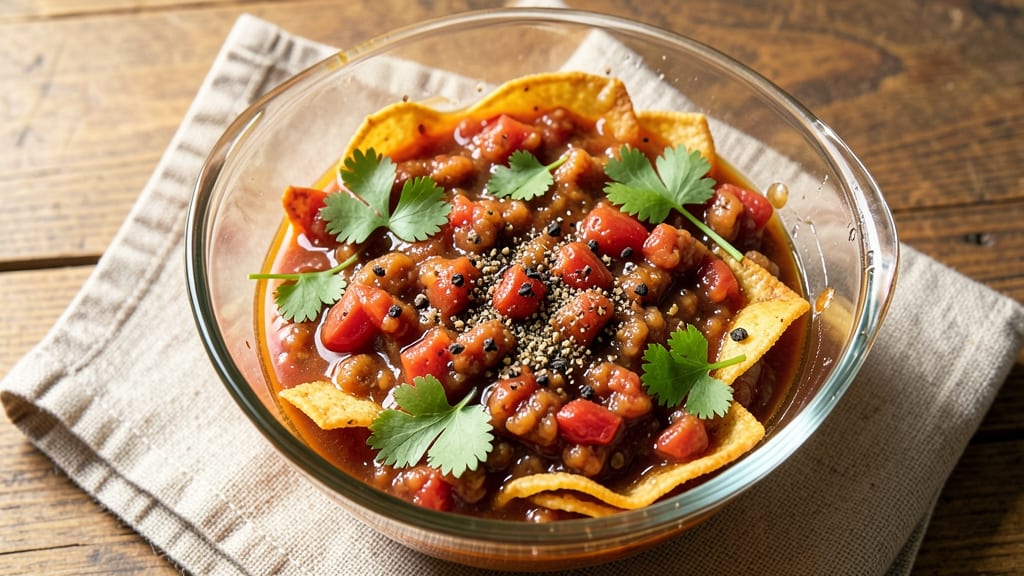
This Arizona sauce recipe delivers the perfect balance of smoky heat, tangy vinegar, and sweet tomato depth—just like your favorite bottle, but infinitely better. The secret lies in simmering tomatoes, vinegar, and spices until the flavors meld into a velvet-smooth condiment with layers of complexity.
I developed this version after years of tweaking store-bought versions, and the difference is night and day.
The foundation starts with ripe tomatoes and white vinegar, which create that signature tangy backbone. A blend of spices—cumin, garlic, and chili powder—builds the smoky, slightly sweet profile, while a touch of sugar rounds out the flavors.
The sauce thickens naturally as it simmers, resulting in a consistent texture that's perfect for dipping, drizzling, or cooking.
What you'll end up with is a homemade Arizona sauce that's brighter, fresher, and more flavorful than anything you can buy. The vinegar zing cuts through the heat, while the tomato base keeps it rich and satisfying.
It's versatile enough for tacos, grilled meats, or even as a marinade, but the real magic happens when you taste the difference.
Store it in the fridge for up to 2 weeks, or freeze for longer shelf life. For extra heat, add cayenne; for sweetness, stir in a touch of honey. This sauce is a game-changer for any dish that needs that signature Arizona kick.
Ingredients for arizona sauce
Nine simple ingredients transform into a velvety sauce with smoky depth and bright tang.
| Ingredient | Amount | Notes |
|---|---|---|
| Ripe Roma Tomatoes 🍅 | 2 lb | Crushed by hand for texture |
| White Vinegar 💧 | ½ cup | Distilled for clean tang |
| Granulated Sugar 🍯 | ¼ cup | Light brown preferred |
| Ground Cumin 🌿 | 2 tbsp | Toasted for deeper aroma |
| Chili Powder 🌶️ | 1 ½ tbsp | Medium heat preferred |
| Garlic Powder 🧄 | 1 tbsp | Freshly ground preferred |
| Onion Powder 🧅 | 1 tbsp | For subtle depth |
| Salt 🧂 | 1 ½ tsp | Diamond Crystal preferred |
| Black Pepper 🌶️ | ½ tsp | Freshly cracked |
| Cayenne Pepper 🔥 | ½ tsp | Adjust for heat preference |
The tomatoes are the heart of this sauce—Roma tomatoes have that perfect balance of sweetness and acidity. I always grab the heirloom variety at Whole Foods when they're in season, but regular Roma from the grocery store works just fine. Look for tomatoes that are firm but yield slightly to pressure—those are the sweetest. The white vinegar should be distilled, not apple cider or balsamic, to keep that clean, bright tang. If you're using canned tomatoes, San Marzano is ideal, but any good-quality crushed tomatoes will do.
No toasted cumin on hand? Regular ground cumin works, but toasting it in a dry pan for 30 seconds before adding really brings out the flavor. Swapping chili powder? Paprika plus a pinch of cayenne gets you close. The garlic and onion powders are non-negotiable for that signature depth—don't skip them. For extra sweetness, honey or maple syrup can replace the sugar, but the sugar helps balance the acidity perfectly. The cayenne is optional, but I always include it for that signature kick. If you want to make this ahead, reduce the vinegar slightly—the flavors mellow over time.
This sauce thickens as it cools, so don't be alarmed if it looks too thin right after simmering. Store it in a glass jar with a tight seal—keeps for 2 weeks in the fridge or 6 months frozen. I always make a double batch because it disappears fast. For extra heat, add more cayenne; for extra sweetness, stir in a touch of honey. The sauce gets better with time, so let it sit overnight before using if you can.
Why You'll Love This Recipe
- Pantry Staples Only: This sauce uses ingredients you already own—no specialty shopping required. I’ll be real: the cumin and chili powder combo is the real MVP here, but you’re probably staring at those spices right now.
- Sweet Heat Balance: That sugar-vinegar tang with the slow-simmered tomatoes? It’s the kind of flavor that sneaks up on you—first you’re dipping chips, then you’re eating them straight from the jar. The cumin adds warmth without overpowering, and the chili powder gives it just enough kick.
- Taco Night Every Night: Drizzle it on grilled chicken, dump it in burrito bowls, or slather it on nachos—this sauce works at 3 PM or 10 PM. Honestly, I’ve even used it as a marinade for ribs, and it’s become my go-to for anything needing a quick, bold punch.
- Makes a Month’s Worth: A big batch keeps for weeks in the fridge, and it only gets better as the flavors meld. Between us, I’ve frozen jars of this stuff for months—perfect for lazy Sundays or when I forget to meal prep. Plus, it’s dirt cheap to make.
Step-by-step instructions for Arizona sauce recipe
Here's how to craft that signature velvety heat with a perfect vinegar tang.
Crush the Ripe Roma Tomatoes
Start by crushing the 2 lb ripe Roma tomatoes by hand—this creates that signature chunky texture while releasing juices. I like to use a large mixing bowl and gently squeeze each tomato between my fingers, breaking them into rough pieces about ½-inch in size. Avoid pulverizing them completely; you want some texture to carry through the finished sauce.
Once crushed, transfer the tomatoes to a large, heavy-bottomed pot. The Roma variety is perfect here because its low water content and natural sweetness balance the vinegar and spices beautifully. If you're using vine-ripened tomatoes, even better—they'll add a subtle complexity to the flavor profile.
Combine and Simmer the Base Ingredients
Add the 0.5 cup white vinegar and 0.25 cup granulated sugar to the pot with the crushed tomatoes. Stir well to dissolve the sugar completely. Place the pot over medium-high heat and bring the mixture to a boil, stirring occasionally to prevent sticking. Once boiling, reduce the heat to medium-low and let it simmer uncovered for 15-20 minutes.
During this time, the mixture will reduce slightly and the raw tomato acidity will mellow. You'll notice the sauce darkening and developing a rich, aromatic steam. This is where the foundation of your sauce builds—don't rush this step. The vinegar will cut through the sweetness while preserving that bright, tangy quality that makes Arizona sauce so distinctive.
Build the Spice Blend
In a small bowl, whisk together the 2 tbsp ground cumin, 1.5 tbsp chili powder, 1 tbsp garlic powder, 1 tbsp onion powder, 1.5 tsp salt, 0.5 tsp black pepper, and 0.5 tsp cayenne pepper. This spice blend is the heart of your sauce—it delivers that signature warmth with layers of earthy cumin, smoky chili, and subtle garlic-onion depth.
Once the tomato mixture has simmered for 15-20 minutes, sprinkle the spice blend evenly over the sauce. Stir vigorously to ensure all the spices are fully incorporated and distributed. Let the sauce simmer for another 10-15 minutes, stirring occasionally. You'll see the spices bloom and the sauce thicken slightly as it reduces further. The aroma should be intoxicating—earthy, slightly sweet, with a hint of vinegar sharpness.
Refine and Reduce to Perfection
Taste the sauce at this stage. You're looking for a balance of sweet, tangy, and spicy flavors. If it needs more sweetness, add 1-2 teaspoons of sugar at a time, stirring well after each addition. For more heat, add a pinch of cayenne pepper. If the vinegar tang is too strong, a pinch of salt can help round it out.
Continue simmering the sauce, uncovered, for another 10-15 minutes, stirring occasionally. The goal is to reduce it until it reaches a syrupy consistency—thick enough to coat the back of a spoon but still pourable. You'll know it's ready when the sauce clings to the tomatoes and the flavors have melded into a harmonious blend. This typically takes about 35-45 minutes of total simmering time.
Cool and Store for Maximum Flavor
Remove the pot from heat and let the sauce cool to room temperature. I like to transfer it to a clean glass jar while still warm, which helps preserve its vibrant color and prevents skin formation. The sauce will continue to thicken as it cools, so don't be alarmed if it looks slightly too thin while warm.
Once cooled, refrigerate the sauce for at least 4 hours (or overnight) before using. This resting period allows the flavors to fully develop and mellow. When ready to use, give it a good stir—you'll notice how the spices have settled and the sauce has achieved that perfect velvety texture. This patient step is what transforms a good sauce into a great one.
Pro Tips For Making Arizona Sauce
- Simmer Slow and Steady: Arizona sauce isn’t a race—bring it to a gentle boil first, then drop the heat to a low simmer. I learned this the hard way after burning the cumin flavor right out of a batch. Let it bubble quietly for at least 20-25 minutes, stirring occasionally, so the tomatoes break down properly without scorching.
- Roast the Tomatoes First: Skip the raw chopping—halve the Roma tomatoes, toss them with a pinch of salt and chili powder, then roast at 400°F (200°C) for 15 minutes. The concentrated sweetness and depth of flavor are night and day compared to raw tomatoes. (Yes, even if you’re impatient like me.)
- Balance the Vinegar: Start with just 2 tablespoons of white vinegar and taste as you go. Too much will make the sauce harsh; too little leaves it flat. The sugar should mellow the acidity, but if the sauce tastes sharp, a splash of tomato paste or a pinch more sugar fixes it faster than adding more vinegar.
- Strain for Smoothness: After simmering, strain the sauce through a fine-mesh sieve to remove skins and seeds—this isn’t optional if you want that silky texture. Press the tomatoes with a spoon; the extra effort guarantees a cleaner, restaurant-quality finish. (Your future self will thank you.)
Flavor customization for this recipe
Sweet Heat Balance
Adjust the sugar-to-vinegar ratio to control sweetness. For a sweeter sauce, increase sugar to 0.35 cup while keeping vinegar at 0.5 cup. If you prefer more tang, reduce sugar to 0.2 cup and add 1 extra tablespoon of white vinegar.
I find this works best when using light brown sugar—it caramelizes slightly during simmering, adding depth. 🍯
For extra heat, add ½ tsp cayenne or swap in 1 tsp smoked paprika for a deeper smoky kick. If you love sweet-spicy combos, stir in 1 tsp honey after simmering to balance the acidity. The key is tasting as you go—adjust gradually to avoid overpowering flavors.
Smoky Depth Variations
Boost the smokiness by adding 1 tsp liquid smoke (like La Choy) during the final 5 minutes of simmering. For a BBQ-inspired twist, reduce the chili powder to 1 tbsp and add 1 tsp coffee—this deepens the earthy notes.
I’ve also experimented with ½ tsp coriander for a citrusy brightness that pairs well with grilled meats. 🌶️
For a Mexican-inspired version, replace ½ cup of tomatoes with ½ cup roasted poblano peppers (peeled and chopped). This adds a subtle charred sweetness that complements the vinegar perfectly. Toast the poblano peppers in a dry pan for 3 minutes before adding to the sauce.
Thickness Control
If your sauce is too thin after simmering, simmer uncovered for an extra 10-15 minutes to reduce further. For a thicker, spreadable consistency, mash 1-2 crushed tomatoes into the sauce with a fork—this helps bind the mixture.
I’ve also had success adding 1 tsp cornstarch mixed with 1 tbsp water at the end, stirring until thickened. 🥄
For a thinner, dipping-style sauce, reduce simmering time to 30 minutes total and avoid mashing extra tomatoes. The sauce will naturally thicken as it cools, so err on the thinner side if you prefer it pourable.
Store-bought versions often use corn syrup or pectin—this recipe avoids those additives for a cleaner taste.
Flavor Layering
Add ½ cup chicken or vegetable broth during the final 5 minutes of simmering to mellow the vinegar tang while keeping the sauce moist. This works especially well for dipping sauces or marinades.
For a creamy texture, stir in 2 tbsp sour cream or Greek yogurt after cooling—this adds richness without overpowering the spice. 🥛
Incorporate 1 minced garlic clove (fresh) or ½ tsp garlic powder for extra punch. Fresh garlic adds a sharper, more aromatic note, while garlic powder ensures consistency. If you’re using fresh, sauté it in a little oil for 30 seconds before adding to the sauce to mellow its bite.
Nutrition facts
Frequently asked questions
Why does this homemade sauce taste different from store-bought Arizona sauce?
Store-bought versions often use preservatives, corn syrup, and artificial flavors to extend shelf life and create a consistent texture. This recipe focuses on fresh ingredients like ripe tomatoes and natural spices, which develop deeper, more complex flavors as they simmer. The vinegar tang is brighter, and the spices are more pronounced—it's a fresher, more authentic taste.
Can I make this sauce without fresh tomatoes?
Use 1 (28 oz) can of crushed tomatoes instead of fresh. San Marzano tomatoes work best for their sweetness, but any good-quality canned tomatoes will do. Just reduce the sugar slightly to 0.2 cup since canned tomatoes are often sweeter. The texture will be smoother, but the flavor will still be rich and tangy.
How can I adjust the heat level?
For milder heat, reduce the cayenne to ¼ tsp or omit it entirely. For extra spice, increase cayenne to 1 tsp or add ½ tsp red pepper flakes. If you love smoky heat, swap ½ tsp of the chili powder for ½ tsp smoked paprika. Always taste as you go—adjust gradually to avoid overpowering the sauce.
Can I use apple cider vinegar instead of white vinegar?
Apple cider vinegar works, but it has a milder tang and slight sweetness that can alter the balance. For best results, stick with white vinegar for that clean, bright acidity. If you must use apple cider, reduce the sugar to 0.15 cup and add 1 extra tablespoon of white vinegar to compensate. The flavor will be slightly different but still delicious.
How long will this sauce keep, and can I freeze it?
This sauce stays fresh in the fridge for up to 2 weeks in an airtight glass jar. For longer storage, freeze it for up to 6 months. Let it thaw in the fridge overnight—never microwave it directly, as this can break down the texture. The sauce actually improves with time, so making a batch ahead is a great idea!