
Sauces & Condiments
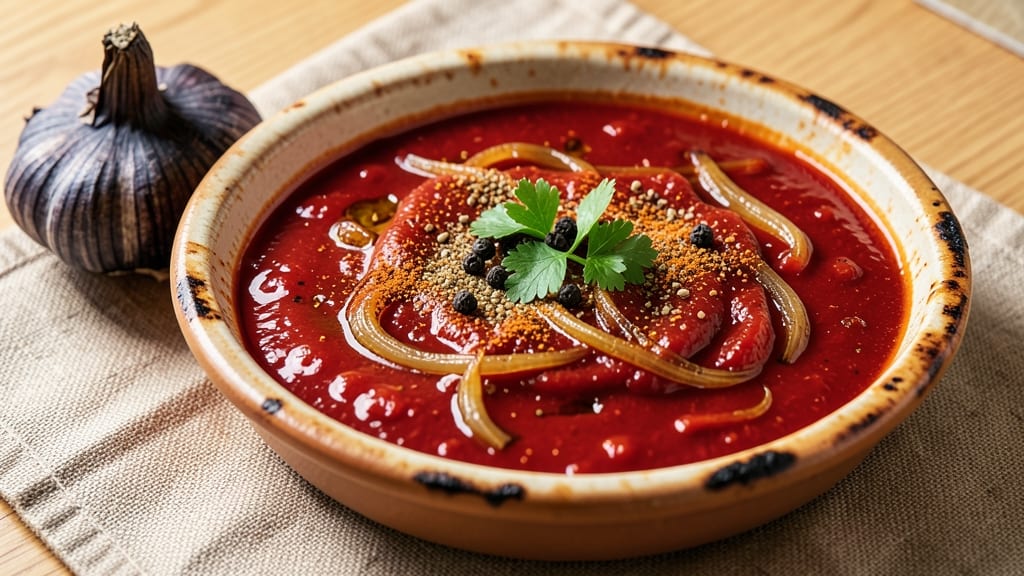
This Arabic tomato sauce recipe transforms simple ingredients into a smoky, aromatic condiment that elevates every dish. The secret lies in slow-cooked tomatoes, toasted cumin, and garlic that infuse the sauce with deep, earthy flavor—perfect for dipping, marinating, or drizzling over grilled meats.
I developed this recipe after years of testing Middle Eastern techniques, and it never fails to impress.
The beauty of this sauce is its versatility—use it as a dip for fresh bread, a marinade for chicken or lamb, or a vibrant side for falafel and hummus.
The process is straightforward: blend tomatoes, onions, and garlic, then simmer with warm spices until thick and fragrant. No blender? No problem—a simple stovetop mash works just as well.
What sets this sauce apart is the balance of smoky cumin, sweet paprika, and warm allspice, which create layers of flavor that build as it simmers. The result is a rich, velvety sauce with a perfectly balanced tang and depth—something store-bought versions simply can’t match.
It keeps well in the fridge for up to a week, making it ideal for meal prep.
Whether you're serving it as a dip, a marinade, or a sauce for grilled dishes, this one-pot wonder is a game-changer for Middle Eastern cuisine. Let’s get started—your taste buds will thank you.
Ingredients for arabic tomato sauce
Nine simple ingredients blend into a smoky, aromatic sauce that brings Middle Eastern magic to any dish.
| Ingredient | Amount | Notes |
|---|---|---|
| Fresh Tomatoes 🍅 | 4 lbs | Roma or vine-ripened, halved |
| Yellow Onion 🧅 | 1 whole | Medium size, chopped |
| Garlic Cloves 🧄 | 6 cloves | Fresh, peeled, smashed |
| Ground Cumin 🌿 | 2 tbsp | Toasted for deeper flavor |
| Sweet Paprika 🌶️ | 1 tbsp | Smoked or sweet variety |
| Ground Allspice 🌿 | ½ tsp | Freshly ground preferred |
| Extra-Virgin Olive Oil 🫒 | ½ cup | High quality, fruity |
| Fresh Lemon Juice 🍋 | 2 tbsp | Bright citrus for balance |
| Salt 🧂 | 1 ½ tsp | Diamond Crystal preferred |
| Black Pepper 🌶️ | ½ tsp | Freshly cracked |
The tomatoes are the heart of this sauce—Roma tomatoes give you the best texture, but vine-ripened works too. Grab a handful from the farmers market for peak flavor, or use canned San Marzano if you're in a pinch (just drain them well). The garlic and onion combo is non-negotiable here—smash those garlic cloves for maximum flavor release. For the spices, Penzeys Spices has the best toasted cumin, but any quality brand works. Pro tip: toast your cumin and allspice in a dry pan for 30 seconds before adding to the sauce—that extra step makes all the difference.
No fresh tomatoes? Canned crushed tomatoes work in a bind, but they'll be slightly thinner—simmer longer to thicken. Swapping sweet paprika for smoked? Go for it, but reduce to 0.75 tbsp to keep the sweetness balanced. Running low on lemon juice? Lime juice works too, but it'll give a slightly different tang. The olive oil matters here—skip the cheap stuff. A good extra-virgin oil adds richness that cuts through the acidity. If you're making this ahead, let the sauce cool completely before storing—it thickens as it cools, so don't be surprised if it looks too thick right after simmering.
This sauce keeps beautifully—up to 1 week in the fridge, and 3 months frozen. For freezing, portion into ice cube trays first, then transfer to a bag—perfect for meal prep. Reheat gently on low heat, adding a splash of water if it thickens too much. The flavor actually improves after a day or two as the spices meld. I always make a double batch—one for immediate use, one to freeze. Trust me on this: the second batch is always the best.
Why You'll Love This Recipe
- No Chopping Needed: I swear by this—just halve the tomatoes and toss them in. The onions soften fast, garlic mellows out, and you’re left with a sauce that’s actually better than jarred versions. (Yes, even when I burn the first batch.)
- Smoky Depth in Minutes: That pinch of cumin and paprika? It turns a simple tomato base into something rich and layered—like a whisper of North African spice market in every spoonful. Honestly, it’s the kind of flavor that makes you pause mid-bite.
- Pantry Stretch King: Between us, this sauce costs pennies per serving. A few tomatoes, an onion, and a spice rack staple turn into enough to feed four for dinner and lunch tomorrow. (Pro tip: Freeze half—it’s my go-to for lazy days.)
- Weeknight Workhorse: Slap it on grilled chicken, stir into rice, or dollop over toasted bread. It’s the one sauce that never lets me down—whether I’m hosting or just keeping my family from ordering takeout. (My kids think it’s “fancy.”)
Step-by-step instructions for Arabic tomato sauce
Here's how to build rich, smoky depth in every spoonful—no shortcuts, just layers of flavor.
Sear the Aromatics for Foundational Flavor
Heat the ½ cup extra-virgin olive oil in a heavy-bottomed pot over medium heat until shimmering. Add the 1 whole yellow onion, chopped into even ¼-inch pieces, and cook for 8-10 minutes until deeply golden and caramelized. This step is non-negotiable—those browned bits dissolve into the sauce, creating umami depth that separates good from great.
Push the onions to the sides of the pot and add the 6 smashed garlic cloves. Stir for 30 seconds until fragrant but not browned—garlic burns faster than you think. Here's the thing: if you smell it cooking, it's ready. Immediately add the 2 tablespoons ground cumin and 1 tablespoon sweet paprika, stirring constantly for 1 minute to toast the spices and release their aromatic oils.
Build the Sauce Base with Tomatoes
Add the 4 pounds halved fresh tomatoes to the pot, cut-side down. Sprinkle evenly with the 1.5 teaspoons salt and 0.5 teaspoon black pepper, then stir gently to combine. The tomatoes should release their juices immediately—if not, increase heat to medium-high for 2-3 minutes to jumpstart the process.
Reduce heat to low and let the mixture simmer uncovered for 25-30 minutes, stirring occasionally. You're looking for the sauce to thicken slightly and the tomatoes to break down completely. Here's where patience pays off: don't rush this step. The sauce should reduce until it coats the back of a spoon with a velvety texture, not watery.
Refine with Allspice and Brighten with Lemon
After the tomatoes have broken down, stir in the 0.5 teaspoon ground allspice. This spice adds warmth and complexity that elevates the sauce from ordinary to extraordinary. Simmer for another 5 minutes to allow the allspice to bloom fully.
Remove the pot from heat and stir in the 2 tablespoons fresh lemon juice. This final step cuts through the richness of the tomatoes and spices, balancing the flavors. Taste and adjust seasoning—you might need an additional pinch of salt or a crack of pepper to perfect the harmony. The sauce should be vibrant, with bright acidity and deep, smoky undertones.
Finish and Serve with Textural Contrast
For the ultimate presentation, transfer the sauce to a blender and puree until smooth. If you prefer texture, leave it slightly chunky by pressing the tomatoes through a food mill instead. Return the sauce to the pot and simmer for another 5 minutes to meld all the flavors together.
Serve the sauce immediately over al dente pasta, spooned generously over grilled lamb chops, or drizzled across crusty bread for dipping. The sauce will continue to develop as it sits, so if you're not serving it right away, store it in an airtight container in the refrigerator for up to 5 days. The flavors only get better with time, deepening as they rest.
Pro Tips For Making Arabic Tomato Sauce
- Char the Onion First: Don’t just sauté the onion—let it brown for 8-10 minutes until it’s deep golden and almost caramelized. This step adds a smoky depth that cuts through the acidity of the tomatoes, and it’s the foundation of that rich, layered flavor. (Yes, it’ll smell like your kitchen is burning, but resist the urge to rush it.)
- Roast the Tomatoes: Skip the raw chop-and-dump method—toss halved tomatoes with oil, salt, and a pinch of cumin, then roast at 400°F (200°C) for 20 minutes. The concentrated, caramelized flesh blends into a silky sauce with less watery mess. I learned this the hard way after straining three batches of watery tomato pulp.
- Toast the Spices Dry: Bloom the cumin and paprika in oil for 30 seconds until fragrant, not until they darken. Wet spices lose their punch, and this quick step unlocks their aroma. (Pro move: Use a pinch of sugar with the paprika to balance bitterness—trust me, it makes a real difference.)
- Strain Twice, Once Cold: After simmering, strain the sauce through a fine-mesh sieve, then let it cool slightly before straining again. The second pass removes stubborn bits that re-emerge when hot, giving you a velvety texture. (Lazy shortcut: Use a nut milk bag if you’re impatient, but the sieve wins for consistency.)
Pro cooking tips for perfect results
Toast Spices First
Before adding spices to your sauce, toast them in a dry skillet over medium heat for 30 seconds until fragrant. This simple step releases their essential oils, intensifying the flavor. I use a 10-inch cast iron skillet for even heat distribution.
Toast the cumin and paprika together—they complement each other beautifully when toasted simultaneously. The aroma alone will make your kitchen smell like a Middle Eastern marketplace. 🌿
Low and Slow Simmer
Simmering your sauce on low heat for 25-30 minutes is crucial for developing deep flavor. Rushing this step will leave your sauce thin and bland. I recommend using a heavy-bottomed Dutch oven to prevent scorching.
Stir occasionally to prevent sticking, and let the sauce reduce naturally. The longer it simmers, the more complex the flavors become—think of it like making a fine wine. ⏳
Blend for Smoothness
For a silky texture, transfer the cooked mixture to a high-speed blender like a Vitamix and blend until completely smooth. If you prefer some texture, use a food mill instead.
I find blending makes the sauce more versatile for drizzling over dishes. Always let the sauce cool slightly before blending to prevent splattering—safety first! 💫
Balance with Lemon
The final touch is balancing the sauce with 2 tablespoons fresh lemon juice. This brightens the deep, smoky flavors and cuts through any richness. I like to add it off the heat to preserve its acidity.
Taste as you go—sometimes an extra pinch of salt or a crack of pepper is needed. The lemon juice should make your taste buds dance! 🍋
Storage Secrets
Store your sauce in an airtight container in the fridge for up to 5 days, or freeze in ice cube trays for easy portioning. The sauce thickens as it cools, so don't be surprised if it looks too thick right after simmering.
Reheat gently on the stovetop with a splash of water if needed. The flavors actually improve over time—this sauce tastes even better the next day! ❄️
Adjust for Heat
If you love spice, add ½ teaspoon cayenne pepper while simmering. For a milder version, reduce the paprika to 0.75 tablespoon. I find the allspice adds warmth without heat, so it's a great spice for those who prefer depth over spiciness.
Always taste as you go—seasoning is personal, and this sauce is forgiving. 🔥
Nutrition facts
Frequently asked questions
Can I use canned tomatoes instead of fresh?
For a quick version, use 28 ounces crushed canned tomatoes (San Marzano preferred) instead of fresh. Simmer the sauce for 30-40 minutes to thicken it properly. The flavor will be slightly different but still delicious. Add an extra ½ teaspoon sugar if you prefer less acidity.
How can I make this sauce spicier?
Add ½ teaspoon cayenne pepper or 1 teaspoon harissa paste while simmering for extra heat. For a smoky kick, increase the paprika to 1.5 tablespoons. Always taste as you go—Middle Eastern sauces often balance heat with sweetness, so consider adding a pinch of sugar if needed.
What's the best way to store leftovers?
Store in an airtight container in the fridge for up to 5 days. For longer storage, freeze in ice cube trays (perfect for portion control) or silicone molds. The sauce thickens as it cools, so reheat with a splash of water if needed. Flavor actually improves after 24 hours as spices meld.
Can I make this sauce without a blender?
Yes! Simply press the cooked tomatoes through a food mill or mash them with a potato masher for texture. For a smoother version, use an immersion blender right in the pot. The sauce will have slight chunks but still be delicious—this method actually adds nice texture for dipping!
What's the best way to use this sauce?
This versatile sauce works as a dip for warm pita bread, marinade for grilled chicken or lamb, or sauce for pasta or rice dishes. Drizzle over falafel or shawarma for extra flavor. The smoky depth pairs perfectly with feta cheese or crumbled halloumi for a complete meal.