
Sauces & Condiments
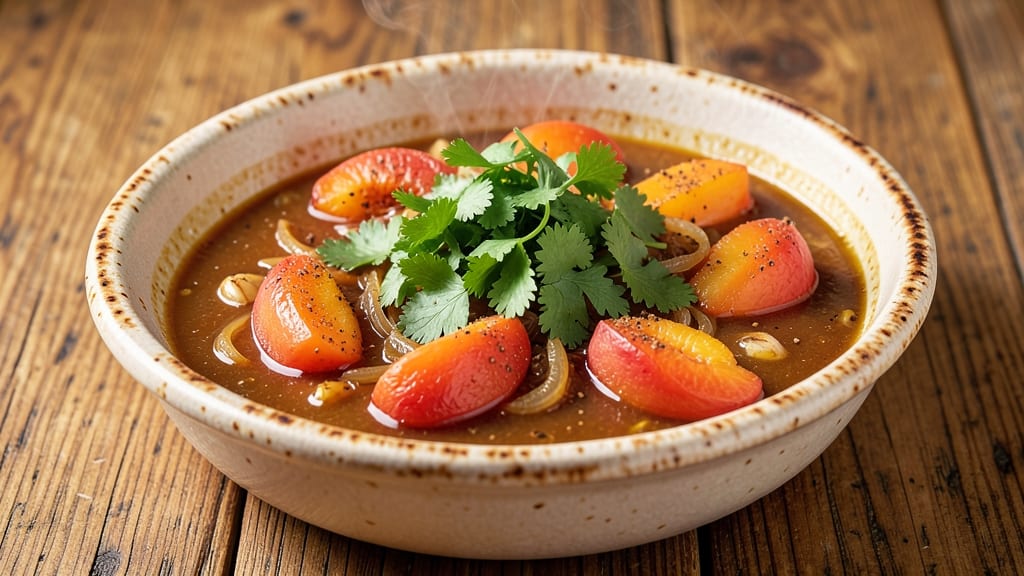
This apricot and coriander tagine sauce recipe transforms ordinary meals into Moroccan-inspired feasts with just a few simple ingredients. The perfect balance of sweet apricots and bright coriander creates a rich, aromatic sauce that pairs beautifully with grilled meats, couscous, or roasted vegetables.
What makes this sauce special is how the warm spices like cumin and cinnamon blend seamlessly with the natural sweetness of the fruit, creating layers of flavor that build with each bite.
The foundation of this sauce begins with a fragrant base of onions and garlic, slowly caramelized to deepen the flavor before adding the star ingredients.
Fresh or dried apricots lend a natural sweetness that's perfectly balanced by the bright, citrusy notes of coriander, while a touch of tomato paste adds depth and richness. The result is a sauce that's both vibrant and complex, with just the right amount of tang to complement its sweetness.
What you'll end up with is a velvety sauce that's perfect for drizzling over grilled chicken, lamb, or even roasted vegetables.
It keeps well in the refrigerator for up to a week, making it an excellent meal prep option, and can be frozen for up to three months if you want to stock up for future dinners.
The sauce's versatility means it can be used as a marinade, a glaze, or simply as a flavorful accompaniment to your favorite dishes.
This recipe is designed to be simple yet impressive, ensuring that even if you're new to Moroccan cuisine, you'll achieve restaurant-quality results. The combination of sweet, spicy, and aromatic flavors creates a sauce that's as beautiful as it is delicious, making it a perfect addition to any meal.
Let's get started on creating this flavorful masterpiece!
Ingredients for apricot and coriander tagine sauce
Sweet apricots and bright coriander blend with warm spices for a sauce that tastes like a Moroccan feast.
| Ingredient | Amount | Notes |
|---|---|---|
| Yellow Onions 🧅 | 1 whole | Finely diced, about 1.5 cups |
| Garlic Cloves 🧄 | 4 cloves | Minced for aromatic base |
| Extra-Virgin Olive Oil 🫒 | ½ cup | For sautéing onions and garlic |
| Ground Cumin 🌿 | 1 ½ tbsp | Toasted for deeper flavor |
| Ground Coriander 🌿 | 1 tbsp | Fresh ground preferred |
| Ground Cinnamon 🌶️ | ½ tsp | Warm and aromatic |
| Fresh Apricots 🍑 | 1 ½ cups | Pitted and chopped, fresh or dried |
| Tomato Paste 🍅 | 2 tbsp | For depth and richness |
| Fresh Coriander Leaves 🌿 | ½ cup | Chopped for bright finish |
| Vegetable Stock 💧 | 1 cup | Low-sodium preferred |
| Honey 🍯 | 1 tbsp | Balances sweetness |
| Lemon Juice 🍋 | 1 tbsp | Freshly squeezed |
| Salt 🧂 | 1 tsp | Kosher or sea salt |
| Black Pepper 🌶️ | ½ tsp | Freshly ground |
The onions and garlic are your flavor foundation—don’t rush this step. Slow caramelization in olive oil brings out their natural sweetness, which pairs perfectly with the apricots. For the spices, spice markets or bulk bins are your best bet—freshly ground cumin and coriander make all the difference. If you’re using dried apricots, soak them in warm water for 10 minutes to soften; fresh ones? Just chop them up and go. The tomato paste might seem like a small amount, but trust me—it adds that deep, savory backbone the sauce needs.
No fresh coriander? Dried works at half the amount, but it won’t have the same bright punch. Swap honey for maple syrup if you prefer, though honey’s floral notes play nicely with the spices. Running low on vegetable stock? Water with an extra pinch of salt gets you close. The lemon juice is key—it cuts through the sweetness and brightens everything up. Pro tip: Toast your spices in the pot for 30 seconds before adding liquids to wake up their flavors. And if you’re feeling fancy, add a pinch of saffron for that extra Moroccan magic.
This sauce tastes even better the next day as the flavors meld—perfect for meal prep. Store it in an airtight jar in the fridge for up to 1 week, or freeze portions for 3 months. I like to make a double batch and freeze half—one less thing to worry about on busy weeknights. When reheating, add a splash of water or stock to loosen it up if it’s thickened. Drizzle it over grilled chicken, spoon it over couscous, or use it as a marinade—it’s that versatile.
Why You'll Love This Recipe
- One-Pot Magic: I swear by this sauce—just onions, garlic, and a handful of spices simmered in olive oil until they’re sweet and sticky. No blender, no straining, just a single pot that transforms into something rich and fragrant.
- Sweet-Savory Balance: That caramelized onion base? It’s the star. The apricot jam adds just enough sweetness to cut through the earthy cumin and coriander, while the garlic ties it all together with a warm, almost smoky depth. It’s the kind of flavor that lingers.
- Weeknight to Dinner Party: Between us, this sauce works just as well drizzled over grilled chicken for a Tuesday night as it does on a platter of lamb chops for guests. The spices are bold enough to stand out, but mellow enough to play nice with almost anything.
- Stretches Your Pantry: Honestly, the ingredients are already in my cupboard—cumin, coriander, olive oil—so I’m not breaking the bank. A jar of apricot jam and a few onions later, and I’ve got enough sauce to dress up rice, roasted veggies, or even toast for breakfast. (Yes, even on a Tuesday.)
Step-by-step instructions for apricot and coriander tagine sauce
This vibrant Moroccan sauce comes together in one pot with layers of sweet, spicy, and herby flavors.
🍳 Step 1: Sauté the Aromatic Base
Heat the 0.5 cup extra-virgin olive oil in a medium saucepan over medium heat. Add the 1 whole yellow onions and cook for 5-6 minutes until softened and translucent. The onions should smell sweet and caramelized—this is your foundation.
Add the 4 cloves minced garlic and the 1.5 tbsp ground cumin, stirring constantly for 1 minute until fragrant. Here's the thing—don't let the garlic burn. It should smell like a Moroccan spice market, not like charred paper. Reduce heat slightly if needed to maintain gentle sizzling.
🍳 Step 2: Build the Spiced Foundation
Stir in the 1 tbsp ground coriander, 0.5 tsp ground cinnamon, 2 tbsp tomato paste, 1 tsp salt, and 0.5 tsp black pepper. Cook for 2-3 minutes until the tomato paste darkens slightly and the spices meld together. This step develops the sauce's deep, complex flavor profile.
Pour in the 1 cup vegetable stock and bring to a gentle simmer. Let it cook uncovered for 5 minutes until slightly reduced. You'll notice the sauce thicken just a bit—this is when the magic starts happening. The spices should be fully incorporated with no visible flecks of powder.
🍳 Step 3: Add Sweet and Tangy Elements
Stir in the 1.5 cups chopped fresh apricots, 1 tbsp honey, and 1 tbsp lemon juice. Simmer for 8-10 minutes until the apricots soften but still retain some texture. You want them to break down just enough to release their juices while keeping visible chunks for texture contrast.
This is where the sauce finds its balance—sweet from the apricots and honey, tangy from the lemon, and warm from the spices. Taste and adjust seasoning if needed. The sauce should be vibrant and complex, not one-dimensional.
🥘 Step 4: Finish with Fresh Herbs
Remove the sauce from heat and stir in the 0.5 cup chopped fresh coriander leaves. Let it steep for 2-3 minutes to infuse the bright, citrusy flavor. The coriander adds that fresh, herbal note that cuts through the richness of the other ingredients.
For the perfect consistency, check the sauce. If it's too thick, add 1-2 tablespoons of water to loosen. If it's too thin, simmer uncovered for another 2-3 minutes to reduce. The ideal texture should coat the back of a spoon but still be pourable.
⏰ Step 5: Rest and Serve
Let the sauce rest for 10 minutes before serving. This allows all the flavors to meld together completely. The sauce will thicken slightly as it cools, so don't worry if it looks perfect immediately.
This apricot and coriander tagine sauce pairs beautifully with grilled chicken, lamb, or even as a dip with warm flatbread. The sweet-tangy-spiced combination is what makes this sauce so special—it's complex enough to stand alone but simple enough to make every time.
Pro Tips For Making Apricot And Coriander Tagine Sauce
- SWEAT THE ONIONS LOW: I learned this the hard way—when I rush the onions, the sauce ends up bitter and overpowering. Cook them on medium-low heat for 10-12 minutes until they’re deep golden, almost caramelized, but not browned. This builds flavor without burning, and it’s the foundation of the sauce.
- TOAST THE SPICES DRY: Skip the water splash—ground cumin and coriander lose depth when bloomed wet. Heat them dry in the oil for 30 seconds until fragrant (they’ll darken slightly). This unlocks their aroma and prevents a flat, dusty taste in the sauce.
- PIT THE APRICOTS FAST: Use a paring knife to slice a small X on the bottom of each apricot—no need for a pitter. Drop them in boiling water for 10 seconds, then shock in ice water to peel off skins. This keeps the fruit intact and saves you from messy seeds.
- SIMMER, DON’T BOIL: After adding apricots, reduce heat to a bare simmer. Boiling turns the sauce into mush and burns the sugar. A gentle bubble (tiny bubbles at the edges) keeps the texture rich and the flavors balanced—no one wants a sugary sludge.
Troubleshooting your apricot and coriander tagine sauce
Sauce Too Thin?
If your sauce ends up too thin after simmering, don’t panic—simmer uncovered for an extra 3-5 minutes to reduce the liquid. For a quicker fix, mash 1-2 apricot halves directly in the pot to release more natural pectin and thicken the sauce.
I’ve found that using dried apricots instead of fresh can sometimes make the sauce thicker from the start since they release more moisture as they cook.
Sauce Too Thick?
Thick sauce? Stir in 1-2 tablespoons of warm water or vegetable stock to loosen it while keeping the flavors intact. For a smoother texture, blend briefly with an immersion blender—just 10-15 seconds is enough to create a velvety consistency without losing the fruit’s texture.
If you prefer texture, add a splash of stock and let it simmer for 2 minutes to rebalance.
Spices Too Strong?
If the spices overpower the sweetness, balance them by adding ½ teaspoon more honey or 1 extra tablespoon of lemon juice. A pinch of salt can also help round out the flavors.
For a more subtle approach, stir in 1-2 tablespoons of plain yogurt at the end—it mellows the heat while adding creaminess. Trust me, this trick works like magic for cutting through bold spices.
Fruits Not Soft Enough?
If your apricots remain firm after 8-10 minutes, cover the pot and simmer for another 3-5 minutes to soften them. For a quicker fix, toss the apricots in ½ cup warm water for 5 minutes before adding them to the sauce—this jumpstarts the softening process.
If using dried apricots, soak them in warm water for 10 minutes before cooking to ensure they break down properly.
Lemon Too Tart?
If the lemon juice makes the sauce taste too sharp, balance it with ½ teaspoon more honey or a pinch of salt. Alternatively, add a small piece of fresh ginger (about ¼ teaspoon grated) to round out the flavors.
The ginger’s warmth complements the lemon beautifully and adds another layer of complexity to the sauce. 💫
Nutrition facts
Frequently asked questions
Can I substitute dried apricots for fresh in this sauce?
Use 1 cup dried apricots instead of fresh, but soak them in warm water for 10 minutes first to soften. They'll release more moisture as they cook, creating a slightly thicker sauce. Dried apricots also intensify the sweetness, so you might reduce the honey to ½ tablespoon if you prefer a more balanced flavor.
What's the best way to use this sauce if I don't eat meat?
This sauce is incredibly versatile for plant-based meals! Drizzle it over roasted cauliflower steaks, eggplant, or sweet potatoes for a Moroccan-inspired twist. It also pairs beautifully with chickpea curry, lentil stews, or as a marinade for tofu or tempeh before grilling. The sweet-tangy profile works wonderfully with plant proteins.
How do I adjust the sweetness if I have diabetes?
Reduce the honey to ½ teaspoon and use ½ cup unsweetened applesauce instead of half the apricots. The natural sweetness from the fruit will still shine through while keeping the carb content lower. You can also add 1 extra teaspoon of lemon juice to enhance the bright, citrusy notes that balance the remaining sweetness.
Can I make this sauce ahead of time?
Yes! This sauce actually tastes better the next day as the flavors meld. Store it in an airtight container in the fridge for up to 1 week. For freezing, portion it into ice cube trays or small containers—this makes it easy to thaw just what you need. When reheating, add a splash of water or stock to restore the perfect consistency.
What's the secret to getting the best flavor from coriander?
Always use fresh coriander leaves for the finishing touch—they provide that bright, citrusy pop that dried coriander can't match. For the ground coriander in the recipe, buy it pre-ground from a spice shop or grind your own seeds just before using. Toast the seeds in a dry pan for 30 seconds before grinding to enhance their aroma. Pro tip: The stems are edible too—chop and use them along with the leaves!