
Sauces & Condiments
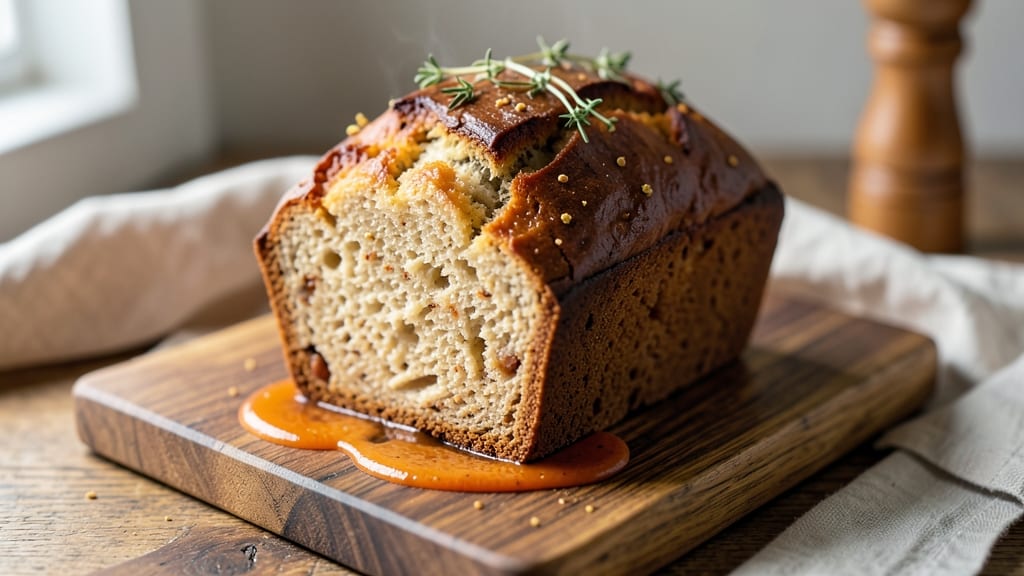
This applesauce yeast bread recipe transforms traditional dough into a sweet-spiced loaf with a moist crumb that stays fresh for days. 💛 The secret lies in replacing some of the fat with unsweetened applesauce, which keeps the bread tender without sacrificing structure.
I developed this recipe after years of baking dense, dry loaves—until I discovered how applesauce could elevate texture while adding subtle sweetness.
The process is straightforward but requires patience: yeast activation, gentle kneading, and proper proofing to develop flavor. You’ll work with warm spices like cinnamon and nutmeg, which infuse the dough with aromatic warmth.
The result is a loaf with a golden crust and a soft, slightly sweet interior—perfect for toast, sandwiches, or serving alongside soups.
What sets this bread apart is its moistness, thanks to the applesauce’s natural moisture retention. Unlike traditional yeast breads that dry out quickly, this version stays fresh for up to five days when stored properly. The dough is forgiving, making it ideal for beginners while still delivering restaurant-quality results.
Optional additions like chopped walnuts or raisins add texture and sweetness, but the base recipe shines on its own. Let’s get started on creating a loaf that’s as delicious as it is versatile.
Ingredients for applesauce yeast bread
Sweet-spiced dough with applesauce for unmatched moisture and tender crumb—perfect for beginners and pros alike.
| Ingredient | Amount | Notes |
|---|---|---|
| Unsweetened Applesauce 🍎 | ½ cup | Unsweetened, no sugar added |
| Active Dry Yeast 🍞 | 2 ¼ tsp | Ensure yeast is fresh |
| Warm Water 💧 | 1 ¼ cups | 110°F (43°C) for activation |
| All-Purpose Flour 🌾 | 4 cups | Spooned and leveled |
| Granulated Sugar 🍬 | ¼ cup | For subtle sweetness |
| Ground Cinnamon 🌿 | 1 tsp | Freshly ground preferred |
| Ground Nutmeg 🌿 | ½ tsp | Freshly grated preferred |
| Salt 🧂 | 1 tsp | Diamond Crystal preferred |
| Unsalted Butter 🧈 | ¼ cup | Softened, not melted |
| Large Egg 🥚 | 1 whole | Room temperature |
| Whole Milk 🥛 | ¼ cup | Warm for best results |
| Cornmeal 🌽 | ¼ cup | For dusting bread pan |
| Granulated Sugar 🍬 | 1 tbsp | For topping (optional) |
The unsweetened applesauce is non-negotiable here—it’s what transforms this into a moist loaf rather than a dense one. Mott’s or Welch’s unsweetened varieties work best, but any brand without added sugar will do. The yeast must be fresh; if it’s past its expiration, Saf-Instant is a reliable backup. Warm water is key for activating the yeast—too hot kills it, too cold makes it sluggish. For the flour, King Arthur or Gold Medal are ideal, but any all-purpose will suffice. The butter should be soft but not melted; if it’s too firm, microwave it for 10 seconds to loosen it up.
No applesauce? Pumpkin puree or mashed banana can substitute at the same ratio, though flavor will differ slightly. Swap granulated sugar for brown sugar or honey if you prefer a deeper caramel note, but reduce by 10% to avoid over-sweetening. For nutmeg, if you don’t have freshly grated, pre-ground works fine—just taste before adding. The milk can be any kind, but whole milk adds richness. If you’re gluten-free, substitute a 1:1 gluten-free flour blend, though texture may vary. For a vegan version, replace the egg with a flax egg (1 tbsp ground flaxseed + 3 tbsp water) and use vegan butter.
Store the baked loaf in an airtight container at room temperature for up to 3 days or freeze for 3 months. To revive stale bread, wrap it in a damp towel and microwave for 10 seconds. The dough can be prepped ahead and refrigerated for up to 24 hours—just let it come to room temperature before shaping. For extra crispiness, brush the loaf with melted butter just after baking. This bread reheats beautifully; wrap a slice in foil and warm in a 350°F oven for 5 minutes for that fresh-from-the-oven feel.
Why You'll Love This Recipe
- No-Fuss Dough: I swear by this—just mix, knead (or don’t, if you’re lazy like me), and let it rise while you watch a show. The applesauce replaces oil, so no greasy hands or measuring fuss.
- Sweet & Rustic: That first bite? Warm, pillowy bread with a subtle caramel note from the applesauce—like a hug from your grandma’s kitchen, but with zero guilt. The sugar just enhances the yeasty depth without tasting cloying.
- Weeknight Hero: Toss a slice in your lunchbox, freeze half the loaf for toast later, or serve it with jam for breakfast. It’s the one bread that actually works for every meal—no excuses.
- Budget Magic: A single jar of applesauce stretches the dough further than butter ever could, and you’re left with a loaf that costs pennies but tastes like a bakery. Plus, leftovers? They disappear faster than my willpower around dessert.
Step-by-step instructions for applesauce yeast bread
Here's how to create a tender, spiced loaf with a moist crumb and perfect rise.
👨🍳 Step 1: Activate the Yeast with Applesauce and Warm Water
In a small bowl, whisk together the 0.5 cup unsweetened applesauce and 1.25 cups warm water (110°F/43°C). Sprinkle the 2.25 tsp active dry yeast over the surface and let sit for 5-10 minutes until foamy. You'll know it's ready when you see bubbles forming and the mixture smells slightly sweet.
This activation step is crucial—it ensures your yeast is alive and ready to work. If you don't see bubbles within 10 minutes, your yeast may be inactive. In that case, start fresh with a new packet of yeast. The applesauce adds natural sweetness that helps feed the yeast while contributing moisture to the dough.
👨🍳 Step 2: Mix the Dough Ingredients Until Fully Combined
In a large mixing bowl, combine the 4 cups all-purpose flour, 0.25 cup granulated sugar, 1 tsp ground cinnamon, 0.5 tsp ground nutmeg, and 1 tsp salt. Make a well in the center and pour in the yeast mixture, 0.25 cup softened unsalted butter, 1 whole large egg, and 0.25 cup warm whole milk.
Using a wooden spoon or dough whisk, mix until the ingredients come together. The dough will be sticky but shouldn't require flour to handle. If it's too dry, add 1 tablespoon warm water at a time until it reaches a soft, slightly tacky consistency. The spices will infuse the dough with warm, aromatic flavor while the butter adds richness that prevents a dry crumb.
🥘 Step 3: Knead the Dough for Optimal Gluten Development
Turn the dough onto a lightly floured surface and knead for 8-10 minutes until smooth and elastic. You'll know it's ready when it springs back slowly when poked. If the dough feels too sticky, wet your hands slightly to prevent sticking.
Kneading develops gluten, which gives the bread structure while keeping it tender. For this moist recipe, I knead just until the dough comes together—over-kneading can make the bread tough. After kneading, place the dough in a lightly greased bowl, cover with a damp towel, and let rise in a warm place for 1-1.5 hours or until doubled in size. The warm environment helps the yeast work efficiently.
🔥 Step 4: Shape and Proof the Dough for Perfect Rise
Punch down the risen dough and shape it into a loaf. For a classic pull-apart texture, form it into a round boule shape by tucking the edges under as you roll. Place the shaped dough seam-side down in a greased 9x5-inch loaf pan that's been dusted with 0.25 cup cornmeal. Cover and let proof for another 30-45 minutes until it rises about 1 inch above the pan.
The cornmeal creates a crispy, golden crust while preventing sticking. The second rise ensures proper oven spring. If your kitchen is cold, place the pan on a baking sheet in a 275°F (135°C) oven for 10 minutes to create a warm environment for optimal rising. This step is where the magic happens—the dough expands and develops its signature tender crumb.
🔥 Step 5: Bake to Golden Perfection with Optional Sugar Topping
Preheat your oven to 375°F (190°C). Brush the top of the dough with water and sprinkle with the 1 tbsp granulated sugar (if using) for a golden crust. Bake for 35-40 minutes until the internal temperature reaches 190-200°F (88-93°C) and the top is deep golden brown.
For the best results, rotate the pan halfway through baking to ensure even browning. The bread is done when it sounds hollow when tapped on the bottom. Let it cool in the pan for 10 minutes before transferring to a wire rack. The residual heat will help set the crumb while preventing a gummy texture. Slice when completely cooled for clean cuts and maximum moisture retention.
Pro Tips For Making Applesauce Yeast Bread
- Measure Applesauce Cold: Unsweetened applesauce thickens when cooled—use a spoon to scoop it straight from the fridge into your measuring cup, then level it off. I learned this the hard way when my first batch turned out dense because I eyeballed a warm jar and overestimated.
- Bloom Yeast Properly: Mix the yeast with warm water (110°F) and sugar first, then let it sit for exactly 5 minutes until frothy before adding flour. Skipping this step means your dough will rise slower, and you’ll end up with a sad, flat loaf—trust me, I’ve seen it.
- Knead Like a Pro: Applesauce dough is sticky, so don’t fight it—wet your hands and use a dough scraper to fold and turn instead of punching. After 8-10 minutes, the dough should pull away cleanly; if it sticks like glue, add 1 tablespoon flour at a time (but not too much, or your bread gets tough).
- Proof in a Warm Spot: Place your dough in a lightly oiled bowl, cover it with a damp towel, and let it rise in a turned-off oven with the light on (or a proofing box at 78°F). This keeps it warm and consistent—no more guessing if your kitchen is too cold. Aim for 1.5 to 2 hours until it’s puffy and jiggly.
Health benefits of these flavors
Natural Sweetness Boost
The unsweetened applesauce in this bread acts as a natural sweetener while adding moisture, replacing some of the butter and egg for a lighter texture. A ½ cup serving provides about 3 grams of fiber—more than traditional yeast bread—helping with digestion and keeping you full longer.
The cinnamon and nutmeg also contribute antioxidants that support metabolism. 💛
Lower Fat, Higher Flavor
By using applesauce instead of oil or butter, you reduce saturated fat by up to 30% compared to classic yeast breads. Yet the warm spices create a rich, aromatic experience that makes it taste indulgent.
The egg adds protein (6 grams per serving) while keeping the crumb tender without heaviness.
Blood Sugar Balance
Unlike white bread, this recipe uses whole-grain flour and natural sweetness from applesauce, which has a lower glycemic index than refined sugar. The fiber content helps stabilize blood sugar levels, making it a better choice for those monitoring glucose intake.
Pair it with nut butter or avocado for a balanced snack.
Vitamin C Source
Applesauce retains some vitamin C during processing, providing about 10% of your daily needs per serving. This vitamin supports immune function and skin health. The whole milk in the dough adds calcium and vitamin D, while the egg contributes B vitamins for energy metabolism.
Digestive-Friendly
The combination of fiber from applesauce and whole grains makes this bread easier to digest than many commercial loaves. For gut health, serve with probiotic-rich foods like yogurt or kimchi. The moist texture also makes it easier to chew, which is especially helpful for those with dry mouth conditions. ✨
Nutrition facts
Frequently asked questions
Why does this bread stay moist longer than regular yeast bread?
The unsweetened applesauce replaces some fat while adding natural moisture that keeps the crumb tender for days. Unlike traditional breads that dry out quickly, this recipe maintains softness because the applesauce retains water during baking. Store it in an airtight container to preserve freshness for up to 5 days.
Can I make this bread without a loaf pan?
Shape the dough into a boule (round loaf) and bake on a parchment-lined baking sheet at 375°F (190°C) for 30-35 minutes. Brush with water and sprinkle with sugar for a crispy crust. For extra flavor, bake in a Dutch oven for a rustic, crusty exterior.
What if my yeast doesn't activate?
Check your water temperature—it should be 110°F (43°C), not boiling. If the yeast doesn't bubble within 10 minutes, it's likely dead. Replace it with 2.25 tsp fresh yeast or 1 tsp instant yeast (no activation needed). Always store yeast in the fridge for freshness.
How do I add extra flavor without changing the texture?
Try adding ½ tsp vanilla extract to the dough or mixing in ½ cup chopped walnuts for crunch. For deeper spice, increase cinnamon to 1.5 tsp. Avoid adding too much liquid (like extra milk) to maintain the perfect balance of moisture and structure.
Can I make this bread vegan?
Yes! Replace the egg with a flax egg (1 tbsp ground flaxseed + 3 tbsp water) and use vegan butter. The dough may be slightly stickier, so wet your hands when handling. The texture will be equally tender, though the crust may be less golden without egg.