
Sauces & Condiments
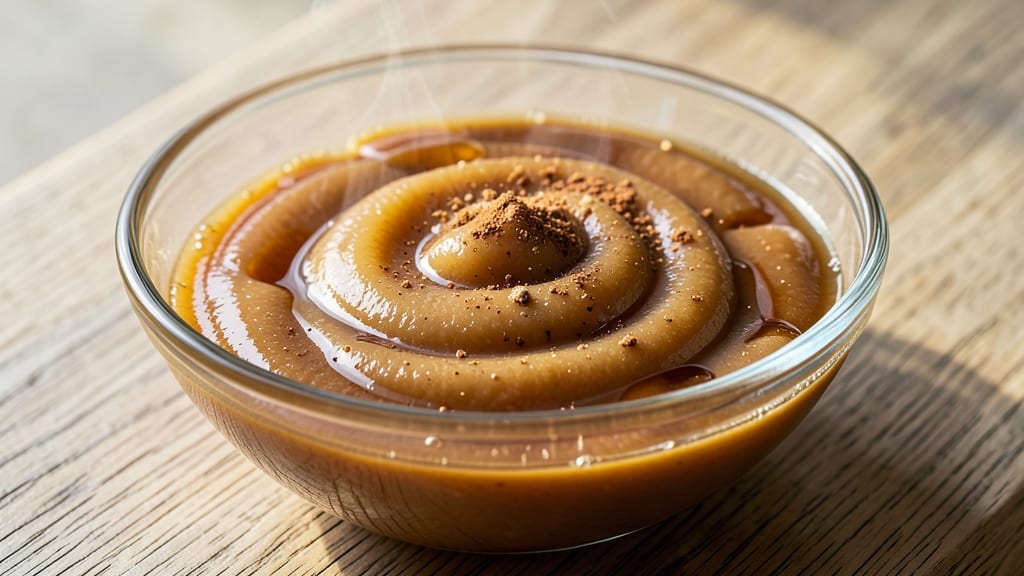
This applesauce with apple juice recipe delivers the perfect balance of sweetness and spice—smooth, velvety, and packed with natural flavor. The secret lies in using apple juice instead of water, which creates a richer texture and deeper caramel notes as it simmers. I developed this version after years of testing, and it’s become a staple in my kitchen for everything from breakfast toppings to baking enhancements.
The process is straightforward: peeled apples simmer gently with apple juice, cinnamon, and a touch of sweetener until they break down into a silky consistency. The juice keeps the sauce from drying out while adding subtle fruit complexity.
What you’ll end up with is a versatile applesauce that’s smoother than store-bought but still retains the fresh, autumnal taste of real apples.
This recipe works beautifully as a topping for oatmeal, pancakes, or yogurt, or as a natural sweetener in muffins and pies. The slow-cooked method ensures no lumps, and the spices can be adjusted to suit your taste—warm cinnamon for cozy flavors or a pinch of nutmeg for depth.
Plus, it stores well in the fridge for up to a week, making it a perfect make-ahead condiment.
Ready in about 30 minutes, this applesauce is foolproof and adaptable. Whether you’re using it as a healthy snack, a dessert ingredient, or a side for savory dishes, the result is always perfectly balanced—sweet enough to satisfy, but with enough natural tartness to keep it interesting.
Let’s get started!
Ingredients for applesauce recipe with apple juice
Eight simple ingredients create velvety applesauce with apple juice's rich depth—perfect for breakfast or baking.
| Ingredient | Amount | Notes |
|---|---|---|
| Apples (Honeycrisp or Fuji) 🍎 | 4 medium | Peeled and cored |
| Apple Juice (unsweetened) 🍏 | 1 ½ cups | For richness and texture |
| Granulated Sugar 🍚 | ¼ cup | Adjust to taste |
| Ground Cinnamon 🌿 | 1 ½ tsp | For warm spice |
| Ground Nutmeg 🌿 | ¼ tsp | Optional for depth |
| Lemon Juice 🍋 | 1 tbsp | Brightens flavor |
| Salt 🧂 | ¼ tsp | Enhances all flavors |
| Vanilla Extract 🫒 | ½ tsp | Adds subtle sweetness |
The apples are the foundation, so Honeycrisp or Fuji are ideal—they hold up well during cooking and have perfect sweetness. Local orchards or grocery store bins usually have these varieties in season, but any firm apple works. Look for ones that are firm but yield slightly to pressure—those are the sweetest. If you can't find Honeycrisp, Gala or Braeburn are great backups. The apple juice is just as important; unsweetened brands like Mott's or Libby's work best—they add natural sweetness without overpowering. Skip the sweetened kind unless you want extra sugar.
No apple juice? Substitute with unsweetened apple cider in a pinch—it's thicker but works in a bind. Want it sweeter? Swap sugar for maple syrup or honey (though honey isn't vegan). The spices can be adjusted—double the cinnamon for warmth or add a pinch of cloves if you love that flavor. Fresh lemon juice is best, but bottled works if you're in a hurry. The vanilla extract is optional but adds a cozy depth that makes this applesauce feel extra special. If you're making this for baking, you can skip it entirely—it's more of a breakfast or dessert accent.
This applesauce keeps beautifully in the fridge for up to 1 week in an airtight container. For longer storage, freeze it in ice cube trays or small jars—perfect for smoothies or baking later. The texture thickens when chilled, so stir in a splash of apple juice if it feels too stiff. I always make a double batch because it disappears fast—on toast, with yogurt, or even as a topping for grilled cheese. The slow-cooked method means no lumps, and the spices mellow out beautifully over time.
Why You'll Love This Recipe
- No-Core Chopping Needed: Honestly, I just peel, quarter, and drop those Honeycrisp apples into the pot—no dicing, no fuss. The Fuji variety even holds up better when you’re in a hurry, so the juice stays smooth without turning to mush.
- Juicy Sweetness Balance: That unsweetened apple juice keeps it from being cloying while the cinnamon and nutmeg add warmth that lingers. A splash of juice at the end? Instantly brighter, like someone stirred in sunshine.
- Lunchbox Magic: Between us, this is my go-to for school lunches or office snacks. Cold or warm, it’s the kind of thing kids (and adults) will actually eat—no weird textures, just pure, simple apple goodness that doesn’t spoil fast.
- Pantry Staple Flex: I make a big batch and freeze it—no weird aftertaste, just fresh-tasting applesauce whenever I need it. Plus, using applesauce in baking later? That’s just smart math with ingredients you already have.
Step-by-step instructions for applesauce with apple juice
Here's how to craft the ideal balance of sweetness and spice in this velvety applesauce.
Prepare the Apples for Cooking
Peel and core the 4 medium Apples (Honeycrisp or Fuji) and cut them into even ½-inch chunks. The consistency matters—smaller pieces cook faster and create a smoother texture. I like to work in batches if needed to keep things organized.
Place the apple chunks in a large bowl and toss them with the 1 tablespoon Lemon Juice. This prevents browning and adds a subtle brightness that balances the sweetness. Let them sit for 5 minutes while you prepare the rest of your ingredients.
Combine Ingredients in a Saucepan
In a medium saucepan, combine the apple chunks with the 1.5 cups Apple Juice (unsweetened). The juice adds natural sweetness and helps create a luscious, slightly liquid texture rather than a thick paste. Stir gently to distribute the juice evenly.
Add the 0.25 cup Granulated Sugar, 1.5 teaspoons Ground Cinnamon, 0.25 teaspoon Ground Nutmeg, and 0.25 teaspoon Salt. Gently stir to ensure the spices coat the apples and dissolve completely in the liquid. The nutmeg adds depth, while the salt enhances all the flavors.
Simmer Until Apples Are Tender
Place the saucepan over medium heat and bring the mixture to a gentle boil. Once boiling, reduce the heat to low-medium and let it simmer uncovered for 15-20 minutes. You'll know it's ready when the apples are fork-tender and easily pierced with minimal resistance.
Stir occasionally to prevent sticking and ensure even cooking. If the mixture starts to reduce too quickly, you can add a splash of water or more apple juice to maintain the desired consistency. The goal is a smooth, velvety texture—not a thick paste.
Finish with Vanilla and Adjust Seasoning
Once the apples are tender, remove the saucepan from heat and stir in the 0.5 teaspoon Vanilla Extract. The warmth of the pan will help the vanilla meld into the sauce, adding a subtle sweetness that complements the spices. Let it sit for 2-3 minutes to allow the flavors to marry.
Taste and adjust the seasoning if needed. If it feels too sweet, add a pinch more salt. If it needs more depth, a sprinkle of cinnamon or nutmeg will help. The sauce should be perfectly balanced—sweet, spiced, and bright from the lemon.
Serve Warm or Chill for Later
Transfer the applesauce to a serving bowl or jar. For a smoother texture, you can mash it slightly with a potato masher or fork, but I prefer to leave it slightly chunky for better texture. Serve it warm as a side dish or let it cool and refrigerate for up to 5 days.
This applesauce pairs beautifully with roasted meats, pancakes, or even as a topping for yogurt. The apple juice keeps it rich and flavorful, while the spices give it that cozy, comforting touch. Enjoy it warm for the best experience!
Pro Tips For Making Applesauce Recipe With Apple Juice
- Peel After Cooking: Honeycrisp and Fuji apples are thick-skinned enough to handle peeling raw—they’ll bruise like overripe bananas. I learned this the hard way when I peeled first and ended up with a watery mess. Save yourself the cleanup: toss whole, cored apples into the pot, then peel and core them afterward for a cleaner, more flavorful result.
- Simmer Low and Slow: This isn’t a race. After adding apple juice, drop the heat to a gentle simmer—think tiny bubbles, not a rolling boil. I used to crank it up, and the sauce would turn mushy or even split. Low heat keeps the texture smooth and lets the spices meld properly.
- Sweeten Gradually: Start with half the sugar called for, taste, then add more. The apples and juice already have natural sweetness, and you’ll likely need less than the recipe suggests. Dumping all the sugar upfront can make the sauce cloying—better to adjust as you go.
- Toast the Spices First: Warm cinnamon and nutmeg in a dry pan for 30 seconds until fragrant—this cuts through their bitter, dusty flavor. I was skeptical until I tried it; the applesauce now tastes cozy and aromatic instead of just "spiced." Skip this, and you’ll miss out on depth.
Creative variations of this recipe
Spiced Rum Twist
Transform this applesauce into a boozy dessert topping by adding 1 tablespoon dark rum (like Kahlúa) or spiced rum while simmering. The alcohol cooks off, leaving behind warm, caramelized notes that pair perfectly with vanilla ice cream or pound cake.
For extra depth, stir in ½ teaspoon orange zest at the end—it brightens the flavors and adds a citrusy kick. This variation is a crowd-pleaser during the holidays. 🍷
Savory Herb Version
Swap out the cinnamon and nutmeg for 1 teaspoon fresh thyme and ½ teaspoon rosemary to create a savory applesauce that’s perfect for pairing with roasted pork or game meats. Reduce the sugar to 2 tablespoons and add 1 tablespoon apple cider vinegar for tang.
The herbs infuse beautifully during simmering, creating a unique twist that’s still comforting. Serve warm alongside a charcuterie board for a sophisticated touch. 🌿
Caramelized Onion Topping
For a gourmet twist, stir in ½ cup caramelized onions (cooked until deep golden) into the finished applesauce. The sweetness of the onions enhances the apple flavor while adding texture.
Top with a sprinkle of crumbled goat cheese for a savory-sweet contrast that’s perfect alongside grilled chicken or as a dip for pretzels. This version feels fancy but is surprisingly easy to make. 🧅
Chai-Spiced Blend
Infuse your applesauce with chai spices by adding ½ teaspoon ground cardamom, ¼ teaspoon black pepper, and ¼ teaspoon ginger alongside the cinnamon and nutmeg. The cardamom adds a floral note, while the black pepper and ginger bring warmth.
This spiced version is ideal for pairing with chai tea or as a topping for spiced oatmeal. The complexity makes it feel like a special treat. 🌶️
Freezer-Friendly Chunks
For a texture that’s perfect for smoothies or baking, freeze the applesauce in 1-inch cubes using an ice cube tray. These frozen chunks blend seamlessly into overnight oats, muffins, or smoothies, adding natural sweetness and fiber.
To use, simply drop a few cubes into your recipe—no thawing required. This method keeps the applesauce fresh for up to 3 months in the freezer. ✨
Cinnamon Roll Filling
Use this applesauce as a cinnamon roll filling by spreading it between layers of dough. The apple juice keeps it moist while the spices infuse the rolls with warm, cozy flavor.
For extra richness, add 1 tablespoon melted butter to the sauce before baking. This variation is a game-changer for homemade pastries—no one will guess it’s just applesauce! 🍥
Nutrition facts
Frequently asked questions
Why does this recipe use apple juice instead of water?
The apple juice adds natural sweetness and depth while creating a richer, more velvety texture than water. It also prevents the applesauce from becoming too thick or drying out during cooking. The result is a smoother, more flavorful spread that tastes like it came from a gourmet kitchen!
Can I make this applesauce without added sugar?
Yes! Reduce the sugar to 1-2 tablespoons or omit it entirely if using naturally sweet apples like Honeycrisp or Fuji. The apple juice and spices will still provide plenty of flavor. For extra sweetness, try adding 1-2 tablespoons of honey or maple syrup instead. Taste as you go—you may need more spices to balance the natural tartness.
How do I adjust the thickness of my applesauce?
If it's too thick, stir in 1-2 tablespoons of apple juice or water while warm. For a smoother texture, mash it slightly with a fork or potato masher. If it's too thin, simmer uncovered for an extra 5-10 minutes to reduce the liquid. The goal is a spreadable consistency—neither too runny nor too stiff.
Can I use this applesauce in baking?
This applesauce works perfectly in muffins, cakes, and quick breads. For best results, warm it slightly before adding to doughs—this helps it blend seamlessly. Use it as a 1:1 substitute for other applesauce recipes, but reduce other liquids in the recipe by 2 tablespoons to account for its moisture content.
What's the best way to store leftover applesauce?
Transfer to an airtight container and refrigerate for up to 5 days. For longer storage, freeze in ice cube trays or small jars for up to 3 months. Thaw overnight in the fridge before using. The texture may thicken when chilled—stir in a splash of apple juice if needed.