
Sauces & Condiments
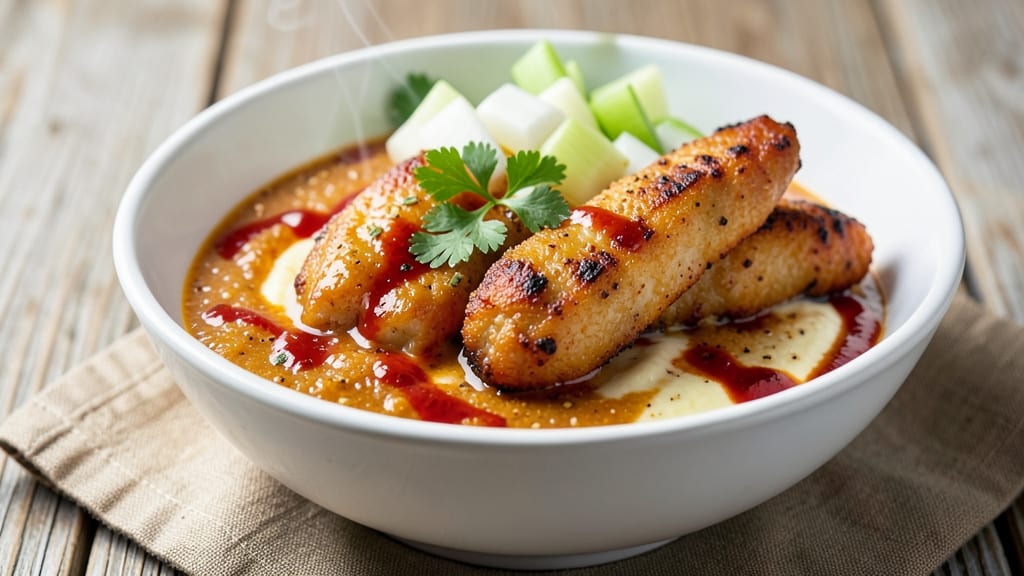
Applebee's boneless buffalo wings sauce delivers that signature velvet-smooth heat with a hidden vinegar kick that makes it impossible to stop dipping. 🔥 The secret lies in balancing hot sauce, melted butter, and a touch of vinegar to create a sauce that's tangy, creamy, and just spicy enough to leave your taste buds tingling.
This isn't your average buffalo sauce—it's the one that turns wings into an addictive experience.
The magic happens when you simmer the sauce just enough to emulsify the butter and hot sauce into a silky consistency, then finish with vinegar for that signature tang. Unlike many recipes, this version avoids clumping and delivers a smooth, restaurant-quality finish every time.
The key is patience—letting the sauce thicken gradually so it coats wings perfectly without being overly runny.
What you'll end up with is a sauce that's spicy, tangy, and slightly creamy, with a depth of flavor that makes it worth making from scratch.
It's the kind of sauce that transforms simple chicken into a craving-worthy dish, and it keeps well in the fridge for up to a week. Whether you're serving it with wings, chicken tenders, or even fries, this sauce will become your new go-to.
Ready to elevate your wings game? This recipe delivers Applebee's-level flavor without the restaurant price tag. Let's get started—your taste buds will thank you.
Ingredients for applebee's boneless buffalo wing sauce
Eight simple ingredients transform into Applebee's signature velvety-spicy sauce.
| Ingredient | Amount | Notes |
|---|---|---|
| Unsalted Butter 🧈 | ½ cup | Cold, cubed for even melting |
| Frank's RedHot Original Cayenne Pepper Sauce 🌶️ | ½ cup | Original recipe hot sauce |
| White Vinegar 💧 | ¼ cup | Distilled for tangy balance |
| Buttermilk 🥛 | ¼ cup | Full-fat for creaminess |
| Worcestershire Sauce 🍶 | 1 tbsp | For umami depth |
| Garlic Powder 🧄 | 1 tsp | Freshly ground preferred |
| Onion Powder 🧅 | 1 tsp | For subtle sweetness |
| Salt 🧂 | ½ tsp | Kosher or sea salt |
| Black Pepper 🌶️ | ¼ tsp | Freshly cracked |
The butter and hot sauce combo is non-negotiable for that signature velvety texture. Frank's RedHot is the gold standard here—it's got that perfect balance of heat and tang. Costco or Walmart usually have it in stock, but check the spice aisle if you're at a regular grocery store. The buttermilk adds creaminess without making it heavy, and it's worth grabbing the full-fat version (trust me on the full-fat version). If you don't have buttermilk, mix 1 tbsp lemon juice with 1/4 cup milk—it works in a pinch.
No Frank's RedHot? Crystal or Louisiana hot sauce will work, but you might need to adjust the heat level. The vinegar is crucial for that signature tang—distilled white vinegar is best, but apple cider vinegar adds a nice fruity note. Worcestershire sauce might sound fancy, but it's just adding that savory depth that makes the sauce sing. The garlic and onion powders are just for flavor, so don't stress if you're out—just skip them or use fresh garlic if you've got it. For extra tang, add a splash more vinegar at the end.
This sauce keeps beautifully in the fridge for up to a week if you store it in an airtight container. It thickens as it cools, so give it a quick stir before using. For leftovers, thin with a splash of water or milk if it gets too thick. I like to make a double batch—one for immediate use and one to freeze. Portion into ice cube trays, freeze, then transfer to a bag. Perfect for quick wing nights later!
Why You'll Love This Recipe
- Five-Ingredient Magic: The pantry staples you already own—Frank’s RedHot, buttermilk, even that half-stick of butter—come together in five minutes. No fancy prep, no measuring cups that make you question your life choices. Just melt, mix, and boom—tangy heat with that creamy tang you crave.
- Heat Meets Comfort: That first bite? The Frank’s sauce cuts through the richness of the butter, then the buttermilk smooths it out like a warm hug. It’s the kind of flavor that makes you reach for seconds without even thinking—especially when you’re dipping crispy wings or tossing it with pasta.
- Game for Any Gathering: Slather it on wings for game day, drizzle it over mashed potatoes for a lazy Sunday, or even stir it into deviled eggs for a brunch twist. I’ve used it for everything from appetizers to a quick weeknight dinner, and it never lets me down.
- Leftovers That Still Shine: The sauce actually tastes better the next day—more mellow, deeper, like it’s had time to marry all those flavors. Store it in the fridge for up to a week, and you’ve got a secret weapon for last-minute cravings or a quick flavor boost for takeout night.
Step-by-step instructions for Applebee's boneless buffalo wings sauce
Here's how to make that signature smooth, tangy sauce that's got just the right kick.
🍳 Step 1: Melt the Butter and Add Hot Sauce
Place a medium saucepan over medium-low heat and add the ½ cup unsalted butter, cubed. Let it melt completely, stirring occasionally until it's fully liquid and smooth. Once melted, reduce heat to low and add the ½ cup Frank's RedHot Original Cayenne Pepper Sauce. Stir constantly for 1-2 minutes until the sauce begins to simmer gently.
Here's the thing—you want the butter to melt slowly so it doesn't burn. The hot sauce will make the mixture bubble, so keep stirring to prevent scorching. This is where that signature tang starts developing, so don't rush this step. You'll know it's ready when the sauce looks like a thick, glossy mixture with no butter chunks remaining.
🍳 Step 2: Add Vinegar and Worcestershire
Pour in the ¼ cup white vinegar and 1 tablespoon Worcestershire Sauce, stirring constantly to combine. The vinegar will make the sauce bubble vigorously—this is normal. Let it simmer for 2-3 minutes until the mixture reduces slightly and the raw vinegar smell starts to mellow into something more complex.
This is where the sauce gets its signature tangy balance. The vinegar cuts through the richness of the butter while the Worcestershire adds that deep umami layer. You're looking for the sauce to thicken just a bit—it should coat the back of a spoon but still be pourable. If it gets too thick too soon, add 1 tablespoon water to loosen it up.
👨🍳 Step 3: Stir in Dry Seasonings
Remove the saucepan from heat and let it cool slightly for 1 minute. Then whisk in the 1 teaspoon garlic powder, 1 teaspoon onion powder, ½ teaspoon salt, and ¼ teaspoon black pepper. The spices will sink to the bottom, so stir vigorously to fully incorporate them into the sauce.
I like to let the sauce sit off heat for a minute before adding the spices—this prevents them from burning. The spices should dissolve completely, giving the sauce a subtle depth of flavor. Taste it now—you should get a balance of heat, tang, and savory notes. If it needs more heat, add a pinch more hot sauce. If it needs more tang, add a splash more vinegar.
🍳 Step 4: Finish with Buttermilk
Return the sauce to low heat and slowly whisk in the ¼ cup buttermilk. The buttermilk will cause the sauce to bubble and thicken—this is normal. Let it simmer for 2-3 minutes until it reaches a velvety consistency, coating the back of a spoon but still smooth and pourable.
The buttermilk is what gives this sauce its signature creaminess without making it heavy. You want it to be thick enough to cling to wings but still flow easily. If it gets too thick, add 1 tablespoon water to adjust the consistency. Once it reaches the perfect texture, remove it from heat immediately—overcooking can make it curdle.
⏰ Step 5: Rest and Serve
Let the sauce rest for 5 minutes at room temperature. This allows all the flavors to meld together perfectly. The sauce will thicken slightly as it cools, so don't worry if it looks a bit too thin right after you take it off the heat.
Stir it one last time before serving to ensure all the flavors are evenly distributed. This sauce is best served immediately on your boneless wings, but you can store any leftovers in an airtight container in the refrigerator for up to 3 days. When reheating, warm it gently over low heat and stir frequently to prevent separation. The result should be that signature Applebee's sauce—smooth, tangy, and just spicy enough to make your taste buds dance!
Pro Tips For Making Applebee'S Boneless Buffalo Wing Sauce
- Simmer the Butter Slow: Melt that unsalted butter over medium-low heat—no rushing, no splattering. I learned this the hard way after burning the first batch; the butter needs time to release its flavor without turning into a smoky mess. Once it’s fully melted, just let it sit for 30 seconds to cool slightly before adding the cayenne sauce—this keeps the sauce from curdling like a science experiment gone wrong.
- Balance the Vinegar: The white vinegar is the temperamental one here. Add it gradually while stirring constantly—think of it like introducing a shy guest to the party. Too much at once, and your sauce will taste harsh and raw. If it looks too thin after mixing, let it reduce for 2-3 minutes on low heat. Trust me, you’ll taste the difference between a tangy, balanced sauce and one that’s just sad.
- Strain the Buttermilk: Skip the buttermilk’s little solids if you’re feeling picky—unless you want grainy bits in your sauce. Strain it through a fine-mesh sieve or even a clean coffee filter before mixing. It’s a tiny step, but it guarantees a silky texture. (Yes, even if you’re impatient like me.)
- Worcestershire Last: Add the Worcestershire sauce after the vinegar and butter have simmered together for at least 2 minutes. This lets the heat mellow out some of the vinegar’s bite before the Worcestershire steps in to round everything out. Dump it in first, and you’ll end up with a sauce that tastes like it’s fighting itself—no one wants that.
Pro cooking tips for this dish
Heat Control Secrets
Keep your heat at medium-low when melting the butter—this prevents burning while allowing the hot sauce to integrate smoothly. I've seen many recipes rush this step, leading to a bitter, scorched flavor.
Use a medium saucepan (not stainless steel) for even heat distribution. Once the butter melts, reduce to low heat immediately to maintain control. 🌡️
Emulsification Tricks
The key to that velvety texture is proper emulsification. After adding the vinegar, stir constantly for 2-3 minutes until the mixture reduces slightly. If the sauce separates, whisk vigorously to recombine.
For extra insurance, add the buttermilk off-heat first, then return to low heat just until it thickens. This two-step process prevents curdling.
Vinegar Timing Matters
Add the white vinegar after the butter and hot sauce have simmered together. This allows the vinegar's tang to develop gradually rather than overwhelming the sauce. Let it bubble vigorously for 2-3 minutes—this reduces the harsh vinegar flavor while concentrating the tang.
If you add it too early, you'll get a sharp, unbalanced sauce.
Buttermilk Integration
Whisk the buttermilk in slowly over low heat to prevent curdling. The sauce will thicken immediately, so watch closely. For extra creaminess, I recommend using full-fat buttermilk—it creates a richer texture. If your sauce gets too thick, add 1 tablespoon water to loosen it while maintaining balance.
Resting for Flavor
Never skip the 5-minute rest before serving. This allows the flavors to meld completely and the sauce to thicken naturally. The buttermilk will continue to work its magic during this time, creating that signature velvety consistency.
I've found that resting also mellows any sharp vinegar notes, resulting in a more complex flavor profile.
Reheating Like a Pro
When reheating leftovers, warm the sauce over low heat and stir constantly to prevent separation. If it thickens too much, add 1-2 tablespoons water or milk to restore consistency. For best results, reheat only until warmed through—overheating can break the emulsion and make the sauce grainy. 💡
Nutrition facts
Frequently asked questions
Can I make this sauce without buttermilk?
Yes! Mix 1 tablespoon lemon juice with ¼ cup milk (any kind) as a substitute. The acidity mimics buttermilk's tang while the milk provides creaminess. For extra richness, use whole milk. Stir it in at the very end over low heat to prevent curdling.
How do I adjust the heat level?
For milder sauce, reduce hot sauce to ¼ cup and add 1 tablespoon honey at the end. For extra heat, increase hot sauce to ⅔ cup and add ½ teaspoon cayenne pepper. Always taste as you go—heat builds gradually during simmering.
Why did my sauce separate?
Separation usually happens from overheating or too much buttermilk. Fix it by whisking vigorously while warming over low heat for 2-3 minutes. If it's still grainy, strain through a fine-mesh sieve. To prevent this, always add buttermilk off-heat first, then return to low heat just until thickened.
Can I use this sauce on foods other than wings?
This versatile sauce works on chicken tenders, fries, deviled eggs, or even as a dipping sauce for veggies. For fries, reduce heat slightly by adding 1 extra tablespoon vinegar at the end. The tangy-spicy profile pairs well with anything fried or creamy.
How long will this sauce keep?
Store in an airtight container in the fridge for up to 7 days. For longer storage, freeze in ice cube trays (portion into 1-tablespoon cubes) then transfer to a bag. Thaw overnight in the fridge. When reheating, warm gently over low heat and stir constantly to maintain smoothness.