
Sauces & Condiments
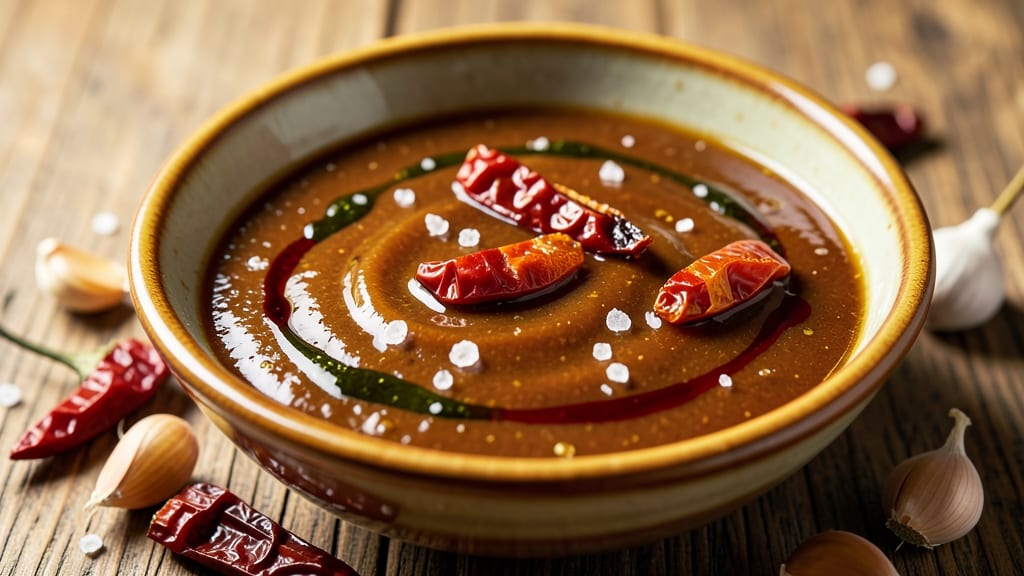
This Aleppo pepper sauce recipe transforms humble ingredients into a versatile condiment that bridges heat and complexity. The sauce begins with crushed Aleppo peppers—bright, fruity, and gradually warming—blended with olive oil, garlic, and a touch of vinegar for balance.
What sets it apart is the slow reduction process, which deepens the flavors into a silky, medium-bodied sauce perfect for drizzling or dipping.
The beauty of this sauce lies in its adaptability. Use it as a finishing touch for grilled meats, a zesty dressing for salads, or a marinade for vegetables. The recipe preserves the Aleppo pepper’s signature warmth while mellowing its intensity, making it approachable for all palates.
Storage is simple: keep it refrigerated for up to 2 weeks or extend its shelf life with proper canning techniques.
What you’ll achieve is a sauce that’s richer than store-bought hot sauces but lighter than traditional pepper pastes. The texture is velvety, with a slow-building heat that lingers without overwhelming. Unlike commercial versions, this sauce carries the nuanced flavor of fresh peppers—no artificial additives or excessive salt.
For best results, use high-quality olive oil and adjust the pepper-to-vinegar ratio to taste. The sauce pairs beautifully with roasted vegetables, flatbreads, or even as a bold addition to hummus. Once you make it, you’ll find endless ways to incorporate this fiery-sweet blend into your cooking.
Ingredients for aleppo pepper sauce
Eight ingredients. One fiery-sweet sauce. Game-changer for your condiment collection.
| Ingredient | Amount | Notes |
|---|---|---|
| Dried Aleppo Peppers 🌶️ | ½ cup | Crushed between palms, not powdered |
| Extra-Virgin Olive Oil 🫒 | 1 cup | High-quality, fruity variety |
| Garlic Cloves 🧄 | 4 cloves | Freshly minced, not pre-minced |
| Red Wine Vinegar 🍷 | ¼ cup | Balsamic works too |
| Granulated Garlic 🧄 | 1 tsp | For subtle depth |
| Diamond Crystal Kosher Salt 🧂 | ½ tsp | Adjust to taste |
| Honey 🍯 | 1 tbsp | Balances heat |
| Fresh Lemon Juice 🍋 | 1 tbsp | Brightens flavors |
| Smoked Paprika 🌶️ | ½ tsp | Adds complexity |
| Water 💧 | ¼ cup | For thinning if needed |
Aleppo peppers are the star—look for vibrant red, not dull or faded. Trader Joe's and Middle Eastern markets carry the best quality. If you can't find them, substitute crushed red pepper flakes, but you'll lose that fruity complexity. The olive oil matters too; California avocado or Italian extra-virgin brands work best. Fresh garlic is non-negotiable—pre-minced loses its punch. Store dried peppers in a cool, dark place for up to 6 months after opening.
No Aleppo peppers? Crushed red pepper flakes at half the amount work in a pinch, but the flavor won't be as nuanced. Swap red wine vinegar for apple cider vinegar or balsamic—just add a pinch more salt to balance. Honey can be replaced with maple syrup or agave, though it won't caramelize the same way. For extra depth, add 1/4 tsp ground cumin to the blend. The sauce thickens as it cools, so add water gradually if it's too stiff.
This sauce keeps for 2 weeks refrigerated in an airtight jar—just spoon it out as needed. For longer storage, sterilize jars and process in a water bath for 10 minutes (canning). Once opened, the sauce actually improves over time as flavors meld. I always make a double batch—one for immediate use, one to gift. Freezes beautifully for up to 6 months if you prefer. Label everything, though—this stuff disappears fast!
Why You'll Love This Recipe
- No Fuss, Big Payoff: I’ve made this sauce at least 10 times—just toast the peppers in the same oil you’ll use for the sauce, then blend. That’s it. No straining, no fancy tools, just a blender and a jar.
- Smoky-Sweet Magic: The Aleppo peppers bring that fruity, smoky heat, while the red wine vinegar cuts through the richness. Honestly, the first time I tasted it, I immediately reached for the bread.
- Pantry Powerhouse: This sauce works on everything—drizzled over roasted veggies, stirred into hummus, or tossed with pasta. Between us, I’ve even used it as a marinade. It’s the kind of thing that makes you feel like you’ve got a chef’s secret weapon.
- Lasts for Weeks: A single batch keeps in the fridge for two weeks, and if you jar it properly, it’ll last months. I make a big batch every few months, and it’s always the first thing I grab when I need flavor—no last-minute store runs.
Step-by-step instructions for Aleppo pepper sauce
Here's how to blend fiery heat with sweet brightness for a versatile sauce that elevates everything from grilled meats to fresh salads.
Toast and Crush the Aleppo Peppers
Heat a dry skillet over medium heat and add the 0.5 cup dried Aleppo peppers. Toast them for 1-2 minutes until they darken slightly and release their aromatic oils—you'll smell that distinctive smoky-sweet pepper scent. This step deepens their flavor without burning them.
Remove the peppers from heat immediately and transfer them to a clean cutting board. Using the flat of your palm, crush them between your hands until you have a coarse, uneven powder. Avoid grinding them into a fine powder—you want visible flecks for texture and gradual heat release. The crushed peppers should look like coarse grains with some whole pieces remaining.
Bloom the Garlic and Spices in Olive Oil
In a heavy saucepan, combine the 1 cup extra-virgin olive oil, 4 minced garlic cloves, 1 tsp granulated garlic, and 0.5 tsp smoked paprika. Warm over low heat for 3-4 minutes until the garlic becomes fragrant but doesn't brown—you're looking for a gentle aroma, not a crispy texture.
This low-and-slow approach prevents the garlic from burning, which would create bitter flavors. The olive oil should shimmer slightly but not smoke. If it starts to bubble vigorously, reduce the heat immediately. The spices will dissolve into the oil, creating the aromatic base for your sauce.
Simmer the Vinegar and Sweetener
Increase heat to medium-low and add the 0.25 cup red wine vinegar and 1 tbsp honey. Stir constantly for 5-6 minutes until the mixture reduces by about half and becomes syrupy. You'll notice the vinegar's sharpness mellows as it cooks down, while the honey adds a subtle sweetness that balances the peppers' heat.
Watch for the mixture to thicken slightly—it should coat the back of a spoon when you lift it. If it reduces too quickly, reduce the heat further. This step transforms the vinegar's acidity into a mellow tang that complements the peppers' complexity. The honey also helps prevent the sauce from becoming too harsh.
Combine and Blend to Perfection
Remove the pan from heat and let it cool for 2-3 minutes. Stir in the crushed Aleppo peppers, 0.5 tsp kosher salt, and 1 tbsp fresh lemon juice. The lemon juice brightens the sauce and cuts through the richness of the olive oil. Let the mixture sit for 10 minutes to allow the flavors to meld.
Transfer everything to a blender or food processor and blend until smooth. For a slightly textured sauce, blend for 15-20 seconds—you'll want visible pepper flecks. If the sauce is too thick, add the 0.25 cup water one tablespoon at a time until it reaches a pourable consistency. Taste and adjust the salt or honey as needed.
Rest and Adjust for Maximum Flavor
Let the sauce rest at room temperature for at least 30 minutes before using. This resting period allows the flavors to fully develop and the heat to mellow slightly. The sauce will thicken as it cools, so you may need to thin it with a splash of water or vinegar if needed.
Strain the sauce through a fine-mesh sieve if you prefer a completely smooth texture, or leave it slightly textured for added depth. Store in an airtight container in the refrigerator for up to 2 weeks. This sauce shines drizzled over grilled vegetables, tossed with pasta, or used as a bold dip for crusty bread.
Pro Tips For Making Aleppo Pepper Sauce
- TOAST THE PEPPERS FIRST: I learned this the hard way—skipping the toasting step means your sauce will taste raw and bitter. Dry-toast the Aleppo peppers in a skillet over medium heat for 30 seconds per side until fragrant, then crush them while still warm. This unlocks their depth and prevents that harsh, underripe flavor.
- USE GRANULATED GARLIC SPARINGLY: Fresh garlic cloves burn easily in oil, turning bitter and ruining the sauce. For a foolproof base, toast 1-2 whole cloves until golden, then finely mince them. If you’re in a rush, start with ½ teaspoon granulated garlic (it’s milder) and adjust to taste—you can always add more, but you can’t fix overpowering raw garlic.
- SIMMER THE OIL LOW AND SLOW: After blooming the peppers and garlic, reduce the heat to the lowest setting and let the oil infuse for at least 10 minutes. I know, I know—you’re eager to add vinegar and call it done. But rushing this step means the flavors won’t meld, and your sauce will taste like a sad, one-dimensional dressing instead of a rich, layered condiment.
- STRAIN FOR SMOOTHNESS (OR DON’T): If you hate texture, strain the sauce through a fine-mesh sieve before adding vinegar. If you’re okay with a rustic bite, leave the crushed peppers and garlic in—it adds complexity. Either way, pulse the strained (or unstrained) sauce in a blender for 10 seconds to emulsify it properly. This isn’t the prettiest method, but it’s the tastiest.
Creative variations of this aleppo pepper sauce
Sweet & Smoky Twist
Add 1 tbsp maple syrup and ½ tsp ground cumin to the crushed peppers before blending for a deeper, caramelized flavor profile. The cumin adds earthy warmth that pairs beautifully with the Aleppo's fruity heat. I love this version drizzled over roasted sweet potatoes or grilled chicken thighs. 🌶️
Herb-Infused Brightness
Blend in 1 tbsp fresh oregano and 1 tbsp chopped parsley after blending the base sauce. The herbs brighten the sauce and add freshness that cuts through rich dishes. This variation works perfectly as a marinade for lamb or as a finishing sauce for grilled vegetables.
Store the herbs separately and mix them in just before serving to preserve their freshness.
Spicy Honey Glaze
Reduce the honey to 2 tbsp and add 1 tsp ground coriander to create a thicker, glaze-like sauce. This version is ideal for drizzling over grilled meats or using as a dip for flatbreads.
The coriander adds a citrusy note that balances the heat beautifully. It also makes a fantastic topping for tacos or bowls with roasted vegetables.
Citrus-Kissed Heat
Increase the lemon juice to 2 tbsp and add 1 tsp grated orange zest for a zesty, citrus-forward sauce. This variation is perfect for seafood dishes, salads, or as a marinade for shrimp.
The orange zest adds a bright, floral note that complements the Aleppo's warmth. Store the zest separately and mix it in just before using to keep the sauce vibrant.
Smoky Chipotle Fusion
Add 1 tsp adobo sauce from canned chipotle peppers and ½ tsp ground cinnamon for a smoky, slightly sweet fusion. This version is ideal for drizzling over tacos, grilled corn, or even as a glaze for roasted vegetables.
The chipotle adds a deep, smoky dimension that pairs wonderfully with the Aleppo's fruity heat. Adjust the adobo amount based on your heat preference.
Garlic-Forward Intensity
Double the garlic to 6 cloves and add ½ tsp black pepper for a bold, garlic-forward sauce. This variation is perfect for dipping crusty bread or tossing with pasta. The extra garlic and black pepper create a punchy, aromatic sauce that stands up to hearty dishes.
Let it rest for an extra 15 minutes to allow the garlic flavors to fully develop before blending.
Nutrition facts
Frequently asked questions
Can I use Aleppo pepper flakes instead of whole dried peppers?
Yes, but the texture will be different. Whole crushed peppers give a gradual, layered heat with visible flecks. For flakes, use 1/4 cup (half the amount) and blend longer to create a similar consistency. The flavor will be slightly less complex since you lose the pepper's natural oils from toasting whole.
How do I adjust the heat level if my Aleppo peppers are mild?
Start with 1/4 cup crushed peppers and taste before blending. For more heat, add 1/2 tsp cayenne powder or 1/4 tsp crushed red pepper flakes to the saucepan with the vinegar. For a sweeter, less spicy version, increase honey to 2 tbsp and reduce peppers to 1/3 cup.
What's the best way to use this sauce on seafood?
Drizzle it lightly over grilled or baked seafood just before serving—it pairs perfectly with shrimp, salmon, or cod. For extra brightness, mix 1 tbsp of the sauce with 2 tbsp olive oil and a pinch of salt to create a marinade for 15-20 minutes before cooking.
Can I make this sauce without a blender?
After combining all ingredients, use a immersion blender or process in batches with a food mill. For a rustic version, leave the peppers slightly chunky by stirring them into the warm oil and vinegar mixture, then letting it steep for 2 hours before straining. The texture will be thicker but still flavorful.
How do I prevent the sauce from separating when stored?
Always store it in an airtight glass jar and let it cool completely before sealing. If separation occurs, simply stir vigorously before using. For extra insurance, add 1/2 tsp xanthan gum when blending (it thickens naturally as it cools). The sauce actually improves with age—flavors meld beautifully after 3-5 days in the fridge.