
Sauces & Condiments
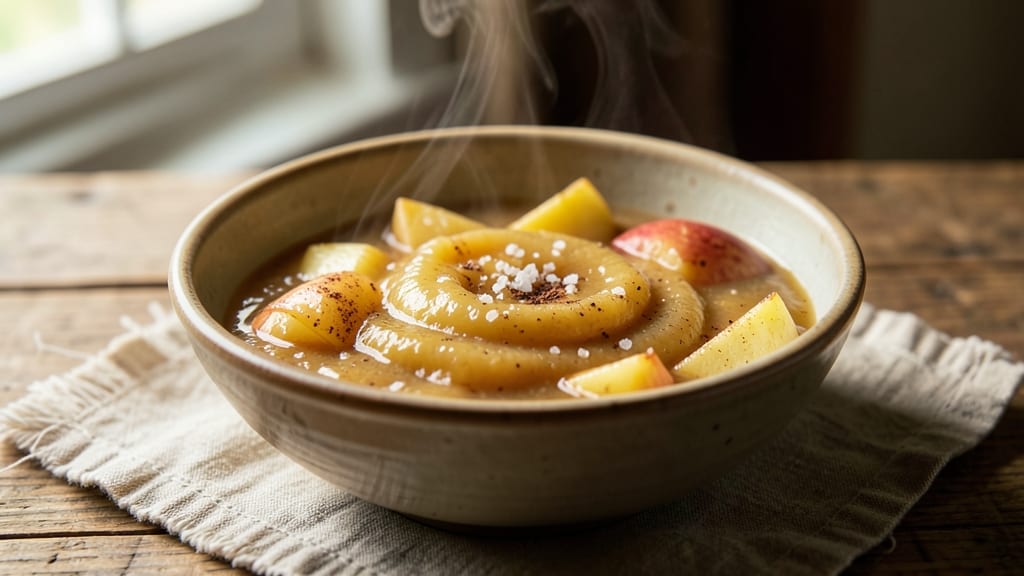
This apple sauce recipe with peel transforms whole apples into velvety, spiced perfection without waste—just one pot and 30 minutes. Nana Mae always said the peel adds depth, and she was right: it brings subtle bitterness that balances sweetness beautifully.
The cinnamon and lemon brighten the natural apple flavors while keeping it simple enough for weeknight meals.
What makes this sauce special is its versatility—whether you prefer it smooth or lightly textured, the peel-included method delivers restaurant-quality results with minimal effort. No peeling means no mess, and the spices infuse perfectly during the simmer.
The key is controlling the heat to avoid burning while letting the flavors meld just right.
By the end, you’ll have a golden-brown, aromatic sauce that’s ideal for drizzling over pancakes, mixing into oatmeal, or pairing with roasted meats. The peel’s natural pectin helps thicken it naturally, so you won’t need extra starches.
Plus, it stores beautifully in the fridge for up to a week or freezes for months.
This is the kind of recipe that makes cooking feel purposeful—no scraps wasted, no shortcuts that compromise flavor. Let’s make it together.
Ingredients for apple sauce recipe with peel
Eight simple ingredients transform whole apples with peel into velvety, restaurant-quality sauce.
| Ingredient | Amount | Notes |
|---|---|---|
| Apples (Granny Smith or Honeycrisp) 🍎 | 4 whole | Unpeeled, cored, cut into quarters |
| Granulated Sugar 🍚 | ½ cup | Adjust for tartness preference |
| Cinnamon Sticks 🍃 | 2 whole | Or 1 tsp ground cinnamon |
| Lemon Juice 🍋 | 2 tbsp | Freshly squeezed for brightness |
| Vanilla Extract 🥛 | 1 tsp | Pure vanilla for authentic flavor |
| Ground Cinnamon 🌶️ | ½ tsp | Optional for extra warmth |
| Sea Salt 🧂 | ¼ tsp | Diamond Crystal preferred |
| Water 💧 | ¼ cup | For thinning if needed |
The apples are the foundation—Granny Smith adds tartness while Honeycrisp brings sweetness. Purchase organic if possible to avoid waxed peels, or thoroughly wash conventional apples. Local farmers markets often carry perfect specimens with vibrant color and firm texture. For best results, use apples at peak ripeness—just firm enough to hold shape when cut. The peel's natural pectin creates that perfect thickening without added starches, which Nana Mae always emphasized for authentic texture.
No cinnamon sticks? Ground cinnamon works at half the quantity, but sticks infuse deeper flavor. Fresh lemon juice is ideal, but bottled works in a pinch—just add a pinch of sugar to balance. Want more depth? Add a pinch of nutmeg or cardamom. For sugar alternatives, maple syrup or agave can replace granulated at a 1:1 ratio, though texture may vary slightly. The vanilla extract enhances the apple's natural sweetness—don't skip it, even if you're using sweet apple varieties. If your sauce thickens too much, the reserved water thins it beautifully.
Store in an airtight container in the fridge for up to 1 week, or freeze for 6 months in ice cube trays for perfect single servings. The sauce actually improves overnight as flavors meld. For best results, bring to room temperature before serving to highlight the spiced aroma. This sauce's versatility makes it a pantry staple—drizzle over pancakes, stir into oatmeal, or pair with roasted pork. The peel-included method ensures no waste, just pure, flavorful apple goodness.
Why You'll Love This Recipe
- No Peel Waste: That peely goodness? It’s not trash—it’s flavor. Granny Smiths hold their shape better than you’d think, and keeping the skins adds a subtle tart bite that balances the sweetness. (Yes, even my picky kid eats it this way.)
- One-Pot Magic: Simmer apples, cinnamon sticks, and a splash of lemon juice—no blender, no strainer drama. Just a pot, a spoon, and 20 minutes. Honestly, I’ve made this while scrolling through emails. The sugar caramelizes right in the pan, so you’re not left with sticky messes.
- Sweet & Tangy Twist: That lemon juice isn’t just for brightness—it cuts through the sugar’s cloying edge while the vanilla extract adds depth. The cinnamon sticks infuse warmth without overpowering, and the peel keeps it from tasting like dessert-only mush. (Between us, it’s my go-to for savory dishes too.)
- Leftovers That Last: This sauce doesn’t just survive the fridge—it improves. The flavors meld overnight, making it perfect for quick breakfasts or last-minute dinner sides. Plus, it freezes beautifully, so I batch it when apples are cheap and pull it out all winter. No sad, watery leftovers here.
Step-by-step instructions for apple sauce with peel
Transform whole apples into velvety sauce with intact peels for maximum nutrition and rustic texture.
Prepare the Apples for Cooking
Start by washing the 4 whole apples thoroughly under cold water to remove any dirt or wax residue. Using a sharp chef's knife, carefully cut each apple into quarters from stem to base, leaving the peels intact. Remove the cores by slicing out the central seed area in one clean motion—this preserves the fruit's natural structure and flavor.
Place the quartered apples in a large, heavy-bottomed pot with their peels facing outward. The peels will soften during cooking while retaining their subtle bitterness, which balances the sweetness. Arrange them cut-side down to create a stable base for even cooking. This preparation ensures maximum yield without waste.
Add Aromatics and Sweeteners
Add the 2 whole cinnamon sticks to the pot along with the 0.5 cup granulated sugar. Stir gently to distribute the sugar evenly over the apple quarters. The cinnamon will infuse the sauce with warm, woody notes while the sugar begins to caramelize on the apple surfaces, creating depth of flavor.
Pour in the 0.25 cup water and bring the mixture to a boil over medium-high heat. Once boiling, reduce the heat to medium-low and let it simmer uncovered. You'll notice the apples release juices and begin to soften after about 10 minutes. The sugar will dissolve completely, creating a light syrup that coats the fruit.
Simmer Until Apples Break Down
Continue simmering for 20-25 minutes, stirring occasionally to prevent sticking. You'll know the apples are ready when a wooden spoon slides through them easily and the mixture begins to thicken naturally. The peels should soften but remain intact, contributing to the sauce's rustic texture.
If the mixture appears too thick before the apples are fully tender, add 1-2 tablespoons of water at a time until you reach a smooth, spoonable consistency. The sauce should coat the back of a spoon but still be thick enough to cling to apples or toast. This stage is critical for achieving the perfect balance between texture and flavor.
Finish with Acid and Seasonings
Remove the pot from heat and stir in the 2 tablespoons lemon juice, 1 teaspoon vanilla extract, 0.5 teaspoon ground cinnamon, and 0.25 teaspoon sea salt. The acidity brightens the apples' natural sweetness while the vanilla adds complexity. The additional cinnamon and salt enhance the warm spices' depth.
Let the sauce rest for 5 minutes to allow the flavors to meld completely. For a smoother texture, use an immersion blender to purée the mixture directly in the pot. If you prefer a chunkier consistency, simply mash the apples with a potato masher while leaving some texture intact. The peels will contribute subtle bitterness and visual appeal.
Adjust Consistency and Serve
Taste the sauce and adjust the sweetness by adding more sugar if needed, or balance the tartness with an additional splash of lemon juice. The sauce should be sweet enough to complement desserts but not overpower the apples' natural flavor. For a glossy finish, return the pot to low heat and simmer for 2-3 minutes to thicken slightly.
Serve the apple sauce warm with roasted pork, over vanilla ice cream, or alongside fresh cheese. It keeps well in the refrigerator for up to 5 days, making it perfect for meal prep. The intact peels not only preserve nutrients but also create a visually appealing contrast that elevates any dish it accompanies.
Pro Tips For Making Apple Sauce Recipe With Peel
- PEEL FIRST, CORE LAST: Slice the apples into even ¼-inch chunks and peel them before coring—it’s faster and keeps the knife steady. I used to core first, then peel, and ended up with uneven pieces that cooked at different speeds (yes, it’s a nightmare when you’re trying to blend a smooth sauce).
- STARVE THE POT: Use a heavy-bottomed pot and cook the apples on medium-high heat until they’re actually bubbling before adding liquid. I learned this the hard way—adding water or broth too soon just steams the apples instead of caramelizing them, and your sauce will taste flat.
- LEMON JUICE NOW: Add the lemon juice with the sugar at the start, not at the end. The acid helps break down the apples’ pectin faster, giving you a smoother texture without overcooking. I skipped this once and ended up with a gummy mess—don’t make my mistake.
- CINNAMON STICKS IN, OUT LATE: Drop the cinnamon sticks in with the apples but remove them after the sauce thickens, not when you first taste it. If you pull them out too early, the sauce won’t infuse enough; leave them in too long, and you’ll get bitter, woody flavors. Aim for 15–20 minutes max.
Troubleshooting this recipe
Peels Too Bitter?
If the peel's natural bitterness overpowers the sweetness, reduce the simmering time to 15-20 minutes instead of 25. Also, try using Honeycrisp apples—their sweeter flesh balances the peel's flavor better than tart varieties.
For an extra touch, add 1 extra tablespoon of sugar during the final simmer to counteract any harshness. 🍎
Sauce Too Thin?
If your sauce isn't thickening enough, let it simmer uncovered for an extra 5-10 minutes to evaporate excess liquid. For immediate results, mix 1 tablespoon of cornstarch with 1 tablespoon cold water, then stir it into the sauce while simmering for 2 minutes.
The peel's natural pectin should help, but this trick ensures a perfect consistency. ⏱️
Burnt Apples?
Prevent burning by using a heavy-bottomed pot (like a Le Creuset Dutch oven) and keeping the heat at medium-low after the initial boil. Stir every 3-5 minutes to ensure even cooking. If you notice brown spots, add 1 tablespoon of water to deglaze and prevent sticking. 🔥
Uneven Texture?
For a smoother texture, use an immersion blender after simmering. If you prefer chunks, mash the apples with a potato masher while leaving some peel and fruit intact. If the sauce separates, whisk in 1 tablespoon of apple cider vinegar to help bind it back together. 💫
Storage Issues?
If your sauce develops a skin or mold after refrigerating, it likely sat too long uncovered. Store it in an airtight glass container with ½ inch headspace to prevent oxidation.
For freezing, portion into ice cube trays—this makes it easy to thaw only what you need. The sauce keeps for 6 months in the freezer without losing quality. ❄️
Lemon Too Strong?
If the lemon juice overpowers the apple flavor, reduce it to 1 tablespoon instead of 2. Alternatively, balance it with ½ teaspoon of honey or 1 extra cinnamon stick during simmering. Taste as you go—adjust gradually to avoid overcorrecting. 🍋
Nutrition facts
Frequently asked questions
Why keep the apple peels in the sauce?
The peels add subtle bitterness that balances sweetness beautifully while contributing natural pectin for thickening—no added starch needed! They also preserve nutrients like fiber and antioxidants. Nana Mae swore by it for that "old-school diner" depth of flavor.
Can I use any apples for this recipe?
No—stick to firm, tart varieties like Granny Smith or sweet-tart Honeycrisp. Avoid mushy apples (like Red Delicious) as they won't hold shape during cooking. Organic apples work best to avoid waxed peels.
How do I adjust the sweetness if my apples are too tart?
Add 1 extra tablespoon of sugar during the final simmer, or balance with ½ teaspoon of honey. For a natural approach, simmer longer (30 minutes) to concentrate flavors. Always taste as you go!
Can I make this sauce in a slow cooker?
Use low heat for 4-5 hours instead of stovetop simmering. The slow cooker's gentle heat preserves the peel's texture and enhances flavors. Just add ¼ cup water to prevent sticking.
Will the sauce be too thick if I don't blend it?
Not at all—the peel's natural pectin thickens it beautifully! For chunkier texture, mash with a potato masher. If too thick, add 1 tablespoon water at a time. The sauce should coat a spoon but still be spoonable.