
Sauces & Condiments
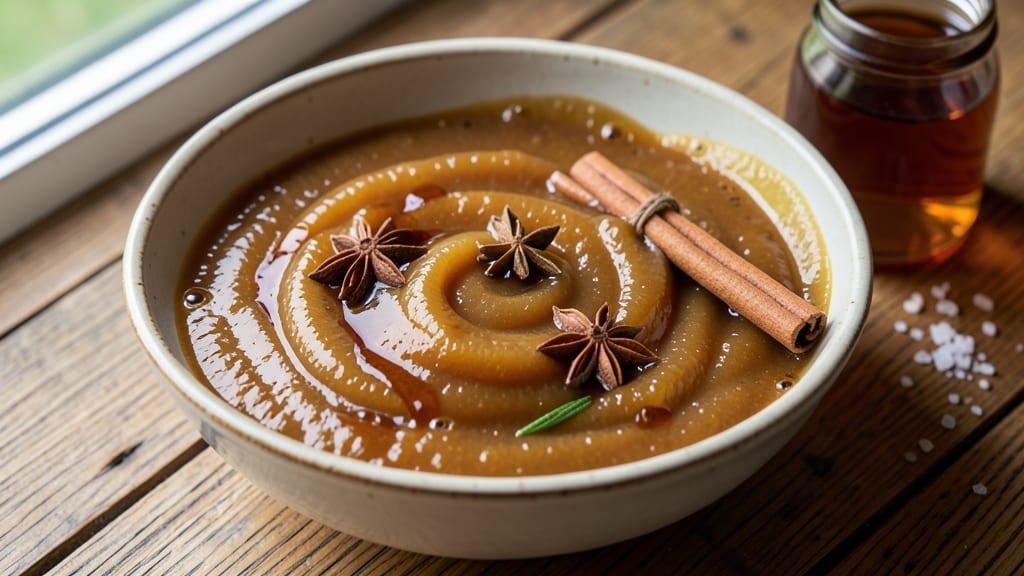
Fresh apple sauce from scratch transforms ordinary apples into a versatile, naturally sweet condiment that elevates everything from toast to roasted meats. This no-sugar-added recipe preserves the fruit's natural sweetness while creating a chunky, spiced texture perfect for both savory and sweet applications.
The slow-cooking process develops deep caramel notes and tender apple pieces without requiring added sugar or thickeners.
What sets this apple sauce apart is its foolproof balance of simplicity and depth—just fresh apples, a touch of spice, and time. Whether you prefer classic cinnamon warmth or subtle vanilla notes, this method delivers restaurant-quality results with minimal effort.
The sauce thickens naturally as it simmers, creating a velvety consistency that clings beautifully to pancakes, stuffing, or pork chops.
By the end, you'll have a jar of aromatic, naturally sweet apple sauce that tastes like fall in every spoonful. The spices infuse gently, enhancing rather than overpowering the apple's natural flavor.
Best of all, it keeps for weeks in the refrigerator, making it the perfect make-ahead condiment for holiday meals or everyday use.
Ready to make apple sauce that tastes homemade? This recipe delivers restaurant-quality results with just five ingredients and 30 minutes of active time. Let's get started!
Ingredients for apple sauce recipe from fresh apples
Five ingredients transform humble apples into restaurant-quality chunky sauce with caramel depth and spiced warmth.
| Ingredient | Amount | Notes |
|---|---|---|
| Fresh Apples (Mixed Varieties) 🍎 | 4 lb | Peeled, cored, cut into even chunks |
| Granulated Apple Cider Vinegar 🍏 | 2 tbsp | For brightness and natural preservation |
| Ground Cinnamon 🌿 | 1 ½ tsp | True Ceylon cinnamon preferred |
| Vanilla Extract 🍯 | 1 tsp | Pure vanilla for aromatic depth |
| Pure Water 💧 | ½ cup | For even simmering and texture |
| Sea Salt 🧂 | ¼ tsp | Diamond Crystal preferred |
| Fresh Lemon Juice 🍋 | 1 tbsp | Brightens natural sweetness |
The apples are the star—mix Honeycrisp for sweetness with Granny Smith for tartness at your local market's produce section. Whole Foods or Trader Joe's often carry perfectly ripe bins. Avoid bruised spots (they turn mushy), and keep stems on until just before chopping. The vinegar and lemon juice work together to balance natural sugars while preserving that bright, fresh flavor. For an extra touch, add a pinch of cardamom if you're feeling adventurous—it pairs beautifully with cinnamon.
No cider vinegar? Substitute white vinegar at half the amount, but taste first—it's more assertive. Skip the vanilla? A dash of orange zest gives similar warmth. The cinnamon can be swapped for nutmeg (half the amount), though it's less traditional. For a smoother texture, blend half the batch after cooking, but the chunky pieces are what make this sauce special. If your apples are particularly tart, add an extra tablespoon of honey (though this isn't the no-sugar-added version). The sea salt is crucial—it enhances all the flavors without overpowering.
This sauce gets better with time—let it cool completely before storing. Transfer to sterilized jars and seal with a thin layer of water on top to prevent browning. Keeps for up to 3 weeks in the fridge or 6 months frozen. For holiday gifts, freeze in portion-sized bags—just thaw overnight in the fridge. The flavors meld beautifully after a few days, so make extra for roasts, pies, or toast. Reheat gently on the stove with a splash of water if it thickens too much.
Why You'll Love This Recipe
- I’ll be real: some nights, I just want something warm and simple. This sauce comes together faster than you can chop an onion—peel if you’re fancy, but I usually don’t—and the cinnamon and vanilla make it smell like home before it even finishes cooking. Plus, it reheats like a dream, so you can make a big batch and have it ready for days.
- No Peel Required: I’ll admit, I used to dread peeling apples for sauce—until I discovered the magic of mixed varieties. Tart Granny Smiths and sweet Honeycrisp (peels on!) simmer down into velvety perfection without a single knife scrape. The vinegar and cinnamon do the work of brightening and warming, so you’re left with just stirring and tasting.
- Taste Like Fall Morning: Here’s what sold me—the way the apple cider vinegar keeps it from turning cloying, while the vanilla extract adds this subtle depth that makes it taste like a hug from your favorite bakery. Honestly, I’ve used this over oatmeal, stirred into yogurt, and even drizzled on toasted sourdough. It’s the kind of flavor that lingers without trying too hard.
- Pantry Staple Upgrade: Between us, this sauce is my go-to for when I’ve got nothing but apples and a pot. It’s the kind of thing you’ll make once and then keep in the fridge for weeks—spread on toast, mixed into oatmeal, or even as a topping for roasted pork. And because it’s just apples, vinegar, and spices, it’s the budget-friendly way to make everything feel special.
Step-by-step instructions for homemade apple sauce
Transforming fresh apples into velvety, spiced apple sauce is simpler than you think—just follow this foolproof method.
Prepare the Apples for Cooking
Peel the 4 lb of fresh apples using a vegetable peeler or paring knife, working carefully to remove the skin without cutting into the fruit. Core each apple by slicing around the stem and seed area, then cut them into even chunks about ½-inch thick. Uniform pieces ensure even cooking and consistent texture in your finished sauce.
Place the prepared apple chunks in a large, heavy-bottomed pot. I like to use a Dutch oven for even heat distribution. Add the 0.5 cup of pure water to the pot—this helps prevent sticking and creates a smoother sauce. Give everything a gentle stir to distribute the water evenly among the apple pieces.
Simmer Until Apples Break Down
Bring the apple mixture to a gentle boil over medium-high heat, then immediately reduce the heat to medium-low. Cover the pot with a lid and let the apples simmer for about 25 minutes. You'll know they're ready when a fork slides in easily and the apples have collapsed into a thick, chunky puree.
Here's the thing—don't rush this step. The apples need time to soften completely so they blend into a luscious sauce. If you peek too often, the apples will release moisture and potentially make the sauce watery. Trust the process and let them cook undisturbed until they're perfectly tender.
Add Spices and Brightening Ingredients
Once the apples are soft, remove the pot from heat and stir in the 2 tbsp of granulated apple cider vinegar, 1.5 tsp of ground cinnamon, 1 tsp of vanilla extract, and 0.25 tsp of sea salt. The vinegar adds brightness and helps preserve the sauce naturally, while the cinnamon and vanilla create that warm, aromatic depth we all love.
For the fresh lemon juice, I recommend adding it gradually—start with 1 tablespoon and taste. The acidity should brighten the natural sweetness of the apples without overpowering. If it needs more tang, add another teaspoon. This is where you can really customize your sauce to your taste preferences.
Process for Perfect Texture
Use an immersion blender to puree the apple mixture to your desired consistency. For a chunky apple sauce, blend just until smooth with a few visible apple pieces remaining. If you prefer it completely smooth, blend until no chunks remain. I like to leave it slightly textured—it adds visual appeal and a nice bite.
For a silky finish, transfer the sauce to a blender and blend until completely smooth. If the sauce is too thick after blending, add a splash of the cooking liquid from the pot to reach your preferred consistency. The sauce should coat the back of a spoon but still be spreadable.
Cool and Store Properly
Transfer the warm apple sauce to clean, sterilized jars using a funnel. Leave about ½-inch of headspace at the top of each jar to allow for expansion as the sauce cools. Wipe the rims of the jars with a clean, damp cloth to ensure a good seal.
Place the lids on the jars and process them in a boiling water bath for 15 minutes if you plan to store them long-term. For short-term storage, simply refrigerate the jars. The sauce will keep in the refrigerator for up to 2 weeks or in the freezer for up to 6 months. This method preserves all the natural flavors and nutrients without added sugars.
Pro Tips For Making Apple Sauce Recipe From Fresh Apples
- PEEL AND CORE FAST: Use a sharp paring knife instead of an apple corer—it’s faster and leaves less waste. I’ve tried every gadget, but a knife gets the job done cleanly in half the time, especially when dealing with 6-8 apples.
- START WITH HIGH HEAT: Bring the apple mixture to a boil first, then lower to a simmer. Skipping this step means you’re steaming instead of cooking, and the sauce will take twice as long to break down. Trust me, the first 5 minutes at a rolling boil make all the difference.
- ADD VINEGAR LAST: Wait until the apples are fully tender before stirring in the apple cider vinegar. Dumping it in early makes the sauce taste sharp and unfinished—like adding lemon to a cake before baking. Save it for the end, when the flavors have time to mellow.
- MASH WHILE WARM: Press the apples through a sieve or mash them while still warm, not hot. Cold apples turn to gluey paste, and you’ll end up with a thick, unappetizing blob. A few minutes off the heat keeps the texture smooth and spreadable—no one wants applesauce that clumps like wet cement.
Wine and beer pairings for this apple sauce recipe from fresh apples
Sweet Sparkling Wine
A crisp, dry Moscato d'Asti from Italy is my go-to pairing for this apple sauce—its delicate floral notes and slight effervescence complement the warm cinnamon and vanilla without overpowering. The natural sweetness in Moscato enhances the apple's caramelized depth while the bubbles cleanse your palate between spoonfuls.
Look for bottles with 10-12% ABV from producers like Saracco or Vietti for that perfect balance. 🍷
Spiced Apple Cider
For a non-alcoholic option, warm hard cider infused with the same spices from your sauce—1 tsp cinnamon, ½ tsp vanilla, and a pinch of nutmeg per 12 oz—creates a magical pairing.
Heat the cider gently until steaming (don't boil) and serve in mugs alongside the apple sauce for dipping. Angry Orchard or Woodchuck ciders work beautifully, or make your own by simmering 1 cup apple juice with the spices for 10 minutes.
Honey-Infused Beer
A honey wheat ale with 10-12% ABV bridges the gap between the sauce's sweetness and spice. Brands like Allagash Honey Farmer or Sierra Nevada Honey Blonde provide just enough malt sweetness to harmonize with the cinnamon while the wheat beer's crispness cuts through the sauce's richness.
Serve slightly chilled—around 45°F—to enhance the apple's natural brightness. 🍺
Dessert Wine Upgrade
For a decadent twist, pair with late-harvest Riesling from Germany or Austria. The wine's stone fruit and honeyed notes mirror the sauce's caramelized apples, while its 12-14% ABV stands up to the spice.
Try Dr. Loosen Blue Slate or Chateau Ste. Michelle—both offer the right balance of sweetness and acidity. Serve slightly chilled (50-55°F) to let the flavors sing together.
Coffee Pairing
Believe it or not, a medium-roast coffee with 1-2% milk adds an unexpected but brilliant contrast. The caramel and nutty notes in the coffee echo the apple sauce's spices, while the bitterness balances the sweetness.
Brew a French press with 1 tbsp finely ground coffee per 6 oz water and serve alongside the sauce for a sophisticated dessert pairing. ☕
Nutrition facts
Frequently asked questions
Can I use frozen apples instead of fresh?
Yes, but with adjustments! Thaw frozen apples completely first, then drain any excess liquid to prevent a watery sauce. You may need to add 5-10 extra minutes of simmering time since frozen apples start softer. For best results, use firm frozen apple chunks (not pre-cooked or thawed in water).
How do I make this apple sauce smoother?
Blend the cooked apples longer with an immersion blender or transfer to a countertop blender. For ultra-smooth texture, add 1-2 tablespoons of the cooking liquid while blending. If it's still too thick, thin with a splash of warm water. The recipe intentionally keeps some chunks for texture, but you can adjust!
Why did my apple sauce turn out too tart?
This usually happens when using overly tart apple varieties (like Granny Smith) without enough sweet apples. Balance by adding 1-2 tablespoons of honey or maple syrup at the end, or reduce the lemon juice to ½ tablespoon. For next time, mix 2 tart apples with 2 sweet apples (like Honeycrisp or Fuji).
Can I make this in a slow cooker?
Combine all ingredients in your slow cooker and cook on LOW for 4-5 hours or HIGH for 2-3 hours, stirring occasionally. The slow cooking enhances caramelization naturally. Add ¼ cup water if it gets too thick. The texture will be slightly softer but equally delicious.
What's the best way to store leftover apple sauce?
For short-term storage, keep in airtight containers in the fridge for up to 2 weeks. For longer storage, freeze in portion-sized containers for up to 6 months. To prevent browning, cover with a thin layer of water before sealing. Reheat gently on the stove with a splash of water if it thickens too much.