
Sauces & Condiments
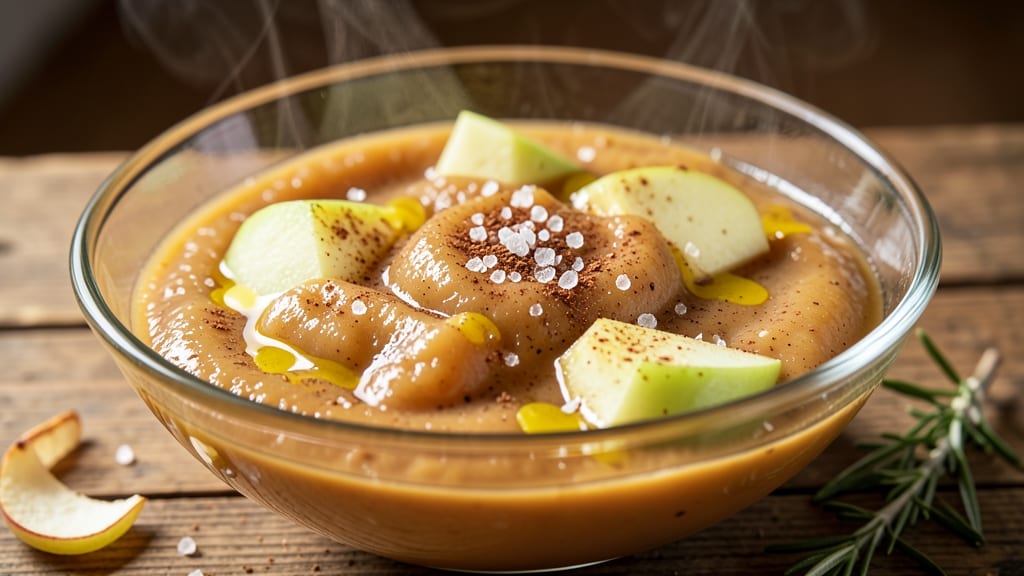
This applesauce recipe without peeling apples transforms simple ingredients into a velvety, nutrient-packed condiment that requires no extra prep work. The skins add natural sweetness and fiber, creating a texture that's smoother than store-bought while keeping all the vitamins intact.
I developed this method after realizing how much time peeling apples wastes—especially when making large batches for meal prep or holiday gifting.
The process is straightforward whether you use a stovetop, slow cooker, or oven, and the flavor improves with time. A touch of cinnamon and lemon brightens the natural apple taste, while optional sweeteners like honey or maple syrup let you control the sweetness level.
The key to perfect applesauce lies in proper cooking time and occasional stirring to prevent sticking.
What you'll end up with is a smooth, naturally sweet applesauce that's rich in fiber and antioxidants from the skins. It's versatile enough for breakfast toppings, baking, or serving alongside pork dishes, yet simple enough to make in under 30 minutes.
The best part? No peeling required, which means more time enjoying the final product.
This recipe works equally well with tart apples like Granny Smith or sweeter varieties like Honeycrisp. For extra flavor depth, consider adding a pinch of nutmeg or vanilla extract. The slow-cooker method is particularly convenient for hands-off cooking, while stovetop offers more control over texture and consistency.
Ingredients for applesauce recipe without peeling apples
Eight essential ingredients transform whole apples into velvety applesauce without peeling.
| Ingredient | Amount | Notes |
|---|---|---|
| Apples (Granny Smith or Honeycrisp) 🍎 | 4 lb | Cored, quartered with skins intact |
| Water 💧 | 1 ½ cups | Or unsweetened apple juice |
| Granulated Sugar 🍚 | ½ cup | Adjust to taste (optional) |
| Ground Cinnamon 🌿 | 1 tsp | Diamond Crystal preferred |
| Lemon Juice 🍋 | 2 tbsp | Freshly squeezed |
| Salt 🧂 | ¼ tsp | Kosher or sea salt |
| Vanilla Extract 🌸 | ½ tsp | Pure alcohol-free if preferred |
| Ground Nutmeg 🌿 | ¼ tsp | Freshly grated for intensity |
The apples are the foundation—Granny Smith for tartness or Honeycrisp for sweetness, both with skins intact. Local farmers markets often have perfect specimens, but any organic apples work. Core and quarter them quickly to avoid browning—lemon juice sprinkled on cut sides helps preserve color. For large batches, Costco or Trader Joe's sell pre-cored apples, saving prep time. The sugar is optional but enhances natural sweetness, especially with tart varieties. Organic cane sugar or maple syrup are excellent alternatives for refined sugar reduction.
No Granny Smith? McIntosh or Braeburn apples work equally well. Skip the sugar entirely for a low-sugar version, though texture may be slightly firmer. Cinnamon is non-negotiable for warmth, but cardamom or allspice add unique depth. The vanilla and nutmeg are optional but elevate flavor—imitation vanilla lacks the complexity. For a smoother texture, blend after cooking, though traditionalists prefer the rustic look. The lemon juice brightens all flavors, so freshly squeezed is ideal, though bottled works in a pinch.
Applesauce freezes beautifully for up to 6 months—portion into ice cube trays for single servings. For immediate use, store in airtight containers in the fridge for 1 week. The texture thickens as it cools, so reheat with a splash of water if needed. Slow cooker method requires minimal stirring, while stovetop offers more control over consistency. Always taste before serving—adjust sweetness or spices as needed.
Why You'll Love This Recipe
- No Peel, No Problem: I’ll be real—those peels are packed with fiber and flavor, and skipping the peeling saves me 15 minutes every time. Just a quick core and slice, then toss into the pot with the skins. The texture’s still silky, and honestly? You’d never guess they weren’t peeled.
- Cinnamon-Kissed Sweetness: That first spoonful of warm applesauce with the deep, toasty cinnamon? It’s like autumn in a jar. Granny Smiths add a bright tang, while Honeycrisp brings natural sweetness—so you can cut the sugar if you want. A splash of lemon juice ties it all together, keeping it fresh and vibrant.
- Weeknight & Holiday Hero: This is my go-to for busy nights (hello, school lunches) and holiday gatherings (yes, even on Thanksgiving). Serve it warm with toast, dollop it on oatmeal, or pack it in jars for teachers and neighbors. The cinnamon makes it feel special, but the prep is so simple it won’t stress you out.
- Budget-Friendly Pantry Staple: Apples are cheap, sugar is cheap, and cinnamon lasts forever. Between us, this recipe stretches a bag of apples into three batches—perfect for when you’re trying to save money but still want something delicious. Plus, leftovers reheat beautifully, so you’re not stuck making it all over again.
Step-by-step instructions for skin-on applesauce
Preserving the skins delivers extra fiber and nutrients without extra effort—here's how to make it perfect.
Prepare the Apples for Cooking
Start by rinsing the 4 lb Apples (Granny Smith or Honeycrisp) thoroughly under cold water to remove any dirt or wax. Using a sharp chef's knife, carefully cut each apple into quarters, leaving the skin intact. Remove the core and any seeds using an apple corer or a paring knife—this prevents bitterness from developing during cooking.
For even cooking, slice each apple quarter into ½-inch thick pieces. You'll end up with roughly 12-16 pieces depending on apple size. The skins should remain unbroken, which means no peeling is needed. Place the sliced apples in a large, heavy-bottomed pot—this ensures even heat distribution and prevents scorching.
Simmer with Water and Sugar
Add the 1.5 cups Water to the pot with the apples. Increase heat to medium-high until the mixture comes to a boil, then immediately reduce to medium-low to maintain a gentle simmer. Stir once to distribute the water evenly—this helps prevent sticking and ensures all apple pieces soften uniformly.
Cover the pot with a tight-fitting lid and let the apples cook for 20-25 minutes, stirring occasionally. You're looking for the apples to become fork-tender but not mushy. The skins should soften slightly but remain intact. If the mixture looks too dry, add 2-3 tablespoons of water—just enough to keep the apples submerged.
Season and Finish Cooking
Once the apples are tender, stir in the 0.5 cup Granulated Sugar, 1 tsp Ground Cinnamon, 2 tbsp Lemon Juice, 0.25 tsp Salt, 0.5 tsp Vanilla Extract, and 0.25 tsp Ground Nutmeg. The lemon juice brightens the flavor while preventing browning, and the cinnamon adds warmth. Simmer uncovered for an additional 5-7 minutes, allowing the flavors to meld and the sauce to thicken slightly.
Taste and adjust sweetness if needed—Granny Smith apples are tart, while Honeycrisp are sweeter. If the sauce is too thick, add a splash of water; if too thin, simmer uncovered for another 2-3 minutes to reduce. The skins should now be fully softened but still hold their shape, adding texture and nutrients.
Process for Smooth or Textured Applesauce
For a smooth finish, transfer the cooked apples to a food mill or blender. Process until completely smooth, scraping down the sides as needed. For a textured applesauce with visible apple pieces and skins, use a potato masher or fork to mash the apples to your desired consistency. The skins will break down slightly but retain their color and fiber.
Return the applesauce to the pot and stir in any remaining juices. Taste again and adjust seasoning—this is your final chance to balance sweetness and spice. The sauce should coat the back of a spoon but still be light enough to drizzle. Let it cool to room temperature before storing or serving.
Pro Tips For Making Applesauce Recipe Without Peeling Apples
- CHOP SMALLER THAN YOU THINK: I learned this the hard way—when I cut apples into big chunks, they turn to mush before they soften. Aim for ½-inch pieces (or smaller if you’re impatient). The skin stays intact longer, and you’ll get that perfect texture where the apples break down just enough to be creamy but not gluey.
- USE A SPLASH OF WATER FIRST: Start with ¼ cup water in the pot before adding apples. This prevents scorching—something that happens way too often when you dump raw apples into a dry pot. The apples will release their own juice as they cook, so you won’t need much extra liquid.
- SALT THE WATER (YES, REALLY): Add a pinch of salt (½ teaspoon) to the water along with the cinnamon and lemon juice. It sounds odd, but it balances the sweetness and cuts through the tartness of unpeeled Granny Smiths. Trust me, your applesauce will taste more polished than your neighbor’s peeled version.
- STIR AND SCRAPE OFTEN: After the first 10 minutes, stir every 5 minutes and scrape the bottom with a wooden spoon. Unpeeled apples release starch that sticks like glue—if you ignore it, you’ll end up with a thick, pasty mess. A little effort here keeps the sauce smooth and silky.
Wine and beer pairings for these flavors
White Wine Pairings
For this skin-on applesauce, I reach for crisp dry Riesling from Germany or Washington State—its bright acidity and subtle apple notes mirror the sauce's natural sweetness while cutting through the cinnamon's warmth.
A 2019 Dr. Loosen Blue Slate or Chateau Ste. Michelle Riesling creates a perfect balance, especially with savory pork dishes. 🍷
Red Wine Pairings
If you prefer red, go for a light-bodied Pinot Noir with earthy undertones. I love Oregon Willamette Valley Pinots—their red fruit and floral notes complement the applesauce's spice without overpowering it. Try a 2018 Domaine Serene or La Crema for a refined match that works beautifully with roasted pork tenderloin.
Cider Pairings
For a non-alcoholic option, dry hard cider like Angry Orchard or Woodchuck adds a refreshing contrast. The slight tartness enhances the applesauce's natural sweetness, creating a harmonious pairing. If you prefer something smoother, Martinelli's Dry Apple Cider works wonderfully with breakfast dishes or as a dessert accompaniment.
Beer Pairings
A Belgian witbier like Hoegaarden or Stella Artois brings a crisp, citrusy balance to the applesauce's warmth. The effervescence cleanses your palate between bites, making it ideal for holiday meals. For a bolder option, try a light German lager—Warsteiner or Augustiner—which complements the cinnamon beautifully. 🍺
Seasonal Variations
In fall, I pair this applesauce with spiced chardonnay like Meiomi Pinot Grigio for a festive touch. During winter, a smoky Gewürztraminer from Alsace adds depth to the warm spices.
For summer, switch to a sparkling rosé—Whispering Angel—to keep the pairing light and refreshing while still highlighting the applesauce's natural flavors.
Nutrition facts
Frequently asked questions
Why should I leave the skins on when making applesauce?
The skins contain extra fiber (about 20% more than peeled apples) and valuable nutrients like antioxidants and vitamin C. They also add natural sweetness and a pleasant texture when softened during cooking. Plus, skipping the peeling saves 15-20 minutes of prep time for a batch!
Can I use frozen apples for this recipe?
Yes! Frozen apples work perfectly—just thaw them first and drain any excess liquid. Use the same quantity as fresh apples, but you may need to add 1-2 extra tablespoons of water during cooking since frozen apples release more moisture. The skins will still soften beautifully.
How do I prevent the applesauce from getting too watery?
Simmer uncovered for the last 5 minutes to reduce excess liquid, or mash the cooked apples thoroughly to release their natural juices. If it's still too thin, transfer to a saucepan and cook over low heat for 3-5 minutes while stirring constantly. For thickest texture, use slightly underripe apples.
What's the best way to store homemade applesauce?
Store in an airtight container in the fridge for up to 1 week, or freeze for 6 months. For freezing, portion into ice cube trays first—this makes single-serving thawing easy. The texture will thicken as it cools, so add a splash of water when reheating if needed.
Can I make this applesauce in a slow cooker?
Combine all ingredients in your slow cooker and cook on low for 6-8 hours or high for 3-4 hours. Stir occasionally to prevent sticking. The slow cooker method is hands-off and often yields a smoother texture since the apples break down more evenly. Just watch the water level and add a splash if needed.