
Sauces & Condiments
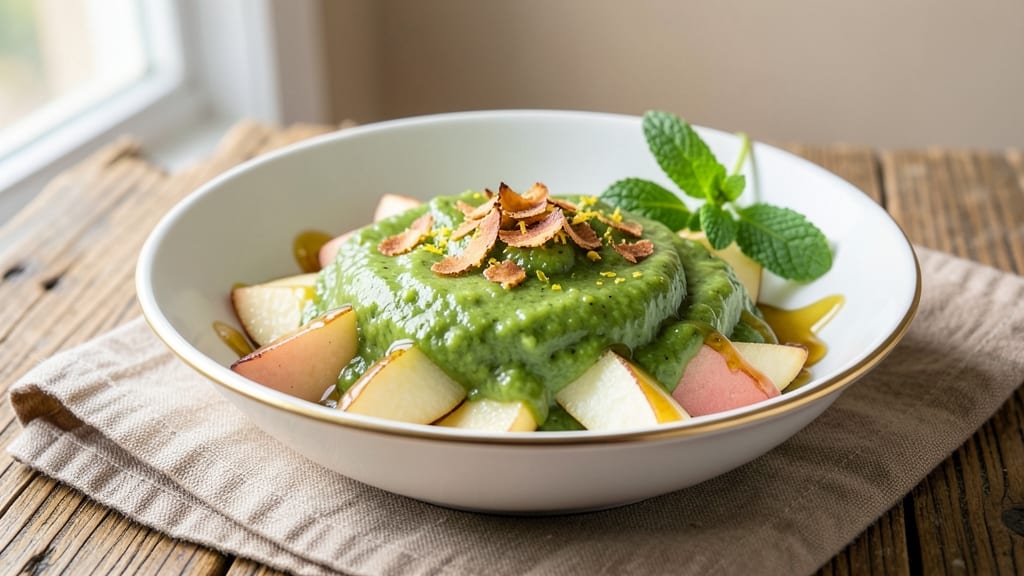
This apple mint sauce recipe transforms simple ingredients into a vibrant, herbaceous condiment that elevates everything from roasted lamb to fresh salads. The bright acidity of apple and the freshness of mint create a perfect balance that cuts through rich dishes while adding a sophisticated touch.
I developed this sauce after realizing how often a simple drizzle could turn an ordinary meal into something memorable.
The beauty of this sauce lies in its simplicity—just a few fresh ingredients simmered together until the flavors meld into harmony. The apples provide natural sweetness and subtle tang, while the mint adds a refreshing herbal note that brightens any dish.
What makes it truly special is how versatile it is: drizzle it over grilled meats, toss it with summer salads, or even use it as a glaze for roasted vegetables.
What you’ll end up with is a smooth, refreshing sauce that’s bright enough to stand alone but balanced enough to complement rich flavors. The texture is silky, with just the right amount of body to cling to every bite.
It’s the kind of sauce that makes you want to make it again and again—once you taste the perfect harmony of apple and mint, you’ll never go back to store-bought versions.
Best of all, this sauce keeps beautifully in the refrigerator for up to a week, making it ideal for meal prep.
Whether you’re hosting a dinner party or simply looking to add a little extra flair to your weeknight meals, this apple mint sauce is the secret weapon you’ve been missing. Let’s get started!
Ingredients for apple mint sauce
Eight ingredients, five minutes—this sauce transforms fresh flavors into something extraordinary.
| Ingredient | Amount | Notes |
|---|---|---|
| Granny Smith Apples 🍎 | 2 medium | Peeled, cored, finely diced |
| Fresh Mint Leaves 🌿 | 1 ½ cups | Packed, stems removed |
| Apple Cider Vinegar 🍶 | ½ cup | For tangy brightness |
| Extra-Virgin Olive Oil 🫒 | ½ cup | High-quality, fruity |
| Honey 🍯 | 2 tbsp | For subtle sweetness |
| Fresh Lemon Juice 🍋 | 2 tbsp | Freshly squeezed |
| Salt 🧂 | ½ tsp | Fine sea salt preferred |
| Black Pepper 🌶️ | ¼ tsp | Freshly cracked |
The apples are the foundation—Granny Smith for that sharp, tangy bite. Grab a couple from the produce section, but if they're not in season, Fuji or Honeycrisp work too. Fresh mint is non-negotiable here (the good stuff, not the dried kind)—Trader Joe's or your local farmers market are the best spots. If you're using a bunch, strip the leaves from the stems and give them a quick rinse. The vinegar and lemon juice are what make this sauce pop—don't skimp. And for the olive oil, Californian or Italian varieties add the best fruity notes.
No Granny Smith apples? Substitute with tart green apples—just make sure they're firm, not mushy. Dried mint? Use half the amount (about 0.75 cup), but it won't have the same vibrancy. Short on honey? Maple syrup works too, though it leans more caramel-like. The sauce can handle a little extra acidity if you're feeling bold—add another tablespoon of lemon juice. For a smoother texture, blend everything until silky, or leave it slightly chunky for a rustic touch. The key is balancing sweet, tart, and herbal—taste as you go!
This sauce keeps beautifully in the fridge for up to 1 week, sealed in a jar with a thin layer of olive oil on top to preserve freshness. It's perfect for meal prep—just shake before using. Freezes for 3 months too, though the texture might get slightly grainy after thawing. I like to make a big batch and drizzle it on everything—grilled lamb, roasted veggies, even over ice cream for a fancy dessert. The flavors only get better as it sits, so don't hesitate to make extra.
Why You'll Love This Recipe
- Five-Ingredient Magic: I swear, this sauce comes together with just a knife, a bowl, and zero fancy tools. Toss in chopped Granny Smiths, muddle the mint, drizzle in olive oil and vinegar, then sweeten with honey—done. That’s it. No peeling, no straining, no stress.
- Bright & Tangy: Honestly, the flavor combo is chef’s kiss—sharp Granny Smiths cut through the sweetness of honey, while the apple cider vinegar adds this bright, almost effervescent kick. Fresh mint ties it all together with a cool, herbal finish that makes every bite feel like a palate reset.
- Dresses Up Anything: Between us, this sauce is my secret weapon for lazy dinners. Drizzle it over grilled chicken, toss it with roasted veggies, or slather it on sandwiches—it works just as well as a quick dip for fries or a fancy finishing touch for lamb. (Yes, even on a Tuesday night.)
- Stays Fresh for Days: Make a big batch and stash it in the fridge—it keeps for at least five days without losing a drop of flavor. Plus, the ingredients are cheap (especially if you grow mint or buy apples in bulk), so you’re not breaking the bank for something this versatile. Win-win.
Step-by-step instructions for apple mint sauce
This vibrant sauce comes together in minutes—bright, tangy, and perfectly balanced.
Cook the Apples Until Tender
Heat a medium saucepan over medium heat and add the 2 medium Granny Smith Apples (previously peeled, cored, and finely diced). Cook them uncovered for 5-6 minutes, stirring occasionally, until they soften slightly but don’t break down completely. You want them to hold their shape—this ensures texture in the finished sauce.
Here's the thing—don't rush this step. If the apples turn mushy, the sauce will lose its beautiful structure. You'll know they're ready when they yield slightly under gentle pressure with a fork but still maintain their form. This is the foundation of your sauce, so take your time.
Add Vinegar and Honey for Balance
Once the apples are tender, pour in the 0.5 cup Apple Cider Vinegar and 2 tbsp Honey. Stir well to combine, then let the mixture simmer gently over low heat for 3-4 minutes. You'll see the apples release their juices, creating a fragrant liquid that smells like a summer garden.
The vinegar brightens the apples while the honey rounds out their tartness. Taste as you go—this is where you can adjust the sweet-tart balance. If it needs more tang, add a splash more vinegar. If it needs sweetness, stir in a tiny bit more honey. This sauce should taste vibrant, not cloying.
Incorporate Mint and Lemon
Remove the saucepan from heat and add the 1.5 cups Fresh Mint Leaves (packed, stems removed) and 2 tbsp Fresh Lemon Juice. Using an immersion blender, blend until smooth—this is key for a silky texture. If you don’t have an immersion blender, transfer the mixture to a regular blender and pulse until fully combined.
Here's where it gets fun—the mint should infuse the sauce with its fresh, herbal aroma. The lemon juice adds a zesty kick that cuts through the richness of roasted meats. Don’t skip blending thoroughly; any visible mint leaves will make the sauce look unprofessional and affect the texture.
Finish with Olive Oil and Seasonings
Return the blended sauce to the saucepan and stir in the 0.5 cup Extra-Virgin Olive Oil, 0.5 tsp Salt, and 0.25 tsp Black Pepper. Warm the sauce over low heat for just 1-2 minutes—just enough to meld the flavors without cooking it further. The olive oil emulsifies beautifully, creating a glossy finish.
Taste again and adjust seasoning if needed. The sauce should be bright, herby, and perfectly balanced—like a refreshing sip of summer. If it’s too thick, thin it with a splash of water or more lemon juice. If it’s too thin, simmer gently to reduce slightly. Serve warm or at room temperature over roasted lamb, pork, or even grilled chicken.
Pro Tips For Making Apple Mint Sauce
- Peel Apples Thin: Granny Smiths have tough skins—don’t strip them raw. Use a paring knife to slice off just the waxy outer layer (about 1/8-inch), leaving the crisp white flesh intact. Thick peels mean bitter chunks in your sauce, and nobody wants that.
- Bruise Mint Gently: Tear the mint leaves by hand instead of chopping—this releases more aroma without turning it to mush. If you’re using stems, give them a quick smack with a rolling pin first (yes, it sounds odd, but it works). Over-chopping kills the freshness.
- Simmer Low and Slow: Heat the sauce on medium-low until it thickens—high heat turns it into apple mush. Stir every 2 minutes to prevent sticking, and if it’s not coating the back of a spoon after 8–10 minutes, add another teaspoon of honey or a splash of vinegar to balance.
- Balance Vinegar Last: Add apple cider vinegar after the sauce has thickened—this keeps the sharpness from cooking off too fast. Start with half the recipe’s amount, taste, then adjust. Too much upfront? Your sauce will taste like a salad dressing instead of a luscious glaze.
Common mistakes when making this dish
Overcooking Apples
I’ve seen this happen more times than I can count—apples turn to mush, and suddenly your sauce looks like applesauce. The key is to cook them just until they’re tender but still hold their shape.
If you let them simmer too long, the sauce will lose its beautiful texture and become grainy. 🍎
Skipping the Blending Step
Some people rush through the blending process, leaving visible mint leaves or apple chunks. This ruins the silky texture and makes the sauce look homemade (in a bad way).
Use an immersion blender for convenience, or pulse in a regular blender until completely smooth. The effort is worth it for that restaurant-quality finish.
Using Dried Mint
Dried mint lacks the vibrant freshness that makes this sauce special. It’s a common mistake, but trust me—it changes everything. Fresh mint leaves release their oils when blended, creating that bright, herbal aroma.
If you’re out of fresh mint, use half the amount of dried, but know it won’t be the same. 🌿
Ignoring the Taste Test
This sauce is all about balance—sweet, tart, and herbal. Many people skip tasting as they go, only to end up with a sauce that’s either too sweet or too sour. Taste after adding vinegar, honey, and lemon juice. Adjust gradually—this is where the magic happens.
Not Straining the Sauce
If you don’t blend thoroughly, you’ll end up with a chunky sauce that lacks professional appeal. Even if you’re okay with texture, straining removes any unwanted bits and ensures a smooth, elegant drizzle. I like to strain mine through a fine-mesh sieve for the best results.
Adding Olive Oil Too Early
Olive oil should be added at the very end to emulsify properly. If you add it too soon, the sauce can separate or become greasy. Stir it in just before serving to create that glossy, luxurious finish. This small detail makes a big difference in the final presentation.
Nutrition facts
Frequently asked questions
Can I use this sauce on desserts?
This apple mint sauce pairs beautifully with fruit-based desserts like berry tarts, yogurt parfaits, or even vanilla ice cream. The bright flavors cut through sweetness perfectly—just drizzle lightly over fresh strawberries or pound cake for a refreshing contrast. For a fancy touch, reduce the sauce slightly before serving.
How do I adjust the flavor if my apples are too sweet?
Add 1 extra tablespoon of apple cider vinegar or 1 teaspoon of lemon juice to balance the sweetness. Simmer for 1-2 extra minutes to let the flavors meld. Taste frequently—you can always add more acidity but can't remove it once it's there.
Can I make this sauce without a blender?
Yes! Use a potato masher or fork to crush the apples first, then stir in all ingredients. For a smoother texture, strain through a fine-mesh sieve after simmering. The sauce will be slightly chunkier but still delicious—just expect more visible apple pieces.
What's the best way to store leftovers?
Transfer to an airtight container and refrigerate for up to 7 days. For longer storage, freeze for 3 months—thaw overnight in the fridge. To preserve freshness, add a thin layer of olive oil on top before sealing. Shake well before using, as separation may occur.
Is this sauce gluten-free?
Yes, all ingredients in this recipe are naturally gluten-free. Just ensure your honey and vinegar are certified gluten-free if you're avoiding cross-contamination. The sauce is also dairy-free and vegan, making it perfect for various dietary needs.