
Sauces & Condiments
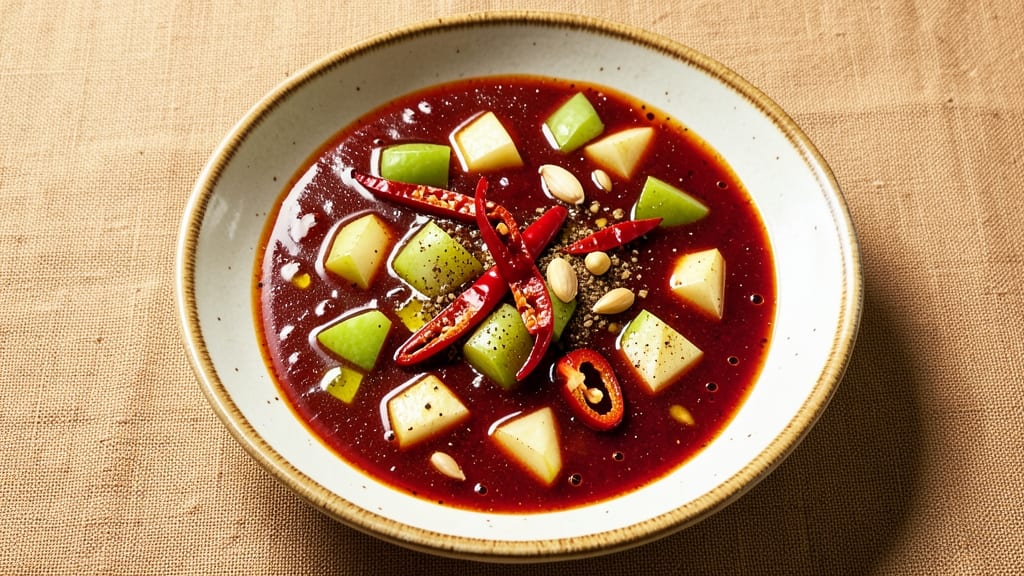
This apple chili sauce recipe transforms humble pantry staples into a versatile, sweet-spicy condiment that elevates everything from grilled meats to crispy fries.
The secret lies in balancing tart apples, smoky chili peppers, and a touch of vinegar for tang—creating a sauce that’s bold enough for marinades but delicate enough to drizzle over roasted vegetables.
I developed this recipe after craving something that bridged the gap between sweet and spicy, and it quickly became a staple in my kitchen for its adaptability and depth of flavor.
The process is straightforward: simmer apples, garlic, and spices until tender, then blend with vinegar and a hint of sugar to achieve that perfect sweet-spicy balance. No fancy equipment is needed—just a pot, a blender, and patience to let the flavors meld.
The sauce thickens as it cools, making it ideal for dipping, glazing, or even as a marinade for proteins. What makes this recipe stand out is its ability to enhance rather than overpower, ensuring every dish it touches benefits from its complexity.
By the time you’re done, you’ll have a rich, glossy sauce with layers of heat and sweetness that clings beautifully to food. The apples add natural sweetness, while the chili peppers bring the heat, creating a harmony that’s both comforting and exciting.
This isn’t just a condiment—it’s a flavor multiplier that turns ordinary meals into something extraordinary. The best part? It keeps well in the fridge for up to two weeks, so you’ll always have a jar ready for spontaneous grilling sessions or last-minute dipping needs.
Whether you’re drizzling it over grilled chicken, using it as a dip for spring rolls, or incorporating it into a marinade, this sauce delivers restaurant-quality results with minimal effort. Let’s get started—your taste buds (and leftovers) will thank you.
Ingredients for apple chili sauce
Nine simple ingredients create this restaurant-quality apple chili sauce everyone will crave.
| Ingredient | Amount | Notes |
|---|---|---|
| Tart Green Apples 🍎 | 3 medium | Peeled, cored, diced small |
| Red Chili Peppers 🌶️ | 2 whole | Jalapeño or serrano for heat |
| Garlic Cloves 🧄 | 4 cloves | Peeled, minced finely |
| White Vinegar 🍶 | ½ cup | Apple cider vinegar preferred |
| Granulated Sugar 🍚 | ¼ cup | Adjust to taste |
| Ground Cumin 🌿 | 1 tsp | Toasted for deeper flavor |
| Ground Cinnamon 🍃 | ½ tsp | For warmth |
| Salt 🧂 | ½ tsp | Diamond Crystal kosher |
| Extra-Virgin Olive Oil 🫒 | 2 tbsp | For glossy finish |
| Fresh Ginger 🌿 | 1 inch | Peeled, grated finely |
The apples are the foundation—Fuji or Granny Smith work best for that perfect tartness. Trader Joe's and Whole Foods usually have them pre-washed, which saves time. Look for firm ones with no bruises; soft spots turn mushy in the sauce. The chili peppers can be fresh or frozen—Trader Joe's frozen jalapeños are my go-to for convenience. Fresh ginger loses potency fast, so buy it fresh and grate it right before adding to the pot. The vinegar matters too—apple cider vinegar adds subtle fruitiness that white vinegar can't match.
No fresh chili peppers? Hot sauce or cayenne powder works in a pinch (start with 1/2 tsp cayenne), but fresh gives that smoky depth. Swapping apples? Pear or mango changes the sweetness profile—stick with apple for authenticity. The sugar is non-negotiable for balancing heat; coconut sugar adds caramel notes if you want to get fancy. Running low on olive oil? Avocado oil works just as well. For extra richness, add 1 tbsp of tomato paste when blending—it deepens the color and adds umami.
This sauce thickens as it cools, so blend it right before using. Store in a glass jar in the fridge for up to 2 weeks, or freeze for 3 months in ice cube trays for single servings. The flavors actually improve overnight as everything melds. I always double the batch—one jar for grilling, one for dipping. If it gets too thick, stir in a splash of water or vinegar to loosen it up.
Why You'll Love This Recipe
- Five-Ingredient Magic: I swear, this sauce is the kind of recipe that makes you question why you ever complicate things. Dice apples, mince garlic, toss in chili—boom. No blenders, no fancy techniques, just a pot and 20 minutes of your life.
- Sweet Heat Balance: That tart green apple cuts through the chili’s kick while the sugar softens the edge—like a perfect push-and-pull. Honestly, the first time I tasted it, I poured it over everything just to test.
- Dip or Dressing: Drizzle it on grilled chicken, toss it with rice, or serve it cold with chips—it’s that kind of sauce. I’ve even used it as a glaze for roasted veggies when I’m lazy (yes, even on a Tuesday night).
- Lasts a Week: Make a big batch, store it in the fridge, and thank me later. The flavors deepen over time, and it’s way cheaper than buying store-bought sauces that taste like sad, processed sludge. My pantry’s always stocked.
Step-by-step instructions for apple chili sauce
This vibrant sauce balances sweet and spicy perfectly—here's how to make it shine.
Sauté Aromatics Until Fragrant
Heat the 2 tablespoons extra-virgin olive oil in a medium saucepan over medium heat. Add the 4 cloves minced garlic cloves and 1-inch grated fresh ginger, stirring constantly for 1-2 minutes until the garlic becomes translucent and fragrant. You'll smell that pungent, warm aroma—this is your cue to add the next ingredients.
Watch the heat carefully here. If the garlic starts to brown too quickly, reduce to medium-low—burnt garlic ruins the sauce. The goal is to develop flavor without color. Keep the pan moving so nothing sticks to the bottom, as those browned bits will add bitterness rather than depth.
Cook Apples and Chili Peppers
Add the 3 medium diced tart green apples and 2 whole sliced red chili peppers to the pan. Stir to combine with the aromatics, then increase heat to medium-high. Let the mixture cook undisturbed for 5 minutes, allowing the apples to soften slightly while the chili peppers begin to blister and darken.
You'll see the apples release their juices and the chili peppers develop deep char marks—that's exactly what you want. If the mixture seems too dry at this stage, add 1-2 tablespoons water to help dissolve the sugar later. The apples should start to break down but still retain some texture—overcooking them turns the sauce mushy.
Add Spices and Vinegar
Reduce heat to medium-low and stir in the 1 teaspoon ground cumin, 0.5 teaspoon ground cinnamon, and 0.5 teaspoon salt. Let the spices toast for 30 seconds—you'll smell their warm, earthy notes intensify. Then pour in the 0.5 cup white vinegar all at once, stirring vigorously to deglaze the pan and lift any browned bits from the bottom.
Here's where the magic happens: the vinegar cuts through the sweetness while preserving the chili's heat. Let the mixture simmer for 3-4 minutes until the vinegar's sharpness mellows and the spices meld with the apples. You should see the sauce begin to thicken slightly as the pectin in the apples releases.
Simmer and Sweeten
Add the 0.25 cup granulated sugar and stir until completely dissolved. Increase heat to medium-high and bring the sauce to a gentle boil. Let it simmer uncovered for 10-12 minutes, stirring occasionally, until it reduces by about one-third and becomes glossy and syrupy.
The sauce should coat the back of a spoon with a thick, velvety consistency. Taste as you go—if it needs more sweetness, add 1 tablespoon additional sugar; if it needs more heat, add 1-2 extra slices of chili pepper. The perfect balance should have a bright, tangy sweetness with lingering spice that doesn't overwhelm.
Finish and Rest
Once the sauce reaches your desired consistency, remove it from heat and let it cool for 5 minutes. This resting period allows the flavors to meld completely. For a smoother texture, transfer the sauce to a blender and pulse until smooth, then strain through a fine-mesh sieve to remove any remaining chili seeds or apple skins if you prefer a silky finish.
Your apple chili sauce is now ready to use. It keeps well in the refrigerator for up to 2 weeks in an airtight container, making it perfect for grilling, dipping, or drizzling over dishes. The longer it sits, the more complex the flavors become—trust the process and enjoy the reward.
Pro Tips For Making Apple Chili Sauce
- COOK APPLES IN BATCHES: I learned this the hard way—dumping all the apple chunks in at once makes the sauce watery. Instead, cook them in 2-3 batches over medium-high heat until they soften and release their juice, then scrape the bottom before adding fresh apples. This keeps the sauce thick and concentrated.
- PEEL AND SEED CHILIS: Whole chili peppers won’t break down properly, and seeds add bitterness you don’t need. Remove stems, slice open, and scrape out seeds with a spoon before dicing. If you’re lazy, wear gloves and just tear them into rough pieces—still works, but less precise.
- SIMMER LOW AND SLOW: Rushing this sauce by boiling hard turns it into a thin, syrupy mess. After the apples soften, drop the heat to a gentle simmer and let it cook uncovered for 15-20 minutes. The vinegar and sugar will mellow out, and the flavors will blend smoothly—no more sharp, cloying aftertaste.
- USE BROWN SUGAR: Swap granulated sugar for light brown sugar if you can—it adds a subtle caramel depth that cuts through the tartness of green apples. If you’re stuck with white, sprinkle in ½ teaspoon of cinnamon or a pinch of smoked paprika afterward for complexity. (Yes, even if the recipe doesn’t call for it.)
Common mistakes when making your apple chili sauce
Overcooking Apples
Apples are the heart of this sauce, but they can easily turn mushy if cooked too long. I’ve ruined batches by letting them simmer beyond 10-12 minutes—the result? A gloppy, unappetizing mess.
Keep an eye on the texture: the apples should soften but still hold their shape. If they break down completely, your sauce will lack the right body. 🍎
Skipping the Resting Phase
Rushing to blend or serve the sauce immediately is a huge mistake. The flavors need time to meld, especially after adding vinegar and sugar. I learned this the hard way when I served it right after cooking—it tasted sharp and disjointed.
Let it cool for 5 minutes before blending, and even better, refrigerate it overnight. The magic happens during this resting period. ✨
Ignoring Heat Control
Medium-high heat is your friend, but too much heat can burn the garlic and chili peppers, turning your sauce bitter. I’ve seen people crank the heat to high and end up with a sauce that tastes like charred spices.
Keep it at medium-high for simmering and medium-low for toasting spices. A gentle simmer is key to balancing sweetness and heat. 🌶️
Using the Wrong Apples
Not all apples are created equal. Sweet varieties like Gala or Fuji will make your sauce cloyingly sweet, while tart apples like Granny Smith or Honeycrisp are essential. I once used a mix of apples and ended up with a sauce that lacked the right tang.
Stick to tart green apples for that perfect balance of sweet and sour. 🍏
Over-Spicing or Under-Spicing
Adding too much cumin or cinnamon can make your sauce taste like a spice blend rather than a cohesive condiment. On the flip side, skimping on these spices weakens the depth of flavor.
I recommend starting with the 1 tsp cumin and ½ tsp cinnamon as written, then adjusting to taste. Trust your palate—small tweaks make a big difference. 🌿
Not Deglazing Properly
Deglazing with vinegar is where the sauce’s tangy brightness comes from, but many people pour it in too slowly or don’t stir vigorously enough. I’ve seen batches where the vinegar just sits at the bottom, leaving the pan with stuck-on bits.
Pour the vinegar all at once and stir like your life depends on it—this lifts all those flavorful browned bits for a richer sauce. 🍶
Nutrition facts
Frequently asked questions
Can I use this sauce as a marinade?
This apple chili sauce works beautifully as a marinade for chicken, pork, or tofu. The sweet-spicy balance tenderizes proteins while adding depth of flavor. For best results, marinate for 2-4 hours in the fridge—never longer than 8 hours to prevent spoilage. The sauce's acidity from vinegar helps break down fibers, making your meat extra juicy.
How can I make this sauce less spicy?
Reduce the chili peppers to just 1 whole pepper or use milder varieties like jalapeños with seeds removed. For an already-made batch, stir in 1-2 tablespoons apple juice or 1 teaspoon honey to balance the heat. If it's still too spicy, thin with a splash of water or vinegar and taste as you go.
What are the best ways to use this sauce?
This versatile sauce excels as a dipping sauce for spring rolls or fries, a glaze for grilled meats, or a marinade for skewers. Try drizzling it over roasted vegetables or mixing into mayo for sandwich spreads. The thickened version works perfectly as a topping for tacos or nachos—its sweet-spicy profile cuts through rich, fatty foods beautifully.
Can I substitute vinegar with something else?
Apple cider vinegar is ideal, but you can use rice vinegar or white wine vinegar in a pinch. Avoid lemon juice—it won't provide the same tangy depth. If you're avoiding vinegar entirely, use 1 tablespoon lemon juice plus 1 teaspoon sugar> to mimic the acidity and sweetness balance. The vinegar's acidity is crucial for preserving the sauce and balancing flavors.
How do I store leftovers?
Transfer to an airtight glass jar and refrigerate for up to 2 weeks. The sauce thickens further in the fridge—stir in 1 teaspoon water if it becomes too stiff. For longer storage, freeze in ice cube trays for 3 months>. Thaw overnight in the fridge before using. The flavors actually improve with time, developing more complexity as they meld.