
Sauces & Condiments
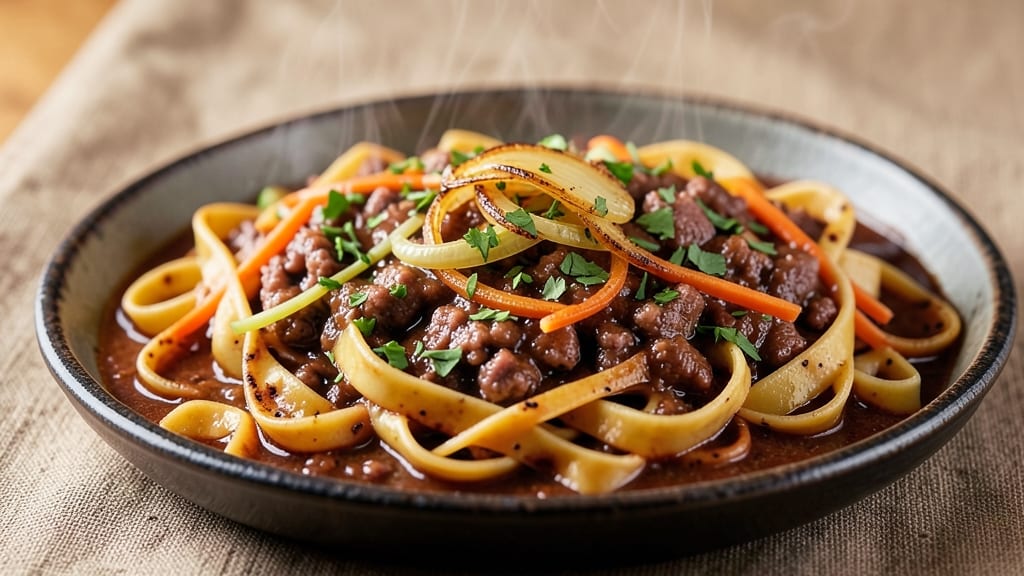
Antonio Carluccio's Bolognese sauce transforms simple ingredients into something deeply flavorful through patience and technique. This isn't your average tomato sauce—it builds layers of richness from slow-cooked pork, wine reduction, and perfectly balanced tomatoes. The secret lies in letting flavors develop over time, creating a sauce that's both rustic and refined, perfect for elevating any pasta dish.
The foundation starts with finely chopped aromatics—onions, carrots, and celery—that cook until deeply sweetened before meat joins the pot. Ground pork (and beef, if using) browns thoroughly, locking in flavor, while white wine deglazes the pan, forming the sauce's aromatic base.
The key is slow simmering, allowing the tomatoes to meld without losing their bright acidity, while the meat tenderizes into a rich, meaty texture.
What makes this sauce exceptional is its balance: the wine adds brightness, the tomatoes provide acidity, and the pork contributes deep umami. The result is a sauce that's neither too heavy nor too light—just right for twirling around al dente pasta.
It keeps well for days, deepening in flavor as it rests, making it ideal for meal prep or restaurant-quality leftovers.
For those with dietary preferences, substitutions are simple: swap pork for mushrooms or lentils, use vegetable broth instead of meat, and omit wine if needed. The technique remains the same—slow, patient cooking transforms humble ingredients into something extraordinary. Let's create this sauce that pays homage to Carluccio's legacy.
Ingredients for antonio carluccio bolognese sauce
Twelve ingredients transform into a sauce that carries Carluccio's legacy of slow-cooked richness.
| Ingredient | Amount | Notes |
|---|---|---|
| Extra-Virgin Olive Oil 🫒 | ½ cup | High-quality, fruity variety preferred |
| Ground Pork 🐖 | 1 ½ lb | Finely ground, 80% lean or less |
| Yellow Onion 🧅 | 1 whole | Finely chopped, approximately 1.5 cups |
| Carrots 🥕 | 2 whole | Finely diced, approximately 1 cup |
| Celery Stalks 🌿 | 2 whole | Finely chopped, approximately 1 cup |
| Garlic Cloves 🧄 | 4 cloves | Minced, approximately 2 tsp |
| Dry White Wine 🍷 | 1 cup | Bold variety like Pinot Grigio |
| Canned San Marzano Tomatoes 🍅 | 28 oz | Crushed or whole, no salt added |
| Tomato Paste 🍅 | 2 tbsp | High-quality, no sugar added |
| Whole Milk 🥛 | ½ cup | Full-fat for richness |
| Fresh Parsley 🌿 | ¼ cup | Chopped, for finishing |
| Kosher Salt 🧂 | 1 ½ tsp | Diamond Crystal preferred |
| Freshly Ground Black Pepper 🌶️ | ½ tsp | Coarsely ground |
| Dried Bay Leaves 🍃 | 2 whole | For depth of flavor |
The foundation begins with the aromatic trio—onions, carrots, and celery—known as soffritto in Italian cuisine. These vegetables should be finely chopped and cooked until deeply sweetened, a process that takes patience but yields unparalleled depth. Whole Foods or high-end grocery stores often carry pre-chopped versions for convenience, though fresh is ideal. The pork must be finely ground—80% lean or less ensures optimal fat content for moisture and flavor. For wine, a bold, dry white like Pinot Grigio balances acidity without overpowering. San Marzano tomatoes are non-negotiable; their natural sweetness and low acidity create the perfect base. If unavailable, look for whole peeled tomatoes in cans, but avoid varieties with added salt or sugar.
Substitutions are possible but require adjustments. For a vegetarian version, replace pork with finely chopped mushrooms or lentils, increasing the amount by 25% to compensate for lower fat content. Wine can be omitted entirely, substituting 1 cup vegetable broth to deglaze the pan. The milk adds creaminess—half-and-half or heavy cream can substitute if preferred, though whole milk is traditional. Fresh herbs are ideal, but dried parsley at one-third the amount works in a pinch. The bay leaves should be removed before serving, as they are not meant to be eaten. For those avoiding dairy, unsweetened almond milk can replace whole milk, though the sauce will be slightly lighter.
This sauce develops best over time, deepening in flavor with each passing hour. Store in an airtight container in the refrigerator for up to 5 days, or freeze for 3 months for long-term preservation. Reheat gently on the stove, adding a splash of water or broth if the sauce thickens too much. For meal prep, portion into individual servings before freezing—simply thaw and reheat for a quick, restaurant-quality meal. The sauce pairs perfectly with tagliatelle or pappardelle, but its versatility extends to lasagna, ravioli, or even as a filling for stuffed vegetables.
Why You'll Love This Recipe
- No-Sweat Sofrito: I swear by the soffritto—just onions, carrots, celery—slow-cooked in olive oil until they melt into the sauce. No chopping like a pro, no burning the bottom. My knife skills stay basic, and the flavor still sings.
- Porky Perfection: That ground pork? It’s the star. Browned until crispy, then simmered low—it turns tender but keeps just enough bite. Honestly, the difference between this and store-bought sauce is night and day. (Yes, even on a Tuesday night.)
- Meal Prep MVP: Make a double batch—it’s my go-to for lazy nights. Freezes like a dream, reheats without falling apart, and still tastes like I slaved over it. My freezer’s full of this stuff because it’s that reliable.
- Budget Booster: Olive oil, pork, and veggies? Check. No fancy ingredients, no markup. I stretch this sauce over pasta, stuff it in lasagna, or even dump it on polenta. Feeds four for under $10, and no one complains.
Step-by-step instructions for antonio Carluccio's Bolognese sauce
Mastering this sauce requires patience and precision, but the result is unmistakably rich and authentic.
Build the Sofritto Base
Heat the 0.5 cup extra-virgin olive oil in a heavy-bottomed pot over medium-low heat. Add the finely chopped yellow onion, diced carrots, and chopped celery stalks, stirring occasionally for 10-12 minutes until the vegetables soften and their colors deepen. This slow cooking draws out their natural sweetness, forming the aromatic foundation.
Add the minced garlic cloves and cook for another 1-2 minutes until fragrant—don't let it brown, or it will turn bitter. The vegetables should be tender but not mushy; this ensures they contribute flavor without losing texture. This sofritto technique is the secret to Carluccio's depth of flavor.
Brown the Pork and Deglaze
Increase heat to medium-high and add the 1.5 lb ground pork, breaking it apart with a wooden spoon. Cook for 5-7 minutes, stirring frequently, until the pork loses its raw color and develops a deep brown crust. This browning, called the Maillard reaction, creates complex flavors that elevate the sauce.
Pour in the 1 cup dry white wine and scrape the bottom of the pot vigorously with a wooden spoon to release all the browned bits. Let the wine simmer until it reduces by half, about 3-4 minutes. This deglazing step captures all the meaty flavor that would otherwise stick to the pot.
Incorporate Tomatoes and Simmer
Add the 2 tbsp tomato paste and stir to coat the pork and vegetables. Pour in the 28 oz canned San Marzano tomatoes, breaking them up with your hands if they're whole. Stir in the 1.5 tsp kosher salt, 0.5 tsp freshly ground black pepper, and 2 whole dried bay leaves.
Reduce heat to low and let the sauce simmer uncovered for 45-60 minutes, stirring occasionally. The sauce should thicken gradually as moisture evaporates, developing a rich, concentrated tomato flavor. This slow cooking process builds layers of complexity that define authentic Bolognese.
Finish with Milk and Fresh Herbs
Stir in the 0.5 cup whole milk and simmer for another 10-15 minutes until the sauce reaches your desired consistency. The milk adds richness and balances the acidity of the tomatoes, creating the signature velvety texture. Taste and adjust seasoning if needed—this is where you can fine-tune the balance of salt, acid, and sweetness.
Remove the pot from heat and stir in the 0.25 cup chopped fresh parsley. The parsley not only adds freshness but also brightens the deep flavors of the sauce. Let the sauce rest for 10 minutes before serving, allowing the flavors to meld completely. This resting period ensures the sauce reaches its full potential when served over al dente pasta.
Pro Tips For Making Antonio Carluccio Bolognese Sauce
- Sweat the Veggies Slow: Antonio Carluccio swears by the soffritto—diced onion, carrots, and celery cooked in olive oil until translucent, not browned. I learned the hard way that rushing this step makes the sauce taste raw. Use a heavy pan, keep heat at a steady simmer, and stir occasionally. The goal is softness, not color—this is the flavor foundation, so don’t rush it.
- Brown the Pork Properly: The meat should develop a deep, caramelized crust before adding tomatoes. After breaking up the ground pork, spread it out in the pan and let it sit undisturbed for 1-2 minutes—this builds flavor. If it sticks, you’re overcrowding. Work in batches if needed, and resist the urge to stir constantly.
- Use Olive Oil, Not Butter: Carluccio’s recipe calls for extra-virgin olive oil, not butter, for the initial cooking. Butter burns easily and can make the sauce taste greasy. If you’re used to butter, trust the oil—it adds a bright, fruity note that stands up to the tomatoes. Save the butter for finishing, if you must.
- Simmer, Don’t Boil: The sauce needs time to meld, not a quick sear. After adding tomatoes and broth, reduce heat to a gentle simmer—tiny bubbles, not a rolling boil. I used to walk away and forget, and the sauce would split or turn grainy. Keep it covered, stir occasionally, and let it work its magic for at least 45 minutes. Patience is the thing that matters most.
Creative variations of antonio carluccio bolognese sauce
Vegetarian Mushroom Version
Swap the pork for 1.5 lbs finely chopped cremini or shiitake mushrooms—they mimic the meaty texture beautifully. Sauté them until deeply browned (about 8-10 minutes) before deglazing with wine.
For extra depth, add 1 tbsp soy sauce when browning to enhance umami. This version keeps the sauce's richness while being fully plant-based. 🌱
Spicy Arrabbiata Twist
Boost the heat by adding 1-2 dried arrabiata chili peppers (or 1 tbsp red pepper flakes) with the tomatoes. For smoky depth, stir in 1 tsp smoked paprika when browning the pork.
Finish with a splash of balsamic vinegar to balance the spice. This fiery version pairs perfectly with chili flakes on top. 🌶️
Creamy Parmesan Finish
For a restaurant-worthy touch, stir in ¼ cup freshly grated Parmesan cheese during the final 5 minutes of simmering. The cheese melts into the sauce, adding nutty richness.
For extra decadence, top with crispy fried shallots or a drizzle of truffle oil before serving. This upgrade takes the sauce to new heights. ✨
Slow-Cooker Adaptation
Transfer all ingredients (except fresh parsley) to a 6-quart slow cooker and cook on low for 6-8 hours or high for 3-4 hours. The slow cooker’s gentle heat enhances the tomatoes’ sweetness and tenderizes the pork perfectly.
Stir in the milk and herbs at the end, then adjust seasoning. Ideal for hands-off prep! ⏰
Herb-Infused Variations
Experiment with fresh herbs: Add ½ tsp dried oregano with the tomatoes, or fold in 1 tbsp chopped basil or thyme at the end. For a Mediterranean twist, include 1 tsp ground cinnamon or allspice when browning the pork. Each herb adds a unique layer of complexity. 🌿
Meat Blend Options
For a richer texture, blend 1 lb pork with ½ lb ground beef (80/20 ratio). The beef adds heartiness, while the pork keeps the sauce tender. Alternatively, try Italian sausage (sweet or spicy) for a smoky, bold flavor. Adjust cooking time slightly if using beef. 🐄
Nutrition facts
Frequently asked questions
Why does Antonio Carluccio's Bolognese sauce use white wine instead of red?
The white wine adds brightness and acidity that balances the richness of the pork and tomatoes. A bold variety like Pinot Grigio enhances the sauce's depth without overpowering it. Red wine would make the sauce too heavy and bitter, which isn't traditional for this style of Bolognese.
Can I make this sauce without milk for a lighter version?
Yes! Replace the 0.5 cup whole milk with 0.5 cup vegetable broth or unsweetened almond milk for a dairy-free option. The sauce will still be flavorful but slightly lighter in texture. For extra richness, use ½ cup broth + 2 tbsp heavy cream instead.
How do I prevent the sauce from getting too thick when simmering?
Add 1-2 tbsp water or broth while simmering if the sauce thickens too much. Stir in the milk gradually at the end to achieve the perfect consistency. Avoid rushing the cooking time—slow simmering prevents excessive reduction and maintains balance.
What's the best way to store leftover Bolognese sauce?
Store in an airtight container in the fridge for up to 5 days or freeze for 3 months. Reheat gently on low heat, adding a splash of water or broth if needed. The flavors actually improve over time, making it perfect for meal prep!
Can I use beef instead of pork for this recipe?
Yes, but adjust the ratio: use 1 lb pork + ½ lb ground beef (80/20) for best results. The beef adds heartiness while the pork maintains tenderness. Cook the beef slightly longer (about 2 extra minutes) to ensure proper browning before deglazing.