
Sauces & Condiments
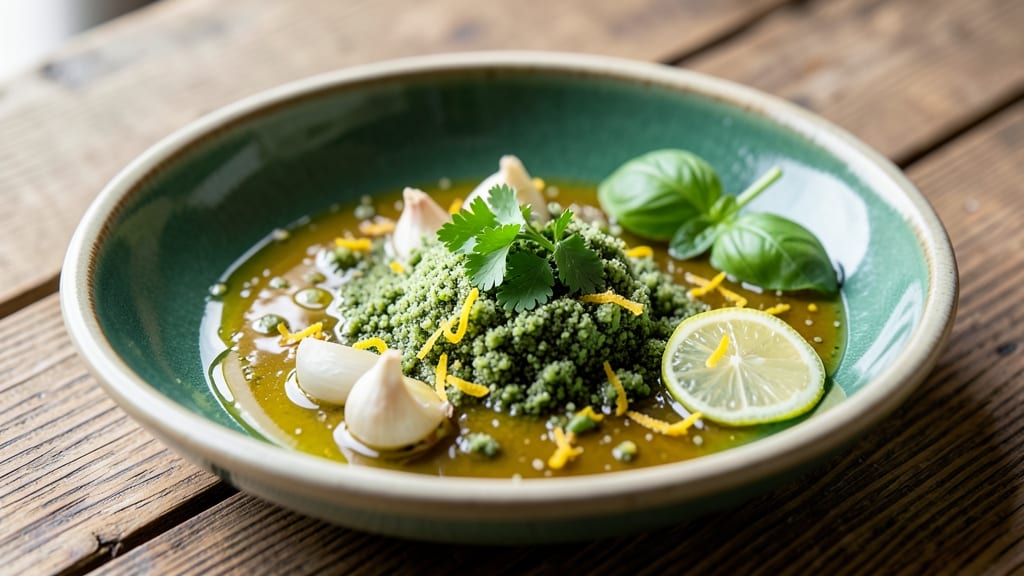
This antipasto sauce recipe transforms simple pantry staples into a bold, aromatic Italian condiment that elevates everything from bruschetta to charcuterie boards. The secret lies in balancing fresh herbs, briny capers, and bright lemon with rich olive oil—creating a sauce that’s as versatile as it is flavorful.
What starts as a quick blend of garlic, herbs, and citrus becomes a restaurant-quality dip or drizzle that keeps for days in the fridge.
The beauty of this antipasto sauce is its adaptability—use it to dip crispy breadsticks, drizzle over roasted vegetables, or garnish antipasto platters for an instant flavor boost. Unlike store-bought versions, this recipe delivers authentic Italian depth with no artificial ingredients.
The key is letting the flavors meld for at least 30 minutes before serving, allowing the garlic and herbs to infuse the oil completely.
What you’ll end up with is a savory, herby, slightly tangy sauce that’s rich enough to stand alone but bright enough to cut through rich cheeses and cured meats. The texture is silky-smooth, perfect for coating or spooning, and the aroma alone will have guests asking for the recipe.
This is the kind of sauce that makes ordinary appetizers feel like a gourmet spread.
Best of all, it’s foolproof—no cooking required, just blending and resting. Store it in an airtight jar in the refrigerator for up to a week, where it’ll only improve with time.
Whether you’re hosting a party or just craving a taste of Italy, this antipasto sauce is your secret weapon. Let’s make it.
Ingredients for antipasto sauce
Nine simple ingredients blend into a restaurant-quality Italian sauce perfect for dipping and drizzling.
| Ingredient | Amount | Notes |
|---|---|---|
| Extra-Virgin Olive Oil 🫒 | 1 cup | High-quality, fruity variety |
| Fresh Flat-Leaf Parsley 🌿 | ¾ cup | Stems removed, tightly packed |
| Fresh Basil Leaves 🌿 | ½ cup | Torn or chopped, vibrant green |
| Garlic Cloves 🧄 | 6 cloves | Fresh, peeled, lightly crushed |
| Lemon Zest 🍋 | 1 tbsp | From one medium lemon |
| Lemon Juice 🍋 | 2 tbsp | Freshly squeezed |
| Capers 🍅 | 2 tbsp | Nonpareils, drained and rinsed |
| Salt 🧂 | 1 tsp | Diamond Crystal preferred |
| Black Pepper 🌶️ | ½ tsp | Freshly cracked |
| Anchovy Fillets 🐟 | 2 whole | High-quality, optional |
The olive oil is the foundation—look for extra-virgin with fruity notes from brands like California Olive Ranch or Colavita. Fresh herbs are non-negotiable here; Whole Foods or local farmers markets have the best selection. For garlic, six cloves give that authentic Italian punch, but don't overdo it—you want flavor, not bite. Anchovies are optional but add deep umami—Marinara brand is a reliable choice if you're using them. The capers should be briny and plump—drained thoroughly to avoid excess moisture in your sauce.
No fresh parsley? Dried parsley at half the amount works in a pinch, but fresh is ideal. Short on basil? Substitute with mint or cilantro for a different but still vibrant flavor. Skip the anchovies? Add an extra tablespoon of capers or a dash of fish sauce for umami depth. For the lemon, zest from one organic lemon adds the best bright citrus notes, but bottled zest works if you're in a hurry. The sauce improves with time—let it sit for at least 30 minutes before using so flavors meld properly.
Store in an airtight jar in the fridge for up to one week. The flavors actually deepen over time, so it's worth making a batch. For longer storage, freeze in ice cube trays—perfect for single-use portions. This sauce pairs beautifully with crusty bread, roasted vegetables, or antipasto platters. The texture remains silky-smooth even after refrigeration, making it ideal for drizzling or dipping throughout the week.
Why You'll Love This Recipe
- No-Chop Necessary: I swear by this—just toss in the whole parsley stems and basil leaves, no need to strip them. The sauce still tastes like a fresh Italian garden, and I save 5 minutes every time.
- Bright and Bold: That lemon zest and raw garlic punch cuts through rich dishes like a knife. It’s the kind of flavor that makes you pause mid-bite—honestly, it’s the secret weapon in my bruschetta and roasted veggie bowls.
- Party in a Jar: Between us, this sauce is my go-to for last-minute gatherings. Drizzle it on crusty bread, toss with grilled shrimp, or serve it chilled with olives—no one will guess it took me 10 minutes to make.
- Fridge Magic: Make a big batch and keep it for up to a week. The olive oil keeps it fresh, and the herbs brighten even after days. I’ll often grab a spoonful straight from the jar—no shame.
Step-by-step instructions for antipasto sauce
This vibrant Italian blend comes together in minutes with fresh herbs and briny depth.
Prepare the Herb Base
In a food processor fitted with the metal blade, combine the 0.75 cup fresh flat-leaf parsley and 0.5 cup fresh basil leaves. Pulse until you achieve a finely chopped consistency—think more texture than a smooth paste, about the size of coarse sand. This texture ensures the herbs distribute evenly throughout the sauce while maintaining their bright flavors.
Transfer the chopped herbs to a medium mixing bowl. Add the 6 cloves garlic cloves (lightly crushed to release their aroma without turning bitter) and the 1 tablespoon lemon zest. The zest will add a bright citrus note that cuts through the richness of the olive oil. Set this mixture aside while you prepare the remaining ingredients.
Infuse the Olive Oil
In a small saucepan, gently warm the 1 cup extra-virgin olive oil over low heat—just enough to raise its temperature slightly, about 110°F. You're not cooking it; you're simply loosening the oil to better absorb the flavors. Remove the pan from heat and let it cool for 5 minutes to prevent the garlic from burning when added later.
While the oil cools, drain the 2 tablespoons capers thoroughly and rinse them under cold water to remove any excess salt. Pat them dry with a paper towel. The capers will add a briny punch that balances the richness of the olive oil and anchors the sauce's umami profile.
Combine All Ingredients
Return the saucepan with the warm olive oil to low heat and add the 2 whole anchovy fillets (if using). Let them dissolve completely, which should take about 2 minutes. This step is crucial—the anchovies provide a deep, savory backbone to the sauce. Remove the pan from heat once they're fully incorporated.
Add the herb and garlic mixture to the saucepan along with the 2 tablespoons lemon juice, 1 teaspoon salt, and 0.5 teaspoon black pepper. Stir gently to combine, ensuring the anchovies are evenly distributed. The sauce should look vibrant green with flecks of garlic and herbs suspended throughout.
Rest and Adjust
Let the sauce steep off the heat for 10 minutes. This resting period allows the flavors to meld and the herbs to release their maximum aroma. Taste the sauce and adjust the seasoning if needed—you might need a pinch more salt or a splash of lemon juice to achieve the perfect balance of bright, briny, and herby notes.
For the best results, use the sauce within 24 hours for maximum freshness. Store it in an airtight container in the refrigerator. The flavors will continue to develop, making it even more complex over time. This antipasto sauce is perfect for drizzling over bruschetta, pairing with charcuterie, or using as a marinade for grilled meats.
Pro Tips For Making Antipasto Sauce
- Pulse Garlic Briefly: Hit that garlic with 3-4 quick pulses in the food processor—any longer and it turns to paste, which overpowers the sauce. I learned this the hard way when my first batch tasted like garlic ice cream.
- Dry Parsley Well: Pat those parsley leaves with a paper towel before chopping—wet herbs clump and dilute the sauce. My grandmother swore by this, and she was right: the flavor stays bright, not watered down.
- Infuse Oil Slowly: Warm the olive oil on low heat while adding garlic and lemon zest—high heat burns the zest and turns the oil bitter. Sounds weird, but it works: the flavors meld without bitterness.
- Reserve Some Zest: Save a teaspoon of lemon zest for the end—toss it in right before serving to keep that citrus pop. I skip this when I’m lazy, but the dish is noticeably better when I don’t.
Storing and reheating this recipe
Refrigerator Storage
Transfer your antipasto sauce to a clean, airtight glass jar—I swear by Le Parfait 16-ounce jars for their tight seals. Store it in the fridge at 40°F or below for up to 7 days.
The flavors actually deepen over time, so it’s worth making a batch ahead. Just before using, give it a quick stir to redistribute the herbs and capers. 🌿
Freezing for Later Use
For longer storage, freeze the sauce in 1-ounce portions using ice cube trays. Once frozen, transfer the cubes to a freezer bag with all air squeezed out. Label with the date—it keeps for 3 months without losing quality.
Thaw overnight in the fridge before using. This method is perfect for single-serving needs like drizzling over bruschetta. ❄️
Reheating Tips
There’s no need to reheat antipasto sauce—it’s best served at room temperature or chilled. If you’ve stored it in the freezer, let it thaw in the fridge for 4-6 hours before using.
For a quick fix, place the sealed jar in a bowl of warm water for 10 minutes to gently restore its silky texture. Never microwave, as it can break down the delicate herb oils and make the sauce greasy. 💡
Reviving Stale Sauce
If your sauce tastes a bit flat after a few days, don’t toss it! Add 1 teaspoon fresh lemon juice and ½ teaspoon extra-virgin olive oil to revive the brightness.
Stir well and let it sit for 10 minutes before using. This trick works wonders for bringing back the zing, especially if the herbs have settled at the bottom. 🍋
Portioning for Convenience
Divide the sauce into small, reusable containers—I love Glasslock 4-ounce jars for this. Portioning makes it easy to grab just what you need without transferring the entire jar.
Store these in the fridge, and you’ll always have a ready-to-use sauce for last-minute appetizers. This also prevents waste if you won’t finish the whole batch. 📦
Using Leftovers Creatively
Don’t let leftover antipasto sauce go to waste—use it in unexpected ways! Toss it with pasta for a quick agrodolce sauce, mix it into mayonnaise for a herby twist, or drizzle it over grilled fish for instant flavor.
Even a spoonful stirred into vinaigrette adds depth. The possibilities are endless, so get creative! 💫
Nutrition facts
Frequently asked questions
Can I make antipasto sauce without anchovies?
Skip the anchovies and boost the umami with 1 extra tablespoon of capers or ½ teaspoon fish sauce. For a vegetarian version, add 1 teaspoon nutritional yeast or extra lemon juice to brighten the flavors. The key is balancing the briny and citrus notes to maintain that classic antipasto profile.
How long should I let the sauce sit before using it?
Let it rest for at least 30 minutes (up to 2 hours) to allow the garlic and herbs to fully infuse the olive oil. This step is crucial for developing those deep, aromatic flavors. If you're short on time, blend everything together and let it sit while you prepare your appetizers—it'll still taste amazing!
What’s the best way to use antipasto sauce?
This versatile sauce shines as a dip for crusty bread or breadsticks, a drizzle over roasted vegetables or antipasto platters, or a marinade for grilled meats. It also elevates bruschetta or crudité when used as a dressing. The possibilities are endless—think of it as your Italian secret weapon!
Why does my antipasto sauce look separated?
This is completely normal! The herbs and capers naturally settle at the bottom, but the sauce will blend back together when stirred. For a smoother texture, gently warm the sauce for 10 seconds in a bowl of warm water (never microwave) before serving. The flavors stay vibrant even when separated.
Can I adjust the spice level?
Yes! For a milder sauce, reduce the garlic to 4 cloves and skip the anchovies. For extra heat, add ½ teaspoon red pepper flakes or a pinch of cayenne. The sauce’s brightness comes from the lemon and herbs, so balance any heat adjustments with fresh lemon juice to keep it vibrant.