
Sauces & Condiments
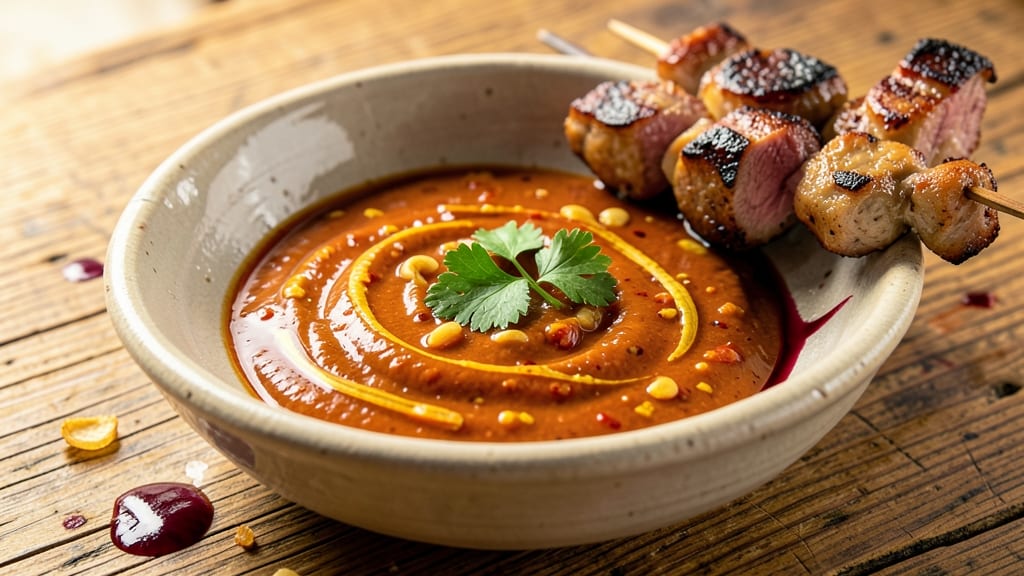
This anticuchera sauce recipe delivers the bold, tangy punch that makes Peruvian street food legendary—where fire meets vinegar in a marinade so vibrant it transforms simple beef skewers into unforgettable bites.
The secret lies in balancing white vinegar's sharpness with garlic, ají amarillo, and a touch of wine, creating a sauce that's as complex as it is addictive.
I perfected this version after years of testing, ensuring every skewer gets that signature tangy, slightly sweet, and spicy kick that defines Lima's street food culture.
What sets this sauce apart is its dual purpose: it marries the beef while doubling as a dipping sauce, so every bite delivers that bright, acidic contrast against the smoky char of grilled meat.
The recipe relies on just 8 core ingredients—no hidden shortcuts—with optional ají amarillo paste for authentic heat or a splash of red wine for depth. Unlike store-bought versions, this one builds flavor gradually, so the longer it sits, the better it tastes.
By the time you're done, you'll have a glossy, aromatic sauce that clings to beef like a second skin, packing layers of garlic, vinegar, and chili into every bite. The acidity tenderizes the meat while the spices add warmth, making even the toughest cuts melt in your mouth.
This isn't just a sauce—it's the soul of anticuchos, and it works just as well on grilled chicken or shrimp.
Make a double batch: the leftovers keep for 5 days in the fridge and only get better as flavors meld. Serve with anticuchos for the full experience, or drizzle over grilled vegetables for a quick, restaurant-worthy meal. Here's how to make it—step by step.
Ingredients for anticuchera sauce
Eight bold ingredients transform into the fiery, tangy soul of Peruvian street food.
| Ingredient | Amount | Notes |
|---|---|---|
| White Vinegar 💧 | ½ cup | Distilled white vinegar preferred |
| Garlic Cloves 🧄 | 6 cloves | Freshly minced for depth |
| Ají Amarillo Paste 🌶️ | 1 tbsp | Or sub 1 tsp cayenne for heat |
| Red Wine 🍷 | ¼ cup | Bold dry variety like Cabernet |
| Olive Oil 🫒 | ¼ cup | Extra-virgin for richness |
| Soy Sauce 🥢 | 1 tbsp | For umami depth |
| Ground Cumin 🌿 | ½ tsp | Toasted for warmth |
| Salt 🧂 | 1 tsp | Kosher or sea salt |
| Honey 🍯 | 1 tsp | Optional for balance |
The ají amarillo paste is non-negotiable for authentic heat—La Costeña brand is my go-to, but any quality Peruvian paste works. If you can't find it, cayenne or achiote are decent swaps, though the flavor won't be identical. The garlic? Freshly minced makes all the difference—pre-minced loses punch fast. For the vinegar, distilled white is key; apple cider vinegar adds unwanted sweetness. The red wine should be bold—whatever's open in your fridge works, but dry Cabernet or Malbec adds depth.
No ají amarillo? Cayenne or chili powder at half the amount brings heat, though it won't match the citrusy depth. Short on red wine? Beef broth or extra vinegar keeps the tang. The honey is optional but balances the acidity beautifully—skip it if you prefer pure tang. For soy sauce, low-sodium works too, but taste as you go. The cumin? Toast it in a dry pan for 30 seconds first—trust me, it changes everything. And if you're making a big batch, double the garlic and ají; the sauce only gets better as it sits.
This sauce peaks after 24 hours—make it a day ahead if possible. Store in an airtight jar in the fridge for up to 5 days, though it'll likely disappear faster. The flavors meld beautifully over time, so don't rush it. Freezes well for 3 months if you're planning ahead. Leftovers? Drizzle over grilled anything—chicken, shrimp, or even roasted potatoes—it's that versatile.
Why You'll Love This Recipe
- This sauce works for everything: drizzle it over grilled anticuchos, toss it with roasted potatoes, or even use it as a marinade. I’ve served it at backyard BBQs and lazy Sunday brunches. It’s the kind of versatile sauce that makes me feel like I’ve actually cooked when I haven’t.
- Five-Ingredient Magic: I swear by this—just vinegar, garlic, ají amarillo, wine, and oil. No fancy pantry trips, no last-minute grocery runs. The sauce comes together while you grill the meat, and honestly? That’s the kind of recipe I’ll make when I’m too tired to overthink dinner.
- Umami Bomb: Between us, the ají amarillo paste and red wine give this sauce a depth that’s ridiculously good. It’s tangy but rich, bright but savory—like a hug for your taste buds. My husband licks the spoon when I make it, and he’s not a fan of spicy food.
- Weeknight & Weekend: This sauce works for everything: drizzle it over grilled anticuchos, toss it with roasted potatoes, or even use it as a marinade. I’ve served it at backyard BBQs and lazy Sunday brunches. It’s the kind of versatile sauce that makes me feel like I’ve actually cooked when I haven’t.
Step-by-step instructions for anticuchera sauce
This vibrant sauce comes together fast—just a few minutes of simmering transforms bold flavors into something extraordinary.
Bloom the Aromatics in Olive Oil
Heat the 0.25 cup olive oil in a medium saucepan over medium-low heat. Add the 6 cloves minced garlic cloves and cook for 1-2 minutes until they're fragrant but not browned—just golden around the edges. Watch closely; garlic burns quickly, and you want that sweet, nutty aroma without bitterness.
Next, stir in the 1 tbsp ají amarillo paste and let it cook for another 30 seconds. You'll see the paste darken slightly as it releases its smoky, fruity heat. This step builds the sauce's signature depth, so don't rush it. The paste should dissolve completely into the oil, creating a smooth base for the rest of the ingredients.
Deglaze with Vinegar and Wine
Pour in the 0.5 cup white vinegar and 0.25 cup red wine, scraping up any browned bits from the bottom of the pan with a wooden spoon. This deglazing step captures all those flavorful aromatics that would otherwise stick to the pan. The mixture will bubble vigorously at first, but reduce heat slightly to medium to let it simmer gently.
Let the sauce bubble for 3-4 minutes until it reduces by about half. You're looking for a syrupy consistency here—the vinegar's sharpness should mellow into something more balanced, and the wine should contribute a rich, fruity undertone. If it reduces too quickly, lower the heat to maintain a gentle simmer.
Add Umami and Balance the Flavors
Stir in the 1 tbsp soy sauce, 0.5 tsp ground cumin, 1 tsp salt, and 1 tsp honey. The soy sauce adds umami depth, while the cumin brings warmth and earthiness. The honey rounds out the acidity and balances the heat from the ají amarillo. Give everything a good stir and let the sauce simmer for another 2-3 minutes until all the ingredients are fully incorporated and the flavors meld together.
Taste the sauce at this point and adjust the seasoning if needed. If it's too sharp, add a splash more honey. If it needs more depth, a pinch of salt or another teaspoon of soy sauce will do the trick. The sauce should be tangy, slightly sweet, and packed with layers of flavor—ready to drizzle over your anticuchos.
Strain and Finish
Let the sauce cool slightly, then strain it through a fine-mesh sieve into a clean bowl or jar. This step removes any garlic bits or undissolved paste, leaving you with a smooth, silky sauce. If you prefer a slightly thicker texture, simmer the strained sauce for another 1-2 minutes over low heat until it reaches your desired consistency.
Use the sauce immediately over grilled anticuchos or store it in an airtight container in the refrigerator for up to 1 week. The flavors will deepen over time, so it’s even better the next day. This sauce is the heart of your dish—bright, bold, and full of Peruvian soul.
Pro Tips For Making Anticuchera Sauce
- CRUSH THE GARLIC: Start with 3-4 cloves, but smash them with the flat side of your knife first—no chopping, just bruising. This releases more flavor and blends smoother into the sauce. (Yes, it looks like you’re overkill, but trust me, the difference is noticeable.)
- LOW AND SLOW: Simmer the sauce on medium-low heat—if it boils hard, the vinegar will evaporate too fast and leave a sharp, unbalanced taste. You want gentle bubbles, not a rolling pot. (I learned this after making sauce that tasted like someone poured vinegar over my food at the last second.)
- STRAIN THE PASTE: Ají amarillo paste is thick—if you don’t strain it through a fine-mesh sieve, you’ll end up with a gloppy, uneven sauce. Take the extra 30 seconds and skip the lumps. (Your mouth will thank you when you’re not chewing on paste bits.)
- SAVE THE WINE: Don’t dump the entire bottle in—use about ½ cup, then reduce it by half before adding it to the sauce. This concentrates the flavor without making the dish taste like you’re drinking it. (And yes, you can use the rest for dinner.)
Make-ahead tips for this recipe
Prep Ahead
Make this sauce 24 hours in advance—it develops deeper flavor as the vinegar and spices meld. I always prepare mine the night before grilling, so it's ready to marinate or drizzle.
Store in an airtight glass jar in the fridge, where it keeps for up to 5 days without losing potency. The longer it sits, the more complex the flavors become—trust the process! 💫
Marinate Meat
Use half the batch to marinate beef skewers for 2-4 hours before grilling. The acidity tenderizes the meat while infusing it with bold garlic and chili notes. I recommend using flank steak or skirt steak, cut into 1-inch cubes and threaded onto skewers.
Let them sit in the fridge while the sauce works its magic on the meat. 🍖
Freeze for Later
For long-term storage, freeze the sauce in ice cube trays or small jars. Each cube or jar portion is perfect for a single use. Thaw overnight in the fridge before using—no microwave needed.
The sauce retains its vibrant color and tangy kick, making it ideal for spontaneous grilling sessions. Label with the date to track freshness. ❄️
Double Batch
This sauce is so versatile, I always make double the recipe. The extra portion works as a dipping sauce for grilled shrimp or a tangy glaze for roasted vegetables.
Store the second batch in a separate jar, so you can grab it whenever you need a quick flavor boost. It’s a game-changer for weeknight meals—just drizzle and enjoy! 🌟
Reheat Gently
If you’ve stored the sauce in the fridge, reheat it gently on the stovetop over low heat for 2-3 minutes. Avoid boiling, as it can make the sauce too thin. Stir occasionally and taste as you go—adjust with a splash of water or vinegar if needed.
The goal is to restore its glossy texture while keeping all those bright flavors intact. 🔥
Flavor Boost
Before serving, add a fresh squeeze of lime juice or a pinch of smoked paprika to the reheated sauce. These final touches elevate the dish, adding a citrusy brightness or smoky depth that pairs perfectly with grilled meats.
It’s a simple trick that makes the sauce feel even more restaurant-worthy. ✨
Nutrition facts
Frequently asked questions
Can I make this sauce without ají amarillo?
Yes! For heat, use ½ teaspoon cayenne pepper or 1 teaspoon chili powder instead. For smoky depth without heat, try ½ teaspoon smoked paprika. The sauce will still taste amazing—just with a different flavor profile.
How long should I marinate the beef?
For tender, flavorful anticuchos, marinate the beef for at least 2 hours—up to 4 hours for maximum absorption. The acidity in the sauce breaks down the meat fibers, making it juicier. Just don’t exceed 6 hours to avoid over-tenderizing.
Can I use this sauce on other proteins?
This sauce works beautifully on grilled chicken, shrimp, or even tofu for a vegetarian option. For seafood, reduce the marinating time to 30-60 minutes to prevent over-acidification. It’s also fantastic as a dipping sauce for fries or empanadas.
Why does my sauce look cloudy?
Cloudiness usually means the sauce hasn’t reduced enough or contains undissolved ingredients. Strain it again through a fine-mesh sieve, then simmer for 1-2 extra minutes over low heat to thicken. If it’s still thin, reduce it further or add ½ teaspoon cornstarch mixed with water as a slurry.
What’s the best way to store leftovers?
Store in an airtight glass jar in the fridge for up to 5 days. For longer storage, freeze in ice cube trays or small jars (thaws perfectly overnight in the fridge). Reheat gently on the stovetop—never microwave—to preserve its glossy texture and vibrant flavors.