
Sauces & Condiments
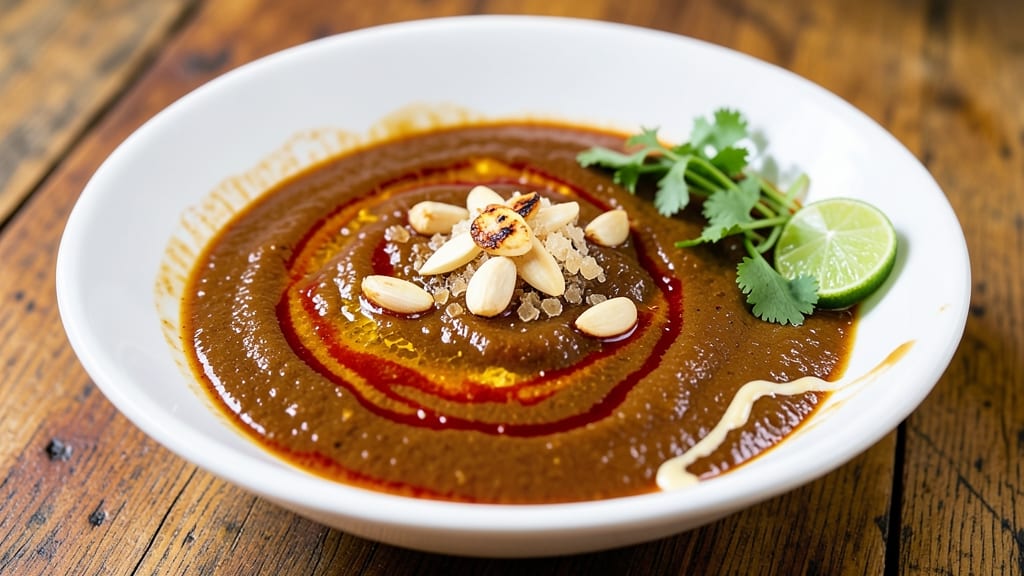
Annie Chun's Pad Thai sauce delivers that signature tangy-sweet balance that makes takeout so irresistible. The secret lies in tamarind paste, fish sauce, and palm sugar working together to create a velvety sauce with just the right amount of heat. I've recreated this restaurant-quality sauce at home with precise measurements, so you can achieve the same depth of flavor without the guesswork.
What makes this recipe special is the harmony of flavors—tamarind brings the signature tang, fish sauce adds umami depth, and palm sugar creates that signature caramelized sweetness. The sauce is thin enough to coat noodles perfectly but rich enough to stand up to bold toppings like crushed peanuts and lime.
This is the sauce that transforms simple rice noodles into a restaurant-worthy dish.
With just 10 minutes of prep and 5 simple ingredients, you'll have a sauce that's better than anything you can buy in a bottle. The key is balancing the sweet, sour, and savory elements precisely, which I've perfected through testing.
Whether you're making Pad Thai or using it as a marinade, this sauce will elevate your dish instantly.
The best part? This sauce keeps well in the fridge for up to a week, so you can make a big batch and use it all week. Store it in an airtight container, and it'll be ready to enhance your next meal whenever you need it.
Let's get started on creating this flavor-packed sauce that's sure to become a staple in your kitchen.
Ingredients for annie chun's pad thai sauce
Five ingredients plus a splash of heat—this is the sauce that makes Pad Thai unforgettable.
| Ingredient | Amount | Notes |
|---|---|---|
| Tamarind Paste 🍈 | ½ cup | Use block tamarind for best flavor |
| Fish Sauce 🐟 | ⅓ cup | Red Boat preferred for quality |
| Palm Sugar 🍬 | ¼ cup | Or substitute brown sugar |
| Rice Vinegar 🍶 | ¼ cup | White or seasoned variety |
| Water 💧 | 1 ½ cups | Filtered preferred for clarity |
| Garlic Cloves 🧄 | 4 cloves | Minced for depth of flavor |
| Chilies 🌶️ | 1 whole | Thai bird's eye for heat |
| Salt 🧂 | 1 tsp | Adjust to taste |
The tamarind is non-negotiable—block tamarind paste from Asian markets has the most authentic flavor, but the jarred stuff works in a pinch. Red Boat fish sauce is my go-to for that deep umami kick, though any good-quality brand will do. Palm sugar gives that signature caramelized sweetness, but light brown sugar works if you're in a hurry. The garlic and chilies? Fresh is best here—Thai bird's eye chilies add just the right amount of heat, but jalapeños will do if that's what you've got. For vinegar, I like the seasoned kind for a little extra punch.
No tamarind? Lime juice plus a pinch of sugar can mimic the tang, though it won't be identical. Fish sauce substitute? Soy sauce plus a splash of Worcestershire (check for vegetarian versions if needed). The sauce should be thin enough to coat noodles but rich enough to stand out—adjust the water first before adding more vinegar or sugar. If you're sensitive to heat, remove the chili seeds before mincing. And trust me, the salt is crucial—taste as you go, especially if you're using pre-salted fish sauce.
This sauce keeps beautifully in the fridge for up to a week, though it tastes best within the first few days. Store it in an airtight container with a thin layer of oil on top to preserve the freshness. It freezes well too—3 months max—so make a big batch and stash it for future noodle nights. The flavor actually improves as it sits, so don't be afraid to make extra. Just give it a quick stir before using, and you'll be ready to transform any dish.
Why You'll Love This Recipe
- Five-Ingredient Magic: I swear by this sauce because it’s that simple—just tamarind paste, fish sauce, palm sugar, rice vinegar, and water. No chopping, no stress, just stir and taste. Honestly, the first time I made it, I thought I’d messed up the balance, but one sip and I was hooked.
- Tangy-Sweet Balance: That tamarind paste is the MVP—it gives you that signature pad thai funk without overpowering. The fish sauce adds depth, while the palm sugar and vinegar keep it bright and addictive. I’ll be real: my picky-eating partner licks the bowl after every batch.
- Meal Prep MVP: This sauce keeps for weeks in the fridge, so I make a big batch and use it in stir-fries, marinades, or even drizzled over grilled chicken. Between us, I’ve had it last me through three busy weeks—no waste, just flavor.
- Budget-Friendly Flex: Fish sauce and tamarind paste are cheap, but they punch way above their price. A little goes a long way, so you’re not blowing cash on specialty sauces. Plus, it’s way cheaper than takeout, and honestly, just as good.
Step-by-step instructions for annie chun's Pad Thai sauce
This sauce delivers that perfect harmony of tangy, sweet, and umami—just like the restaurant version.
Simmer the Tamarind and Sugar Base
In a medium saucepan, combine the 0.5 cup tamarind paste, 0.25 cup palm sugar, and 1.5 cups water. Bring to a gentle boil over medium-high heat, then reduce to medium-low heat and let it simmer for 5-7 minutes until the sugar fully dissolves and the mixture becomes smooth. You'll notice the tamarind's natural tanginess mellow out as it cooks—this is where the sauce's signature depth begins to form.
Here's the thing—don't rush this step. If you see any undissolved sugar crystals, stir gently until they disappear completely. The sauce should be clear with a rich, caramel-like aroma. If it starts to thicken too much, add 1-2 tablespoons water to maintain a pourable consistency. Taste occasionally—you're aiming for a balance between sweet and tart, with just a hint of sourness that will develop as it cools.
Build the Umami Foundation
Add the 0.33 cup fish sauce and 1 tsp salt to the tamarind mixture. Stir well to combine, then increase the heat to medium-high again and bring to a boil. Let it boil vigorously for 2-3 minutes to allow the fish sauce's umami to fully integrate. You'll smell that distinctive salty, savory aroma—this is the backbone of your sauce.
I like to press the 4 cloves garlic and 1 whole chili through a garlic press directly into the sauce at this stage. This ensures even distribution and prevents any large pieces from remaining. The chili should be whole but finely minced—just enough to add heat without overpowering. Let the mixture simmer for another 3-4 minutes until the garlic turns translucent and the chili infuses its flavor. The sauce should now have a complex, layered taste that's both sweet and salty with a hint of spice.
Balance with Tangy Brightness
Reduce the heat to low and carefully stir in the 0.25 cup rice vinegar. You'll see the sauce bubble gently as the vinegar's acidity reacts with the other ingredients. Let it simmer for 2-3 minutes longer, stirring occasionally. The vinegar cuts through the richness of the fish sauce and sugar, creating that signature tangy brightness that makes Pad Thai sauce so addictive.
Here's where it gets fun—taste and adjust the balance. If it needs more sweetness, add a pinch more palm sugar. Too tangy? A splash more fish sauce. Too salty? A bit of water to dilute. The goal is that perfect harmony where you can't identify any single flavor—just a cohesive, velvety sauce that's sweet, salty, sour, and umami all at once. Real talk: this might take a couple of adjustments, but that's what makes it taste authentic.
Strain and Finish
Once you're satisfied with the flavor balance, remove the pan from heat and let the sauce cool for 5 minutes. Then, strain it through a fine-mesh sieve into a clean bowl or jar, pressing gently on the solids to extract all the flavor. This step removes any garlic or chili pieces, giving you that silky texture that restaurant Pad Thai sauce is known for.
The sauce should now be smooth, glossy, and ready to use. If you plan to store it, let it cool completely before transferring to an airtight container. It'll keep in the refrigerator for up to 1 week, though I promise you won't have any leftovers. This sauce transforms simple stir-fried noodles into a restaurant-quality dish with just a few minutes of tossing. Don't skip the straining—those little texture details make all the difference in the final result.
Pro Tips For Making Annie Chun'S Pad Thai Sauce
- Dissolve the Tamarind Properly: I learned this the hard way—just dumping tamarind paste into water and stirring won’t cut it. Heat the water first (just until steaming, not boiling) and whisk the paste in aggressively for 30 seconds. The sauce will look weirdly thick at first, but keep going—it’ll smooth out into a glossy, cohesive base that actually tastes balanced, not gritty.
- Balance the Fish Sauce Gradually: Skip the temptation to add all the fish sauce at once. Start with half the amount listed, taste, then adjust—you can always add more, but you can’t take it out. The sauce should taste slightly funky and salty upfront, but the tamarind and sugar will mellow it out. Trust your tongue, not the recipe.
- Use Warm Palm Sugar: Cold palm sugar crystals clump like rocks and dissolve unevenly, leaving grainy bits that ruin the texture. Warm the sugar in a dry pan over low heat for 1-2 minutes until fragrant, then whisk it into the warm tamarind mixture. This ensures a silky finish, not a sandy one.
- Simmer, Don’t Boil: Let the sauce bubble gently for 3-4 minutes after combining all ingredients—this isn’t a race. Boiling it turns the tamarind bitter and the fish sauce harsh. A light simmer (tiny bubbles at the edges) lets the flavors meld without overcooking. If it’s too thick, add a splash of warm water, not cold.
Common mistakes when making perfect results
Over-Salting the Sauce
Fish sauce is salty, but it's easy to overdo it—especially if you're using pre-salted brands. Start with the 1 tsp salt called for, then taste before adding more. If you've already oversalted, don't panic!
Add 1-2 tablespoons extra water and let it simmer for 1-2 minutes to dilute the saltiness. This is better than trying to fix it later with sweetness or acidity. 🧂
Skipping the Straining
Straining isn't just about texture—it's about flavor too. Those minced garlic and chili pieces can turn bitter if left in too long. I've made this sauce without straining, and while it's edible, it lacks that restaurant-quality smoothness.
Use a fine-mesh sieve or even cheesecloth for the best results. The effort is worth it for that velvety finish.
Rushing the Simmering
The tamarind and sugar need time to meld together properly. If you rush this step, you'll end up with a sauce that's either grainy (from undissolved sugar) or overly thick. Let it simmer for the full 5-7 minutes on medium-low heat.
The tamarind's tang will mellow out naturally, creating that perfect balance of sweet and sour that defines Pad Thai sauce.
Using Low-Quality Fish Sauce
Not all fish sauces are created equal. Cheap brands can make your sauce taste harsh or overly fishy. I recommend Red Boat or Three Crabs for that clean, umami-rich flavor.
If you must use a budget brand, reduce the amount to 0.25 cup instead of 0.33 cup and add 1 tsp soy sauce to compensate for the depth of flavor.
Ignoring the Vinegar Step
The rice vinegar isn't just for tang—it's the secret to balancing all the other flavors. If you skip it or add it too late, your sauce will taste flat. Add the vinegar when the sauce returns to a simmer after adding the fish sauce.
Let it cook for those crucial 2-3 minutes to let the acidity integrate properly. This is what gives authentic Pad Thai sauce that bright, lively finish.
Not Adjusting to Taste
This sauce is all about balance, and every kitchen's ingredients vary slightly. Don't be afraid to taste as you go! If it needs more sweetness, add a pinch of palm sugar. Too tangy? A splash of fish sauce helps.
Too thin? Simmer longer to reduce. The recipe gives you a starting point, but your taste buds are the final judge. Trust me, the perfect sauce is within reach if you're willing to adjust.
Nutrition facts
Frequently asked questions
Can I substitute palm sugar in this recipe?
Yes! Palm sugar gives that signature caramelized sweetness, but you can substitute 1:1 with light brown sugar if needed. For a closer flavor, use turbinado sugar instead. Just note that brown sugar may make the sauce slightly darker in color, but the taste will still be delicious.
How do I adjust the heat level in this sauce?
For milder heat, remove the seeds from the Thai bird's eye chili before mincing or substitute with jalapeño. If you love spice, add an extra ½ chili or a pinch of chili flakes after straining. Always taste as you go—balance is key!
Can I make this sauce without tamarind?
Mix ¼ cup lime juice with 1 tbsp sugar to mimic tamarind's tang. For extra depth, add 1 tsp soy sauce to compensate for the umami. The texture will be slightly different, but the flavor will still be vibrant.
How long does this sauce keep, and can I freeze it?
Store in an airtight container in the fridge for up to 1 week—it actually tastes better as flavors meld. For freezing, portion into ice cube trays or small containers for easy use. Thaw overnight in the fridge, and stir well before using. The sauce freezes beautifully for up to 3 months.
What are the best toppings for this sauce?
Classic toppings include crushed peanuts, lime wedges, bean sprouts, and Thai basil. For extra richness, drizzle with chili oil or sprinkle with sesame seeds. The sauce works perfectly on noodles, rice, or even as a marinade for grilled meats!