
Sauces & Condiments
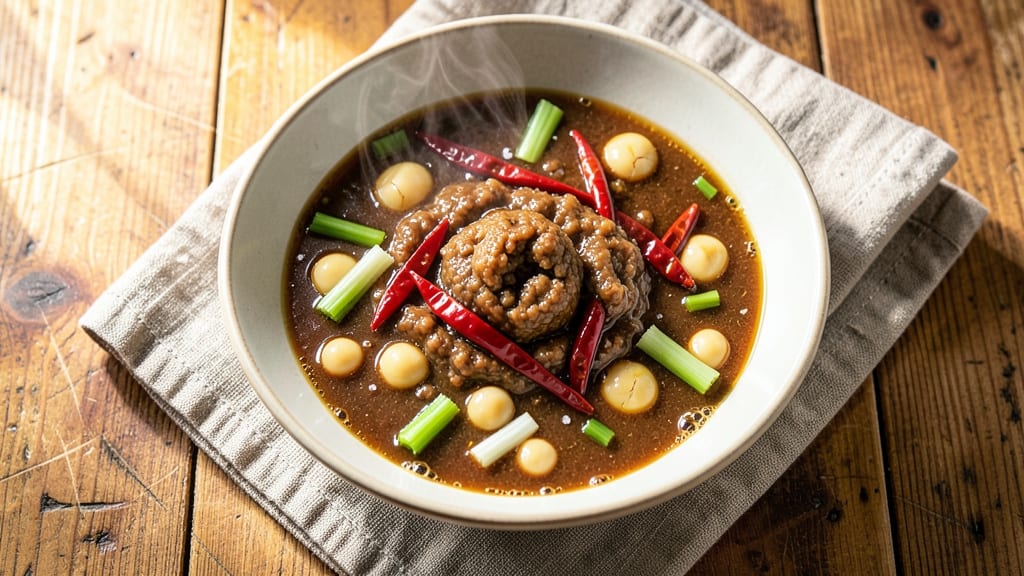
This ankake sauce recipe transforms traditional Japanese fermentation into a smoky, chipotle-infused condiment that elevates everything from tacos to grilled meats. The process combines koji, soybeans, and salt to create a rich, umami base before blending in heat and fresh celery for a signature sparkle.
What makes this version special is the smoky chipotle kick—it’s bold enough to stand alone but balanced for everyday cooking.
The foundation starts with koji, a fermented rice mold that develops deep, savory notes over time. For a modern shortcut, store-bought koji works perfectly, cutting prep time without sacrificing flavor. Salt and water create the brine, while soybeans add body and texture.
After fermentation, the sauce gets a creamy twist with chipotle peppers and a touch of celery for brightness—think of it as a fusion of Japanese tradition and smoky Mexican heat.
What you’ll end up with is a velvety, slightly tangy sauce with layers of smokiness and umami, perfect for drizzling over grilled proteins, tossing with noodles, or mixing into dressings. The celery crown adds a fresh crunch and visual appeal, making it as impressive as it is delicious.
Best of all, it keeps well in the fridge for weeks, so you can make a batch and enjoy it all season long.
Whether you’re a fermentation enthusiast or just love bold flavors, this ankake sauce delivers restaurant-quality depth with minimal effort. The key is patience—letting the koji and soybeans develop their flavors fully—but the result is worth every minute. Ready to elevate your dishes?
Ingredients for ankake sauce
Fermented koji meets smoky chipotle—just ten ingredients for bold, creamy sauce magic.
| Ingredient | Amount | Notes |
|---|---|---|
| Koji (fermented rice mold) 🍚 | 1 package | Store-bought for convenience |
| Yellow Soybeans 🌱 | 1 cup | Dry, uncooked, rinsed well |
| Kosher Salt 🧂 | ½ cup | Diamond Crystal preferred |
| Cold Water 💧 | 1 ½ cups | Filtered preferred for clarity |
| Chipotle Peppers in Adobo 🔥 | 4 whole | Canned, minced for smooth texture |
| Fresh Celery Stems 🥬 | ½ cup | Finely chopped for celery crown |
| Extra-Virgin Olive Oil 🫒 | ¼ cup | High-quality for richness |
| Lime Juice 🍋 | 2 tbsp | Freshly squeezed for brightness |
| Garlic Cloves 🧄 | 2 cloves | Peeled, minced for depth |
| Honey 🍯 | 1 tbsp | For subtle sweetness balance |
Koji is the secret weapon here. San Francisco Bay Koji or Kikkoman brands work perfectly, cutting weeks of fermentation down to days. Look for packages labeled 'koji starter' or 'koji mold'—it should smell nutty and earthy, not musty. Yellow soybeans are key for texture; Asian markets often carry them pre-soaked, but regular grocery stores sell dry ones. The salt matters too—Diamond Crystal dissolves cleaner than table salt, which can leave grit. If you're short on time, store-bought ankake paste (like Kikkoman's) can be the base, but homemade develops deeper flavor.
No chipotles in adobo? Smoked paprika plus a dash of liquid smoke gets you close, though it won't have that authentic tang. Celery crown missing? Fresh parsley or cilantro adds brightness in a pinch. The olive oil should be fruity and peppery—California-made oils like Corto or Omni tend to shine here. Lime juice is non-negotiable for freshness, but if you're out, lemon juice plus a pinch of salt works. For a sweeter balance, swap honey for agave or maple syrup—just taste as you go. The garlic can be roasted for mellow sweetness if you prefer.
This sauce gets better with age—2-3 weeks in the fridge lets flavors meld beautifully. Store in a glass jar with a tight seal, submerged under a thin layer of olive oil to preserve freshness. Portion into small containers for easy drizzling; it keeps up to 3 months in the freezer. The celery crown wilts fast, so add it fresh just before serving. Double the batch—you'll want this on everything from tacos to grilled fish.
Why You'll Love This Recipe
- No-Fuss Fermentation: I’ll admit, I was nervous about koji at first—but it’s just a sprinkle and a wait. No blending, no straining, just mix the mold with cold water and yellow soybeans, then let it sit. Honestly, the hardest part is resisting the urge to taste it before it’s ready.
- Umami Bomb: That chipotle in adobo brings the heat, but it’s the koji and yellow soybeans working together that make this sauce ridiculously good. Sweet, funky, and just a little smoky—it’s the kind of flavor that makes you pause mid-bite and go, “Wait, why isn’t this on everything?”
- Game for Any Meal: Slather it on grilled fish, toss it with rice, or drizzle it over tacos—this sauce doesn’t care what you throw at it. I’ve used it for weeknight dinners, potlucks, and even as a quick marinade. Between us, it’s my secret weapon for when I’m too tired to plan.
- Make-Once, Use-Twice: The best part? It keeps for weeks in the fridge, and the flavor only gets better. I make a big batch on Sunday, then use it all week—no takeout, no last-minute grocery runs. Plus, the ingredients are cheap, so you’re basically getting gourmet flavor for pennies.
Step-by-step instructions for ankake sauce
Here's how to craft this rich, smoky sauce with a perfect balance of heat and brightness.
Soak and Ferment the Soybeans
Place the 1 cup Yellow Soybeans in a large bowl and cover them with 1.5 cups Cold Water. Let them soak for at least 12 hours at room temperature, or overnight in the refrigerator. This step is crucial—it softens the soybeans and kickstarts fermentation that will give the sauce its deep umami character.
After soaking, drain the soybeans thoroughly, discarding the soaking water. Transfer them to a clean bowl and add the 1 package Koji (fermented rice mold). Using clean hands, gently massage the koji into the soybeans until it coats them evenly. This creates the enzymatic action that will develop the sauce's complexity over time.
Cook the Soybean Mixture
In a heavy-bottomed saucepan, combine the coated soybeans with 0.5 cup Kosher Salt and 1 cup fresh water. Bring to a boil over medium-high heat, then immediately reduce to a simmer. Cook uncovered for 45-60 minutes, stirring occasionally, until the mixture thickens into a paste-like consistency.
You'll know it's ready when the mixture pulls away from the sides of the pan and has a smooth, spreadable texture. If it's still too loose, continue simmering for another 5-10 minutes. This cooked base will form the creamy foundation of your ankake sauce, so don't rush this step.
Build the Smoky Base
While the soybean mixture cooks, prepare the chipotle mixture by mincing the 4 whole Chipotle Peppers in Adobo finely—you want them almost paste-like. In a separate small saucepan, heat the 0.25 cup Extra-Virgin Olive Oil over low heat and add the minced chipotles. Cook for 3-4 minutes until fragrant, then remove from heat.
Add the minced chipotle oil to the cooked soybean mixture along with the 2 cloves Garlic Cloves (minced) and 0.5 cup Fresh Celery Stems (finely chopped). Stir well to combine, then add the 2 tbsp Lime Juice and 1 tbsp Honey. The lime brightens the smoky depth while the honey rounds out the heat. Simmer the entire mixture for another 10-15 minutes until it reaches your desired thickness.
Finish and Rest the Sauce
Taste the sauce and adjust the seasoning if needed. You might want to add a pinch more salt or a splash of lime juice for balance. Once satisfied, transfer the sauce to a clean jar or container and let it cool to room temperature. Then, refrigerate for at least 4 hours—preferably overnight—to allow the flavors to meld and develop fully.
This resting period is essential. It lets the sauce thicken naturally and allows the chipotle heat to mellow slightly, creating a more complex, layered flavor profile. When you're ready to use it, give the sauce a good stir before serving—it will have thickened further during refrigeration, but it should still be spreadable.
Pro Tips For Making Ankake Sauce
- BLEND THE KOJI FIRST: I learned this the hard way—trying to mix koji into the sauce after blending the soybeans just leaves clumps. Pulse the koji with the cold water before adding anything else. This breaks it down into a fine, even paste that dissolves completely.
- SOAK THE SOYBEANS LONGER: Yellow soybeans need at least 4 hours in cold water to soften properly—any less and they’ll turn to mush or stay gritty. Drain them right before blending, and pat them dry if they’re slick. Trust me, your sauce will thank you.
- SALT IN STAGES: Don’t dump all the kosher salt at once. Start with half, taste the sauce, then adjust. The chipotle peppers in adobo bring their own saltiness, and you’ll end up overdoing it if you’re not careful. A little at a time keeps the balance right.
- SIMMER DON’T BOIL: After blending, keep the sauce at a gentle simmer—not a rolling boil. Too much heat kills the koji’s funky depth and can make the sauce taste flat. Low and slow (10-15 minutes) lets the flavors meld without losing what makes ankake special.
Dietary considerations for this dish
Gluten-Free Adaptations
This ankake sauce is naturally gluten-free, thanks to its koji-free foundation (unlike traditional miso or shoyu-based sauces). The yellow soybeans and kosher salt provide all the umami and saltiness without gluten.
Just ensure your chipotle peppers in adobo and olive oil are certified gluten-free brands like Herdez or California Olive Ranch. Always double-check labels, as some adobo sauces may contain wheat-based additives. 🥄
Low-Sodium Options
If you're watching sodium, reduce the 0.5 cup kosher salt to 0.25 cup and compensate with extra lime juice or honey for brightness. For a salt-free version, omit the salt entirely and rely on the natural umami from the koji and soybeans.
Taste frequently during cooking—you may need to add a pinch of citric acid (½ tsp) to enhance flavor depth without sodium. 🧂
Vegan-Friendly
This recipe is already vegan! The yellow soybeans, koji, and olive oil provide all the richness without animal products. Just confirm your chipotle peppers in adobo are vegan (some brands use chicken fat).
For extra creaminess, blend in 1 tbsp aquafaba (chickpea brine) after cooking. The sauce pairs perfectly with vegan tacos, grilled portobello mushrooms, or tofu stir-fries. 🌱
Allergen Considerations
For soy allergies, substitute the yellow soybeans with 1 cup cooked lentils or chickpeas (blended into a paste). The koji must be soy-based, so this version won’t work for severe soy allergies—opt for a nut-based miso paste instead.
If celery is a concern, replace the 0.5 cup celery stems with 0.5 cup fresh parsley or cilantro. Always test small amounts when introducing new ingredients. 🚨
Heat Adjustments
For milder heat, reduce the 4 chipotle peppers to 2-3 or swap them for 1 tbsp smoked paprika. If you love spice, add 1 tbsp hot honey or 1 tsp cayenne powder at the end.
The honey and lime juice naturally balance heat, so adjust these first before adding extra spice. Taste as you go—this sauce is forgiving but best when the heat and brightness complement each other. 🔥
Storage for Dietary Needs
Store this sauce in an airtight glass container submerged under olive oil to preserve freshness and prevent oxidation. For gluten-free or vegan diets, label the container clearly. In the fridge, it keeps for 2-3 weeks—freeze for up to 3 months in ice cube trays for portion control.
Thaw overnight in the fridge and stir well before using. The texture may thicken slightly but can be thinned with water or lime juice as needed. ❄️
Nutrition facts
Frequently asked questions
What makes this ankake sauce different from traditional Japanese ankake?
This recipe blends traditional Japanese fermentation with smoky Mexican flavors. While classic ankake relies on koji and soybeans for umami, we've added chipotle peppers and lime for a bold, tangy twist. The celery crown adds freshness that traditional versions often lack, making it perfect for modern dishes like tacos or grilled meats.
Can I use store-bought koji instead of making it from scratch?
Store-bought koji (like San Francisco Bay Koji) works perfectly and saves time. It contains the same beneficial enzymes that develop the sauce's depth. Just follow the package instructions for proper use, then proceed with the recipe as written.
How do I adjust the heat level in this sauce?
For milder heat, reduce the chipotle peppers to 2-3 or swap them for 1 tbsp smoked paprika. If you love spice, add 1 tbsp hot honey or 1 tsp cayenne powder at the end. The honey and lime juice naturally balance heat, so adjust these first before adding extra spice.
What's the best way to store leftover ankake sauce?
Store in an airtight glass container submerged under olive oil to preserve freshness. It keeps for 2-3 weeks in the fridge or up to 3 months in the freezer. Freeze in ice cube trays for portion control—thaw overnight in the fridge and stir well before using.
Can I make this sauce without soybeans due to allergies?
For soy allergies, substitute the 1 cup yellow soybeans with 1 cup cooked lentils or chickpeas blended into a paste. Note that the koji must be soy-based, so this version won't work for severe soy allergies. Always test small amounts when introducing new ingredients.