
Sauces & Condiments
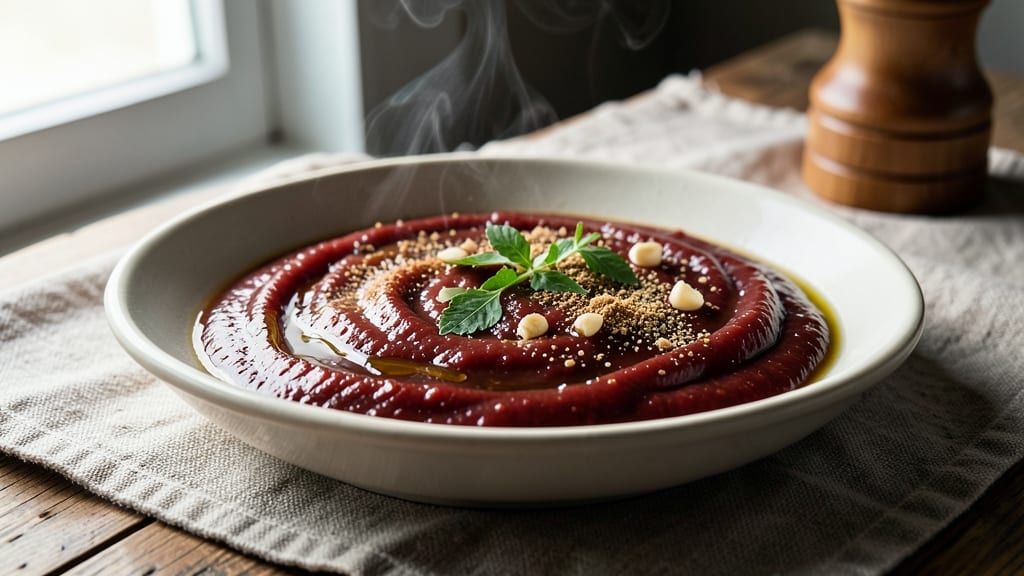
Alton Brown's enchilada sauce recipe delivers that signature slow-simmered depth with a perfect balance of smoky, tangy, and slightly sweet flavors. This sauce transforms ordinary dishes into restaurant-quality meals—whether you're making enchiladas, tacos, or nachos.
The secret lies in a three-stage cooking process that develops layers of umami and brightness without overpowering the dish.
What sets this sauce apart is the vinegar brightness that cuts through the richness, creating a complex flavor profile. Unlike quick recipes that rely on canned ingredients, this version builds flavor from scratch using tomato paste, spices, and a touch of acidity.
The slow simmer allows the spices to bloom fully, resulting in a sauce that's both bold and balanced.
Once you taste this sauce, you'll never go back to store-bought. It's versatile enough for any Mexican-inspired dish but rich enough to stand out on its own. The recipe includes optional variations for red or green versions, so you can customize it to your taste.
Best of all, it keeps well in the fridge, making it perfect for meal prep.
Ready to elevate your cooking? This sauce isn't just a condiment—it's the foundation of flavor for any dish. Let's get started on creating something truly special.
Ingredients for alton brown enchilada sauce
The secret to Alton Brown's legendary sauce lies in these twelve ingredients—where slow-simmered depth meets vinegar brightness.
| Ingredient | Amount | Notes |
|---|---|---|
| Tomato Paste 🍅 | ½ cup | San Marzano preferred for sweetness |
| White Wine 🍷 | ½ cup | Dry, like Sauvignon Blanc |
| Chicken Broth 🥫 | 1 ½ cups | Low-sodium preferred |
| Apple Cider Vinegar 🍏 | 1 tbsp | For tangy brightness |
| Garlic Cloves 🧄 | 4 cloves | Minced for deep flavor |
| Ground Cumin 🌿 | 1 tsp | Toasted for warmth |
| Smoked Paprika 🌶️ | 1 tsp | For smoky depth |
| Ground Oregano 🍃 | 1 tsp | Mexican preferred |
| Salt 🧂 | 1 tsp | Diamond Crystal preferred |
| Black Pepper 🌶️ | ½ tsp | Freshly cracked |
| Olive Oil 🫒 | 1 tbsp | Extra-virgin for richness |
| Fresh Cilantro 🌿 | ¼ cup | Chopped, optional garnish |
The San Marzano tomato paste is non-negotiable here—its natural sweetness and smooth texture form the sauce's backbone. Trader Joe's and Whole Foods carry the best cans, but any high-quality brand works. The white wine should be dry and crisp (Sauvignon Blanc or Pinot Grigio are my go-tos), as it adds brightness without overpowering. For the chicken broth, I always reach for low-sodium versions—Pacific Foods or Imagine are my pantry staples. The apple cider vinegar might seem simple, but it's the magic ingredient that cuts through the richness, creating that signature tang. Don't skimp on the garlic either—freshly minced makes all the difference, and it's worth the extra minute to prep it properly.
No white wine? Substitute with extra chicken broth plus a splash of lemon juice—it won't be identical, but it'll work in a pinch. Running low on smoked paprika? Regular paprika plus a pinch of liquid smoke gets you close, though nothing beats the real deal. The cilantro is purely optional but adds a fresh finish—skip it if you're not a fan, but trust me, it elevates the dish. For the cumin and oregano, Mexican varieties add an extra layer of authenticity, often found in the Latin aisle at Walmart or Kroger. And if you're making a green version, swap the tomato paste for blanched tomatillos and green chiles—same technique, totally different vibe.
This sauce tastes even better the next day as the flavors meld, so make a double batch if you're planning to use it over multiple meals. Store in an airtight container in the fridge for up to 5 days, or freeze for 3 months in portion-sized containers. I like to freeze it in ice cube trays, then transfer to a bag—just pop out what you need for each dish. The sauce thickens as it cools, so a splash of broth or water thins it out when reheating. And if you're feeling fancy, finish with a drizzle of extra-virgin olive oil and a sprinkle of fresh cilantro right before serving—trust me, it's worth the effort.
Why You'll Love This Recipe
- Pantry Magic: I swear by this sauce because it uses stuff I already have—tomato paste, a splash of wine, even chicken broth from last night’s roast. No special trips to the store, just open, simmer, and boom—depth of flavor without the fuss.
- Wine-Infused Wow: That white wine isn’t just for show—it cuts through the richness and brightens every bite. Honestly, the first time I tasted it, I thought, "Wait, is this from a restaurant?" The vinegar adds this tangy lift that makes it taste like you put in hours, not 20 minutes.
- Game for Any Meal: Slather it on enchiladas? Yes. Drizzle it over grilled chicken? Done. Even toss it with roasted veggies for a weeknight dinner. Between us, I’ve used it for tacos, quesadillas, and even as a pasta sauce—it’s that adaptable.
- Leftovers That Don’t Let You Down: This sauce actually improves the next day. The flavors meld into something even richer, and it reheats like a dream. I make a big batch on Sundays, freeze half, and still have enough for impromptu dinners. No sad, watery leftovers here.
Step-by-step instructions for Alton Brown's enchilada sauce
This sauce builds depth through slow simmering—where umami and acidity marry perfectly.
Bloom the Aromatics in Olive Oil
Heat the 1 tablespoon olive oil in a medium saucepan over medium-low heat. Add the 4 cloves minced garlic cloves and the 1 teaspoon ground cumin, stirring constantly for 30 seconds until fragrant but not browned. This step unlocks the garlic's sweetness without bitterness—don't rush it.
Next, whisk in the 1 teaspoon smoked paprika and 1 teaspoon ground oregano, toasting for another 15 seconds until the spices release their aroma. The pan should smell like a Mexican spice market—smoky, earthy, and slightly sweet. If the spices darken too quickly, reduce the heat slightly. This is where the sauce's character begins.
Deglaze with White Wine and Vinegar
Pour in the 0.5 cup white wine and 1 tablespoon apple cider vinegar, scraping the bottom of the pan with a wooden spoon to lift any browned bits. Let the liquid reduce by half—about 2-3 minutes—until it's syrupy and aromatic. The vinegar brightens the sauce while the wine adds complexity, balancing the richness that's coming.
Here's the thing—if you skip this reduction, the sauce will taste flat. The alcohol needs to cook off to reveal its true depth. Watch for the liquid to thicken noticeably before moving forward. If it reduces too quickly, lower the heat slightly to control the process.
Build the Sauce with Tomato Paste and Broth
Stir in the 0.5 cup tomato paste and let it cook for 1 minute, stirring constantly, until it darkens slightly and loses its raw taste. This step develops the sauce's deep, caramelized flavor. Then, pour in the 1.5 cups chicken broth, bringing everything to a gentle simmer.
Season with the 1 teaspoon salt and 0.5 teaspoon black pepper, then reduce the heat to low. Let the sauce simmer uncovered for 20-25 minutes, stirring occasionally. You're looking for a sauce that coats the back of a spoon with a velvety texture—thick enough to cling to tortillas but still silky smooth.
Finish with Fresh Cilantro
Once the sauce reaches your desired consistency, remove it from heat and stir in the 0.25 cup chopped fresh cilantro. This adds a bright, herbal finish that cuts through the richness. Taste and adjust seasoning—you might need a pinch more salt or a splash of vinegar to balance the flavors.
The sauce should be vibrant, with layers of smokiness, acidity, and umami. If it's too thick, whisk in 1-2 tablespoons of water to loosen it. If it's too thin, simmer uncovered for another 5 minutes to reduce further. This sauce tastes even better the next day, as the flavors meld and deepen.
Pro Tips For Making Alton Brown Enchilada Sauce
- Bloom the Garlic First: Toss those minced garlic cloves into the pot with the chicken broth before adding wine—let them steep for 30 seconds while you heat the broth. I used to add garlic later, and it’d just sit there like a flavorless afterthought. This step makes the sauce sing with depth.
- Deglaze with Vinegar Last: Save the apple cider vinegar for the very end—after the wine has reduced and the tomato paste has darkened. Splash it in with the final stir, then taste immediately. Vinegar upfront can make the sauce taste harsh and undercooked, even if you reduce it later.
- Don’t Rush the Tomato Paste: Let that tomato paste cook low and slow for at least 5 minutes, stirring constantly, until it turns a deep, glossy mahogany color. I learned this the hard way—skipping this step leaves the sauce looking flat and tasting like it’s missing something. Patience here is non-negotiable.
- Use Dry Wine (Seriously): Skip the cooking wine aisle and grab a cheap dry white from the regular wine section—like a Sauvignon Blanc or Pinot Grigio. Cooking wine has salt and preservatives that throw off the balance of this sauce. Trust me, your enchiladas will thank you.
Health benefits of alton brown enchilada sauce
Rich in Umami
This sauce is a powerhouse of umami-rich ingredients that create deep, savory flavors. The tomato paste provides natural glutamates that enhance meaty notes, while the white wine adds complexity without overpowering.
The chicken broth contributes additional umami, making this sauce perfect for pairing with proteins like chicken, beef, or shrimp. 🌶️
Balanced Acidity
The apple cider vinegar is the secret weapon here, cutting through the richness with bright acidity. This balance prevents the sauce from tasting flat or overly heavy, which is especially important for dishes like enchiladas where texture matters.
The acidity also helps preserve the sauce longer in storage, keeping flavors vibrant. 🍏
Antioxidant Boost
Fresh garlic and cilantro pack antioxidant properties that fight inflammation and support immune function. Garlic contains allicin, which has been shown to lower blood pressure, while cilantro is rich in vitamin K and vitamin C. Using these fresh ingredients elevates both flavor and nutrition in every bite. 🌿
Low-Calorie Versatility
Compared to creamy sauces, this enchilada sauce is surprisingly low in calories while delivering bold flavor. A ½-cup serving contains only about 50-60 calories, making it ideal for those watching their intake.
The slow-simmered technique concentrates flavors without adding extra fat or sugar, keeping it a guilt-free choice for health-conscious cooks. 💪
Digestive Benefits
The cumin and oregano in this sauce aren't just for flavor—they also aid digestion. Cumin contains digestive enzymes that help break down food, while oregano has antimicrobial properties that support gut health.
The smoked paprika adds a gentle warmth that can soothe the digestive system, making this sauce both delicious and beneficial. 🌡️
Meal Prep Friendly
This sauce stores well in the fridge for up to 5 days or freezes for 3 months, making it a perfect meal prep staple. The low-sodium chicken broth and controlled salt content keep it heart-healthy, while the vinegar and spices preserve freshness.
Double-batch it for easy reheating—just add a splash of water or broth if it thickens during storage. ❄️
Nutrition facts
Frequently asked questions
Can I make this sauce without white wine?
Replace the ½ cup white wine with ½ cup extra chicken broth plus 1 teaspoon lemon juice for brightness. The flavor won't be identical, but it'll still deliver that signature depth. For a non-alcoholic option, you could also use ½ cup apple juice—just add an extra pinch of salt to compensate for the sweetness.
How do I adjust the thickness for different dishes?
For enchiladas or tacos, aim for a sauce that coats the back of a spoon but still flows smoothly. If it's too thick after simmering, whisk in 1-2 tablespoons of water or broth. For nachos or dips, reduce the sauce longer (up to 30 minutes) until it reaches a spreadable consistency—almost like a thick gravy. Always taste as you go!
What's the best way to store leftovers?
Transfer to an airtight container and refrigerate for up to 5 days. For longer storage, freeze in portion-sized containers or ice cube trays (great for single servings!). Thaw overnight in the fridge, then reheat gently on the stove with a splash of water or broth to restore texture. The sauce actually improves overnight as flavors meld!
Can I make a vegetarian version?
Yes! Swap the chicken broth for vegetable broth and add 1 teaspoon soy sauce or miso paste for extra umami depth. For a green sauce variation, replace the tomato paste with blanched tomatillos and roasted green chiles—simmer for 20 minutes to develop the flavors. The same technique works perfectly for both versions.
Why does my sauce taste bitter?
Bitterness usually comes from overcooking the garlic or reducing the wine/vinegar too aggressively. For next time, remove the pan from heat just before the wine fully reduces (when it's syrupy but still has some liquid). Also, make sure your tomato paste is high-quality—cheap brands can taste metallic. If it's already bitter, balance it with a splash of apple cider vinegar or a pinch of sugar.