
Sauces & Condiments
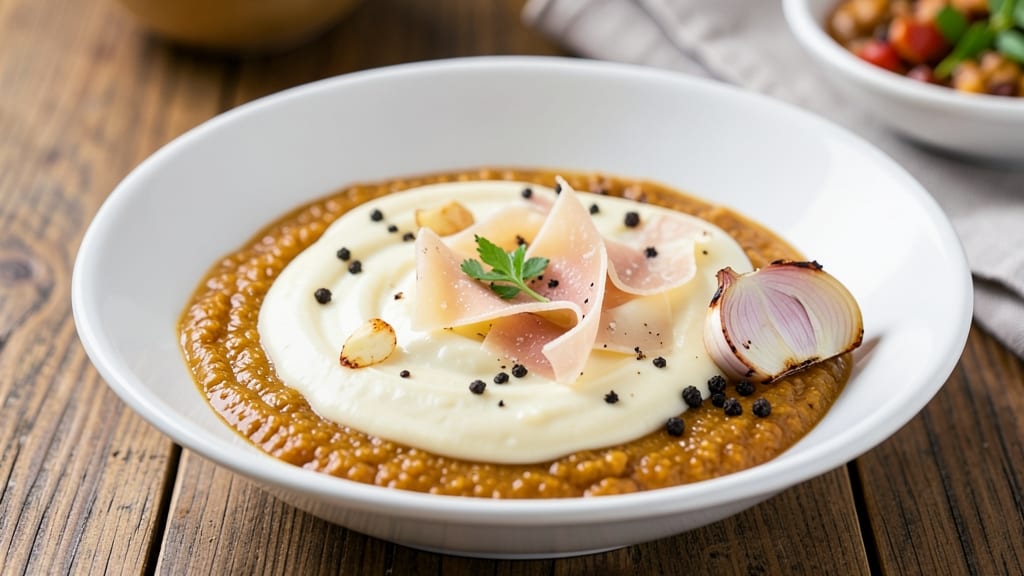
This Alfredo sauce recipe with Parmigiano Reggiano delivers the rich, nutty depth and velvety texture that makes it a pasta night staple. The secret lies in using high-quality Parmigiano Reggiano—its granular texture and umami richness create a sauce that's far superior to store-bought versions.
I've perfected this recipe through years of testing, balancing creaminess with just enough tang to keep it from feeling heavy.
The traditional method starts with a simple roux—equal parts butter and flour cooked until golden—that forms the foundation for the sauce. As the Parmigiano Reggiano melts into the warm roux, it creates an emulsion that's naturally thick and glossy, requiring no heavy cream.
This approach delivers a lighter, more authentic flavor profile while still achieving that signature creamy consistency. The sauce should be smooth yet cling to pasta perfectly, coating every strand without weighing it down.
What sets this recipe apart is how the Parmigiano Reggiano transforms the sauce—its sharp, nutty notes cut through the richness of the butter, creating a complex flavor that's both comforting and sophisticated.
The sauce develops even better when rested for 10 minutes, allowing the cheese to fully integrate and the flavors to meld. This version works beautifully with fettuccine, chicken, or even as a creamy dip for bread or vegetables.
For those who prefer a lighter touch, you can reduce the butter slightly or add a splash of white wine to brighten the sauce. The key is patience—rushing the process leads to a grainy texture, while letting the sauce work its magic results in velvety perfection.
Once you try this version, you'll never settle for anything less than homemade again.
Ingredients for alfredo sauce recipe with parmigiano reggiano
Nine ingredients transform into restaurant-quality Alfredo sauce with Parmigiano Reggiano's nutty depth.
| Ingredient | Amount | Notes |
|---|---|---|
| Unsalted Butter 🧈 | ½ cup | Cold, cubed for even cooking |
| All-Purpose Flour 🌾 | ½ cup | Sifted for smooth sauce |
| Parmigiano Reggiano Cheese 🧀 | 1 ½ cups | Freshly grated, high-quality |
| Heavy Cream 🥛 | 1 cup | Full-fat for richness |
| Whole Milk 🥛 | ½ cup | Warmed for smooth blending |
| Garlic Cloves 🧄 | 2 cloves | Minced for aromatic base |
| White Wine 🍷 | ½ cup | Dry variety preferred |
| Salt 🧂 | ½ tsp | Diamond Crystal preferred |
| Freshly Ground Black Pepper 🌶️ | ¼ tsp | Freshly cracked for flavor |
| Nutmeg 🌿 | ¼ tsp | Freshly grated for warmth |
The Parmigiano Reggiano is non-negotiable here. Buy a wedge from a specialty cheese shop—pre-grated loses its texture and flavor. Look for blocks with a vibrant, granular appearance and a sharp aroma. Whole Foods or local Italian markets carry the best quality. The butter should be cold and cubed when cooking the roux—this prevents burning and creates a smoother sauce. For the flour, King Arthur or Gold Medal brands yield the best results when sifted, eliminating lumps that can make the sauce grainy.
No Parmigiano Reggiano? Pecorino Romano works in a pinch, though it's saltier and less nutty. Running short on butter? Olive oil at half the amount keeps the sauce light but rich. The white wine can be swapped for chicken stock if you prefer a non-alcoholic version, though it'll lack the bright acidity. Fresh nutmeg is ideal, but if you only have ground, toast it lightly in a dry pan first to deepen the flavor. For a lighter sauce, reduce the heavy cream to half a cup and add an extra splash of milk to balance the richness.
The sauce thickens as it rests, so cover and let it sit for 10 minutes before serving. Store in an airtight container in the fridge for up to 5 days—the flavors meld beautifully over time. For longer storage, freeze in ice cube trays and thaw as needed. Reheat gently on low heat, stirring constantly to prevent separation. If the sauce thickens too much, whisk in a splash of warm milk to restore its silky consistency.
Why You'll Love This Recipe
- Pantry Magic: I swear by this sauce because it uses ingredients I already have—no special shopping trips needed. Just butter, flour, and that one block of Parmigiano Reggiano gathering dust in my fridge.
- Rich Without Effort: The heavy cream and milk blend into a velvety texture that feels fancy, but honestly? It’s just whisking flour into melted butter until smooth. That nutty, sharp bite from the Parmigiano Reggiano is the real star.
- Leftovers That Shine: This sauce thickens perfectly for reheating—no graininess, no lumps. I make a double batch on Sundays and toss it with pasta, chicken, or even roasted veggies all week.
- Weeknight Hero: Twenty minutes max, and it transforms basic fettuccine into something restaurant-worthy. My kids don’t even notice when I swap in whatever veggies are lurking in the crisper drawer.
Step-by-step instructions for Alfredo sauce with Parmigiano Reggiano
Here's the method for a velvety, nutty Alfredo sauce that delivers restaurant-quality richness every time.
Create the Roux Foundation
Melt the 0.5 cup unsalted butter in a medium saucepan over medium heat. Once fully melted and foaming subsides, reduce heat to low and whisk in the 0.5 cup all-purpose flour all at once. Cook for 1-2 minutes, stirring constantly with a wooden spoon, until the mixture forms a smooth, pale roux with no raw flour taste.
This roux is the backbone of your sauce—it thickens the liquid and creates that signature silky texture. Watch carefully: if it darkens even slightly, you'll develop a nutty flavor that works here, but overcooking will make the sauce bitter. Keep stirring to prevent burning, and maintain a consistent temperature throughout this step.
Deglaze and Build Flavor
Remove the saucepan from heat and let it cool slightly for 1 minute. Then, slowly pour in the 0.5 cup white wine while whisking vigorously to prevent lumps. Return to medium-low heat and cook for 2-3 minutes, stirring constantly, until the wine has completely evaporated and the mixture thickens slightly.
Next, add the 2 minced garlic cloves and cook for 30 seconds until fragrant—don't let them brown, or they'll turn bitter. This is where the aromatic foundation gets built. I like to press the garlic into the roux with the back of my spoon to release all its oils and flavors. The wine reduction also helps dissolve the roux completely, creating a smooth base for the cheese.
Incorporate the Cheese Mixture
In a separate bowl, whisk together the 1.5 cups Parmigiano Reggiano cheese, 0.5 tsp salt, 0.25 tsp freshly ground black pepper, and 0.25 tsp nutmeg. This is the flavor powerhouse of your sauce—using freshly grated Parmigiano is non-negotiable for that authentic nutty depth and rich umami.
Gradually whisk the cheese mixture into the saucepan in small additions, allowing each to melt completely before adding more. This slow incorporation prevents clumping and ensures a perfectly smooth texture. Keep the heat at low throughout this process—you're not cooking the cheese, just melting it into the sauce. The sauce should begin to thicken noticeably as the cheese incorporates.
Finish with Cream and Milk
Pour in the 1 cup heavy cream and 0.5 cup whole milk simultaneously while whisking continuously. The milk helps balance the richness of the cream while adding a slight tang. Return the heat to low-medium and simmer gently for 4-5 minutes, stirring frequently, until the sauce reaches your desired consistency.
Here's the thing—Alfredo sauce should coat the back of a spoon but still flow smoothly. If it thickens too much, whisk in 1-2 tablespoons of warm milk or water to adjust. Conversely, if it's too thin, simmer uncovered for another 1-2 minutes to reduce. Taste and season with additional salt or pepper if needed—this is where you fine-tune the balance of flavors.
Strain and Serve Immediately
For an ultra-smooth sauce, strain it through a fine-mesh sieve into a clean saucepan. This removes any potential cheese lumps and gives you that silky texture. Return to low heat and keep warm until ready to use—Alfredo sauce is best served immediately over hot pasta or fettuccine.
The sauce should be rich, velvety, and deeply nutty from the Parmigiano, with just a hint of peppery warmth from the nutmeg. Each strand of pasta should be completely coated in this luxurious sauce. If you're serving right away, keep the sauce covered to maintain its temperature and prevent a skin from forming.
Pro Tips For Making Alfredo Sauce Recipe With Parmigiano Reggiano
- STOP WHISKING TOO SOON: The moment you add the cream, switch to a wooden spoon and stir like you’re stirring a pot of oatmeal—slow, steady, and constant. I used to whip this on high, and it’d separate like a bad salad dressing. Let the heat build gradually; you’re not racing.
- GRATE THAT CHEESE FRESH: Pre-shredded Parmigiano Reggiano is a crime scene—it’s coated in anti-caking agents that turn your sauce into a waxy mess. Grab a microplane or box grater and work fast; the cheese loses its sharpness if it sits. (Yes, even if you’re in a hurry, do this part right.)
- DON’T SKIP THE MILK FIRST: Start with the whole milk, not the cream. It thins the roux just enough to prevent clumping when you add the heavy cream later. I learned this after scraping three lumps out of my sauce—now I treat the milk like the unsung hero.
- LOW AND SLOW AFTER BOIL: Once the sauce thickens, drop the heat to a bare simmer and let it cook uncovered for 5–7 minutes. This evaporates excess moisture without curdling the cream. I used to rush this, and the sauce would turn grainy—now I walk away and let it do its thing.
Common mistakes when making this dish
Overcooking the Roux
I’ve seen this happen more times than I can count—the roux turns golden brown and starts smelling nutty, then suddenly takes on a bitter edge. The golden rule here is to keep the heat at low once the flour is added and stir constantly with a wooden spoon.
Overcooking the roux develops a harsh, almost burnt flavor that ruins the delicate balance of your sauce. If you see it darkening beyond pale golden, immediately remove from heat and whisk in a splash of cold milk to cool it down. 🌡️
Adding Cheese Too Fast
This is where most homemade Alfredo sauces go wrong—dumping all the Parmigiano Reggiano at once. The cheese clumps together and creates grainy texture instead of that velvety smoothness we all crave. Instead, whisk the cheese into the warm roux gradually, adding just a few tablespoons at a time.
Let each addition melt completely before adding more. I like to use a hand mixer for this step—it creates a smoother emulsion and prevents lumps from forming. If you do get lumps, strain the sauce through a fine-mesh sieve before serving.
Using Low-Quality Cheese
Not all Parmigiano Reggiano is created equal, and this is one area where cutting corners will show. Pre-shredded cheese from the grocery store contains anti-caking agents that make your sauce grainy and dull.
Invest in a wedge from a specialty shop—look for blocks with a vibrant, granular texture and a sharp aroma. If you must use a substitute, Pecorino Romano works in a pinch, but it’s saltier and lacks the same nutty depth.
Freshly grating your own cheese makes all the difference in the world. 🧀
Ignoring the Resting Time
Patience is key with Alfredo sauce—rushing the process leads to a grainy, uneven texture. After incorporating all the ingredients, let the sauce rest for 10 minutes before serving. This allows the cheese to fully melt and the flavors to meld together.
I’ve noticed that sauces made with this resting time have a smoother, more cohesive texture and better flavor development. If you’re in a hurry, at least let it sit for 5 minutes—it makes a noticeable difference.
Skipping the Straining Step
Even with careful cheese incorporation, tiny cheese particles can make their way into your sauce, creating an unpleasant texture. For that restaurant-quality smoothness, strain the sauce through a fine-mesh sieve before serving. This step is especially important if you’re using freshly grated cheese, which can be slightly coarser.
If you’re short on time, you can press the sauce through a cheesecloth-lined strainer for an even smoother result. The extra effort is worth it for that silky finish. 🥄
Adding Acid Too Late
The white wine in this recipe isn’t just for flavor—it adds acidity that balances the richness of the cream and cheese. If you add it too late in the process, the sauce can taste flat or one-dimensional.
Deglaze the roux with the wine immediately after cooking it, then reduce it completely before adding the cheese. This ensures the acidity is evenly distributed throughout the sauce.
For an extra brightness, a splash of lemon juice at the end works wonders, but don’t overdo it—just 1 teaspoon is enough to brighten the flavors without overpowering them.
Nutrition facts
Frequently asked questions
Can I make this Alfredo sauce without white wine?
The white wine adds brightness and acidity, but you can substitute 0.5 cup dry chicken or vegetable stock for a non-alcoholic version. For extra richness, add 1 teaspoon lemon juice at the end to balance the flavors. The sauce will still be delicious—just slightly less complex.
Why did my sauce turn out grainy?
Graininess usually means the cheese didn't melt smoothly. Always whisk the Parmigiano Reggiano into the warm roux gradually, adding just a few tablespoons at a time. For ultra-smooth results, strain through a fine-mesh sieve after all ingredients are combined. If you're short on time, a hand mixer helps create a finer emulsion.
How can I make this sauce lighter?
For a lighter version, reduce the heavy cream to half a cup and replace the rest with whole milk. You can also use Greek yogurt (starting with 0.5 cup) for tanginess while cutting back on butter to 0.25 cup. The sauce will still be creamy but less rich.
Can I use this sauce for dishes other than pasta?
This versatile sauce works beautifully as a dip for bread or veggies, a creamy topping for grilled chicken or fish, or even a sauce for baked potatoes. For extra flavor, stir in 1 teaspoon Dijon mustard or 1 minced shallot when adding the cheese. The nutty Parmigiano adds depth to any dish.
How long can I store this sauce?
Store in an airtight container in the fridge for up to 5 days. For longer storage, freeze in ice cube trays and transfer to a bag. Thaw overnight in the fridge and reheat gently on low heat, stirring constantly to prevent separation. The sauce may thicken when refrigerated—whisk in a splash of warm milk to restore consistency.