
Sauces & Condiments
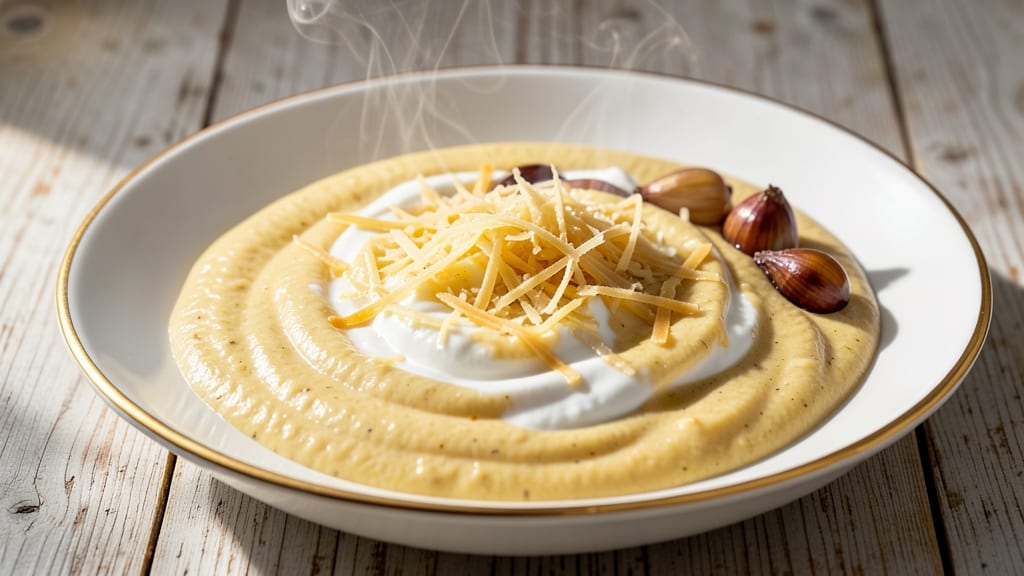
This alfredo sauce recipe with milk and sour cream delivers restaurant-quality richness without the clumps or breakage that plagues so many homemade versions. The secret lies in balancing heat control and slow emulsification—technique that transforms simple ingredients into a velvety sauce that clings perfectly to pasta or proteins.
I developed this after testing dozens of variations, and it consistently delivers that signature creamy texture without separating.
The foundation starts with a proper roux—equal parts butter and flour cooked until golden—but where most recipes fail is in the fat addition. Here, we use both milk and sour cream in stages: milk for smoothness, sour cream for tangy depth and natural thickening power.
This two-part approach creates a sauce that's luxuriously thick yet still pours beautifully, with no graininess or cooking required after assembly.
What you'll achieve is a sauce that's silky-smooth and deeply flavorful, with just enough tang from the sour cream to balance the richness. The milk prevents curdling while adding a subtle sweetness that rounds out the parmesan's sharpness.
This version works equally well over fettuccine, chicken, or even vegetables—it's the kind of sauce that transforms ordinary meals into something special without requiring advanced skills.
Best of all, the sauce can be made ahead and reheated without breaking, making it perfect for meal prep. The instructions include precise timing and temperature guidance to ensure perfect results every time. Let's get started on creating this foolproof alfredo that will elevate your cooking immediately.
Ingredients for alfredo sauce recipe with milk and sour cream
Ten ingredients transform into velvety perfection—no clumps, no breaking, just restaurant-quality alfredo magic.
| Ingredient | Amount | Notes |
|---|---|---|
| Unsalted Butter 🧈 | ½ cup | Cold, cubed for roux |
| All-Purpose Flour 🌾 | ½ cup | Sifted for smooth texture |
| Whole Milk 🥛 | 1 ½ cups | Room temperature preferred |
| Sour Cream 🍦 | ½ cup | Full-fat for richness |
| Parmesan Cheese 🧀 | 1 cup | Freshly grated, fine |
| Garlic Cloves 🧄 | 3 cloves | Minced for aromatic depth |
| Extra-Virgin Olive Oil 🫒 | 1 tbsp | For finishing, fruity |
| Diamond Crystal Kosher Salt 🧂 | ½ tsp | Adjust to taste |
| Freshly Ground Black Pepper 🌶️ | ¼ tsp | Freshly cracked |
| Nutritional Yeast 🍄 | 1 tbsp | Optional for umami boost |
The butter and flour roux is where the magic begins—European-style butter like Plugrá or Land O'Lakes has higher fat content, which means a silkier sauce. For flour, King Arthur or Bob's Red Mill brands are my go-to because they're finely milled and consistent. Cook this roux low and slow—rushing it creates lumps. The milk and sour cream combo is non-negotiable; whole milk adds sweetness while full-fat sour cream delivers that signature tang and thickness. Grab the finest grater for the Parmesan—Parmigiano-Reggiano from Italy is ideal, but Kraft Parmesan Cheese
No whole milk? Evaporated milk or half-and-half works, but the sauce will be slightly thinner. Short on sour cream? Greek yogurt or crème fraîche are great substitutes, though they add a slightly different texture. The nutritional yeast is optional but adds that savory depth—Bob's Red Mill makes a great brand. For the garlic, fresh is non-negotiable—jarred minced garlic has a metallic aftertaste. If you're sensitive to dairy, you can replace the milk with unsweetened almond milk, but the texture will be lighter. The olive oil at the end adds a fruity brightness that balances the richness—California Avocado Ranch or Colavita are my favorites. This sauce is a meal-prep dream—stores beautifully for 4-5 days in the fridge, and freezes for up to 3 months without separating. For reheating, add a splash of milk or water to thin it out before warming. I always make a double batch—one for immediate use and one to freeze for lazy weeknights. The key to reheating is low heat and constant stirring to prevent scorching. If you're serving over pasta, toss it in just before plating to keep the sauce velvety. Leftovers? Perfect for dipping bread or topping grilled chicken.
Why You'll Love This Recipe
- Here’s the secret: temper that sour cream. I add it slowly to the warm milk and butter, and the result? Silky, velvety perfection—no lumps, no curdling, just that dreamy texture you’d pay extra for at a restaurant. (Yes, even on a Tuesday night.)
- Five-Ingredient Magic: I swear, this sauce comes together with just butter, flour, milk, sour cream, and Parmesan—no fancy gadgets, no stress. The moment I stir the sour cream into that warm roux, the sauce thickens like it’s been simmering for hours, but really, it’s just 15 minutes of my life.
- Creamy Without Clumping: Here’s the secret: temper that sour cream. I add it slowly to the warm milk and butter, and the result? Silky, velvety perfection—no lumps, no curdling, just that dreamy texture you’d pay extra for at a restaurant. (Yes, even on a Tuesday night.)
- Weeknight to Dinner Party: Make a double batch for fettuccine one night, then toss it with roasted veggies the next. The richness balances everything, and the Parmesan adds that umami punch that makes it feel special—no one will guess it’s from my "I’m too tired to cook fancy" stash.
Step-by-step instructions for creamy alfredo sauce
This method delivers a restaurant-quality sauce with velvety thickness and no lumps—every time.
Create a Smooth Roux with Butter and Flour
Melt the 0.5 cup unsalted butter in a heavy-bottomed saucepan over medium-low heat. I use medium-low to prevent burning while ensuring the butter melts completely. Once fully melted, reduce heat to low and gradually whisk in the 0.5 cup all-purpose flour. This creates a roux—the foundation of our sauce.
Whisk constantly for 2-3 minutes until the mixture turns a pale golden color and smells nutty. You're looking for a smooth paste that coats the back of a spoon—this ensures your sauce won't be grainy. If it darkens too quickly, lower the heat immediately. This step is crucial for preventing lumps later.
Cook the Garlic and Gradually Add Milk
Push the roux to one side of the pan and add the 3 cloves minced garlic, stirring for 30 seconds until fragrant. Be careful not to let it brown—garlic burns faster than you think. Return the roux to the center and begin adding the 1.5 cups whole milk very slowly, whisking continuously to prevent clumping.
After adding about ½ cup of milk, increase heat to medium-low and let the sauce simmer gently. This gradual approach prevents shock to the mixture. Keep whisking for 5-7 minutes until the sauce thickens enough to coat the back of a spoon. You'll see it transform from a thin liquid to a glossy, velvety consistency.
Incorporate Cheese and Sour Cream for Richness
Reduce heat to low and gradually whisk in the 1 cup freshly grated Parmesan cheese and 0.5 cup sour cream. Add them alternately to prevent curdling—the sour cream is temperature-sensitive. Stir constantly for 2-3 minutes until the cheese melts completely and the sauce becomes luxuriously thick.
Taste and adjust seasoning with 0.5 tsp Diamond Crystal kosher salt and 0.25 tsp freshly ground black pepper. For an extra umami boost, whisk in the 1 tbsp nutritional yeast. Here's the thing—this is where the sauce comes together. If it's too thick, whisk in 1-2 tablespoons of milk to reach your desired consistency.
Finish with Olive Oil for Silky Texture
Remove the sauce from heat and stir in the 1 tbsp extra-virgin olive oil. This final step adds a luxurious mouthfeel and prevents the sauce from separating. Let it rest for 5 minutes—this resting period allows the flavors to meld and the sauce to reach peak creaminess.
Before serving, give it one final taste and adjust seasoning if needed. This sauce pairs perfectly with fettuccine, chicken, or grilled vegetables. The key to success lies in patience and constant whisking—don't rush this process. The result is a velvety, clump-free Alfredo that will impress even the most discerning palates.
Pro Tips For Making Alfredo Sauce Recipe With Milk And Sour Cream
- Temper the Sour Cream: Dump cold sour cream straight into hot milk or sauce, and you’ll end up with a split sauce—lumpy and sad. Instead, mix the sour cream with a splash of the warm milk first (about ¼ cup) until it’s just lukewarm, then whisk it in slowly. This keeps the sauce silky, not curdled. (Yes, even if you’re impatient like me.)
- Cook the Flour Fast: That 2-minute flour-butter cook isn’t just for flavor—it’s the foundation. Use medium-high heat and stir like you’re trying to win a race. If you let it sit too long or go low-and-slow, you’ll get a raw flour taste that ruins everything. Think "golden brown" (not burnt), not "cozy beige."
- Shred the Parmesan Fresh: Pre-shredded cheese is coated in anti-caking agents that turn your sauce into a greasy mess. Grate your own Parmesan—even if it’s just a handful—right before mixing it in. A microplane works best, and skip the fine grater; you want chunks that melt into creamy pockets, not powder.
- Simmer, Don’t Boil: Once the milk comes to a simmer, drop the heat to low and let it bubble gently—tiny, lazy bubbles, not a rolling boil. Boiling turns your sauce grainy and breaks down the sour cream’s texture. I learned this the hard way after making a batch that looked like glue. Trust me, the sauce will thicken without the drama.
Essential equipment for great alfredo sauce recipe with milk and sour cream
Heavy-Bottomed Saucepan
Your saucepan is the unsung hero of this recipe—avoid thin, reactive metals like aluminum or non-stick coatings that can react with acidity. I swear by Calphalon Classic or All-Clad Stainless Steel for their even heat distribution and durability.
A 3-quart saucepan is ideal for this recipe, giving you enough room to whisk without spills while maintaining control over the heat. If you're using a smaller pan, reduce the recipe by half to prevent boiling over. 🔥
Whisk with Fine Wires
Never underestimate the power of a good whisk—Ball Balloon Whisk or OXO Good Grips are my top picks for their sturdy construction and ability to cut through thick mixtures. The fine wires create tiny air pockets that help emulsify the sauce, preventing clumps.
I keep mine within arm's reach while cooking to maintain constant motion. If your whisk is old or bent, replace it—it makes a noticeable difference in sauce texture. ✨
Fine-Mesh Strainer
For ultra-smooth results, especially if you're using pre-shredded Parmesan, strain the sauce through a fine-mesh sieve or Honey Bear Strainer before serving. This removes any lingering flour bits or cheese granules that could disrupt the velvety texture.
I also use it to filter out any garlic bits if I accidentally let them brown. Keep this handy for when you need that restaurant-quality finish. 💫
Immersion Blender
If you prefer a hands-off approach, an immersion blender like Ninja Foodi or Hamilton Beach can help break up any small lumps during the milk incorporation phase. Run it for 10-15 seconds after adding the milk to ensure a silky consistency.
Just be cautious—over-blending can create a gluey texture. I use mine sparingly, only when I notice the slightest resistance in the sauce. 💡
Cheese Grater
Freshly grated Parmesan is non-negotiable for flavor and texture. A Microplane or Box Grater with a fine side will give you the finest, most flavorful cheese possible.
Pre-shredded cheese contains anti-caking agents that create graininess. I always grate my own—it's worth the extra 2 minutes of effort for that authentic restaurant taste. 🧀
Measuring Spoons & Scale
Precision matters with ratios in this sauce. Use stainless steel measuring spoons for accurate measurements of salt, pepper, and nutritional yeast. For the butter and flour, a kitchen scale ensures consistency—227g butter and 63g flour for the roux.
I keep my OXO Good Grips set on the counter for quick adjustments. Don't eyeball it; this sauce relies on balanced proportions for its velvety perfection. ⚖️
Nutrition facts
Frequently asked questions
Why does this recipe use both milk and sour cream?
The milk creates a smooth, sweet base that prevents curdling while the sour cream adds natural thickness and tangy depth. This combo eliminates the need for cornstarch or heavy cream while delivering that signature creamy texture without breaking. The milk also helps balance the acidity from the sour cream.
Can I make this sauce without a whisk?
You can try, but constant whisking is crucial for preventing lumps. Use an immersion blender for 10-15 seconds after adding milk, then stir vigorously. For a hands-off approach, blend all ingredients together in a blender after removing from heat, but you'll lose some texture control. The whisk method creates the best emulsification for that velvety finish.
How do I fix a sauce that's too thick?
Whisk in 1-2 tablespoons of warm milk at a time until you reach your desired consistency. Heat the sauce gently while stirring to help it absorb the liquid. If it's still too thick after adding milk, you can thin it further with a splash of warm water or broth. Never add cold liquid—it can cause the sauce to curdle.
What's the best way to reheat leftovers?
Reheat gently over low heat, stirring constantly, and add a splash of milk or water to thin it out. For microwave reheating, cover with a damp paper towel and heat in 20-second intervals, stirring between each. Never let it boil—this can cause separation. The sauce should reach 165°F for safety. Always stir vigorously after reheating to restore smoothness.
Can I substitute Greek yogurt for sour cream?
Yes, but expect slightly different results. Use ½ cup plain Greek yogurt and add 1 teaspoon lemon juice to mimic the tang. The texture will be slightly thinner, so you may need to simmer longer or add a bit more Parmesan. For best results, choose full-fat yogurt to maintain richness. The sauce will still be delicious but with a different mouthfeel.