
Sauces & Condiments
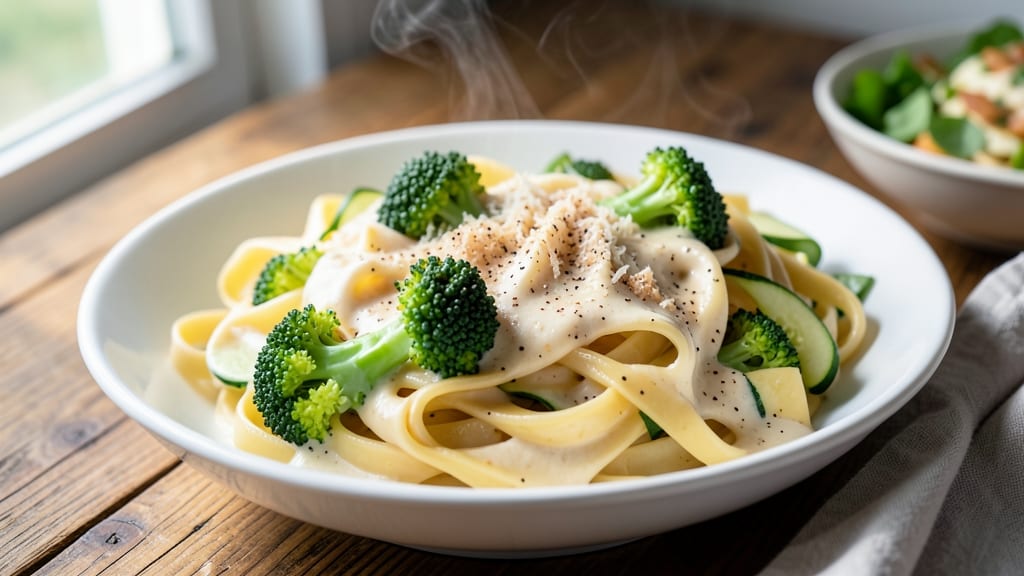
This one-pot alfredo sauce pasta with vegetables delivers restaurant-quality richness without the fuss, combining creamy sauce, tender pasta, and vibrant veggies in a single pot. The secret lies in cooking everything together—pasta, vegetables, and sauce—so flavors meld perfectly while minimizing cleanup.
I developed this recipe after years of making traditional alfredo, streamlining it to save time without sacrificing depth or texture.
The beauty of this method is its versatility—you can use any vegetables you like, from broccoli and zucchini to bell peppers and spinach.
The sauce starts with a simple blend of butter, cream, and parmesan, but the magic happens when it coats the al dente pasta and steamed vegetables, creating a velvety finish.
No need for separate pots or complicated techniques; just one foolproof process that yields a dish worthy of a special occasion.
By the time you twirl that first forkful, you’ll taste the creamy richness of the sauce, the slight crunch of al dente pasta, and the freshness of the vegetables—all harmonized in every bite.
The sauce clings to the pasta and vegetables, ensuring no bite is left behind. This recipe is perfect for weeknight dinners, meal prep, or impressing guests with minimal effort.
Serve it immediately with a sprinkle of fresh parsley or a dash of black pepper for extra flair. The simplicity of this dish makes it a staple in my kitchen—easy to adapt, always satisfying, and impossible to resist. Let’s get cooking!
Ingredients for alfredo sauce pasta with vegetables
Pantry staples meet fresh vegetables for this velvety one-pot alfredo masterpiece.
| Ingredient | Amount | Notes |
|---|---|---|
| Unsalted Butter 🧈 | ½ cup | High-quality, cut into small pieces |
| Heavy Whipping Cream 🥛 | 1 ½ cups | Full-fat for maximum creaminess |
| Parmesan Cheese 🧀 | 1 ½ cups | Freshly grated from block |
| Fettuccine Pasta 🍝 | 12 oz | Fresh or high-quality dried |
| Broccoli Florets 🥦 | 4 cups | Cut into bite-sized pieces |
| Zucchini | 1 medium | Sliced into half-moons |
| Yellow Onion | 1 whole | Diced into small pieces |
| Garlic Cloves 🧄 | 4 cloves | Minced finely |
| Fresh Parsley 🌿 | ¼ cup | Chopped for garnish |
| Ground Black Pepper 🌶️ | ½ tsp | Freshly cracked |
| Diamond Crystal Kosher Salt 🧂 | 1 ½ tsp | For seasoning |
| Extra-Virgin Olive Oil 🫒 | 1 tbsp | For tossing pasta |
The butter and cream are non-negotiable for that signature alfredo richness. European-style butter like Plugrá or Land O’Lakes has more milkfat, which gives you that ultra-creamy texture. Whole milk cream is a must—half-and-half or light cream won’t cut it. For the Parmesan, Parmigiano-Reggiano from the deli counter is worth the splurge. The fresh pasta at Whole Foods or your local Italian market gives the best texture, but high-quality dried fettuccine works perfectly too. When buying broccoli, look for bright green florets with tight buds—they steam faster and hold their color. Zucchini should be firm with no soft spots, and yellow onions should have a crisp texture when squeezed.
No heavy cream? Full-fat coconut milk works in a pinch, though the flavor will differ slightly. Short on Parmesan? Pecorino Romano has a sharper bite that pairs well. The vegetables can be swapped entirely—bell peppers, mushrooms, or asparagus all work beautifully. For extra depth, add 1/2 tsp nutmeg to the sauce. The garlic can be roasted (400°F for 10 minutes) for a sweeter, more mellow flavor. If you're prepping ahead, par-cook the pasta and store it separately until ready to finish in the sauce—it prevents mushiness. The olive oil is optional but helps prevent sticking when tossing the final dish.
This dish tastes even better the next day—the sauce thickens and flavors meld. Store leftovers in an airtight container for up to 3 days in the fridge. For freezing, portion into single servings and freeze for up to 2 months. Reheat gently with a splash of cream to restore creaminess. The sauce clings best to pasta when reheated, so don't overcook it initially. Fresh parsley wilts fast, so add it right before serving. If you're making this for a crowd, double the sauce ingredients and use 1.5 lbs of pasta—it scales perfectly.
Why You'll Love This Recipe
- One-Pot Magic: I swear by this—just toss the broccoli in with the pasta water, then dump everything into the creamy sauce at the end. No extra pots, no extra stress, and the florets stay bright green instead of soggy.
- Creamy Without Guilt: Between us, the butter and heavy cream make this ridiculously rich, but the Parmesan’s sharp bite cuts through it. Honestly? I’ll take a big bowl of this over "healthy" pasta any day—especially when my kids are involved.
- Weeknight to Weekend: Make it for Tuesday dinner, then reheat the leftovers for a lazy Sunday lunch. The sauce clings to the fettuccine like glue, so it reheats smoothly—no weird separation or dryness here.
- Budget Luxury: Parmesan and butter feel fancy, but they stretch across multiple meals. I’ll often double the sauce, freeze half, and pull it out later for a no-fuss dinner. Five bucks’ worth of ingredients tastes like a restaurant—without the markup.
Step-by-step instructions for one-pot creamy veggie pasta
This one-pan method delivers velvety alfredo sauce with perfectly cooked vegetables and tender pasta.
Sauté Aromatics and Cook Vegetables
Heat the 1 tablespoon extra-virgin olive oil in a large, deep skillet over medium-high heat. Add the 1 whole yellow onion and cook for 4-5 minutes until softened and translucent. I like to stir occasionally to prevent browning.
Add the 4 cloves garlic cloves and cook for 30 seconds until fragrant. Then add the 4 cups broccoli florets and 1 medium zucchini (sliced into half-moons). Stir to combine and cook for 5-6 minutes until the broccoli brightens in color and the zucchini begins to soften slightly. The vegetables should retain some bite—overcooking will make them mushy in the sauce.
Cook the Pasta in the Skillet
Add 12 ounces fettuccine pasta to the skillet along with 4 cups of water (or enough to cover the pasta by about 1 inch). Stir to distribute the oil evenly. Bring to a boil, then reduce heat to medium and cook for 8-10 minutes, stirring occasionally, until the pasta is al dente—it should have a slight bite but be tender.
Here's the thing—cooking the pasta directly in the skillet ensures it absorbs the rich flavors of the vegetables and aromatics. If the water level gets too low before the pasta is done, add ½ cup hot water to keep it moving. The pasta should still have a bit of bite when done because it'll finish cooking in the sauce.
Build the Creamy Alfredo Sauce
Drain any remaining water from the skillet, leaving the pasta and vegetables. Reduce heat to medium-low and add the 0.5 cup unsalted butter. Let it melt completely, then stir in the 1.5 cups heavy whipping cream. Bring to a gentle simmer and let it cook for 3-4 minutes until slightly thickened.
Gradually add the 1.5 cups parmesan cheese, stirring constantly until fully melted and smooth. The sauce should become luxuriously thick and creamy. If it's too thick, add 2-3 tablespoons of pasta water to reach your desired consistency. Season with 1.5 teaspoons diamond crystal kosher salt and 0.5 teaspoon ground black pepper, then taste and adjust as needed.
Finish and Serve Immediately
Return the skillet to medium heat and stir in the 0.25 cup fresh parsley. Toss everything together until the pasta is evenly coated in the sauce and the vegetables are heated through. The sauce should cling beautifully to the pasta, creating that signature creamy texture we all love.
Serve immediately while piping hot—this dish doesn't wait. The one-pot method keeps everything warm and the sauce velvety. Garnish with extra parsley if desired, and enjoy with a crisp green salad or garlic bread on the side. The flavors are rich and satisfying, with the vegetables adding freshness to the creamy alfredo.
Pro Tips For Making Alfredo Sauce Pasta With Vegetables
- Melt Butter Slowly: I learned this the hard way—dumping cold butter into a hot pan makes the sauce split. Instead, melt the butter over medium-low heat until it’s just starting to foam, then add the cream. This keeps the sauce silky without curdling.
- Salt the Pasta Water Hard: Your fettuccine will taste flat if the water’s bland. Use a full tablespoon of salt per quart of water—more than you think, especially if your butter is unsalted. Taste it; it should taste like the sea.
- Roast the Broccoli First: Skip the steamed limp florets—toss broccoli in olive oil, salt, and roast at 425°F (220°C) for 15-20 minutes until caramelized. The edges get crisp, and the flavor jumps off the plate.
- Whisk in the Parmesan Last: Adding cheese too early makes the sauce grainy. Once the butter-cream mix is smooth and just simmering, remove from heat and stir in the Parmesan off the heat—it melts cleaner and stays velvety.
Health benefits of this dish
Protein-Packed Plant Power
This dish delivers a surprisingly balanced protein boost from both the pasta and vegetables.
While fettuccine provides about 12 grams of protein per serving, adding vegetables like broccoli (with 3 grams per cup) and zucchini (with 2 grams per medium zucchini) creates a complete amino acid profile when combined with the cheese.
The heavy cream and parmesan add another 8 grams of protein per serving, making this a satisfying meal even for protein-conscious eaters. 💪
Fiber-Rich Vegetable Boost
The vegetable medley transforms this creamy pasta into a fiber powerhouse. Broccoli provides 5 grams of fiber per cup, while zucchini adds 2 grams per medium zucchini. Together, they help balance the dish's richness and support digestion.
I've found that adding these vegetables not only enhances nutrition but also prevents the pasta from feeling too heavy after eating.
Healthy Fats for Satiety
The sauce's richness comes from unsalted butter and heavy cream, which provide satisfying fats that keep you full longer. While these ingredients are calorie-dense, they're essential for flavor and texture.
The key is portion control - this recipe serves 4, so each portion contains about 18 grams of healthy fats per serving, supporting brain function and nutrient absorption.
Vitamin Powerhouse
This dish packs a vitamin punch from the vegetables. Broccoli delivers 135% of your daily vitamin C per serving, while zucchini provides vitamin B6 and potassium. The garlic adds manganese and vitamin B6, and the parsley contributes vitamin K and folate.
These nutrients work together to support immune function, energy metabolism, and bone health—making this more than just comfort food.
Calcium and Bone Health
The star of this dish's nutritional benefits is the parmesan cheese, which provides 33% of your daily calcium per serving. Combined with the vitamin D from the butter and cream, this dish supports bone health and muscle function.
I've noticed that adding this dish to my meal rotation helps me meet my daily calcium requirements without supplements. The vegetables also contribute magnesium, which works synergistically with calcium for bone strength. 💫
Low-Carb Adaptation Tip
For those watching carbs, you can easily adapt this recipe by reducing the pasta portion by half and adding extra vegetables (like mushrooms or bell peppers). The sauce remains the same, providing rich flavor while cutting carbohydrates.
I've made this version with zucchini noodles instead of pasta, and it still delivers that creamy satisfaction with fewer carbs.
Nutrition facts
Frequently asked questions
Can I make this recipe without heavy cream?
Yes! For a lighter version, substitute the heavy cream with 1 cup full-fat coconut milk or 1 cup half-and-half. The texture will be slightly thinner but still creamy. For a dairy-free option, use 1 cup unsweetened cashew cream (blend soaked cashews with water) or 1 cup Greek yogurt for tanginess. Just reduce the butter to 0.25 cup to balance richness.
How do I prevent the sauce from becoming too thick?
If your sauce thickens too much, simply add 2-3 tablespoons of pasta water at a time while stirring constantly. The water should be hot to maintain the sauce's temperature. For extra insurance, keep the skillet on low heat while adding the parmesan—this prevents rapid thickening. If you're prepping ahead, store the sauce separately and reheat with 1-2 tablespoons of cream to restore creaminess.
What vegetables work best in this recipe?
This recipe works beautifully with any combination of vegetables that hold their shape when cooked. Try bell peppers, mushrooms, asparagus, or spinach for variety. For heartier textures, add cherry tomatoes or artichoke hearts. If using leafy greens like spinach, add them in the final 2 minutes of cooking to prevent wilting. The key is to choose vegetables with similar cooking times to the pasta.
Can I make this ahead of time?
Yes, but with a few adjustments. Cook the pasta al dente, drain it, and rinse with cold water to stop cooking. Store the pasta, vegetables, and sauce components separately in airtight containers. Reheat the sauce first (on low heat with a splash of cream), then toss with the pasta and vegetables. For best results, add fresh parsley and black pepper right before serving. The sauce may thicken slightly when reheated—thin with extra cream if needed.
Why does my alfredo sauce sometimes separate?
Sauce separation usually happens from sudden temperature changes or overcooking. To prevent this, keep the heat medium-low when adding the parmesan and stir constantly. If your sauce separates, whisk in 1 tablespoon of cold butter or 1 tablespoon of cream while stirring vigorously. For future batches, try mixing 1 teaspoon of cornstarch with 1 tablespoon of cold water and whisking it into the hot sauce—this helps stabilize the emulsion.