
Sauces & Condiments
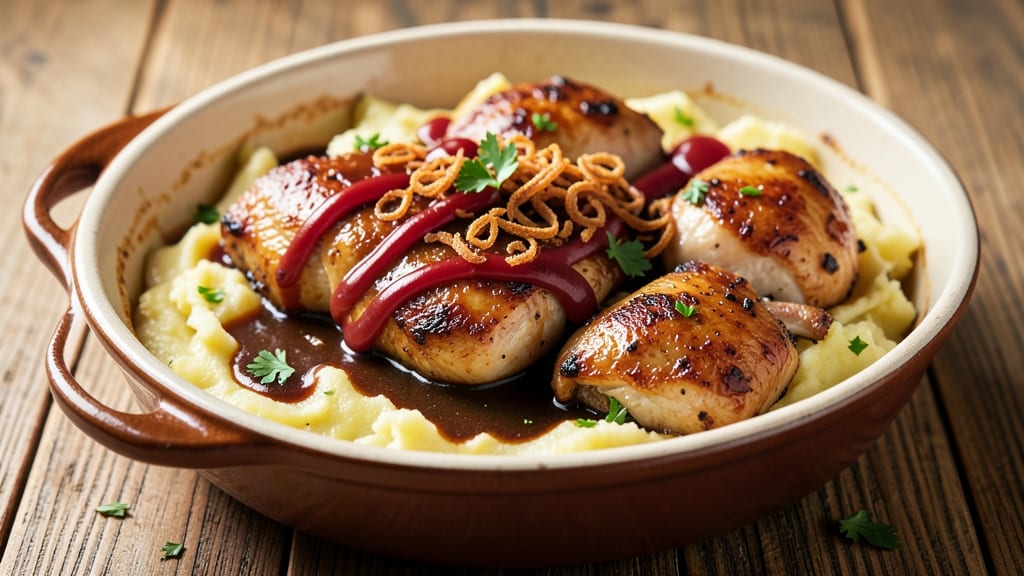
This ale sauce recipe transforms simple weeknight dinners into restaurant-worthy meals with its rich, malty depth. The perfect blend of dark ale, tangy vinegar, and savory Worcestershire creates a sauce that clings beautifully to meats, vegetables, and even chips.
I developed this version after years of experimenting with pub-style sauces—it’s bold enough to stand alone but versatile enough to elevate any dish.
The secret lies in balancing the beer’s bitterness with sweetness from ketchup and mustard, while vinegar cuts through the richness. A touch of onion powder and cloves adds warmth, and simmering reduces the sauce to a perfect consistency—thick enough to coat, thin enough to drizzle.
Unlike store-bought versions, this one delivers layers of flavor that build with each bite.
What makes this sauce truly special is its long shelf life—it keeps for up to 2 weeks refrigerated, making it ideal for meal prep.
Whether you’re smothering roasted chicken, serving with fish and chips, or drizzling over mashed potatoes, the deep, caramelized notes will make every dish taste like it’s been braised for hours.
Ready in just 30 minutes, this sauce requires minimal effort but delivers maximum impact. The ingredients are simple, and the technique is foolproof—no fancy equipment needed. Once you taste the difference, you’ll never go back to bottled versions again.
Ingredients for ale sauce
Nine simple ingredients for a sauce that tastes like it simmered all day.
| Ingredient | Amount | Notes |
|---|---|---|
| Dark Ale Beer 🍺 | 1 cup | Non-alcoholic or regular, chilled |
| Tomato Ketchup 🍅 | ½ cup | Heinz preferred for consistency |
| Apple Cider Vinegar 🍏 | ¼ cup | White vinegar substitute works |
| Worcestershire Sauce 🍯 | 2 tbsp | Anchovy-free version preferred |
| Yellow Mustard 🌶️ | 1 tbsp | Dijon works too |
| Onion Powder 🧅 | 1 tsp | Freshly ground preferred |
| Ground Cloves 🌿 | ¼ tsp | Whole cloves crushed work |
| Granulated Sugar 🍚 | 1 tbsp | Brown sugar for depth |
| Unsalted Butter 🧈 | 2 tbsp | Full-fat for richness |
| Salt 🧂 | ½ tsp | Diamond Crystal preferred |
The beer is the soul of this sauce—dark ales like Guinness or stout give the deepest flavor, but any malty beer works. Trader Joe's and Whole Foods carry great options, or grab a six-pack of whatever you like drinking. Non-alcoholic versions (like O'Doul's) work perfectly too. The ketchup and vinegar balance the beer's bitterness, so don't skimp. I always grab Heinz ketchup because it's consistent, but any good-quality brand is fine. For the Worcestershire, Lea & Perrins is the gold standard, but check labels for anchovies if you're avoiding them—most store brands are fine.
No dark ale? Stout coffee or even strong black tea can stand in at half the amount—just add a splash of soy sauce for depth. Running low on vinegar? Lemon juice at double the amount works in a pinch, though the flavor will be slightly brighter. The mustard is non-negotiable for that tangy kick, but Dijon mustard adds a nice sophistication. If you're feeling fancy, toast the onion powder and cloves in the butter for 30 seconds before adding the beer—it brings out their flavors like magic. The sugar is just enough to round out the bitterness, but if you're using a sweeter beer, you can cut it back to a teaspoon.
This sauce tastes even better the next day as the flavors meld—make a double batch if you're planning to use it over multiple meals. Keeps in the fridge for 2 weeks sealed in a jar, or freeze for up to 3 months in ice cube trays for single servings. The butter adds richness, but if you're watching calories, you can reduce it to one tablespoon and add a splash of cream instead. Always reheat gently—low heat only—to preserve that velvety texture. Trust me, it's worth the extra minute to warm it properly.
Why You'll Love This Recipe
- Pantry Magic: The second I crack open that dark ale, I know I’m winning—no fancy shopping list, just what’s already lurking in my fridge or cabinet. Worcestershire and mustard? Always there. Ketchup and vinegar? Even my roommates’ stash has those.
- Umami Bomb: That beer isn’t just liquid—it’s the secret weapon. The malty depth from the dark ale cuts through the sweetness of the ketchup, while the vinegar keeps it sharp. One taste and you’ll be reaching for the bottle mid-meal.
- Weeknight Swiss Army: Slather it on burgers, drizzle it over fries, or toss it with grilled chicken—this sauce doesn’t care what you throw at it. Honestly, I’ve used it as a marinade, a dip, and even a glaze for roasted veggies. It’s the sauce equivalent of a good pair of jeans.
- Leftovers That Shine: Make a double batch and store it in the fridge—it actually improves over time as the flavors meld. My freezer’s got at least three jars of this stuff, and I’ve never regretted a single one. Budget-friendly? Absolutely. Versatile? Even more so.
Step-by-step instructions for ale sauce
Here's how to create a rich, beer-infused sauce that transforms simple braises into restaurant-quality masterpieces.
Melt the Butter and Bloom the Aromatics
In a medium saucepan, melt the 2 tablespoons unsalted butter over medium-low heat until it just begins to foam and bubble gently. This is your flavor foundation—don't rush it or the butter will burn before releasing its rich aroma. Once melted, reduce heat to low and immediately add the 1 teaspoon onion powder and ¼ teaspoon ground cloves. Let these spices bloom for 30 seconds while stirring constantly—they'll release their warm, earthy notes that become the sauce's backbone.
Here's the thing—blooming spices this way ensures maximum flavor extraction. If you skip this step, you'll miss out on the deep, complex aroma that makes this sauce so distinctive. The cloves might seem bold, but they'll mellow beautifully once combined with the beer and vinegar.
Deglaze with Beer and Vinegar
Pour in the 1 cup dark ale beer and ¼ cup apple cider vinegar all at once. The mixture will bubble vigorously as the alcohol content begins to cook off—this is normal. Increase heat to medium and let it simmer for 5-6 minutes, stirring occasionally, until the liquid reduces by about one-third and the alcohol smell completely dissipates. You're looking for a syrupy consistency at this stage, with a rich, malty aroma filling your kitchen.
Don't walk away during this reduction—you want to capture all those beer flavors before they evaporate. If the sauce starts to stick, add 1-2 tablespoons water to help it release from the pan. The vinegar might seem like an odd addition, but it cuts through the richness of the beer and butter, creating perfect balance.
Build the Sauce Base
Reduce heat to low and stir in the ½ cup tomato ketchup, 2 tablespoons Worcestershire sauce, 1 tablespoon yellow mustard, and 1 tablespoon granulated sugar. Let the mixture simmer gently for 8-10 minutes, stirring occasionally, until it thickens noticeably and coats the back of a spoon. You'll see the sauce transform from a loose liquid to a glossy, velvety consistency—this is when the magic happens.
The sugar might seem unnecessary, but it helps caramelize the tomato solids slightly, adding depth to the sauce. If you're using brown sugar instead of granulated, you'll get even more complexity from its molasses notes. Taste the sauce now—it should be tangy, slightly sweet, and full of umami from the Worcestershire and mustard.
Season and Simmer to Perfection
Add the ½ teaspoon salt and give the sauce one final taste. Adjust the seasoning if needed—you might want to add a pinch more salt or a splash more vinegar to balance the flavors. Return the sauce to a gentle simmer and cook for another 5 minutes, stirring occasionally, until it reaches your desired thickness. For stews, aim for a medium consistency that will cling to meat and vegetables; for drizzling, reduce it further until it coats a spoon like thick syrup.
This sauce tastes even better after resting for 15-20 minutes at room temperature. The flavors meld more completely, and the texture becomes even smoother. If you're using this for a braise, you can add it directly to the pot during the last 30 minutes of cooking—just be sure to stir it in thoroughly so every bite gets that rich, beer-infused coating.
Pro Tips For Making Ale Sauce
- Simmer Slow and Steady: I learned this the hard way—boiling ale sauce turns it bitter and sharp. Keep the heat at a gentle simmer (think tiny bubbles, not rolling) and stir every 3-4 minutes to prevent scorching. The sauce should thicken in 15-20 minutes, not 5.
- Use Real Beer, Not Bottle: Canned or boxed beer tastes like cardboard in sauces. Grab a fresh, dark ale from the fridge—even a cheap one works better than the flat, oxidized stuff in cans. If you must use bottled, open it 24 hours ahead and let it breathe in the fridge.
- Balance the Vinegar First: Apple cider vinegar is strong stuff, and I’ve ruined sauces by dumping it in last. Taste the base (beer + ketchup) before adding it, then adjust in small spoonfuls. You want tang, not a pucker—think "bright" not "sour."
- Thicken with Cornstarch Slurry: No one likes gluey sauce. Instead of dumping flour in, mix 1 tsp cornstarch with 2 tbsp cold water, stir into the simmering sauce, and cook for 2 more minutes. It’s foolproof and keeps the sauce glossy, not clumpy. (Yes, even if you’re impatient like me.)
Troubleshooting your ale sauce
Sauce Too Thin?
If your ale sauce isn’t thickening enough, simmer it uncovered for an extra 5-10 minutes—the alcohol will continue to evaporate, concentrating the flavors. For faster results, mix 1 teaspoon cornstarch with 1 tablespoon cold water, stir it in, and simmer for 2 minutes until it thickens.
I’ve had this happen when using lighter beers—just don’t overdo it or the sauce will turn gluey.
Beer Flavor Fading?
If the beer taste disappears, you likely reduced it too quickly. Next time, simmer the beer and vinegar at medium-low heat instead of high, and stir constantly to prevent alcohol from burning off.
For extra depth, add ½ teaspoon malt powder (found in baking sections) or a splash of dark beer reduction (simmer ½ cup beer until syrupy).
Sauce Too Tart?
Balance excess vinegar or mustard by adding ½ teaspoon brown sugar or 1 teaspoon honey while simmering. If the beer was particularly bitter, a pinch of baking soda (just a tiny amount!) can neutralize it—but taste first!
I once overdid the vinegar with a stout beer, and a spoonful of tomato paste saved the day by mellowing the sharpness.
Clumps or Graininess?
Stir your sauce constantly while simmering to prevent clumping. If you notice graininess, blend it briefly with an immersion blender or whisk vigorously. For extra smoothness, strain through a fine-mesh sieve before serving.
I’ve found that using Dijon mustard instead of yellow mustard reduces clumping, as does adding the ketchup gradually while stirring.
Sauce Separating?
This usually happens if the butter separates from the liquid. To fix it, whisk in 1 tablespoon cold water while the sauce is warm, then simmer for 2 minutes to re-emulsify. For prevention, melt the butter slowly and whisk it into the beer mixture before adding other ingredients.
I’ve also had success adding a splash of heavy cream at the end to bind everything together.
Storage Issues
If your sauce develops mold after refrigeration, it’s likely from contamination during storage. Always cool it completely before transferring to an airtight container, leaving ½ inch of headspace to prevent oxidation.
For longer storage, freeze in ice cube trays—thaw in the fridge overnight and stir in 1 tablespoon water to restore consistency. The sauce should last 2 weeks refrigerated or 3 months frozen.
Nutrition facts
Frequently asked questions
Can I make this ale sauce without alcohol?
Use non-alcoholic dark ale (like O'Doul's) or substitute with stout coffee or strong black tea (½ cup) plus 1 teaspoon soy sauce for depth. The flavor will be slightly different but still delicious. For a beer-like aroma, add ½ teaspoon malt powder (found in baking aisles) when simmering.
How do I adjust the thickness for different dishes?
For stews or braises, aim for a medium consistency that coats a spoon. For drizzling over fish and chips, reduce until it's syrupy. If too thin, simmer uncovered for 5-10 more minutes or mix 1 teaspoon cornstarch with 1 tablespoon water, stir in, and cook 2 minutes. If too thick, whisk in 1 tablespoon water while warm.
Why does my ale sauce taste bitter?
Bitter beer or over-reducing can cause this. Balance it by adding ½ teaspoon brown sugar or 1 teaspoon honey while simmering. For extra depth, reduce the beer first to a syrupy consistency before adding other ingredients. A pinch of baking soda (just a tiny amount!) can also neutralize bitterness—taste first!
Can I make this sauce in a slow cooker?
Yes! Combine all ingredients in your slow cooker and cook on low for 3-4 hours, stirring occasionally. The slow cooking enhances the beer's maltiness. If it gets too thick, add 1-2 tablespoons water before serving. This method is perfect for meal prep—just reheat gently before using.
What's the best way to reheat leftover ale sauce?
Reheat gently over low heat in a saucepan, stirring constantly, until warm. Never microwave directly as it can separate. For best results, stir in 1 tablespoon water while reheating to restore smoothness. If using frozen sauce, thaw in the fridge overnight and reheat with 1 tablespoon water to prevent thickness.