
Sauces & Condiments
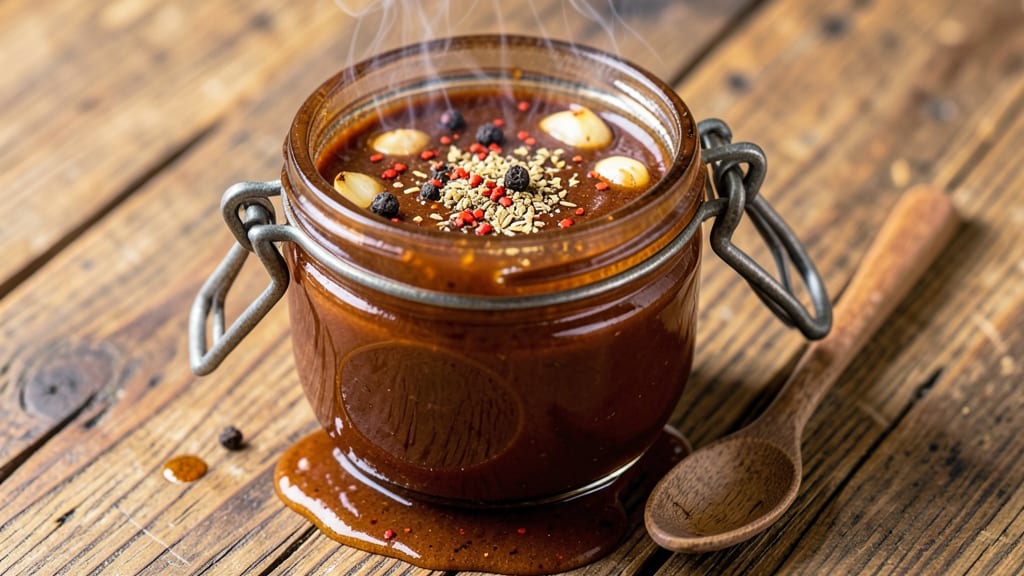
Albert's hot sauce delivers that signature smoky cayenne and garlic punch in just 15 minutes—no fermentation required. This recipe balances heat, depth, and tang using simple pantry ingredients, with a secret technique for maximum flavor extraction.
The smoky element comes from liquid smoke, while garlic and cayenne create the signature kick that makes this sauce addictive.
What sets this hot sauce apart is its versatility and shelf stability. Unlike traditional fermented hot sauces, this version cooks down to a thick, glossy consistency that keeps for months in the fridge.
The base of apple cider vinegar and broth creates a bright, tangy foundation, while spices like mustard and paprika add complexity without overpowering the heat.
You'll end up with a bold, smoky hot sauce that's perfect for drizzling on tacos, wings, or grilled meats. The recipe includes adjustments for spice levels, so you can dial it up or down to taste.
What makes it truly special is how it transforms simple dishes into something extraordinary with just a few drops.
Store it in the refrigerator for up to 3 months, or preserve it longer with proper canning techniques. The sauce's concentrated flavor means you only need a little to make a big impact—ideal for meal prep and gifting. Let's get started!
Ingredients for alberts hot sauce
Nine essential ingredients combine to create this bold, smoky hot sauce with intense cayenne and garlic notes.
| Ingredient | Amount | Notes |
|---|---|---|
| Apple Cider Vinegar 🍏 | 1 cup | Raw, unfiltered preferred |
| Low-Sodium Chicken Broth 🍲 | 1 ½ cups | Homemade or high-quality store-bought |
| Garlic Cloves 🧄 | 6 cloves | Fresh, peeled and smashed |
| Cayenne Pepper 🌶️ | 2 tbsp | Adjust for desired heat level |
| Liquid Smoke 🔥 | 1 tbsp | High-quality, hickory preferred |
| Dried Mustard 🌿 | 1 tbsp | Yellow or Dijon powder |
| Smoked Paprika 🌶️ | 1 tbsp | For additional smoky depth |
| Granulated Garlic 🧄 | 1 tbsp | For consistent flavor distribution |
| Salt 🧂 | 1 tsp | Diamond Crystal preferred |
| Black Pepper 🌶️ | ½ tsp | Freshly ground for best flavor |
The foundation begins with apple cider vinegar—opt for raw, unfiltered varieties like Bragg or Annie's for maximum tang and complexity. Chicken broth should be low-sodium to avoid overpowering the delicate balance of flavors; homemade works best, but Pacific Foods or Kettle & Fire brands deliver consistent quality. Garlic is non-negotiable here; fresh cloves (not powder) provide the authentic punch that defines this sauce. For the cayenne, source from reputable spice merchants like Penzeys—their Madras or Louisiana cayenne delivers consistent heat levels. The liquid smoke should be hickory-based (avoid mesquite) for that classic smoky profile found in traditional hot sauces.
No fresh garlic? Granulated garlic works in a pinch, though texture will differ slightly. Short on cayenne? Red pepper flakes at half the amount provide a milder alternative, while chipotle powder adds smoky depth without liquid smoke. The mustard can be swapped for Dijon powder for a smoother finish, though yellow mustard offers that signature tang. For those avoiding vinegar, lemon juice at equal volume creates a citrusy alternative. The smoked paprika is crucial—substituting regular paprika will mute the smoky character. Always taste as you go; cayenne heat builds gradually, so start conservative if sensitive to spice.
This sauce thickens as it cools, so store it in sterilized glass jars with tight-sealing lids. In the refrigerator, it maintains peak quality for up to 3 months, though the flavors continue developing over time. For longer storage, water bath canning extends shelf life to 12 months—simply process filled jars for 10 minutes. Portion into small jars or squeeze bottles for meal prep convenience. The sauce's concentrated nature means 1-2 teaspoons elevate any dish, making it perfect for gifting in 4-ounce travel bottles.
Why You'll Love This Recipe
- Pantry Magic: I’ll never buy store-bought again—just vinegar, broth, and a few pantry staples. No fancy shopping, no last-minute ingredient hunts.
- Smoky Kick: That liquid smoke? It’s the secret weapon—deep, charred flavor with a hint of heat that lingers (but not overpowering). My picky eaters actually ask for seconds.
- Game for Any Meal: Drizzle it on eggs, toss it in soups, or use it as a marinade—it disappears into everything. I keep a jar in the fridge for all the things.
- Lasts for Days: Makes enough for a week, and the vinegar base keeps it fresh. Plus, the broth stretches it further than you’d think—my wallet thanks me.
Step-by-step instructions for albert's smoky cayenne hot sauce
Here's how to craft a bold, smoky hot sauce with layers of garlic and cayenne that delivers restaurant-quality heat.
Combine Base Ingredients in a Saucepan
In a medium saucepan, pour in the 1 cup apple cider vinegar and 1.5 cups low-sodium chicken broth. Add the 6 cloves peeled and smashed garlic cloves, 1 tablespoon granulated garlic, 1 tablespoon dried mustard, and 1 tablespoon smoked paprika. Stir to fully incorporate all ingredients and ensure the garlic is evenly distributed.
This foundational blend creates the balance of acidity and umami that defines the sauce. The vinegar provides the tangy backbone, while the chicken broth adds depth. Don't skip the granulated garlic—it ensures consistent flavor distribution throughout the sauce.
Simmer and Infuse Flavors
Place the saucepan over medium heat and bring the mixture to a gentle simmer. Once bubbling steadily, reduce heat to low and let it cook uncovered for 15 minutes. Stir occasionally to prevent sticking and ensure even heating.
During this time, you'll notice the garlic begins to soften and release its oils, creating a fragrant aroma. The mixture should reduce slightly but maintain a thick, syrupy consistency. This simmering process allows all the spices to meld together, creating a cohesive flavor profile.
Add Heat and Smoky Depth
Remove the saucepan from heat and let it cool slightly for 5 minutes. This cooling period prevents the sauce from curdling when you add the cayenne pepper. Once cooled, stir in the 2 tablespoons cayenne pepper, 1 tablespoon liquid smoke, 1 teaspoon salt, and 0.5 teaspoon black pepper. Mix thoroughly to combine.
The cayenne adds the signature heat, while the liquid smoke introduces that distinctive smoky character that sets this sauce apart. The salt and pepper balance the flavors, rounding out the sauce's complexity. Here's where the sauce transforms from ordinary to extraordinary.
Strain and Bottle for Storage
After the sauce has cooled completely, strain it through a fine-mesh sieve into a clean glass jar or bottle. Use a rubber spatula to press all the liquid through, extracting maximum flavor. Discard the strained solids—you want only the smooth, flavorful liquid.
This straining step ensures a silky texture without any lingering garlic bits. Store the hot sauce in a sealed container in the refrigerator for up to 3 months. The flavors will continue to develop and deepen over time, making this sauce even more robust with each passing day.
Pro Tips For Making Alberts Hot Sauce
- Simmer Slow and Steady: I learned this the hard way—boiling this sauce too fast turns it bitter. Keep the heat at a gentle simmer (small bubbles, occasional swirls) for at least 20 minutes. The vinegar needs time to mellow out, not evaporate like a sad science experiment.
- Mince Garlic Like You Mean It: Coarse chopped garlic just won’t cut it here. Use a knife to finely mince the cloves—think paste, not chunks. I used to skip this, and the sauce always tasted like it was missing something. Trust me, the texture matters more than you’d think.
- Add Liquid Smoke Last: This isn’t a step you can rush. Stir in the liquid smoke right at the end, right before you turn off the heat. Too early, and it’ll cook off completely, leaving you with a sauce that smells like campfire but tastes flat. Save it for the final 30 seconds.
- Strain Out the Garlic Bits: No one wants to bite into a chunk of garlic while eating wings. After simmering, strain the sauce through a fine-mesh sieve or cheesecloth. It’s a little extra work, but your mouth will thank you—especially if you’re dipping fries or tossing it on eggs later.
Storing and reheating your alberts hot sauce
Refrigerator Storage
Store your freshly made hot sauce in sterilized glass jars with airtight lids—I love using Ball Mason jars for their durability. Transfer the cooled sauce while it's still warm to help eliminate air bubbles.
Keep it refrigerated at 40°F or below for up to 3 months, though the flavors actually improve over time as the spices meld together. The vinegar base acts as a natural preservative, keeping the sauce safe and flavorful. 🌡️
Freezer Preservation
For longer storage, portion the sauce into freezer-safe glass jars or silicone squeeze bottles (like OXO Good Grips), leaving ½-inch headspace for expansion. Freeze for up to 6 months—the texture may slightly thicken, but a quick shake restores it.
I recommend freezing in small batches (4-ounce portions) for easy use. Thaw overnight in the fridge before serving to maintain consistency. ❄️
Canning for Shelf Stability
Extend your sauce's shelf life to 12 months using water bath canning. Process filled jars in boiling water for 10 minutes, then cool completely before storing in a dark, cool pantry.
Use sterilized pint-sized jars with new lids to prevent contamination. This method preserves the sauce's vibrant color and bold flavors—perfect for gifting or bulk prep. 🔥
Reheating Methods
No need to reheat—this sauce is best served at room temperature or chilled. If you prefer it warm, gently heat in a small saucepan over low heat for 2-3 minutes, stirring constantly.
Avoid microwaving, as it can alter the sauce's delicate balance of heat and smokiness. A quick shake before serving ensures even distribution of flavors. 💫
Portioning for Meal Prep
Divide the sauce into small travel bottles (like 4-ounce squeeze bottles) for easy meal prep. These are perfect for tossing in your gym bag or taking on-the-go.
The concentrated flavor means just 1-2 teaspoons per dish—ideal for drizzling on tacos, wings, or grilled meats. Label each bottle with the date to track freshness. ✨
Reviving Thickened Sauce
If your sauce thickens over time, simply add 1 teaspoon of water or vinegar per 2 tablespoons of sauce and stir well. For a smoother texture, blend briefly in a mini food processor or immersion blender.
This trick works wonders for restoring the sauce's glossy consistency without diluting its bold flavor. 💡
Nutrition facts
Frequently asked questions
Can I adjust the heat level in this hot sauce?
Start with 1 tablespoon cayenne for mild heat, then increase to 2-3 tablespoons for medium, or up to 4 tablespoons for extra spicy. For a smoky kick without added heat, swap ½ teaspoon chipotle powder for cayenne. Always taste as you go—the sauce's heat builds gradually!
What's the best way to use this smoky hot sauce?
This sauce shines on grilled meats, tacos, or fried wings—just 1-2 teaspoons add serious flavor! Try it as a marinade base (dilute with ¼ cup oil), or mix into mayonnaise for spicy sandwich spreads. The smoky depth also pairs well with cheese boards or popcorn for unexpected flavor twists.
Why does my sauce look cloudy after straining?
Cloudiness is normal from the mustard and garlic oils—simply blend the strained sauce for 10-15 seconds with an immersion blender for a silky texture. If you prefer it chunky, the cloudiness adds character! For extra clarity, chill the sauce overnight before straining again through a cheesecloth-lined sieve.
Can I make this sauce without liquid smoke?
Yes! Replace the 1 tbsp liquid smoke with ½ tsp smoked paprika + ½ tsp hickory bark extract (or 1 smoked chipotle pepper in adobo, minced). The smoky flavor will be subtler but still present. For a deeper effect, simmer the sauce with 1 smoked oak chip for 10 minutes, then remove before straining.
How do I know when the sauce is ready?
The sauce is done when it reduces to a syrupy consistency (about 15 minutes simmering) and smells intensely of garlic and smoke. Test by dipping a spoon in—it should coat the back smoothly. If too thin, simmer uncovered 5 more minutes. If too thick, add 1 tsp vinegar or broth while hot to restore balance.