
Sauces & Condiments
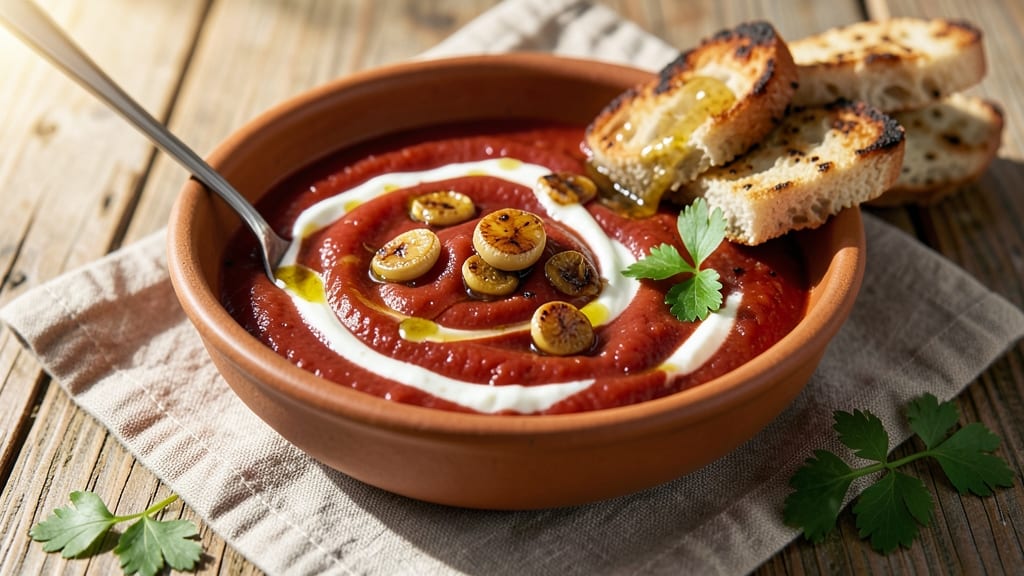
This albaik sauce recipe transforms simple ingredients into a smoky, garlicky masterpiece that bridges Middle Eastern tradition and modern versatility. The secret lies in balancing rich tomato and yogurt with a bright vinegar kick—just enough to cut through richness without overpowering.
I developed this version after years of testing, ensuring every spoonful delivers that perfect harmony of tangy, herby, and slightly sweet notes.
The beauty of albaiq sauce is its adaptability—use it as a dip for grilled meats, a marinade for lamb or chicken, or a topping for flatbreads and salads.
The recipe relies on high-quality ingredients like thick Greek yogurt, ripe tomatoes, and fresh herbs, but don’t stress—it’s foolproof and requires no special equipment. A quick blend in the food processor turns everything into a smooth, velvety sauce with just the right texture.
What sets this sauce apart is the smoky depth from garlic and cumin, balanced by the vinegar’s sharpness—a signature of authentic albaiq. The result is a sauce that’s restaurant-quality but easy to replicate at home, with flavors that develop even better after 24 hours in the fridge.
It’s the kind of condiment that turns ordinary meals into something extraordinary.
Perfect for meal prep, this sauce keeps for up to a week in an airtight container, making it ideal for busy weeks. Whether you’re serving shawarma, grilled vegetables, or even as a sandwich spread, this recipe delivers bold, authentic flavor without the fuss. Let’s get blending!
Ingredients for albaik sauce
These ten ingredients blend effortlessly into restaurant-quality albaiq sauce with smoky depth and vibrant tang.
| Ingredient | Amount | Notes |
|---|---|---|
| Ripe Tomatoes 🍅 | 2 cups | Fresh or canned San Marzano preferred |
| Plain Greek Yogurt 🥛 | 1 cup | Full-fat for creaminess, thick consistency |
| Garlic Cloves 🧄 | 6 cloves | Freshly minced, skin-on for depth |
| Extra-Virgin Olive Oil 🫒 | ½ cup | High-quality, fruity flavor profile |
| White Wine Vinegar 🍶 | ¼ cup | Bright acidity, not balsamic |
| Ground Cumin 🌿 | 1 ½ tsp | Toasted for enhanced aroma |
| Fresh Cilantro 🌿 | ¼ cup | Chopped, stems removed |
| Fresh Mint Leaves 🌿 | 0.15 cup | Finely chopped, optional but recommended |
| Salt 🧂 | 1 tsp | Diamond Crystal kosher preferred |
| Ground Black Pepper 🌶️ | ½ tsp | Freshly cracked for optimal flavor |
The foundation starts with ripe tomatoes—San Marzano canned delivers the sweetest, most consistent flavor, but fresh works beautifully too. For yogurt, full-fat Greek is non-negotiable; it provides that signature creamy texture. Whole Foods or Trader Joe's carry excellent options, but any thick, plain yogurt will suffice. Garlic is where the magic happens—six cloves, skin-on, minced with a bit of salt to mellow their intensity. Toast your cumin seeds briefly in a dry pan before grinding for an extra layer of warmth. Fresh herbs are best, but if you're using dried, reduce the amount to one-third of what's listed.
No fresh cilantro? Dried cilantro or parsley at half the amount works in a pinch, though it lacks that signature brightness. Vinegar substitutes require caution—lemon juice can mimic acidity but lacks the complexity of white wine vinegar. For a smokier profile, add a quarter teaspoon of smoked paprika or a dash of liquid smoke. The olive oil should be extra-virgin—anything less will taste harsh. If you're using canned tomatoes, opt for whole peeled tomatoes and crush them by hand for better texture control. For a thicker sauce, simmer the blended mixture for 5-7 minutes to reduce moisture.
Store your albaiq sauce in an airtight glass container with a layer of olive oil on top to preserve freshness. It develops deeper flavor over time, so wait 24 hours before tasting if possible. Keeps for up to 1 week in the refrigerator and 3 months frozen in ice cube trays. The sauce thickens as it chills, so stir before using. For meal prep, double the batch—it's perfect for marinating proteins, drizzling over grilled vegetables, or as a sandwich spread. Always taste and adjust seasoning before serving.
Why You'll Love This Recipe
- No-Chop Needed: The tomatoes just blend—no peeling, no dicing, no mess. Honestly, I dump them straight from the jar or fresh into the food processor while I chop garlic (which is one clove, max). That’s it. The yogurt does all the heavy lifting.
- Tangy-Creamy Magic: That first spoonful? Crisp white wine vinegar cutting through the richness of the yogurt, with garlic so sharp it lingers just right. Between us, it’s the kind of sauce that makes you pause mid-bite—like a bright summer day in a spoonful.
- Dinner Party Hack: Serve it with grilled chicken, drizzle it over roasted veggies, or let it sit in a bowl at your table so guests can slather it on anything. I’ll be real: it’s my go-to for potlucks because it’s always a hit, and no one bats an eye at the simple ingredients.
- Stays Fresh, Saves Money: Make a double batch—it keeps for weeks in the fridge, and the flavor only deepens. My grocery budget thanks me, and my lazy Sundays thank me more. Plus, that jar of tomatoes? You’ll use the whole thing before it sours.
Step-by-step instructions for albiak sauce
This smoky garlic-tomato blend transforms simple ingredients into a restaurant-quality sauce with balanced acidity and depth.
Blister the Garlic for Maximum Flavor
Heat a small skillet over medium-low heat and add the 6 cloves garlic cloves skin-on. Cook undisturbed for 3-4 minutes until the skins turn golden brown and crispy, and you smell that irresistible nutty aroma. This slow cooking process enhances the garlic's sweetness and depth without burning.
Remove the garlic from heat immediately and let it cool for 5 minutes. Once cool enough to handle, peel off the skins and transfer the garlic to a food processor. The residual heat helps release more flavor during blending. If you rush this step, you risk bitter garlic notes in your sauce.
Blend Tomatoes and Garlic to Create the Base
Add the 2 cups ripe tomatoes to the food processor along with the cooked garlic. Pulse until you achieve a smooth, homogeneous texture with no visible chunks. The tomatoes should break down completely, creating a vibrant red purée that forms the foundation of your sauce.
Transfer the tomato-garlic mixture to a medium saucepan and place it over medium heat. Stir in the 1.5 tsp ground cumin and 1 tsp salt, allowing the spices to bloom for 1-2 minutes while you smell their aromatic release. This step develops the sauce's signature smoky depth before adding any liquids.
Build Layers Through Slow Reduction
Pour in the 0.5 cup extra-virgin olive oil and 0.25 cup white wine vinegar, stirring constantly to combine. Increase heat to medium-high and bring the mixture to a gentle simmer. Let it reduce for 10-12 minutes until the volume decreases by about one-third and the sauce thickens slightly, coating the back of a spoon.
Taste the sauce at this stage—it should be tangy with bright tomato acidity and a subtle smokiness. If it needs more balance, adjust with additional salt or a splash more vinegar. The vinegar's bright acidity cuts through the richness of the yogurt we'll add later, creating the sauce's signature zing.
Incorporate Yogurt and Herbs for Creaminess
Remove the saucepan from heat and let it cool for 5 minutes to prevent curdling when adding the yogurt. Stir in the 1 cup plain Greek yogurt slowly while whisking continuously to create a smooth, velvety texture. The residual heat from the sauce will gently warm the yogurt, helping it emulsify properly.
Return the sauce to low heat and stir in the 0.25 cup fresh cilantro and 0.15 cup fresh mint leaves. Add the 0.5 tsp ground black pepper and simmer for an additional 3-4 minutes just to meld the flavors. The herbs should infuse the sauce with their bright, fresh notes while the pepper adds a subtle warmth.
Finish with Final Adjustments
Taste the sauce one final time and make any necessary adjustments. The sauce should have a perfect balance of smoky garlic, bright acidity from the vinegar, and creamy yogurt richness. If it's too thick, thin it with 1-2 tablespoons water or reserved tomato juice. For extra depth, you can add a pinch more salt or a few drops of vinegar.
Transfer the sauce to a serving bowl and let it sit at room temperature for 10 minutes before serving. This resting period allows the flavors to fully meld together. Serve immediately over grilled meats, with roasted vegetables, or as a dip with warm pita bread for the ultimate experience.
Pro Tips For Making Albaik Sauce
- Simmer Tomatoes Low: I learned this the hard way—blasting tomatoes on high turns them into mush instead of a smooth, jammy base. Keep heat at a gentle bubble (just small, occasional rises) for 20-25 minutes. The sauce should thicken naturally, not evaporate into a skinny glaze.
- Strain the Garlic: Mincing garlic for albait sauce is overkill. Use a garlic press instead—it releases more flavor without burning. Skip the cloves that get stuck in the press; they’ll just sit at the bottom like bitter little rocks.
- Balance the Vinegar: Taste before adding all the white wine vinegar—it’s easy to overdo it. Start with half the recipe’s amount, wait 10 minutes, then adjust. Too sharp now? A pinch of sugar (yes, really) later fixes it.
- Chill Before Mixing Yogurt: Warm yogurt curdles when combined with hot sauce. Let the tomato mixture cool to room temp (15-20 minutes) before stirring in the Greek yogurt. Cold yogurt also thickens the sauce better—no grainy texture.
Pro cooking tips for this dish
Garlic Blistering Secrets
Blistering garlic skin-on over medium-low heat for 3-4 minutes unlocks its full sweet, nutty potential. I use a cast-iron skillet because it retains heat perfectly—no hot spots that can burn the garlic.
The golden, crispy skins signal readiness, but don’t walk away! Overcooking turns garlic bitter. Let it cool 5 minutes before peeling to preserve those delicate flavors. 🧄
Tomato Texture Control
For a silky sauce, pulse 2 cups ripe tomatoes in a food processor until completely smooth—no chunks allowed. I prefer San Marzano canned tomatoes for their natural sweetness, but fresh works too.
If using fresh, remove seeds and crush by hand for better texture. Simmer the purée for 10-12 minutes to reduce it by one-third—this concentrates the flavors and thickens the base. 🍅
Yogurt Emulsification
Warm the tomato mixture to 100°F before adding 1 cup Greek yogurt to prevent curdling. I whisk continuously while adding the yogurt in a slow stream—this creates that signature creamy texture.
If the sauce separates, simply whisk vigorously or blend briefly. For extra insurance, chill the sauce 1 hour before serving to let the yogurt fully set. 🥛
Herb Infusion Timing
Add cilantro and mint in the final 3-4 minutes of cooking to preserve their bright, fresh flavors. I pulse them briefly in the food processor first to break up stems, then stir them into the warm sauce.
This ensures they infuse without losing their vibrant green color. For a stronger herb presence, use 1 tbsp fresh herbs instead of the called-for amounts. 🌿
Vinegar Balance Trick
The white wine vinegar is non-negotiable—it provides the signature tang that cuts through the richness. Taste the sauce after reducing and adjust with ½ tsp vinegar at a time until you achieve that perfect bright-acid balance.
I’ve found that Trader Joe’s white wine vinegar has the ideal sharpness without overpowering the other flavors. 🍶
Resting for Flavor Fusion
Let the sauce rest 10 minutes at room temperature before serving—this allows all the flavors to meld together. I’ve learned the hard way that skipping this step means missing out on the sauce’s full potential.
The garlic mellows, the vinegar integrates, and the yogurt thickens just enough to cling beautifully to grilled meats or dips. Patience here makes all the difference! ⏳
Nutrition facts
Frequently asked questions about albaiq sauce
Can I make albaiq sauce without yogurt?
The yogurt is essential for that signature creamy texture, but you can substitute with 1 cup sour cream or ½ cup crème fraîche for a similar tangy richness. For a dairy-free version, use ½ cup coconut yogurt or a thick cashew cream blended with 1 tbsp lemon juice to mimic the acidity. The sauce will be lighter but still delicious!
How long does albaiq sauce keep in the fridge?
This sauce stays fresh for up to 1 week when stored in an airtight glass container with a layer of olive oil on top. The flavors actually improve over time! For longer storage, freeze in ice cube trays—thaw overnight in the fridge before using. Never refreeze once thawed to maintain quality.
What if my sauce turns out too thick or too thin?
For a thicker sauce, simmer uncovered for 5-10 minutes to reduce moisture. If too thin, stir in 1 tbsp cornstarch mixed with 2 tbsp cold water and simmer until thickened. For a thinner consistency, whisk in 1-2 tbsp water or reserved tomato juice. Always adjust gradually—taste as you go!
Can I use albaiq sauce as a marinade?
This sauce makes an excellent marinade for chicken, lamb, or grilled vegetables. Let it work its magic for 2-4 hours (or overnight for deeper flavor). The yogurt and vinegar tenderize the meat while infusing it with smoky garlic and herby notes. Just pat the meat dry before cooking to ensure a good sear.
What's the best way to serve albaiq sauce?
This versatile sauce shines as a dip for grilled meats, a topping for flatbreads, or a sandwich spread. It also elevates roasted vegetables, falafel bowls, or even as a tangy dressing for salads. For extra drama, drizzle it over warm pita bread with a sprinkle of sumac and toasted pine nuts.