
Sauces & Condiments
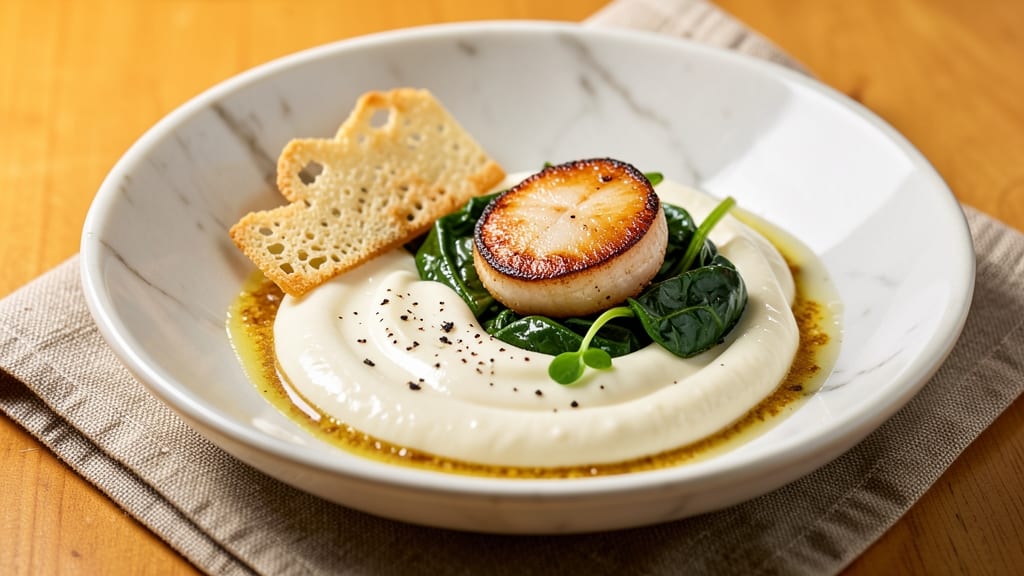
This Mikuni white sauce recipe delivers the signature velvet-smooth texture and subtle tang that elevates every dish it touches. The secret lies in a perfectly balanced roux—equal parts butter and flour cooked until nutty brown—then slowly whisked into warm milk and cream until silky.
What sets this apart is the precise acidity from vinegar, which brightens the richness without overpowering it, creating that signature Mikuni zing.
The process is straightforward but requires patience: cooking the roux low and slow prevents burning while developing deep flavor, then gradually incorporating the dairy ensures no lumps form. This sauce transforms simple proteins like chicken or fish into restaurant-quality meals, or serves as a luxurious base for creamy pasta dishes.
The result is a velvety, slightly tangy sauce that clings beautifully to ingredients.
With just six core ingredients—plus optional garlic or herbs for customization—this recipe delivers professional-level results in under 30 minutes. The sauce thickens as it cools, making it ideal for meal prep, and stores perfectly in the refrigerator for up to 5 days.
Whether you're finishing a seared scallop or drizzling over roasted vegetables, this sauce brings elegance to any plate.
For extra depth, infuse the warm milk with a crushed garlic clove or fresh herbs before combining. The key to success is maintaining a gentle simmer throughout the thickening process—never boiling, which can cause the sauce to separate.
Once mastered, this technique becomes your go-to for creamy, tangy sauces that taste like they came from a high-end kitchen.
Ingredients for mikuni white sauce
Six core ingredients transform into restaurant-quality Mikuni white sauce with velvety texture and bright tang.
| Ingredient | Amount | Notes |
|---|---|---|
| Unsalted Butter 🧈 | ½ cup | Cold, cubed for even cooking |
| All-Purpose Flour 🌾 | ½ cup | White or bread flour preferred |
| Whole Milk 🥛 | 1 ½ cups | Warmed to room temperature |
| Heavy Cream 🥛 | ½ cup | Full-fat for optimal texture |
| White Wine Vinegar 🍶 | 1 tbsp | Distilled or apple cider vinegar |
| Diamond Crystal Kosher Salt 🧂 | ½ tsp | Adjust to taste after thickening |
| Fresh Garlic Cloves 🧄 | 1 whole | Optional, crushed for infusion |
| Fresh Parsley Leaves 🌿 | ¼ cup | Optional, chopped for garnish |
The butter and flour form the foundation—European-style butter like Plugrá or President yields the best flavor. For flour, King Arthur or Gold Medal brands create a smoother roux. The vinegar is non-negotiable; distilled white vinegar provides the cleanest acidity, while apple cider adds subtle fruit notes. Purchase organic milk and cream from local dairies if available—their higher fat content enhances richness. The garlic, when used, should be freshly crushed and steeped in warm milk for 10 minutes to infuse flavor without bitterness.
No white wine vinegar? Lemon juice at half the amount works in a pinch, though the flavor profile shifts slightly. Substituting whole milk for half-and-half increases richness but reduces stability—adjust thickening time accordingly. For a dairy-free version, replace milk and cream with full-fat coconut milk, though texture will be lighter. The optional parsley can be swapped for chives or tarragon for different herbal notes. If making ahead, omit fresh herbs until serving to preserve color and freshness.
This sauce thickens as it cools, so strain through a fine-mesh sieve before storing to achieve perfect silkiness. Keeps 5 days refrigerated in an airtight container, or 3 months frozen in ice cube trays for portion control. For restaurant-quality results, reheat gently on low heat, whisking constantly until smooth. The sauce's versatility makes it ideal for meal prep—double the batch and freeze half for future use on proteins or vegetables.
Why You'll Love This Recipe
- Five-Ingredient Magic: This sauce comes together with just butter, flour, milk, cream, and a splash of vinegar—no fancy gadgets, no stress. Honestly, I’ve made it while waiting for water to boil, and it still turns out luscious every time.
- Velvet Smoothness: The heavy cream and milk blend into something so silky it almost feels sinful to drizzle on pasta. That little hit of white wine vinegar? It brightens the richness without overpowering—like a whisper of tang in an otherwise creamy hug.
- Weeknight Workhorse: Slather it on roasted veggies, toss it with chicken, or drizzle it over grilled fish—it’s my go-to for anything that needs a quick upgrade. (Yes, even on a Tuesday night when you’re too tired to think.)
- Budget-Friendly Luxury: You’re using pantry staples here, not specialty ingredients, but it tastes like a restaurant’s white sauce. Between us, I’ve stretched a single batch into three meals without anyone noticing the difference.
Step-by-step instructions for Mikuni white sauce
Master this velvety sauce with a subtle vinegar brightness—perfect for seafood or poultry.
Create the Roux Base
Melt the 0.5 cup unsalted butter in a medium saucepan over medium-low heat. Once fully melted and foaming subsides, reduce heat to low and whisk in the 0.5 cup all-purpose flour continuously for 2 minutes. This creates a smooth, pale roux—the foundation of our sauce.
Watch closely as the mixture thickens. You're aiming for a pale golden color—if it darkens, you've overcooked it. The roux should coat the back of a spoon but still flow smoothly. This step builds flavor through the Maillard reaction, so don't rush it.
Gradually Incorporate Liquids
Slowly pour in the 1.5 cups whole milk while whisking vigorously to prevent lumps. The sauce will thicken immediately, but keep whisking for 3-4 minutes until it reaches a thick, creamy consistency. If it looks too thin, simmer for another minute to evaporate excess moisture.
Here's where the science matters: heat the milk to room temperature first—cold milk causes the sauce to separate. The slow incorporation creates microscopic fat globules that give Mikuni sauce its signature silkiness. If you see any lumps, strain through a fine-mesh sieve for a flawless finish.
Add Vinegar and Seasonings
Stir in the 1 tbsp white wine vinegar and 0.5 tsp kosher salt, then add the 1 whole garlic clove (if using). The vinegar brightens the sauce while balancing the richness—this is Mikuni's secret weapon. Simmer gently for 5 minutes to let flavors meld, stirring occasionally to prevent scorching.
Taste and adjust seasoning—you might need a pinch more salt to complement the vinegar's acidity. The sauce should coat the back of a spoon but remain pourable. If it thickens too much, thin with a splash of warm milk. This is where the sauce transforms from basic béchamel to something extraordinary.
Finish with Cream and Garnish
Remove from heat and stir in the 0.5 cup heavy cream until fully incorporated. Return to low heat just until warmed through—no boiling. The cream adds luxurious body while keeping the sauce light. For the final touch, fold in the 0.25 cup chopped parsley leaves just before serving.
This sauce should be silky, velvety, and slightly glossy with a subtle vinegar tang. Serve immediately over grilled fish, roasted chicken, or steamed vegetables. The parsley adds freshness that cuts through the richness, making each bite balanced. For best results, use within 2 hours of making.
Pro Tips For Making Mikuni White Sauce
- Whisk the roux fast: Once you melt the butter, dump in the flour all at once and whisk like you’re trying to win a race against lumps. I used to add it slowly—don’t. The flour needs to cook evenly, and a slow start just gives you more chances to stir unevenly. Keep the heat at medium and don’t let up until it’s a deep golden color, like toasted breadcrumbs.
- Chill the milk first: Cold milk saves your sauce from curdling when you add it to the hot roux. I learned this the hard way after watching a batch separate like a bad smoothie. Pop the milk in the fridge for at least 20 minutes before using—it’s the simplest way to keep your sauce silky.
- Acid in stages: Don’t dump all the white wine vinegar at once—add half first, let it bloom, then taste. The vinegar cuts the richness, but too much too soon makes the sauce taste sharp. You want it bright, not like you’re pickling the sauce. Adjust gradually.
- Finish with cream heat: Warm the heavy cream separately until it’s just steaming, then fold it into the sauce off the heat. Cold cream cools the sauce too fast and can make it grainy. A few seconds of heat makes all the difference—your sauce will feel luxurious, not heavy.
Perfect pairings for this dish
Protein Pairings
This velvety white sauce transforms simple proteins into restaurant-worthy dishes. Drizzle over seared scallops or pan-seared halibut to elevate seafood—just 2 tbsp per serving enhances natural flavors without overpowering. For poultry, spoon over roasted chicken thighs or herb-crusted turkey breast to add moisture and depth.
The subtle vinegar tang cuts through richness, making it ideal for grilled salmon or poached cod. 🌟
For a heartier option, pair with braised short ribs or beef tenderloin—the sauce's silkiness contrasts beautifully with meaty textures. I love using it as a finishing sauce for duck confit, where its acidity balances the duck's fat.
Always warm the sauce gently before serving to maintain its velvety texture.
Vegetable Complements
Roasted or steamed vegetables become gourmet when dressed with this sauce. Toss with asparagus spears or green beans for a creamy, tangy finish. The sauce clings perfectly to cremini mushrooms or zucchini ribbons, making them feel luxurious.
For a complete meal, serve over mashed potatoes or wild rice pilaf—just 1 tbsp per serving adds restaurant-quality richness. 🌿
Try it with blanched broccoli or roasted Brussels sprouts for a sophisticated side dish. The vinegar brightens earthy flavors, while the creaminess makes every bite satisfying. For extra flair, garnish with toasted breadcrumbs or crispy fried shallots before serving.
Pasta Perfection
This sauce transforms simple pasta into an elegant dish. Toss with fettuccine or tagliatelle for a creamy, tangy alfredo-style meal. The sauce coats noodles beautifully, creating a velvety finish. For extra depth, stir in white wine (about 2 tbsp) during the final simmer.
I recommend serving with grilled shrimp or chicken breast on the side for a complete meal. 🍝
For a lighter option, use it as a cold sauce over chilled pasta salads—the vinegar adds a refreshing zing. The sauce also works well with gnocchi or shelled pasta, where its silkiness clings perfectly. Always cook pasta al dente and toss immediately with warm sauce to prevent sticking.
Bread and Dips
Turn this sauce into a luxurious dip for crusty bread or warm baguette slices. The creamy texture and subtle tang make it perfect for charcuterie boards alongside prosciutto or aged cheddar.
For extra crunch, serve with pita chips or pretzel crisps. The sauce's versatility extends beyond proteins—it's a fantastic appetizer on its own. ✨
Use it as a dipping sauce for spring rolls or fried dumplings, adding a creamy contrast to crispy textures. The vinegar brightens the richness, making each bite more flavorful. For a quick meal, spread it on toasted sourdough with smoked salmon and capers for a gourmet open-faced sandwich.
Nutrition facts
Frequently asked questions
Why does Mikuni white sauce have vinegar?
The vinegar is essential—it brightens the richness of the butter and cream while adding that signature tang. Without it, the sauce would taste flat. The acidity also helps balance the sweetness of the milk, creating a well-rounded flavor profile that makes this sauce so versatile. Think of it as the secret ingredient that transforms basic béchamel into something extraordinary.
Can I make this sauce without heavy cream?
Yes! Replace the 0.5 cup heavy cream with 0.5 cup whole milk for a lighter version, though the texture will be slightly thinner. For extra richness without cream, add 1 tbsp sour cream at the end. The sauce will still be delicious—just adjust the thickness by simmering longer if needed. The key is maintaining the vinegar balance to keep that signature Mikuni zing.
How do I fix a lumpy sauce?
Don't panic! Immediately transfer the sauce to a blender and pulse until smooth, or press it through a fine-mesh sieve while whisking. If you catch lumps early, whisk vigorously over low heat—they'll eventually dissolve. For prevention, always whisk continuously when adding liquids to the roux, and ensure your milk is warm (not cold) before incorporating.
Can I use this sauce in cold dishes?
This sauce works beautifully chilled for pasta salads, cold seafood platters, or as a dip. The texture remains velvety when refrigerated, and the vinegar adds a refreshing tang. For best results, store it in an airtight container for up to 5 days—it actually thickens further when cold, so you may need to thin it with a splash of warm milk before serving.
What's the best way to reheat leftover sauce?
Gently reheat over low heat while whisking constantly to prevent separation. Never microwave—it causes uneven heating and can break the emulsion. For extra smoothness, strain through a sieve before reheating. The sauce should warm through in 3-4 minutes, maintaining its silky texture. If it thickens too much, add a splash of warm milk or cream to restore consistency.