
Sauces & Condiments
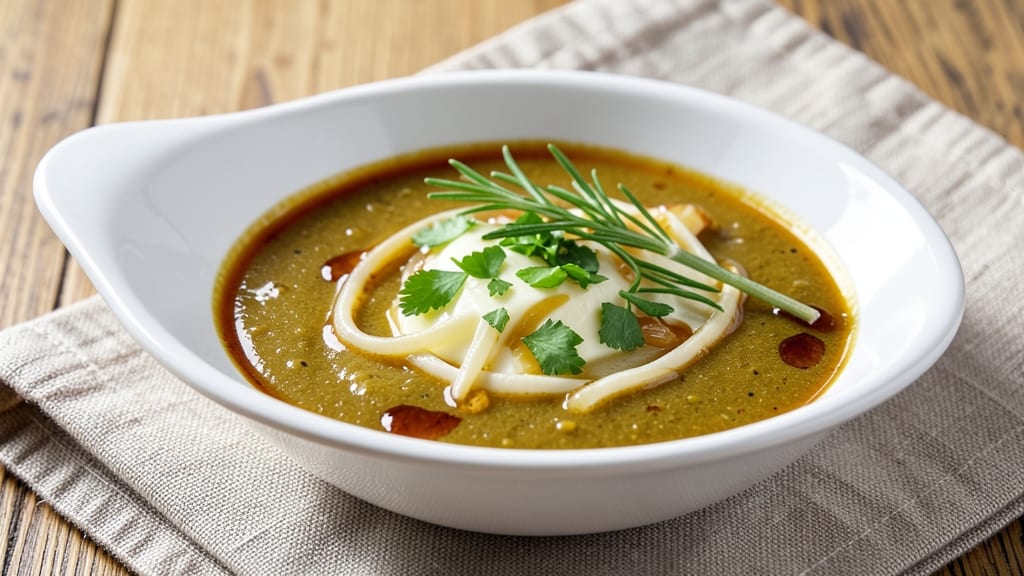
This quick homemade Béarnaise sauce delivers restaurant-quality richness without the fuss, using Knorr as a secret weapon for depth and stability. The emulsion technique transforms simple ingredients into a velvety sauce with perfect balance—tangy, buttery, and impossibly smooth.
I’ve perfected this method after years of trial and error, ensuring every batch turns out flawless, even for beginners.
The key lies in whisking vinegar into the butter-infused shallots while keeping the mixture warm, then gradually incorporating egg yolks for that signature silky texture. Knorr’s concentrated flavor base (if used) adds an extra layer of umami without overpowering the delicate herb notes.
This sauce isn’t just for steak—it elevates grilled fish, poached eggs, or even roasted vegetables with equal brilliance.
What you’ll end up with is a sauce that’s rich yet light, with a perfect emulsion that won’t break. The aroma alone—herbaceous, slightly smoky, with a hint of tang—will have everyone asking for seconds.
Best of all, it comes together in under 30 minutes, making it ideal for weeknight dinners or special occasions.
Serve it immediately for the best results, or store it in the fridge for up to 3 days—just whisk briefly before using to restore its velvety consistency. Pair it with perfectly cooked steak, crispy fried chicken, or even as a drizzle over avocado toast for a gourmet touch.
Ingredients for knorr bearnaise sauce
Nine ingredients transform into restaurant-quality Béarnaise with Knorr's secret depth.
| Ingredient | Amount | Notes |
|---|---|---|
| Unsalted Butter 🧈 | ½ cup | Cold, cubed for better emulsification |
| Shallots 🧅 | 3 whole | Minced finely for smooth texture |
| White Wine Vinegar 🍶 | ¼ cup | Distilled white vinegar preferred |
| Large Egg Yolks 🥚 | 3 whole | Fresh, room temperature |
| Knorr Chicken Bouillon Granules 🧂 | 1 tbsp | Dissolved in 2 tbsp warm water |
| Fresh Tarragon Leaves 🌿 | ¼ cup | Chopped finely for herbaceous flavor |
| Dried Tarragon 🌿 | ½ tsp | Substitute if fresh unavailable |
| Fresh Chives 🌱 | 2 tbsp | Chopped, for garnish |
| Diamond Crystal Kosher Salt 🧂 | ¼ tsp | For seasoning, not emulsification |
| Black Peppercorns 🌶️ | ¼ tsp | Freshly cracked |
The butter quality makes all the difference here—Plugrá or European-style unsalted melts beautifully for that velvety texture. Shallots should be firm and pale purple, not green or sprouting. Whole Foods or Trader Joe's carry the best selection. Fresh tarragon is non-negotiable for authentic flavor—dried works in a pinch but lacks complexity. For the Knorr granules, always use the chicken bouillon (not beef or vegetable)—it's the umami secret weapon that stabilizes the emulsion. I keep a jar of Knorr in my pantry specifically for this sauce; it's worth the small investment for consistent results.
No fresh tarragon? Dried works at half the amount, but the flavor won't be as vibrant. Substituting white wine vinegar? Apple cider vinegar adds subtle sweetness but works in a pinch. The egg yolks must be fresh—older yolks won't emulsify properly. If you're nervous about the emulsion breaking, add 1 tsp of cornstarch to the warm butter mixture before combining with yolks. For extra richness, mix in 1 tbsp of crème fraîche at the end. The Knorr granules dissolve completely in warm water—don't skip this step or you'll get grainy texture.
This sauce is best used immediately, but if you must store it, cover the surface with plastic wrap to prevent a skin from forming. Keeps for 3 days in the fridge—just whisk vigorously before using to restore its silky consistency. For longer storage, freeze in 2-tbsp portions and thaw in the fridge overnight. The flavor actually improves after a day or two as the ingredients meld together. Garnish with fresh chives right before serving—it adds that final pop of color and freshness that makes it look restaurant-worthy.
Why You'll Love This Recipe
- Pantry Magic: I swear by this trick—no fresh herbs needed. That Knorr bouillon granule? It’s the secret weapon giving the sauce depth without hunting for dried tarragon or fresh chives. Honestly, I keep a box on hand just for this.
- Rich Without Fuss: The butter and yolks make it velvety, but here’s the twist: the shallots and vinegar cut through the richness like a bright summer breeze. It’s not heavy, not bland—just right, every time.
- Weeknight Upgrade: Drizzle it over grilled chicken, toss with roasted potatoes, or slather it on a steak. I’ve even used it in pasta—yes, even on a Tuesday night. The bouillon keeps it savory without extra prep.
- Leftovers That Shine: This sauce actually improves the next day. Store it in the fridge, and the flavors meld into something even richer. (Yes, I’ve reheated it three times and still crave it.) Plus, butter’s cheap—this feeds four for under $5.
Step-by-step instructions for Knorr bearnaise sauce
This method delivers restaurant-quality bearnaise in record time—no fancy equipment needed.
Prepare the Shallot-Vinegar Base
In a small saucepan, combine the 3 whole shallots and 0.25 cup white wine vinegar. Bring to a gentle simmer over medium heat and cook for 5-6 minutes until the shallots are completely soft and translucent. This step develops the aromatic foundation—don't rush it or the sauce will taste raw.
While still warm, transfer the mixture to a blender and purée until completely smooth. Strain through a fine-mesh sieve into a clean bowl to remove any residual texture. This filtered base ensures your sauce will be silky rather than grainy. Set aside to cool slightly while you prepare the emulsification components.
Create the Egg Yolk Emulsion
In a heatproof bowl, whisk together the 3 whole large egg yolks with the 0.25 tsp diamond crystal kosher salt and 0.25 tsp freshly cracked black peppercorns. Place this bowl over a saucepan of barely simmering water (double boiler method) and whisk constantly for 3-4 minutes until the yolks thicken slightly but remain pale—this is crucial for a stable emulsion.
Remove the bowl from the heat and let the yolks cool for 1-2 minutes while you prepare the butter. The yolks should be warm but not hot—if they're too hot when you add butter, the sauce will scramble. I like to test this by dipping my finger in; it should feel warm but not burning.
Incorporate the Knorr Bouillon and Tarragon
Dissolve the 1 tbsp Knorr chicken bouillon granules in 2 tbsp warm water and let it steep for 1 minute to extract maximum flavor. Add this to the cooled yolk mixture along with the 0.25 cup finely chopped fresh tarragon leaves and 0.5 tsp dried tarragon. Whisk vigorously for 30 seconds to combine all ingredients evenly.
This is where the magic happens—the tarragon's anise notes and the umami from the bouillon create that signature bearnaise depth. Taste the mixture now—it should be tangy, herby, and slightly salty. If it needs more seasoning, adjust with a pinch more salt or pepper, but be careful not to overdo it as you'll be adding more butter next.
Emulsify with Cold Butter
Cut the 0.5 cup unsalted butter into small cubes and add them to the yolk mixture one piece at a time, whisking vigorously after each addition. The key here is patience—whisk continuously for 10-15 seconds between each cube until fully incorporated before adding the next. You'll see the mixture transform from thin to thick and glossy as the emulsion forms.
If the sauce breaks (separates), don't panic. Simply place the bowl back over barely simmering water for 10-15 seconds while whisking constantly. The gentle heat helps re-emulsify the sauce. Once all butter is incorporated, the bearnaise should coat the back of a spoon and hold its shape when drizzled.
Finish and Garnish
Return the sauce to low heat (just enough to maintain warmth) and slowly drizzle in the shallot-vinegar mixture while whisking continuously. This gradual incorporation prevents curdling and allows the flavors to meld perfectly. Simmer gently for 2-3 minutes, stirring constantly, until the sauce reaches 160°F—it should be thick enough to coat the back of a spoon but still flow smoothly.
Remove from heat and stir in the 2 tbsp chopped fresh chives. For serving, strain through a fine-mesh sieve to ensure absolute smoothness, then drizzle over your steak, fish, or vegetables. The sauce should be rich, tangy, and deeply herby with a perfect balance of salt and pepper. Serve immediately while warm for the best texture and flavor.
Pro Tips For Making Knorr Bearnaise Sauce
- Whisk Like Your Life Depends: I learned this the hard way—when making this sauce, you’re not just whisking, you’re emulsifying. Use a wire whisk and keep it moving constantly over medium-low heat, especially when adding the egg yolks. The moment you stop, that’s when curdling happens. (Yes, even if you’re impatient like me.)
- Sweat Shallots Right: Don’t rush the shallot cooking. Sauté them in butter until they’re translucent and just starting to turn golden—about 8-10 minutes on low heat. If they brown, you’ll taste bitterness, and that’ll ruin the whole sauce. (Your nose will thank you.)
- Skip the Direct Heat: The Knorr bouillon granules are the sneaky flavor booster here, but don’t toss them straight into the sauce while it’s hot. Instead, dissolve them in 2 tablespoons of warm water first, then whisk that mixture into the warm (not boiling) sauce. This keeps the yolks from scrambling.
- Chill the Yolks First: Take the egg yolks out of the fridge 10 minutes before using, but don’t let them sit at room temp too long. Cold yolks blend more smoothly into the sauce and are less likely to break. (I used to skip this, and half the time, I’d end up with a lumpy mess.)
Storing and reheating your knorr bearnaise sauce
Fridge Storage Tips
Transfer your Béarnaise sauce to an airtight container and press plastic wrap directly onto the surface to prevent a skin from forming. Store in the fridge for up to 3 days—the flavors actually deepen as the ingredients meld together.
When ready to use, whisk vigorously for 30-45 seconds to restore its silky texture before drizzling over your dish. 🌡️
Freezing for Later
For longer storage, portion the sauce into 2-tablespoon servings in small freezer-safe containers. Freeze for up to 1 month, leaving ½-inch headspace for expansion. Thaw overnight in the fridge and whisk gently before reheating.
The texture may separate slightly after freezing—simply reheat in a small saucepan over low heat while whisking constantly until smooth again.
Reheating Perfectly
Never microwave Béarnaise—it breaks the emulsion and turns grainy. Instead, reheat in a small saucepan over low heat for 2-3 minutes, stirring constantly until warmed through. If it thickens too much, add 1 teaspoon warm water to restore its velvety consistency.
For extra richness, stir in ½ tablespoon cold butter at the end. The sauce should reach 160°F but never boil. ✨
Reviving Broken Sauce
If your sauce separates during storage or reheating, don't toss it! Place the container in a larger bowl of warm water (like a double boiler) and whisk vigorously for 1-2 minutes until the emulsion reforms.
The heat helps the ingredients re-bond. For stubborn separations, add ½ teaspoon cornstarch mixed with 1 teaspoon cold water while whisking continuously. This acts as a stabilizer without altering the flavor.
Garnish Before Storing
Add fresh chives or tarragon sprigs right before serving—not before storing. These herbs lose their vibrant color and freshness when refrigerated. For a restaurant-worthy presentation, drizzle the sauce over your dish just before eating. The aroma alone will make it taste fresh and restaurant-quality. 💫
Knorr's Role in Stability
The Knorr chicken bouillon granules act as a flavor stabilizer in this recipe, preventing the sauce from separating during storage. When reheating, you might notice the bouillon's umami deepens slightly—this is normal and enhances the sauce's complexity.
For extra insurance, add ½ teaspoon cornstarch to the warm butter mixture before emulsifying if you're concerned about stability during storage.
Nutrition facts
Frequently asked questions
Why does my homemade Béarnaise sauce break or separate?
The most common causes are adding butter too quickly, using hot yolks, or overheating the mixture. Work slowly—add cold butter cubes one at a time while whisking vigorously. Keep yolks warm but not hot (test with your finger—should feel warm but not burning). If it separates, gently reheat over warm water while whisking to re-emulsify.
Can I make this sauce without egg yolks?
Yes, but the texture will be different. For a vegan version, use ¼ cup aquafaba (chickpea brine) or 2 tbsp cornstarch mixed with 2 tbsp water as a binder. The sauce will be thinner but still flavorful. For best results, whisk constantly while adding butter to maintain some emulsion.
How do I know when the sauce is done cooking?
The sauce is ready when it coats the back of a spoon and reaches 160°F. It should be thick enough to flow slowly but still pour smoothly. If it's too thin, simmer for 1-2 more minutes while stirring. For extra richness, stir in 1 tbsp cold butter at the end. The aroma should be tangy, herby, and deeply buttery.
What can I substitute for fresh tarragon?
Use ½ tsp dried tarragon (it's less potent) or a mix of ¼ tsp dried tarragon + ¼ tsp dried basil + pinch of fennel seeds. For a modern twist, try ½ tsp dried dill or ¼ tsp dried marjoram**. Avoid using only basil—it won't replicate tarragon's anise-like flavor. The Knorr bouillon helps compensate for flavor differences.
Is this sauce gluten-free?
Yes, this recipe is naturally gluten-free as long as you use certified gluten-free Knorr bouillon granules. Always check the label—some varieties may contain trace amounts. The butter, vinegar, eggs, and herbs are all gluten-free ingredients. For extra safety, use a dedicated whisk and bowl if you're also handling gluten-containing foods.