
Sauces & Condiments
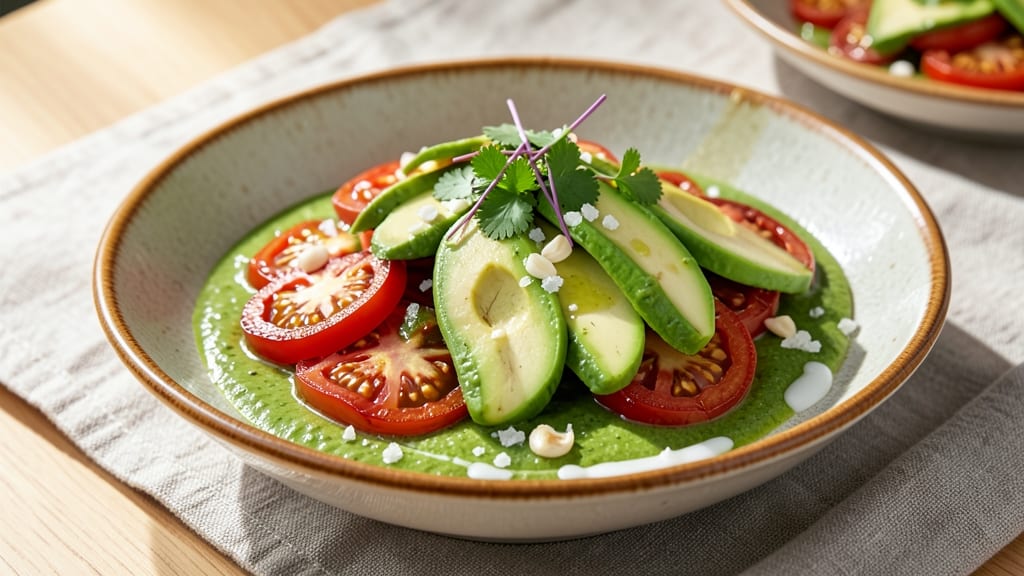
This el pato sauce recipe brings the bold, tangy essence of Argentina and Uruguay to your table with its signature creamy avocado-tomato fusion. Born from a tradition of balancing rich textures with bright acidity, this sauce transforms simple ingredients into something extraordinary—where velvety avocado meets the sharp depth of vinegar.
I first discovered it while traveling through Buenos Aires, where it's served as both a marinade and a table sauce, elevating everything from grilled meats to fresh bread.
The magic lies in its simplicity: ripe avocado blended with fresh tomatoes, garlic, and a touch of vinegar for that signature tang. Unlike many sauces, this one doesn’t rely on heavy cream—just the natural fats from the avocado create that luxurious creaminess.
The key is letting the flavors marinate together for at least 30 minutes, allowing the vinegar to mellow and the spices to meld into a harmonious blend. It’s the kind of sauce that turns ordinary meals into something special, with just a few pantry staples.
What makes this sauce truly remarkable is its versatility—drizzle it over grilled steaks, use it as a marinade for chicken, or serve it chilled with crispy bread for dipping. The creamy texture pairs beautifully with bold flavors, while the vinegar’s hidden depth ensures it never feels one-dimensional.
Best of all, it keeps well in the fridge for up to 3 days, making it perfect for meal prep or hosting guests. Once you taste it, you’ll understand why it’s a staple in Argentine homes.
For those who love to experiment, you can easily adapt it by adding a pinch of chili for heat or a splash of citrus for brightness.
The original recipe stays true to its roots, but the beauty of el pato sauce is how it adapts to your taste—whether you prefer it smooth, slightly chunky, or infused with extra garlic.
Let’s get started on creating this creamy, vibrant sauce that’s as much about tradition as it is about flavor.
Ingredients for el pato sauce
Simple ingredients for a sauce that tastes like Argentine tradition meets your kitchen.
| Ingredient | Amount | Notes |
|---|---|---|
| Ripe Avocados 🥑 | 2 whole | Firm but yielding, no bruises |
| Medium Tomatoes 🍅 | 4 whole | Ripe, preferably Roma or vine |
| Garlic Cloves 🧄 | 3 cloves | Fresh, peeled, slightly crushed |
| White Vinegar 💧 | 2 tbsp | White or apple cider vinegar |
| Extra-Virgin Olive Oil 🫒 | ¼ cup | High-quality, fruity variety |
| Salt 🧂 | 1 tsp | Diamond Crystal kosher salt |
| Ground Black Pepper 🌶️ | ½ tsp | Freshly ground preferred |
| Fresh Cilantro 🌿 | ¼ cup | Stems removed, chopped fine |
| Lemon Juice 🍋 | 1 tbsp | Freshly squeezed |
Avocados are the star—pick ones that yield slightly to gentle pressure but aren't mushy. Trader Joe's and Whole Foods usually have the best selection, but any grocery store will do if they're ripe. Tomatoes should be firm but not hard—Roma or vine tomatoes give the best texture. Fresh garlic is non-negotiable here; the flavor just doesn't compare with powdered. If you're using store-bought vinegar, make sure it's white or apple cider—balsamic would overpower the delicate balance. For olive oil, any high-quality extra-virgin will work, but avoid the cheap stuff that tastes bitter.
No ripe avocados? Use 1 cup mashed avocado (frozen works in a pinch)—just add a splash of water to help blend. Swap tomatoes for 1 cup canned crushed tomatoes (drained) if fresh aren't available, but add an extra pinch of salt. Running low on vinegar? A splash of lime juice (about 1 tbsp) works in a bind, though it'll taste slightly different. The cilantro is optional but adds that fresh herbaceous note—skip it if you're sensitive to cilantro's flavor. For extra depth, add a pinch of red pepper flakes or a dash of smoked paprika. The sauce can be made slightly chunkier by blending less or smoother by pulsing longer—both work beautifully.
This sauce keeps best when stored in an airtight container with a thin layer of olive oil on top to preserve freshness. It'll stay good in the fridge for up to 3 days, though the texture might separate slightly—just give it a quick stir before using. For longer storage, freeze in ice cube trays for single-serving portions that thaw in minutes. The flavors actually improve after resting for 30 minutes to an hour, so don't rush it. I like to make a double batch—one for immediate use and one to freeze for later. It's perfect for meal prep or entertaining.
Why You'll Love This Recipe
- Five-Ingredient Magic: I swear by this—just avocado, tomatoes, garlic, vinegar, and olive oil. That’s it. No fancy prep, no hidden pantry items, and zero stress.
- Creamy-Tangy Bliss: The avocado gives it that velvety richness, while the vinegar cuts through with a bright, almost citrusy kick. Honestly? It’s the kind of balance that makes you reach for seconds without thinking.
- Weeknight to Party: Slap it on toast for breakfast, drizzle it over grilled fish at dinner, or use it as a dip when friends drop by. Between us, I’ve served this at potlucks and it disappears faster than the good chips.
- No-Waste Win: Use up that overripe avocado instead of tossing it. The tomatoes? They’ll keep for days in the fridge, and the garlic? You’ll use the rest of the bulb before it sprouts. Plus, it stretches thin—perfect for stretching your budget.
Step-by-step instructions for creamy avocado-tomato fusion sauce
Here's how to blend rich avocado with bright tomatoes for a velvety sauce with surprising depth.
Roast Tomatoes Until Deeply Caramelized
Preheat your oven to 425°F. Cut the 4 whole medium tomatoes in half lengthwise and place them cut-side down on a baking sheet. Drizzle with 1 tablespoon of the extra-virgin olive oil and sprinkle with ½ teaspoon salt. Roast for 20-25 minutes until the edges are deeply browned and the flesh easily collapses when pressed.
This roasting step transforms the tomatoes into sweet, jammy pieces that form the sauce's base. The caramelization brings out their natural sugars, which balance the avocado's richness. Keep an eye on them—they should be soft but not mushy, with a concentrated, almost jam-like texture when mashed.
Blend Roasted Tomatoes with Vinegar and Garlic
Transfer the roasted tomatoes to a blender or food processor. Add the 3 cloves garlic cloves, 2 tablespoons white vinegar, and ½ teaspoon ground black pepper. Pulse until the tomatoes break down completely, scraping down the sides as needed. The vinegar might seem unusual, but it's what gives this sauce its signature tangy depth—think of it as the secret ingredient that prevents the avocado from making the sauce too heavy.
Blend until smooth, then taste. You should notice the tomatoes have mellowed into a sweet, slightly acidic puree with just a hint of garlic's sharpness. This is the foundation that will carry the avocado's creaminess. If the mixture seems too thick, add 1-2 tablespoons water to help with blending.
Add Avocado and Blend to Perfect Creaminess
Peel and pit the 2 whole ripe avocados, then add them to the blender with the tomato mixture. Add the remaining 1 tablespoon extra-virgin olive oil, 1 tablespoon lemon juice, and the remaining ½ teaspoon salt. Blend again until completely smooth, scraping down the sides as needed. You're aiming for a texture that's thick but still pourable—like a luxurious, velvety sauce.
The avocado should transform the mixture into something silky and rich. If it's too thick, add 1 tablespoon water at a time until it reaches your desired consistency. Here's the thing—this sauce should be creamy but not heavy. The vinegar and lemon juice work together to keep it bright and fresh, preventing the avocado from making it too dense.
Finish with Fresh Cilantro and Adjust Seasoning
Transfer the sauce to a serving bowl and stir in the ¼ cup fresh cilantro. Taste and adjust the seasoning—you might want to add a pinch more salt or a splash more lemon juice to balance the flavors. The cilantro adds a fresh, herbaceous note that cuts through the richness of the avocado and balances the acidity from the vinegar.
Let the sauce sit for 10 minutes before serving. This gives the flavors time to meld together completely. The sauce should be cool enough to serve immediately over tacos, grilled fish, or even as a dip with crispy tortilla chips. If you're serving it over hot dishes, you can heat it gently in a saucepan over low heat for 2-3 minutes, but don't let it boil or the avocado will separate.
Pro Tips For Making El Pato Sauce
- PIT THE TOMATOES FIRST: I used to toss raw tomatoes straight into the pan and wonder why the sauce turned watery. Blister them over medium-high heat for 3-4 minutes until their skins split—this concentrates their flavor and keeps the sauce from tasting like diluted juice. (Yes, even if they’re perfectly ripe.)
- SALT THE GARLIC: Toss your minced garlic with a pinch of salt before cooking. It prevents burning and draws out moisture, so you get sweet, fragrant garlic instead of bitter bits. I learned this the hard way after one batch tasted like a chemistry experiment.
- PULSE, DON’T PUREE: For the avocado, pulse it in the food processor just until it’s chunky—not smooth. Over-blending turns it into guacamole, and you’ll lose that textural contrast that makes el pato sauce sing. Stop when it still has visible flecks.
- ACIDIFY IN STAGES: Add the white vinegar gradually, tasting as you go. Dump it all in at once and the sauce can turn sharp and unbalanced. Start with half, let it marry with the tomatoes for a minute, then adjust—this way, the acid brightens without overpowering. (Trust me, your taste buds will notice.)
Storing and reheating this dish
Fridge Storage
Store your el pato sauce in an airtight glass container with a thin layer of extra-virgin olive oil (about 1 tablespoon) poured on top to preserve freshness and prevent browning.
The avocado's natural oils oxidize quickly, so this protective layer keeps it vibrant for up to 3 days in the fridge. I always use quart-sized mason jars—they're perfect for portion control and easy to grab when you're ready to use it. 🥫
Freezer Prep
For longer storage, freeze the sauce in ice cube trays—this lets you thaw just what you need without wasting the whole batch. Once frozen, transfer the cubes to a freezer-safe bag and flatten to remove air.
The sauce will keep for up to 2 months this way, though the texture may become slightly grainy after thawing. To restore creaminess, simply blend again with a splash of water or lemon juice.
I make a double batch and freeze half—perfect for lazy weeknights when I don't have time to blend fresh. ❄️
Thawing Techniques
Thaw frozen el pato sauce in the fridge overnight for the best results, or place the container in lukewarm water for 10-15 minutes if you're in a hurry. Never microwave it directly—this causes the avocado to separate and turn grainy.
Once thawed, give it a quick stir and blend again if needed. The flavors will be just as vibrant as fresh, though the texture might need a little extra olive oil to restore its silky consistency. Trust me, this works like a charm for last-minute prep. 💡
Reheating Safely
If you stored your sauce in the fridge, reheat it gently in a small saucepan over low heat for 2-3 minutes, stirring constantly. Never let it boil, or the avocado will break down and turn into a sad, watery mess.
For best results, add a splash of lemon juice while reheating to brighten the flavors. I also like to stir in a pinch of salt to enhance the taste after storage.
The sauce should be warm but still cool enough to drizzle over hot dishes like grilled meats or tacos. ✨
Texture Recovery
If your sauce separates after storage, don't panic! Simply blend it again with 1 tablespoon water or lemon juice until smooth. The key is to work quickly and keep the mixture cool—this prevents the avocado from turning mushy.
For extra insurance, add a teaspoon of olive oil while blending to restore that luxurious creaminess. I've had this happen more times than I'd like to admit, but this trick always saves the day. 💪
Nutrition facts
Frequently asked questions
Can I make el pato sauce without avocado?
For a lighter version, replace the avocado with 1 cup mashed white beans or ½ cup Greek yogurt. The vinegar and tomatoes will still provide that signature tangy depth, though the texture will be slightly different. If you're avoiding avocado due to allergies, this swap works beautifully—just add a pinch of salt to enhance the flavor.
How do I prevent the sauce from turning brown?
To keep your sauce vibrant, always store it with a thin layer of extra-virgin olive oil on top. This creates a barrier that prevents oxidation, which causes browning. Use an airtight container and refrigerate immediately after making. For extra protection, add a squeeze of lemon juice before storing—it acts as a natural preservative.
What's the best way to use leftover sauce?
Leftover el pato sauce is incredibly versatile! Use it as a marinade for grilled chicken or fish (30 minutes is enough), drizzle it over tacos or nachos, or serve it chilled with crispy tortilla chips for dipping. It also makes a fantastic topping for baked potatoes or grilled vegetables. The flavors actually improve after resting, so don't hesitate to repurpose it!
Can I make this sauce spicier?
Yes! For a kick of heat, add ½ teaspoon red pepper flakes or 1 chopped jalapeño to the blender with the other ingredients. If you prefer it milder, simply reduce the amount of chili or remove the jalapeño seeds. For an extra smoky flavor, try adding a pinch of smoked paprika—it pairs perfectly with the vinegar and avocado.
Why does my sauce taste too acidic?
If your sauce tastes overly tangy, it's likely because the vinegar wasn't balanced properly. Try adding a splash of lemon juice or a pinch of sugar (just ½ teaspoon) to mellow the acidity. Alternatively, blend in a small piece of ripe mango or peach to add natural sweetness. The key is to taste as you go—this sauce is all about finding the perfect balance!