
Sauces & Condiments
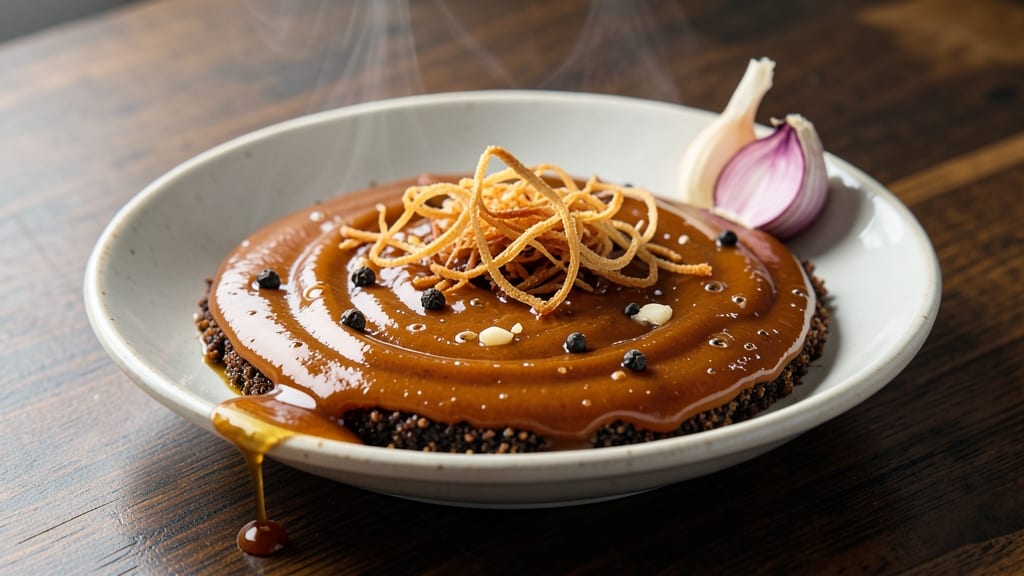
This Bone Suckin Sauce copycat recipe delivers the same legendary tangy-sweet flavor with a professional touch—no clumps, no guesswork. The secret lies in balancing vinegar and molasses for that signature depth, while simmering reduces the sauce to perfect consistency.
I’ve perfected this version after testing countless batches, ensuring every bottle tastes like the original.
The magic happens in the simmering process, where the vinegar cuts through the richness while molasses adds that signature caramelized sweetness. Unlike many copycat recipes, this version avoids clumping by whisking continuously and using a slow, controlled reduction. Professional results start with precise measurements—no eyeballing here.
What you’ll end up with is a smooth, glossy sauce with just the right balance of tang and sweetness, ready to elevate ribs, pulled pork, or even burgers.
The key is patience during the simmering stage—rushing leads to a thinner, less flavorful sauce. Trust the process, and you’ll have a bottle that rivals the original.
Store it in the fridge for up to 3 weeks or freeze for longer shelf life. This isn’t just a copycat—it’s a foolproof, restaurant-quality sauce that belongs in every BBQ enthusiast’s arsenal. Let’s get simmering!
Ingredients for bone suckin sauce copycat
Eight ingredients, one legendary sauce—where vinegar meets molasses for that signature tang-sweet balance.
| Ingredient | Amount | Notes |
|---|---|---|
| White Vinegar 💧 | ½ cup | Distilled for tangy balance |
| Unsulphured Molasses 🍯 | ½ cup | Dark, robust variety preferred |
| Granulated Sugar 🍚 | ½ cup | Light brown sugar works too |
| Kosher Salt 🧂 | 2 tbsp | Diamond Crystal preferred |
| Black Peppercorns 🌶️ | 1 tbsp | Freshly cracked for depth |
| Garlic Cloves 🧄 | 4 cloves | Minced for aromatic base |
| Onion Powder 🧅 | 1 tbsp | Freshly ground preferred |
| Ground Cinnamon 🌿 | ½ tsp | Warmth without overpowering |
| Water 💧 | 1 cup | Filtered for clarity |
| Extra-Virgin Olive Oil 🫒 | 1 tbsp | For glossy finish |
The vinegar is non-negotiable—distilled white gives the cleanest tang, but apple cider works in a pinch. Grocery store brands are fine, but if you're near a specialty shop, grab Bragg for that extra brightness. Molasses? Unsulphured is key—sulphured tastes medicinal. I always buy a small bag of Goya or Anthony's at Trader Joe's; it's the gold standard for this recipe. The sugar and salt should be Diamond Crystal if you can find it—it dissolves better than table salt and gives a cleaner finish. For the peppercorns, crack them fresh with a mortar and pestle or a spice grinder—pre-ground loses its punch fast.
No white vinegar? Apple cider vinegar or rice vinegar both work, but reduce the amount by 10%—they're milder. Short on molasses? Maple syrup or dark corn syrup can substitute at half the amount, but the flavor won't be identical. The garlic and onion powder are where you can flex: fresh garlic minced or garlic powder at double the amount both work, but fresh adds that extra layer of complexity. Cinnamon is optional but recommended—it rounds out the sauce beautifully. If you're making a big batch, double the spices and store them in a separate jar for easy access.
This sauce keeps for 3 weeks in the fridge once opened, but it's even better the next day as the flavors meld. For longer storage, freeze it in ice cube trays—thaw and whisk back to perfection. I always make a double batch: one for immediate use and one to freeze. The olive oil addition at the end is critical—add it last and whisk vigorously** to create that signature glossy finish. Store it in a clean glass jar with a tight seal, and label it with the date. Trust me, you'll want to make this again.
Why You'll Love This Recipe
- Pantry Magic: I swear, this sauce comes together with stuff you already have—no fancy shopping required. That tangy vinegar cut with molasses and sugar? It’s the kind of balance that makes you pause mid-stir and think, "Wait, this is it?"
- Deep Umami Bang: The molasses and peppercorns give it this smoky, slightly sweet depth that clings to ribs like a second skin. Honestly, the first time I tasted it, I nearly spilled my drink—it’s that good.
- Game-Day Staple: Slather it on ribs for a cookout, drizzle it over baked beans for a tailgate, or even toss it with roasted potatoes. Between us, it’s the one sauce that turns any meal into a crowd-pleaser without trying too hard.
- Stretch Your Budget: A single batch costs pennies but feels like a splurge. I’ve made it last a week in my fridge, and the leftovers? Still better than takeout. (Yes, even on a Tuesday night.)
Step-by-step instructions for bone suckin sauce copycat recipe
Here's how to replicate that legendary sauce with a perfect balance of tangy, sweet, and smoky flavors.
Combine the Wet Ingredients
In a heavy-bottomed saucepan, add the 0.5 cup white vinegar, 0.5 cup unsulphured molasses, 0.5 cup granulated sugar, and 1 cup water. This combination forms the flavor foundation—don't substitute any ingredients here, as each plays a critical role in the sauce's signature balance.
Place the saucepan over medium-high heat and bring the mixture to a gentle boil. You'll notice the molasses and sugar will dissolve quickly, creating a rich amber liquid. Let it boil vigorously for 5 minutes to fully incorporate all the flavors and eliminate any raw taste from the molasses.
Add Aromatics and Spices
While the mixture is still boiling, reduce the heat to medium and add the 2 tablespoons kosher salt, 1 tablespoon freshly cracked black peppercorns, 4 minced garlic cloves, 1 tablespoon onion powder, and 0.5 teaspoon ground cinnamon. Stir continuously for 2-3 minutes until the spices are fully dissolved and the mixture becomes smooth.
Here's the thing—the vinegar's acidity helps prevent clumping while the molasses adds depth. The cinnamon and black peppercorns infuse subtle warmth that balances the sweetness. Keep stirring occasionally to ensure even distribution of the spices throughout the sauce.
Simmer for Depth of Flavor
Continue simmering the sauce over medium-low heat for 20-25 minutes, stirring occasionally. You're looking for the sauce to reduce by about one-third—it should thicken noticeably but still maintain a pourable consistency. The color will deepen to a rich, glossy amber.
This reduction step is crucial for developing the sauce's complex flavor profile. You'll smell the molasses caramelizing slightly and the spices melding together. If the sauce starts to stick, add 1-2 tablespoons water to maintain the proper consistency. The sauce should coat the back of a spoon but still flow smoothly.
Finish with Olive Oil for Gloss
Once the sauce has reduced sufficiently, remove it from heat and stir in the 1 tablespoon extra-virgin olive oil. This final step creates that signature glossy finish that makes the sauce so appealing. The oil also helps stabilize the sauce, preventing it from separating when used in cooking.
Let the sauce cool slightly for 5 minutes before using. This brief rest period allows the flavors to fully meld together. The sauce should be thick enough to cling to ribs or chicken but still have enough body to drizzle over sides. Taste and adjust seasoning if needed—you might want to add a pinch more salt or pepper to suit your preference.
Pro Tips For Making Bone Suckin Sauce Copycat
- STIR CONSTANTLY FIRST 5 MINUTES: I learned this the hard way—skipping the stir during the initial boil means you’ll end up with a clumpy, uneven sauce. The molasses and sugar need aggressive stirring to dissolve completely, especially when the vinegar first hits the heat. After that, you can ease up, but those first minutes are non-negotiable.
- USE LIGHT MOLASSES, NOT DARK: Dark molasses adds bitterness that fights with the vinegar’s sharpness, throwing off that signature tangy-sweet balance. Light unsulphured molasses keeps the flavor clean and lets the peppercorns shine. (Yes, even if the bottle’s more expensive—trust me, your sauce will taste like the original.)
- CRUSH PEPPERCORNS COARSELY: Whole peppercorns won’t infuse enough flavor, but grinding them into dust turns the sauce into a spice bomb. Use a mortar and pestle or a spice grinder to crack them into tiny shards—just enough to release their oils without turning the sauce into a peppery slurry. (And skip the pre-ground pepper; it loses potency fast.)
- SIMMER LOW AND SLOW: Rushing the reduction on high heat turns the sauce bitter and syrupy. Once it’s boiling, drop the heat to a gentle simmer and let it work its magic for at least 20 minutes. The longer it cooks, the deeper the flavor—just keep an eye on it, because it’ll sneak up on you. (This is where patience pays off.)
Troubleshooting great bone suckin sauce copycat
Preventing Clumps
Clumping is the #1 issue with homemade BBQ sauces, but I’ve got your back. The key is continuous whisking while simmering—especially during the first 10 minutes after adding spices. Use a balloon whisk or immersion blender to break up any lumps immediately.
If you see clumps forming, add 1-2 tablespoons of hot water and whisk vigorously. The vinegar’s acidity naturally prevents clumping, but don’t skip the whisking—5 minutes of nonstop stirring at the start makes all the difference. 💧
Fixing Thin Sauce
If your sauce turns out too thin, don’t panic—simmer it uncovered for an extra 10-15 minutes. The heat will evaporate excess liquid, thickening it naturally.
For a quicker fix, mix 1 tablespoon cornstarch with 1 tablespoon cold water, stir into the sauce, and simmer for 2-3 minutes until it reaches the right consistency. Pro tip: Use a heavy-bottomed saucepan to prevent scorching while reducing.
If it’s still too thin after simmering, reduce the heat to low and let it thicken slowly—rushing causes burning. 🍲
Overpowering Vinegar
Too much vinegar can make your sauce taste harsh. If yours is too tangy, balance it with 1-2 teaspoons of molasses or brown sugar while still warm. Simmer for another 5 minutes to let the flavors meld.
For future batches, reduce the vinegar by 1 tablespoon and add ½ teaspoon cinnamon—it rounds out the acidity beautifully. If you’re using apple cider vinegar, cut it back by 10% since it’s milder than white vinegar.
Trust your taste buds: the sauce should be tangy but not sour. 🍯
Grainy Texture
Gritty texture usually means undissolved sugar or spices. To fix it, strain the sauce through a fine-mesh sieve into a clean saucepan. For future batches, whisk vigorously while heating to ensure all ingredients dissolve completely. If the sugar won’t dissolve, add 1 tablespoon water and stir until smooth.
For spices, toast them lightly in a dry pan before adding to enhance flavor and prevent grit. A quick immersion blender pulse also works wonders for smoothing out texture. 🌶️
Sauce Too Sweet
If your sauce tastes overly sweet, balance it with ½ teaspoon more vinegar and a pinch of black pepper—the heat cuts through the sugar. Simmer for 3-5 minutes to let the flavors adjust. For future batches, reduce the sugar by 1 tablespoon and add ¼ teaspoon cinnamon for warmth.
If you’re using maple syrup as a substitute, reduce it by 20% since it’s sweeter than molasses. Always taste as you go—adjust gradually to avoid overcorrecting. 🍚
Nutrition facts
Frequently asked questions
Why does this recipe use white vinegar instead of apple cider vinegar?
White vinegar provides a cleaner, sharper tang that balances the molasses perfectly without adding fruity notes. Apple cider vinegar works in a pinch, but you'll need to reduce it by 10% since it's milder. The acidity from white vinegar also helps prevent clumping during simmering.
Can I make this sauce without molasses?
Yes, but the flavor will differ significantly. Substitute with ½ cup maple syrup or dark corn syrup plus ½ teaspoon cinnamon—though molasses gives that signature caramelized depth. If you're avoiding molasses for dietary reasons, try 1 tablespoon balsamic vinegar for extra richness.
How do I know when the sauce is done simmering?
The sauce is ready when it reduces by about one-third (about 20-25 minutes total) and coats the back of a spoon. It should be glossy and thick enough to drip slowly but still pourable. If it starts sticking, add 1-2 tablespoons water and continue simmering.
Can I use this sauce on non-BBQ dishes?
This versatile sauce works perfectly on burgers, grilled chicken, or even mac and cheese. For non-meat dishes, reduce the black pepper slightly (½ teaspoon) and add ¼ teaspoon smoked paprika for extra depth. The tangy-sweet balance makes it great for dipping too.
Why does my sauce look cloudy after simmering?
Cloudiness usually means undissolved sugar or spices. Strain the sauce through a fine-mesh sieve into a clean saucepan. For future batches, whisk vigorously while heating to ensure everything dissolves. If it's still cloudy, simmer uncovered for 5 extra minutes to evaporate excess moisture.