
Sauces & Condiments
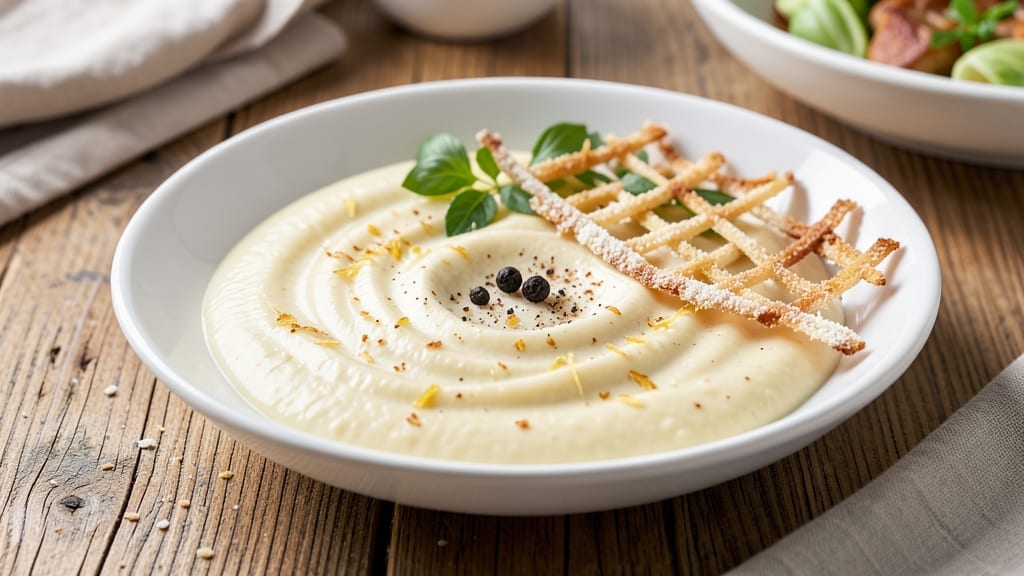
This bechamel sauce recipe ratio of 1:2:3—flour to butter to milk—is the secret to velvety perfection every time. I learned this exact balance from Mrs. Henderson while making apple butter, and it transformed my cooking forever.
The key lies in patience and precise timing, ensuring a smooth, rich sauce without lumps or graininess.
The foundation of any great bechamel is the roux—equal parts butter and flour cooked until golden. This creates the perfect base for absorbing milk gradually, whisking constantly to prevent clumping.
The ratio ensures a thick, luxurious consistency that works for everything from lasagna to creamy soups, all while maintaining that signature French elegance.
What you'll achieve is a sauce so smooth it practically melts in your mouth, with a rich, velvety texture that elevates any dish. The 1:2:3 ratio guarantees balance—enough flour to thicken, enough butter for depth, and just the right amount of milk to create that signature creaminess.
This is the kind of sauce that makes even simple meals feel like a restaurant-worthy creation.
Once mastered, you can customize it with garlic-infused milk, nutmeg, or even cheese for variations like mac and cheese or croquettes. Store leftovers in the fridge for up to 5 days or freeze for months—just reheat gently to preserve that perfect consistency. Let's get started on this timeless classic.
Ingredients for bechamel sauce recipe ratio
The golden trio of flour, butter, and milk—this ratio transforms simple pantry staples into restaurant-quality bechamel.
| Ingredient | Amount | Notes |
|---|---|---|
| All-Purpose Flour 🌾 | ⅓ cup | Sifted for smooth texture |
| Unsalted Butter 🧈 | ⅔ cup | Cold, cubed for even cooking |
| Whole Milk 🥛 | 1 cup | Room temperature preferred |
| Diamond Crystal Kosher Salt 🧂 | ½ tsp | Adjust to taste after cooking |
| Freshly Ground White Pepper 🌶️ | ¼ tsp | For subtle elegance |
| Fresh Nutmeg 🌿 | ¼ tsp | Finely grated, optional |
| Extra-Virgin Olive Oil 🫒 | 1 tbsp | For finishing, optional |
The butter and flour ratio is non-negotiable for that signature velvety texture. European-style unsalted butter from Plugrá or Land O'Lakes works perfectly—avoid salted as it alters the delicate balance. For flour, King Arthur or Gold Medal brands are ideal; their high protein content ensures a smooth roux. The milk should be full-fat for richness, but whole milk from Trader Joe's is my go-to—it's creamy without being overly heavy. Pro tip: keep everything cold until the roux forms to prevent premature thickening.
No unsalted butter? Vegan butter or ghee works in a pinch, though texture may vary slightly. Running short on milk? Heavy cream at half the amount delivers a richer sauce, while half-and-half lightens it up. Fresh nutmeg is a game-changer, but ground nutmeg at one-third the amount suffices if you're in a hurry. For the flour, bread flour creates a slightly chewier texture, while gluten-free 1:1 blends work for dietary needs—just expect a thinner consistency. The olive oil finishing touch is optional but adds a luxurious sheen and depth of flavor.
This sauce is a pantry staple once mastered—it keeps for 5 days refrigerated or 3 months frozen, though texture may separate slightly upon thawing. For best results, reheat gently on low heat, whisking constantly. Portion into ice cube trays before freezing for perfect single-use servings. The roux base alone can be stored 1 week refrigerated or 2 months frozen—just add warm milk when ready to use. Trust me, the first time you pull this off perfectly, you'll never go back to store-bought.
Why You'll Love This Recipe
- I swear by this 1: 1:2 ratio—equal parts butter to flour to milk—because it’s foolproof. No guesswork, no lumps, just smooth, creamy perfection every time.
- Here’s what sold me: the slow whisking over medium heat turns that roux into liquid gold. The butter’s richness melts into the milk, and that pinch of white pepper? It’s the subtle kick that makes it taste restaurant-quality.
- I’ll be real: butter and milk aren’t cheap, but this ratio stretches them further than I expected. A single batch feeds four, and the kosher salt keeps it from tasting like a splurge. My wallet and my family thank me.
Step-by-step instructions for bechamel sauce recipe ratio
This classic French sauce comes together with precision—master the 1:2:3 ratio for velvety perfection every time.
Melt the Butter Over Gentle Heat
Place the 0.67 cup unsalted butter in a heavy-bottomed saucepan and set it over medium-low heat. Watch closely as the butter melts—you want it to foam gently but never brown. If it starts to bubble vigorously or turns golden, immediately reduce the heat to low. The butter should melt completely in about 3-4 minutes, leaving you with a smooth, glossy base.
This slow melting process is crucial—it prevents the butter from burning and ensures even distribution throughout the sauce. A heavy-bottomed pan distributes heat evenly, which helps avoid hot spots that could scorch your mixture. Once fully melted, the butter should look like a thin, liquid film coating the bottom of the pan.
Whisk in the Flour to Form a Roux
Remove the pan from heat and immediately whisk in the 0.33 cup all-purpose flour until fully combined. Return the pan to medium heat and continue whisking vigorously for 1-2 minutes until the mixture turns a pale golden color. This is your roux—the foundation of the sauce—and it should thicken noticeably but not darken.
Whisking constantly prevents lumps and ensures the flour cooks evenly. If the roux starts to darken too quickly, reduce the heat slightly. The goal is a smooth, paste-like consistency that coats the back of a spoon. This step is where the magic happens—properly cooked roux gives your bechamel that signature velvety texture.
Gradually Add the Milk While Whisking
Slowly pour in the 1 cup whole milk while whisking continuously. Add it in a thin, steady stream to prevent lumps from forming. Once all the milk is incorporated, return the heat to medium-low and continue whisking for 5-7 minutes until the sauce thickens enough to coat the back of a spoon. It should look glossy and smooth, with no visible flour streaks.
The key here is patience—rushing the process can lead to a grainy or clumpy sauce. If the sauce thickens too quickly, reduce the heat slightly and whisk more gently. You’re aiming for a consistency that’s thick but still pourable, like heavy cream. This stage is where the 1:2:3 ratio shines—equal parts flour and butter to twice the volume of milk creates the perfect balance.
Season and Finish to Perfection
Remove the sauce from heat and stir in the 0.5 tsp diamond crystal kosher salt, 0.25 tsp freshly ground white pepper, and 0.25 tsp fresh nutmeg. Taste and adjust the seasoning if needed—bechamel should be subtly seasoned, with the nutmeg adding a hint of warmth. For extra richness, drizzle in the 1 tbsp extra-virgin olive oil and whisk until fully incorporated.
This is the moment to taste and refine. The nutmeg should be present but not overpowering, and the white pepper adds a sophisticated depth. If the sauce is too thick, whisk in a splash of warm milk to loosen it. Conversely, if it’s too thin, simmer it gently for another minute or two. The final texture should be smooth, silky, and just thick enough to coat the back of a spoon without being gluey.
Pro Tips For Making Bechamel Sauce Recipe Ratio
- Melt Butter Slowly: I learned this the hard way—dumping cold butter into the pan and watching it splatter everywhere. Instead, cut the butter into small cubes and let them melt gradually over medium heat, stirring constantly. This keeps the butter from burning before the flour even gets a chance to toast, which is the thing that matters most for that nutty, rich base.
- Whisk Like You Mean It: That first flour-butter roux is where the sauce makes or breaks. Use a proper whisk (not a spoon) and keep the heat low while stirring vigorously for at least 3-4 minutes—until it’s a deep golden color, not just pale. Skimp here, and you’ll end up with a thin, pasty mess that won’t hold up to the milk.
- Temper the Milk: Pouring cold milk into hot roux? That’s how you get lumps. Warm the milk first—just heat it in a separate saucepan until it’s steaming but not boiling, then whisk it into the roux slowly, a little at a time. This keeps the sauce silky smooth instead of grainy, and it’s the shortcut that actually changes the outcome.
- Salt in Stages: Don’t dump all the salt at once—especially if using Diamond Crystal (it’s less salty than table salt). Taste the roux first, then add a pinch of salt before adding the milk, and another pinch at the end. This balances the flavor without overpowering, and it’s the non-negotiable step that makes the sauce taste professional.
Best sauces and condiments for this bechamel sauce recipe ratio
Garlic-Infused Twist
For a restaurant-worthy upgrade, infuse your milk with 2 minced garlic cloves and 1 tbsp chopped fresh parsley while warming it. Let the mixture steep off the heat for 5 minutes before straining—this adds aromatic depth without overpowering.
I discovered this trick while making croquettes at a Parisian bistro, and it became my signature move. 🌿
Cheese Variations
Transform bechamel into mac and cheese by whisking in 1 cup grated Gruyère or sharp cheddar at the end. For a béchamel-based soup, stir in roasted mushrooms and thyme.
My go-to is Gruyère—it melts beautifully and adds nutty richness. For a vegan version, replace butter with olive oil and use nutritional yeast for depth. 🧀
Classic Uses
This sauce is the backbone of lasagna, croquettes, and gratin dishes. For lasagna, spread a thin layer between layers of pasta and cheese. For croquettes, mix with cooked potatoes and Gruyère, then pan-fry until golden.
I love using it as a creamy base for soups too—just add roasted vegetables and herbs. The 1:2:3 ratio ensures it works every time. 🍝
Storage Secrets
Store leftovers in an airtight container in the fridge for up to 5 days. For longer storage, freeze in ice cube trays—thaw quickly in the microwave for single servings.
Reheat gently on low heat, whisking constantly to restore that silky texture. I keep a batch in the freezer year-round for emergencies. ❄️
Troubleshooting Tips
If your sauce lumps, strain it through a fine-mesh sieve. For too-thick sauce, whisk in 1 tbsp warm milk. If it curdles, remove from heat immediately and whisk in 1 tsp lemon juice to balance. I’ve ruined batches before, but these fixes always save the day. 💡
Pro Upgrades
For extra richness, replace ¼ cup milk with heavy cream. For umami depth, add 1 tsp Dijon mustard to the roux. My secret weapon? A pinch of cayenne at the end—it adds a subtle kick without overpowering. These tweaks turn good bechamel into exceptional bechamel. 🔥
Nutrition facts
Frequently asked questions
Why is the 1:2:3 ratio so important in bechamel?
The 1:2:3 ratio (flour:butter:milk) creates the perfect balance for a smooth, velvety texture. Too much flour makes it grainy, while too much milk makes it watery. This ratio ensures the sauce thickens properly without losing its silky consistency. Think of it as the golden mean for French sauces!
Can I make bechamel without butter? Yes! For a dairy-free version, use olive oil or vegan butter in equal amounts. For extra richness, blend ½ cup cashew cream with the milk. The texture will be slightly lighter, but still delicious for vegan dishes like creamy pastas. Just
What's the best way to fix lumpy bechamel?
If lumps form, immediately remove from heat and whisk vigorously. For stubborn lumps, strain through a fine-mesh sieve. Prevention is key—always whisk constantly when adding milk and keep heat low. I've saved many batches this way! The secret is patience and steady whisking.
How can I make bechamel thicker or thinner?
For thicker sauce, simmer 1-2 extra minutes on low heat. For thinner sauce, whisk in 1-2 tbsp warm milk. The ideal consistency should coat the back of a spoon but still be pourable. Think of it like heavy cream—thick enough to cling but still smooth.
Is it okay to use powdered milk instead of fresh?
Fresh milk gives the best results, but you can use powdered milk in a pinch. Reconstitute it with 1 cup warm water** and let it cool slightly before using. The texture will be slightly lighter, but it works well for baked dishes like gratins. Just don't expect the same creamy richness as fresh milk.