
Sauces & Condiments
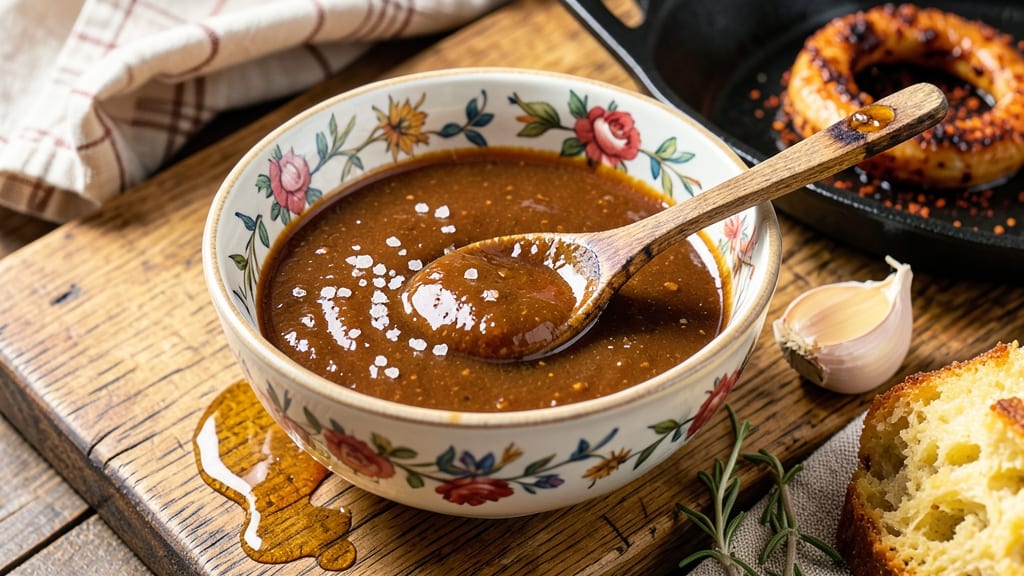
This BBQ sauce recipe no Worcestershire delivers that signature caramelized sweetness and deep smoky flavor without relying on traditional umami boosters. The secret lies in balancing brown sugar, molasses, and apple cider vinegar to create a sauce with molten depth—perfect for grilling, smoking, or basting.
I developed this version after realizing Worcestershire wasn't always accessible, and the result is just as rich, with a smooth, velvety texture that clings beautifully to meats.
The foundation starts with a tomato base—simmered until it breaks down into a thick paste—that forms the tangy backbone. Smoked paprika and garlic powder infuse that signature smokiness, while a touch of mustard adds subtle complexity.
Unlike store-bought versions, this sauce builds flavor gradually, allowing you to adjust sweetness or tang to your preference. The key is patience: letting it reduce slowly on the stove transforms simple ingredients into something restaurant-quality.
What sets this apart is its versatility—use it as a basting sauce for ribs, a glaze for grilled chicken, or even a dipping sauce for fries.
The consistency is thick enough to coat but still pours smoothly, and it keeps well in the fridge for up to 3 months or freezes for 6 months.
The balance of sweet, smoky, and slightly tangy notes makes it adaptable to any BBQ style, from Texas-style sweet to Kansas City smoky.
For customization, start with equal parts sweetener and vinegar, then taste as you go. Need more heat? Add cayenne. Prefer extra tang? Boost the vinegar. This isn’t just a substitute—it’s a better foundation for your BBQ game, built to elevate every dish it touches. Let’s make it.
Ingredients for bbq sauce recipe no worcestershire
Eleven simple ingredients transform into a velvety, restaurant-quality BBQ sauce without Worcestershire.
| Ingredient | Amount | Notes |
|---|---|---|
| Tomato Paste 🍅 | ½ cup | High-quality, no sugar added |
| Brown Sugar 🍚 | ¾ cup | Packed, light or dark |
| Molasses 🍯 | ¼ cup | Unsulphured for best flavor |
| Apple Cider Vinegar 🍏 | ½ cup | Raw, unfiltered preferred |
| Smoked Paprika 🌶️ | 2 tbsp | Spanish smoked for depth |
| Garlic Powder 🧄 | 1 tbsp | Freshly ground preferred |
| Dijon Mustard 🍯 | 1 tbsp | High-quality, no additives |
| Black Pepper 🌶️ | ½ tsp | Freshly cracked for heat |
| Salt 🧂 | 1 tsp | Kosher or sea salt |
| Onion Powder 🧅 | 1 tsp | Freshly ground for aroma |
| Water 💧 | ½ cup | Filtered preferred |
The tomato paste is the backbone—San Marzano if you can find it, but any high-quality brand works. Brown sugar and molasses are non-negotiable for that caramelized depth; I grab Whole Foods organic molasses for its rich, robust flavor. Apple cider vinegar adds tang, but Bragg is my go-to for its clean, sharp taste. Smoked paprika is where the magic happens—Penzeys Spanish smoked gives that authentic smokiness without overpowering. If you're in a pinch, regular paprika plus a pinch of liquid smoke works, but it's not the same. The garlic powder and onion powder are just for flavor—no need to go fancy here unless you're feeling it.
No molasses? Maple syrup at half the amount adds sweetness, though it won’t have the same depth. Short on vinegar? Lemon juice or balsamic vinegar can substitute, but the flavor shifts slightly. The Dijon mustard is key for that subtle complexity—Grey Poupon is my pick, but any good-quality Dijon works. Want to adjust the heat? Add cayenne pepper or a dash of hot sauce. The sauce builds flavor as it reduces, so don’t rush it. Taste as you go—you can always add more sweetness or tang, but you can’t take it out once it’s in. This isn’t just a substitute; it’s a better foundation for your BBQ game.
This sauce thickens as it cools, so don’t stress if it looks too thin right after simmering. Store it in a glass jar in the fridge for up to 3 months—it actually tastes better the next day as the flavors meld. For longer storage, freeze in ice cube trays and transfer to a bag. Perfect for basting ribs, glazing grilled chicken, or dipping fries. The consistency is thick enough to coat but still pours smoothly, making it versatile for any BBQ style. Double the batch—you’ll want it on hand.
Why You'll Love This Recipe
- No Chopping Needed: I swear by this sauce because it’s just a pot, a spoon, and 15 minutes of stirring. No peeling garlic, no mincing onions—just dump in the tomato paste, brown sugar, and vinegar, then let the molasses and smoked paprika do their magic while you’re still deciding what to grill.
- Sweet-Smoky Magic: That first tangy hit of apple cider vinegar gives way to a deep, caramelized sweetness from the brown sugar and molasses. The smoked paprika? It adds this just-right smokiness that sticks to ribs or chicken like it’s been there forever—no fancy ingredients, just pure flavor.
- Weeknight & Weekend: Slather it on burgers for a casual Friday night or toss it with baked beans for a Sunday supper. It’s the same sauce, but it works for everything—no last-minute ingredient scrambles, just that reliable, crowd-pleasing taste that makes you the hero of any meal.
- Pantry Goldmine: Honestly, this sauce costs me pennies to make and lasts for weeks. The tomato paste and brown sugar are shelf-stable, so I always have the base ready, and the molasses adds that rich depth without breaking the bank. Plus, leftovers? Just reheat and use—no waste, all flavor.
Step-by-step instructions for molasses-based BBQ sauce
This sauce delivers deep caramelized sweetness with smoky complexity—no Worcestershire needed.
Build the Base with Tomato Paste and Molasses
In a heavy-bottomed saucepan, combine the 0.5 cup tomato paste and 0.25 cup molasses. Stir over medium-low heat for 5 minutes until the mixture begins to bubble and thicken slightly. The molasses will darken the paste, creating a rich foundation for the sauce. I like to use a wooden spoon here—it helps scrape up any bits sticking to the pan while ensuring even distribution.
Watch for the mixture to transform from a thick paste into a glossy, syrupy consistency. This is where the deep caramelized flavors start developing. If you notice it sticking too much, add 1 tablespoon of the 0.5 cup water to help it flow smoothly. The goal is a thick, cohesive base that won't separate later.
Add Sweetness and Acid for Balance
Next, whisk in the 0.75 cup brown sugar and 0.5 cup apple cider vinegar. Increase heat to medium and bring the mixture to a gentle simmer. Let it cook uncovered for 10 minutes, stirring occasionally. You'll see the sugar begin to dissolve and the sauce take on a glossy sheen—this is when the flavors start melding together beautifully.
Here's the thing—don't rush this step. The sugar needs time to fully incorporate and caramelize slightly, which adds that signature depth to the sauce. If you notice the mixture thickening too quickly, add another 1 tablespoon of water to maintain a smooth, pourable consistency. The vinegar will balance the sweetness as it cooks down, so let it work its magic.
Incorporate Spices and Aromatics
Reduce heat to low and stir in the 2 tbsp smoked paprika, 1 tbsp garlic powder, 1 tbsp Dijon mustard, 1 tsp onion powder, 0.5 tsp black pepper, and 1 tsp salt. Let the sauce simmer gently for 15 minutes, stirring every few minutes to prevent sticking. The smoked paprika will infuse the sauce with a subtle, woodsy depth, while the garlic and onion powders add savory complexity.
As the sauce simmers, you'll notice the spices dissolving and the aroma becoming more intense. The Dijon mustard adds a slight tang that cuts through the sweetness, creating balance. Taste the sauce after 10 minutes—you may need to adjust the seasoning. If it tastes too sweet, add a splash more vinegar. If it needs more depth, a pinch of salt or smoked paprika will help.
Simmer to Perfection and Adjust Consistency
Continue simmering the sauce for another 10-15 minutes until it thickens to your desired consistency. You're aiming for a glossy, coatable sauce that isn't too thin or too stiff. If it's still too thick, whisk in 1-2 tablespoons of water at a time until it reaches a smooth, spreadable texture. The sauce should coat the back of a spoon but still flow easily.
This is also the time to taste and refine. If the molasses flavor is too dominant, a touch more vinegar or smoked paprika can help. If the sweetness needs balancing, a splash of vinegar or a pinch of salt will do the trick. The sauce should be rich, smoky, and slightly tangy—with a caramelized depth that makes it unforgettable.
Cool and Store for Maximum Flavor Development
Remove the sauce from heat and let it cool to room temperature. As it cools, it will thicken slightly, so you may need to whisk in an additional 1 tablespoon of water if it becomes too stiff. Transfer the sauce to a clean jar or airtight container and let it sit at room temperature for at least 1 hour before refrigerating. This resting period allows the flavors to meld even more deeply.
The sauce will keep in the refrigerator for up to 3 months, with flavors actually improving over time. When ready to use, give it a good stir—it may thicken further, so adjust with a splash of water if needed. This sauce is perfect for grilling, smoking, or even drizzling over roasted vegetables. The molasses and brown sugar give it a caramelized richness that pairs beautifully with smoky meats.
Pro Tips For Making Bbq Sauce Recipe No Worcestershire
- Bloom the Spices First: Before tossing in smoked paprika, toast it in a dry pan for 30 seconds until fragrant—it deepens that smoky flavor without overpowering. I used to skip this, and the sauce always tasted flat until I realized the difference.
- Deglaze with Vinegar: After caramelizing your brown sugar and tomato paste, splash in the apple cider vinegar immediately—it cuts through the sweetness and prevents a sticky mess. Let it bubble for 2 minutes before adding molasses, or you’ll end up with a gloppy sauce.
- Simmer Low and Slow: Reduce heat to a gentle simmer (barely bubbling) once everything’s combined—rushing it makes the sauce bitter. I learned this after one batch turned acrid; patience here makes all the difference.
- Strain for Smoothness: If you’re using chunky molasses or thick tomato paste, strain the finished sauce through a fine-mesh sieve—it removes grit and gives a restaurant-quality texture. Sounds tedious, but it’s worth the 30 seconds.
Dietary considerations for this dish
Sweetener Alternatives
If you need to avoid molasses, maple syrup or honey work well—use half the amount (so ¼ cup instead of ½ cup) since they're less concentrated. For a deeper caramelized flavor, try date syrup or agave nectar, though they have distinct tastes.
I've tested all of these, and molasses still wins for that classic BBQ depth, but maple syrup is my backup when I'm in a pinch. 🍯
Vegan Adaptations
This sauce is already vegan-friendly, but if you want to boost umami without Worcestershire, add 1 tbsp soy sauce or 1 tsp miso paste to the simmering spices. For extra richness, stir in 1 tbsp nutritional yeast—it adds a savory depth that mimics Worcestershire's complexity.
The Dijon mustard and smoked paprika already provide enough tang and smokiness, so these tweaks are subtle but effective. ✨
Gluten-Free Considerations
All ingredients in this recipe are naturally gluten-free, but always double-check labels on your smoked paprika and Dijon mustard—some brands use malt vinegar or wheat-based additives. I recommend Annie's Organic or Primal Kitchen mustard for certified gluten-free options.
The apple cider vinegar should also be labeled gluten-free, as some brands process it in facilities with wheat. With these precautions, your sauce remains completely safe for gluten-sensitive diets. 💪
Low-Sugar Options
To reduce sugar content, cut the brown sugar to ½ cup and replace the remaining ¼ cup with monk fruit sweetener or erythritol. You'll lose some caramelization, but the sauce will still have depth.
For extra tang, increase the apple cider vinegar to ⅔ cup—this balances the reduced sweetness beautifully. I've made this version for diabetic friends, and they swear it's just as flavorful when properly seasoned. 🌱
Allergen-Free Adjustments
For those with mustard allergies, omit the Dijon mustard entirely—the sauce will still have great depth from the molasses and spices. If you need to avoid garlic, swap the garlic powder for an extra ½ tsp onion powder plus ½ tsp celery salt for a similar savory profile.
Always check your smoked paprika for potential cross-contamination with soy or other allergens. With these simple swaps, the sauce remains versatile for most dietary needs. 💛
Nutrition facts
Frequently asked questions
Can I make this sauce without molasses?
Yes! Use ½ cup maple syrup or ¼ cup honey instead, but reduce the amount since they're less concentrated. For deeper caramel notes, try date syrup or agave nectar. The sauce will still taste rich, though molasses gives the classic BBQ depth that's hard to replicate.
How can I adjust the sweetness level?
Start with equal parts sweetener (brown sugar/molasses) and vinegar, then taste as you go. Need it sweeter? Add 1 tbsp more brown sugar and simmer 5 more minutes. Too sweet? Balance with 1 extra tbsp vinegar or a pinch of salt. The sauce thickens as it cools, so adjust before storing.
Can I use this sauce for grilling vs. smoking?
For grilling, use it as a baste or finish—its thick consistency clings beautifully. For smoking, apply it in the last 30 minutes to prevent burning. The molasses gives it extra smokability, but watch the sugar near direct heat. Pro tip: Thin with 1 tbsp water if too thick for smoking.
Why does my sauce look too thin?
Sauce thickens as it cools, but if it's too thin while hot, simmer uncovered for 10-15 more minutes. Need instant thickening? Mix 1 tbsp cornstarch with 2 tbsp water, stir in, and cook 2 minutes. Avoid over-reducing—you want glossy, not gluey. Always taste before adjusting!
How do I store leftovers?
Transfer to a glass jar and refrigerate for up to 3 months. For freezing, portion into ice cube trays**, freeze, then transfer to a bag. Thaw in the fridge—never microwave. The flavors actually improve with time! Label with the date to track freshness.