
Sauces & Condiments
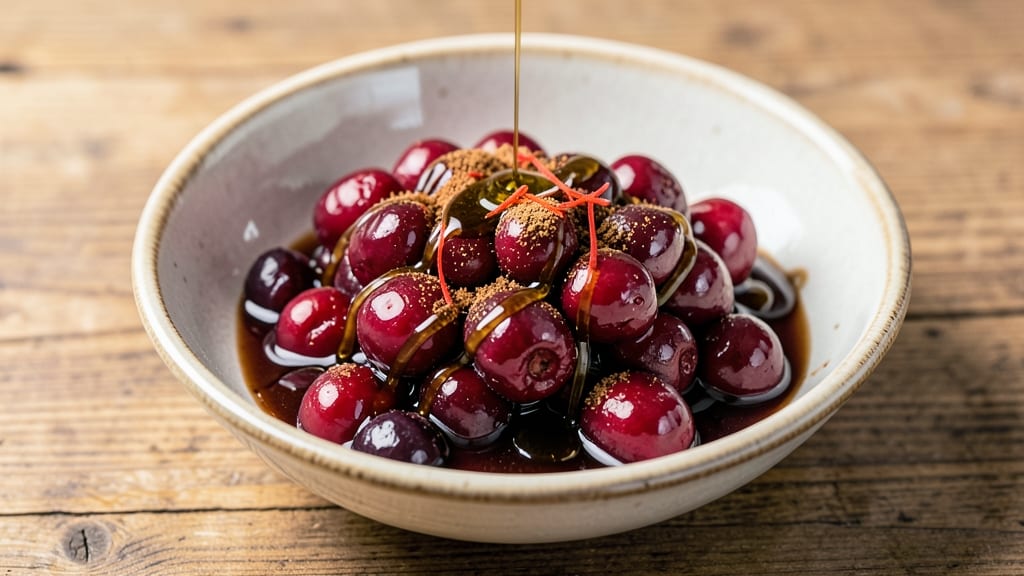
This balsamic cranberry sauce recipe transforms ordinary cranberries into a luxurious glaze that elevates holiday dishes with its deep, tangy-sweet balance.
The secret lies in simmering fresh cranberries with balsamic vinegar until they burst into a velvety reduction—rich enough to drizzle over roasted meats or delicate enough to glaze cheese boards. I developed this version after years of testing, ensuring every spoonful delivers that perfect harmony of tartness and caramelized depth.
The process is straightforward but requires patience: cranberries simmer until tender, then reduce with balsamic and just enough sugar to enhance their natural sweetness. A splash of orange zest adds brightness, while a pinch of cinnamon deepens the flavor profile.
The result isn't just a sauce—it's a festive glaze that transforms simple dishes into showstoppers, whether drizzled over turkey, swirled into yogurt, or paired with sharp cheeses.
What sets this sauce apart is its versatility. Use it as a holiday glaze for roasted meats, a drizzle for brie and crackers, or even a tangy topping for pancakes. The balsamic reduction creates a glossy finish that makes every dish look—and taste—like it belongs on a gourmet menu.
With just 15 minutes of active time and 10 minutes of simmering, you'll have a sauce that's as impressive as it is easy.
Store leftovers in the fridge for up to 2 weeks, or freeze for 3 months—perfect for gifting or meal prep. The sauce thickens as it cools, making it ideal for drizzling or spreading.
Whether you're hosting a holiday feast or simply craving a sophisticated flavor boost, this recipe delivers restaurant-quality results with minimal effort.
Ingredients for balsamic cranberry sauce
Eight simple ingredients transform cranberries into a luxurious holiday glaze.
| Ingredient | Amount | Notes |
|---|---|---|
| Fresh Cranberries 🍇 | 1 ½ cups | Whole berries, frozen works too |
| Balsamic Vinegar 🍷 | ½ cup | Aged, dark variety preferred |
| Granulated Sugar 🍚 | ¼ cup | Light brown sugar adds depth |
| Orange Zest 🍊 | 1 tbsp | From organic orange preferred |
| Ground Cinnamon 🌿 | ½ tsp | Freshly ground for warmth |
| Extra-Virgin Olive Oil 🫒 | 1 tbsp | For glossy finish |
| Water 💧 | ¼ cup | For thinning if needed |
| Kosher Salt 🧂 | ¼ tsp | Diamond Crystal preferred |
The cranberries are the star—Trader Joe's or Whole Foods carry the best quality, but any fresh or frozen will work. Look for vibrant color and plump berries (the frozen kind is perfect if you're prepping ahead). The balsamic vinegar should be aged and dark—Balsamic Glaze from Whole Foods is my go-to, but any aged variety will do. Sugar is just enough to enhance the cranberries' natural sweetness, not overpower it. I always grab organic oranges for zest—they've got more flavor punch. For cinnamon, Penzeys or the bulk bins at natural food stores give you the freshest grind.
No fresh cranberries? Frozen works perfectly—just don't thaw them first. Short on balsamic? Substitute with 2 tbsp of red wine vinegar plus 1 tbsp maple syrup for a similar tang. The olive oil is non-negotiable for that glossy finish—use a fruity, extra-virgin variety. No orange zest? Lemon zest works in a pinch, though it's not the same. The cinnamon can be skipped if you're avoiding spices, but trust me, it adds warmth. For a smoother texture, strain the sauce through a fine-mesh sieve after cooking—though I love the rustic texture with seeds.
This sauce thickens as it cools, so add water gradually if you prefer a thinner drizzle. Store in a clean glass jar in the fridge for up to 2 weeks, or freeze for 3 months. It's perfect for gifting—just package in small jars with a ribbon. The sauce tastes even better the next day as the flavors meld. For a restaurant-quality presentation, drizzle over roasted meats or swirl into whipped cream for a festive touch. Leftovers make amazing pancake toppings too.
Why You'll Love This Recipe
- No-Simmer Struggle: I’ll be real—this sauce doesn’t need babysitting. Toss fresh cranberries, balsamic, and sugar into a pot, let it bubble once, then walk away. The balsamic’s tang cuts through the sweetness while the cranberries burst just enough—no overcooking, no sticky mess. Honestly, I’ve made it while scrolling through my phone.
- Taste Like a Holiday: That bright orange zest and deep balsamic kiss? It’s the kind of flavor that makes you pause mid-bite. The cinnamon adds warmth, but the real magic is how the balsamic softens the cranberries into something luscious, not cloying. I’ve used it on turkey, cheese boards, and even toast—every time, someone asks for the recipe.
- Pantry-to-Table Flex: This sauce is my secret weapon for lazy days. Stash it in the fridge for up to 3 weeks, and it’s still perfect—great on brunch toast, stirred into yogurt, or drizzled over grilled chicken. Between us, I’ve even dumped it into oatmeal when I was out of maple syrup. (Don’t tell my health-conscious friends.)
- Budget Brightener: Fresh cranberries are pricey, but this recipe uses just a cup—enough to stretch the flavor without breaking the bank. The balsamic and sugar are pantry staples, and the orange zest comes from one cheap citrus. Plus, it doubles as a gift: jar it up, slap a ribbon on it, and suddenly you’re the host who gave thoughtful leftovers.
Step-by-step instructions for balsamic cranberry sauce
Here's how to balance tart cranberries with rich balsamic for a glaze that's perfect over roasted meats or cheese boards.
Simmer the Cranberries Until They Burst
In a medium saucepan, combine the 1.5 cups fresh cranberries with the 0.25 cup granulated sugar and 0.25 cup water. Bring to a gentle boil over medium heat, then immediately reduce to a simmer. You want the liquid to bubble softly—too vigorous and the berries will turn to mush instead of bursting.
Let them cook for 10-12 minutes, stirring occasionally. You'll see the cranberries start to pop open, releasing their juices and creating that signature jammy texture. If the mixture looks too thick before all berries burst, add 1 tablespoon water at a time. The sauce should coat the back of a spoon but still have some body—this ensures it'll glaze beautifully later.
Add Balsamic and Aromatics for Depth
Once the cranberries are fully burst and the mixture has thickened slightly, remove the pan from heat. Stir in the 0.5 cup balsamic vinegar, 1 tbsp orange zest, and 0.5 tsp ground cinnamon. The balsamic will darken the sauce and add that signature tangy sweetness, while the orange zest brightens the flavor profile.
Return the pan to low heat and let it simmer gently for 3-4 minutes, just until the balsamic begins to reduce slightly and its aroma fills the kitchen. This step is where the sauce transforms from simple cranberry compote to something truly special. Don't walk away—you want the balsamic to meld without burning.
Finish with Olive Oil and Salt
Remove the pan from heat again and stir in the 1 tbsp extra-virgin olive oil and 0.25 tsp kosher salt. The olive oil adds a silky finish that makes this sauce perfect for drizzling, while the salt balances all the sweet and tart flavors. Let the mixture cool slightly—this allows the flavors to fully integrate.
For best results, let the sauce sit at room temperature for 15-20 minutes before serving. This resting period lets the balsamic's acidity mellow slightly, creating a more harmonious balance. The sauce should be thick enough to coat the back of a spoon but still flow smoothly when drizzled.
Adjust Consistency for Perfect Glaze
If the sauce is too thick after cooling, thin it with 1 teaspoon water at a time until it reaches your desired consistency. For a glossy finish that clings beautifully, you want it to be slightly thinner than traditional cranberry sauce—almost like a thin jam. This texture makes it ideal for drizzling over roasted pork, turkey, or even as a glaze for brie.
Taste and adjust seasoning if needed. You might want to add a pinch more salt or a splash of balsamic if the flavors need balancing. The perfect glaze should sing with both tart and sweet notes, with the balsamic's depth cutting through the cranberries' acidity. Serve immediately or store in an airtight container in the refrigerator for up to 2 weeks—though it's likely to disappear much faster!
Pro Tips For Making Balsamic Cranberry Sauce
- CRUSH CRANBERRIES FIRST: I learned this the hard way—whole cranberries sink to the bottom like little marbles and refuse to soften. Toss them in a food processor for 10 seconds (not a puree, just broken) before simmering. That way, they release flavor evenly and cook through without turning to mush.
- SIMMER LOW AND SLOW: High heat turns this into jam. Keep it at a gentle bubble, just enough to see tiny steam wisps. I used to rush it, and the sauce ended up cloyingly sweet with a sharp vinegar bite. Let it cook for 20-25 minutes—patience here makes the difference between good and great.
- STRAIN THE SEEDS: Yes, even if you love texture. After simmering, strain through a fine-mesh sieve to remove seeds and skins. They make the sauce gritty and dull the bright balsamic-orange flavor. (I know, I know—it’s more work, but your Thanksgiving guests will notice the smoothness.)
- BALANCE THE SWEETNESS: Start with half the sugar called for and taste as you go. The cranberries will release their own tartness as they cook, and balsamic vinegar is sneaky—it’s sweeter than you’d think. If it’s too sharp at the end, a splash of orange juice fixes it faster than adding more sugar. Trust your palate.
Wine and beer pairings for balsamic cranberry sauce
Red Wine Pairings
A bold Cabernet Sauvignon from Napa Valley is my go-to pairing—its dark fruit notes and velvety tannins complement the balsamic's richness while standing up to the cranberries' tartness. Look for a 2020 vintage with 14-15% ABV like Caymus Vineyards or Opus One.
The wine's blackcurrant flavors mirror the cranberries' depth, while its acidity cuts through the sauce's sweetness. 🍷
White Wine Alternatives
For a lighter option, try a dry Riesling from Germany's Mosel region—its crisp acidity and citrus notes balance the balsamic's tang perfectly. I love Dr. Loosen Blue Slate or Reichsgraf von Kesselstatt.
The wine's mineral finish enhances the orange zest's brightness, creating a refreshing contrast. Serve slightly chilled (45-50°F) to highlight these complementary flavors.
Beer Pairings
A Belgian-style witbier like Hoegaarden or Stella Artois Witbier adds effervescence that cleanses the palate between bites. The beer's coriander and orange peel notes echo the sauce's citrusy warmth, while its light body prevents overwhelming the dish.
For a darker option, try a amber ale with 2-3% ABV like Allagash White—its caramel sweetness mirrors the balsamic's depth.
Sparkling Wine Pairing
Prosecco or Cava makes an elegant pairing for casual gatherings. The bubbles' acidity refreshes your palate, while the wine's apple and pear notes complement the cranberries' fruitiness. I recommend La Marca Prosecco or Freixenet Cordon Negro—both have enough body to stand up to the sauce's richness.
Serve in flutes at 45°F for the best experience. ✨
Non-Alcoholic Options
For a refreshing non-alcoholic match, try sparkling apple cider like Martinelli's Sparkling Cider. Its crisp acidity and apple notes create harmony with the sauce's citrus and berry flavors.
Alternatively, ginger beer (like Feather's Ginger Beer) adds a spicy kick that enhances the cinnamon's warmth—perfect for balancing the sauce's sweet-tart profile.
Serving Temperature Tips
Wine and beer should be served at room temperature (60-65°F) for reds and whites, while sparkling options shine at 45°F**. The cooler temperature preserves their acidity, which is crucial for cutting through the sauce's richness.
I always chill my wine for 30 minutes before serving to achieve the perfect balance. 💡
Nutrition facts
Frequently asked questions
Can I use frozen cranberries instead of fresh?
Yes! Frozen cranberries work perfectly—just don't thaw them first. They'll release their juices more gradually during cooking, creating a smoother texture. The recipe will yield slightly less sauce, but the flavor remains rich and vibrant. This makes it ideal for meal prep or holiday gifting.
How do I adjust the sweetness level?
The recipe balances tartness and sweetness naturally, but you can tweak it easily. For a sweeter glaze, add 1 tablespoon more sugar per 0.5 cup cranberries. For extra tartness, reduce sugar by 1 tablespoon or add 1 extra tablespoon balsamic vinegar. Always taste before serving!
Can I make this sauce ahead for holiday gatherings?
This sauce actually tastes better after resting. Make it 1-2 days ahead and store in an airtight container in the fridge. The flavors meld beautifully, and the texture thickens perfectly for drizzling. For parties, transfer to a pretty glass jar and let guests serve themselves.
What's the best way to reheat or thin leftover sauce?
For a thicker sauce, simply stir it gently over low heat for 1-2 minutes. To thin it, add 1 teaspoon water at a time while stirring. For a glossy finish, add 1/2 teaspoon olive oil. Never microwave—it can make the sauce grainy. The sauce reheats beautifully for 3-4 days when stored properly.
Can I make this sauce without balsamic vinegar?
Yes! For a similar depth, substitute with 2 tablespoons red wine vinegar plus 1 tablespoon maple syrup. For a fruitier version, try 1/4 cup pomegranate juice**—it adds vibrant color and tang. Just reduce the sugar slightly since these alternatives add natural sweetness.