
Sauces & Condiments
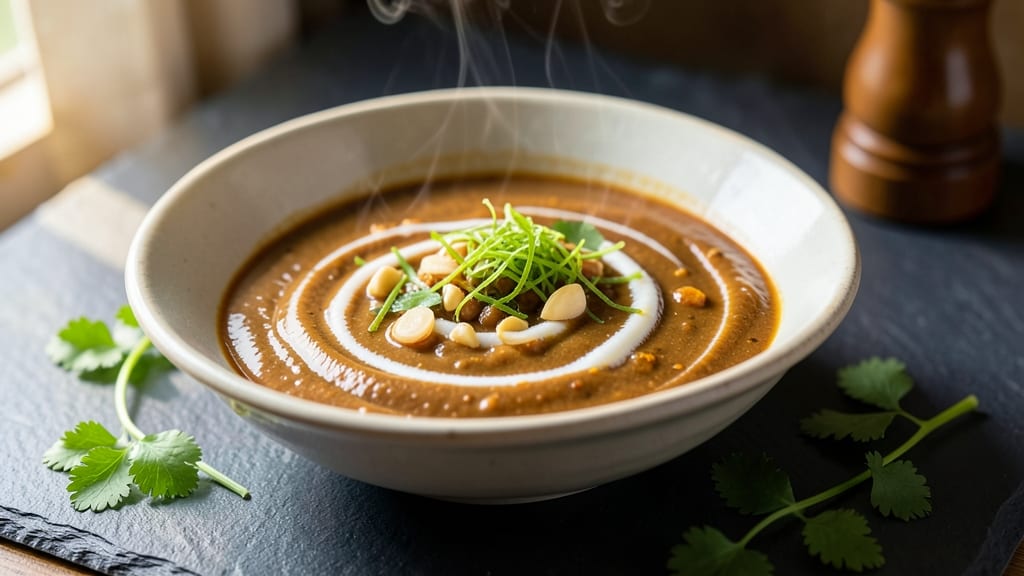
This Balinese satay sauce recipe transforms simple pantry staples into a rich, nutty condiment that elevates grilled meats and skewers. The secret lies in balancing toasted peanut butter with coconut milk, creating a velvety texture that clings to every bite.
I developed this version after years of experimenting with traditional satay flavors, ensuring it delivers that signature Indonesian warmth without requiring hours in the kitchen.
The sauce begins with a fragrant paste of garlic, shallots, and spices like turmeric and coriander, which build depth before blending with coconut milk and peanut butter. Simmering reduces the mixture to a smooth, glossy consistency, while lime juice adds a bright zing that cuts through the richness.
What makes this recipe stand out is its versatility—it works as both a dipping sauce for satay skewers and a glaze for grilled chicken or tofu.
By the time you’re done, you’ll have a sauce that’s creamy yet balanced, with layers of peanut, coconut, and citrus that transport you to Bali with every spoonful.
The aroma alone will have your kitchen smelling like a street-side warung, while the flavor delivers restaurant-quality results. This isn’t just a condiment; it’s the heart of your meal.
Perfect for meal prep or last-minute entertaining, this sauce keeps well in the fridge for up to a week, making it a go-to for quick weeknight dinners. Let’s get started—your taste buds will thank you.
Ingredients for balinese satay sauce
Nine simple ingredients blend into a velvety sauce with nutty, tangy magic.
| Ingredient | Amount | Notes |
|---|---|---|
| Natural Peanut Butter 🥜 | ½ cup | Creamy, unsweetened, no additives |
| Coconut Milk 🥥 | 1 can | Full-fat, 13.5 oz can |
| Fresh Lime Juice 🍋 | ¼ cup | Strained, about 2-3 limes |
| Garlic Cloves 🧄 | 4 cloves | Peeled, minced finely |
| Shallots 🧅 | ¼ cup | Finely minced, about 2 medium |
| Ground Turmeric 🌿 | ½ tsp | Freshly ground preferred |
| Ground Coriander 🌶️ | ½ tsp | Freshly toasted for depth |
| Cayenne Pepper 🔥 | ¼ tsp | Adjust for heat preference |
| Soy Sauce 🍶 | 1 tbsp | Light or dark, no sugar added |
| Brown Sugar 🍚 | 1 tbsp | Packed lightly |
The peanut butter is the star—natural, unsweetened makes all the difference. Trader Joe’s or Whole Foods have the best brands without additives. If your peanut butter is chunky, toast it in a dry pan for 2-3 minutes until fragrant. The coconut milk? Full-fat only—light versions won’t give that rich satay texture. Limes should be bright green and firm—Mexican limes if you can find them, but regular ones work too. For the spices, Penzeys or bulk bins are your best bet for freshness, but the grocery store stuff works in a pinch.
No peanut butter? Almond butter or tahini works in a bind, but the flavor shifts slightly. Short on lime juice? Lemon juice at 1.5x the amount gets you close, though it’ll taste different. The shallots can be swapped for regular onions (use half the amount), but they’re sweeter and more aromatic. Coconut milk substitute? Try cashew cream (blend soaked cashews with water) for a similar richness. For heat, reduce cayenne to 0.125 tsp if your family isn’t big on spice. The brown sugar adds depth—coconut sugar is a 1:1 swap if you prefer.
This sauce tastes even better the next day as flavors meld. Store in an airtight jar in the fridge for up to 1 week, or freeze for 3 months in ice cube trays for single portions. The sauce thickens as it cools—just whisk in a splash of water or coconut milk to loosen if needed. Leftovers make an amazing marinade too—just thin with a little more coconut milk. Keep the jar in the back of your fridge where it’s coolest to preserve that fresh lime brightness.
Why You'll Love This Recipe
- Pantry Magic: I swear by this—no specialty stores needed. You’re blending what’s already there: that jar of peanut butter, the can of coconut milk (the full-fat kind, trust me), and a lime you probably had sitting in the fridge. Honestly, the shallots and garlic are the only things I prep ahead, and even that’s just a quick chop.
- Umami Bomb: That first bite? The peanut butter’s richness meets the garlic’s punch, then the lime cuts through like a bright wake-up call. Between us, the coconut milk ties it all together without overpowering—it’s creamy but never heavy, and the satay skewers? They soak up the sauce like sponges.
- Weeknight to Party: I make a double batch on Sundays—it’s my go-to for quick weeknight dinners with grilled chicken or tofu, but it also becomes the star when friends drop by. Serve it over rice, drizzle it on noodles, or just eat it with crackers. (Yes, even on a Tuesday night.)
- Leftovers That Don’t Suck: This sauce actually improves the next day—thicker, more concentrated, and just as delicious. I keep it in jars and toss it into stir-fries, curries, or even as a quick marinade. And because it’s mostly pantry staples, I’m not breaking the bank for a jar of store-bought sauce that’ll never taste this good.
Step-by-step instructions for Balinese satay sauce
This creamy, aromatic sauce comes together faster than you'd expect—just follow these simple steps.
Prepare the Aromatic Base
In a medium saucepan over medium heat, combine the 0.25 cup finely minced shallots and 4 cloves minced garlic cloves. Cook for 3-4 minutes until the shallots soften and the garlic becomes fragrant—you'll smell that sweet, pungent aroma that's the soul of Balinese cooking. Stir occasionally to prevent burning, but don't rush this step. The flavors need time to develop properly.
Here's the thing—if you smell the garlic burning, immediately reduce the heat to low and let it cool slightly. Burnt garlic ruins the sauce's delicate balance. Once the aromatics are soft but not browned, add the 0.5 tsp ground turmeric and 0.5 tsp ground coriander. Stir for 30 seconds until the spices bloom and fill your kitchen with their warm, earthy scent. This is where the sauce gets its signature golden hue and complex flavor profile.
Build the Sauce Foundation
Pour in the 1 can coconut milk and stir to combine with the aromatic base. Let the mixture simmer gently over medium-low heat for 5-6 minutes. You'll notice the coconut milk separate slightly—this is normal and actually enhances the texture. The top layer will be richer, while the bottom layer provides depth.
While the coconut milk heats, add the 0.5 cup natural peanut butter and the 1 tbsp packed brown sugar. Stir vigorously with a wooden spoon or silicone spatula until the peanut butter melts completely and the sauce becomes smooth. If you see any lumps, keep stirring and let the heat work its magic. The sauce should thicken slightly as it simmers, but don't let it boil—just maintain a gentle simmer throughout.
Balance Flavors with Lime and Spice
Reduce the heat to low and add the 0.25 cup fresh lime juice, 1 tbsp soy sauce, and 0.25 tsp cayenne pepper. Stir well to incorporate all the ingredients. Taste the sauce at this point—it should be rich and slightly sweet from the peanut butter and brown sugar, with a hint of heat from the cayenne. If it needs more balance, add a pinch more cayenne for heat or a splash of lime juice for brightness.
Let the sauce simmer for another 3-4 minutes until it reaches your desired consistency. You want it thick enough to coat the back of a spoon but still pourable. If it's too thick, thin it with 1-2 tablespoons of water or reserved cooking liquid. If it's too thin, simmer uncovered for another minute or two to reduce slightly. The sauce should be glossy and smooth, with a perfect balance of sweet, spicy, nutty, and tangy flavors.
Finish and Serve
Remove the sauce from heat and let it cool slightly for 2-3 minutes. This resting period allows the flavors to meld together completely. Taste again and adjust the seasoning if needed—maybe a touch more lime for acidity or a pinch of salt to enhance the flavors. The sauce should be vibrant, aromatic, and ready to elevate any dish.
Serve the Balinese satay sauce immediately over grilled satay skewers, or store it in an airtight container in the refrigerator for up to 5 days. Before serving again, gently reheat over low heat and stir in a splash of water if it thickens too much. This sauce is incredibly versatile—drizzle it over rice, use it as a marinade, or pair it with fresh vegetables for a quick salad dressing. The possibilities are endless!
Pro Tips For Making Balinese Satay Sauce
- Toast Your Peanuts: I learned this the hard way—skipping this step makes the sauce taste flat. Dry-roast the natural peanut butter in a pan for 2-3 minutes until it smells nutty and deepens in color. This adds complexity that raw peanut butter just can’t match.
- Blend Shallots Raw: My grandmother swore by this, and she was right: chop shallots extra fine (almost like a paste) and blend them raw with the garlic. Cooking them first burns them easily, and raw gives a sweeter, cleaner flavor that balances the peanut’s richness.
- Simmer Slow and Low: After burning three batches, I finally figured out: keep the heat at a bare simmer (just tiny bubbles) for 10-12 minutes. Rushing it makes the peanut butter split and turn greasy. Patience here guarantees a smooth, velvety sauce.
- Strain for Smoothness: Sounds weird, but it works: blend the sauce, then strain it through a fine-mesh sieve into a clean bowl. This removes any grit from the shallots and gives you a restaurant-quality finish—no lumps, just pure silkiness.
Health benefits of these flavors
Rich in Healthy Fats
This satay sauce is a powerhouse of monounsaturated fats from peanut butter and coconut milk, which support heart health by reducing LDL cholesterol. A 2-tablespoon serving provides about 7 grams of heart-healthy fats—similar to the fats found in avocados.
These fats also help your body absorb fat-soluble vitamins like A, D, E, and K from your meal. 💪
Protein Boost
The peanut butter base gives this sauce a solid protein punch—about 4 grams per 2-tablespoon serving. While not a complete protein source, it pairs beautifully with grilled chicken, tofu, or shrimp to create a balanced meal.
The soy sauce adds an extra 1 gram of protein per tablespoon, making this sauce a great addition to vegetarian dishes too.
Antioxidant-Rich Spices
Turmeric and coriander aren't just flavor boosters—they're packed with antioxidants. Turmeric contains curcumin, a compound with powerful anti-inflammatory properties, while coriander provides vitamin K and manganese.
Together, these spices help combat oxidative stress in your body. I always keep these spices on hand because they add so much more than just flavor. 🌿
Vitamin C Boost
The fresh lime juice in this sauce provides a bright vitamin C kick—about 15% of your daily needs per serving. Vitamin C supports immune function, skin health, and iron absorption.
Plus, it helps balance the richness of the peanut butter and coconut milk. Using fresh lime juice instead of bottled preserves these nutrients and adds that signature tangy brightness.
Blood Sugar Balance
While the brown sugar adds sweetness, the combination of fiber from peanut butter and protein helps moderate blood sugar spikes. The healthy fats also slow digestion, preventing rapid glucose absorption.
For a lower-sugar version, you could reduce the brown sugar to ½ tablespoon without sacrificing much flavor—the peanut butter and coconut milk provide natural sweetness.
Digestive Benefits
The coconut milk in this sauce contains lauric acid, a medium-chain fatty acid that supports gut health and may help reduce harmful bacteria in your digestive tract. Plus, the fiber from peanut butter promotes healthy digestion.
I've noticed that adding this sauce to meals makes me feel more satisfied and less bloated—probably because of this perfect balance of fats, fiber, and protein. ✨
Nutrition facts
Frequently asked questions about Balinese satay sauce
Can I make this sauce without peanut butter?
Yes! For a nut-free version, substitute ½ cup almond butter or ¼ cup tahini mixed with 2 tablespoons coconut milk. The texture will be slightly thinner, but the nutty flavor remains. If using tahini, add 1 teaspoon maple syrup to balance the bitterness. For a seed-based option, try sunflower seed butter, though the flavor will differ more significantly. Always taste as you go!
How do I adjust the spice level?
Start with the ¼ teaspoon cayenne as written, then adjust to taste. For milder heat, reduce to ⅛ teaspoon or omit entirely. If you prefer extra kick, add ½ teaspoon chili flakes or a dash of sambal oelek. Remember, spices intensify as the sauce cools—always taste before serving. A splash of lime juice can also help balance any overwhelming heat.
Can I use this sauce as a marinade?
Thin the sauce with 2 tablespoons coconut milk per ½ cup sauce to create a marinade. Let it coat your protein (chicken, beef, or tofu) for at least 2 hours in the fridge. For extra flavor, add 1 teaspoon grated ginger to the marinade. The peanut-coconut combo will infuse beautifully into meats, creating tender, flavorful bites that don't need extra sauce. Perfect for satay skewers!
Why did my sauce separate?
Separation happens when peanut butter and coconut milk aren't fully emulsified. Stir vigorously over low heat for 1-2 extra minutes, then add 1 teaspoon cornstarch mixed with 1 tablespoon water. Simmer until thickened. For prevention, whisk constantly when adding peanut butter and avoid boiling. The sauce should be smooth and glossy—if it looks curdled, don't worry, it's still edible and can be fixed with these steps.
What's the best way to store leftovers?
Transfer to an airtight container and refrigerate for up to 5 days. For longer storage, freeze in ice cube trays (portion-sized) or small jars for up to 3 months. Thaw overnight in the fridge. When reheating, warm gently over low heat with a splash of water or coconut milk to restore smoothness. The sauce actually improves overnight as flavors meld—just give it a good stir before serving.