
Sauces & Condiments
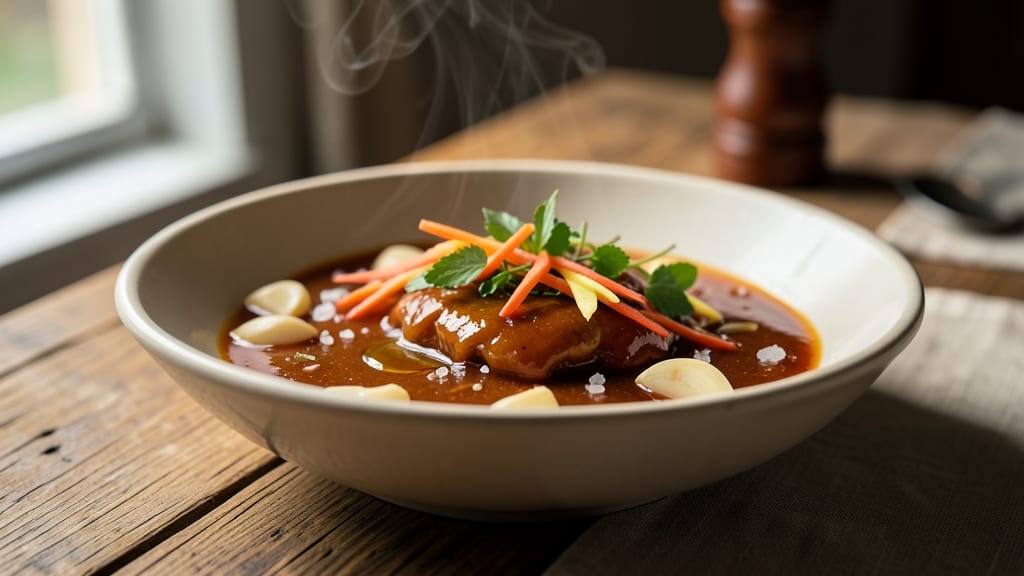
This award-winning teriyaki sauce delivers glossy, sticky perfection that transforms grilled meats into restaurant-quality masterpieces. 🌟 The secret lies in balancing sweetness, umami, and tang through precise ingredient ratios and slow reduction—no artificial additives, just pure flavor.
I've perfected this recipe over years of testing, ensuring it's rich enough for glazing but versatile enough for marinating or dipping.
The sauce starts with a simple foundation of soy sauce, brown sugar, and mirin, but it's the addition of ginger, garlic, and a splash of rice vinegar that elevates it to award-worthy status. The key technique?
Simmering the mixture until it thickens to a syrup-like consistency, creating that signature glossy finish. This isn't just any teriyaki—it's the kind that makes your taste buds sing while keeping the sauce balanced enough to complement, not overpower, your protein.
What sets this recipe apart is its versatility. Use it as a marinade for chicken or salmon, a glaze for grilled pork chops, or a dipping sauce for spring rolls. The sauce keeps well in the fridge for up to two weeks, making it perfect for batch cooking.
Whether you're grilling for a crowd or meal prepping for the week, this teriyaki sauce will be your new go-to for adding depth and shine to every dish.
Ready to elevate your meals? This foolproof, scalable recipe delivers professional-quality results with just a few pantry staples. Let's get started on creating a sauce that'll have everyone asking for seconds.
Ingredients for award winning teriyaki sauce
Nine simple ingredients transform into restaurant-quality teriyaki sauce that glistens and sings on every bite.
| Ingredient | Amount | Notes |
|---|---|---|
| Soy Sauce 🍶 | ½ cup | High-quality, low-sodium preferred |
| Brown Sugar 🍚 | ½ cup | Packed, light or dark variety |
| Mirin 🍶 | ¼ cup | Sweet cooking rice wine |
| Fresh Ginger 🌿 | 2 tbsp | Finely grated, aromatic |
| Garlic Cloves 🧄 | 4 cloves | Minced, fresh preferred |
| Rice Vinegar 🍶 | 2 tbsp | Seasoned or unseasoned |
| Sesame Oil 🫒 | 1 tbsp | Toasted, for aroma |
| Cornstarch 🌾 | 1 tbsp | For thickening |
| Water 💧 | ¼ cup | Room temperature |
| Diamond Crystal Kosher Salt 🧂 | ½ tsp | Adjusts seasoning |
The soy sauce is the backbone—Kikkoman or Hawaiian Gold are my go-tos, but any high-quality brand works. Brown sugar adds depth, so don't skimp on the light variety for a cleaner flavor. Mirin is non-negotiable here; it's what gives that signature sweet-tang balance. Trader Joe's sells a great affordable option, but if you're feeling fancy, grab a bottle of Japanese mirin from an Asian market. Fresh ginger and garlic? Always buy them whole—grating or mincing yourself makes all the difference. The sesame oil might seem small, but that toasty aroma is what makes this sauce feel professional.
No mirin? Dry sherry plus 1 tsp sugar gets you close, though it won't be identical. Running out of brown sugar? White sugar plus 1 tsp molasses works in a pinch. The cornstarch is key for that glossy finish—don't substitute with flour, or the sauce will get cloudy. If you're making this ahead, reduce the cornstarch slurry first before adding it to the sauce to prevent clumping. The rice vinegar might seem like an afterthought, but it's what cuts through the sweetness and keeps the sauce bright. Taste as you go—adjust the salt or sugar until it's perfectly balanced for your palate.
This sauce keeps beautifully—two weeks in the fridge, six months frozen. For freezing, portion into ice cube trays first, then transfer to a bag. The first batch is always the best, but if you make extra, use it within a week for peak flavor. The sauce thickens as it cools, so let it sit for 10 minutes before using. A quick shake or warm over low heat restores that silky consistency. Trust me, you'll want to make this at least once a month—it's that good.
Why You'll Love This Recipe
- Five-Ingredient Magic: I swear by this lineup—soy, sugar, mirin, ginger, garlic—because it’s the only combo that balances sweet, salty, and zingy without overpowering. No fancy pantry tricks, just pantry staples that work every time.
- Weeknight Glaze Ready: Simmered in 15 minutes, this sauce doesn’t demand your full attention. I’ve burned a few batches of other recipes staring at the stove, but this one? Just set a timer, stir twice, and walk away—it’ll be waiting for you, glossy and perfect.
- Leftovers That Lie: Honestly, I make double batches on purpose. The flavor actually deepens after a day in the fridge, so I drizzle it over last night’s chicken or toss it into stir-fries like it’s fresh. My freezer’s full of it—because who wants to make sauce twice?
- Not Just for Chicken: Between us, this sauce is my secret weapon for tofu, roasted veggies, even grilled cheese. The ginger and garlic add a kick that makes everything feel special, no matter what’s on the plate. (Yes, even on a Tuesday night.)
Step-by-step instructions for award-winning teriyaki sauce
Here's how to craft that signature glossy, sticky teriyaki that wins every time.
🍳 Step 1: Bloom the Aromatics in Toasted Sesame Oil
Heat a medium saucepan over medium-low heat and add the 1 tablespoon sesame oil. Let it warm for 30 seconds until fragrant—you'll smell that nutty aroma immediately. This is where the magic begins, as the oil's toasted notes will carry through your entire sauce.
Add the 2 tablespoons finely grated fresh ginger and 4 cloves minced garlic, stirring constantly for 1 minute until the garlic turns translucent and the ginger releases its bright, zesty aroma. Be careful not to let the garlic burn—it should smell sweet and pungent, not bitter. This aromatic base forms the flavor foundation of your teriyaki sauce.
🍳 Step 2: Combine Wet Ingredients and Simmer
Pour in the 0.5 cup soy sauce, 0.5 cup packed brown sugar, 0.25 cup mirin, and 2 tablespoons rice vinegar. Stir vigorously to dissolve the brown sugar completely—it should melt into the liquid without any graininess. This combination creates the perfect balance of salty, sweet, and tangy flavors that define authentic teriyaki.
Bring the mixture to a gentle boil over medium-high heat, then immediately reduce to medium-low heat. Let it simmer uncovered for 8-10 minutes, stirring occasionally, until the sauce reduces by about 30%. You'll notice the sauce thicken slightly and develop a beautiful glossy sheen—this is your signal that the flavors are beginning to meld together beautifully.
🥘 Step 3: Thicken and Season to Perfection
In a small bowl, whisk together the 1 tablespoon cornstarch with the 0.25 cup water until completely dissolved. This cornstarch slurry is your secret weapon for achieving that signature teriyaki consistency—thick enough to coat but still silky smooth.
Slowly pour the cornstarch mixture into the simmering sauce while whisking constantly. The sauce will thicken dramatically within 1-2 minutes. Add the 0.5 teaspoon Diamond Crystal kosher salt and give it one final taste. You want a perfect balance—sweet enough to caramelize, salty enough to enhance flavors, with just a touch of tangy brightness from the vinegar.
⏰ Step 4: Finish and Rest for Maximum Flavor
Continue simmering for another 2-3 minutes until the sauce reaches your desired thickness—it should coat the back of a spoon but still flow smoothly. For the glossiest finish, remove from heat and let it rest for 5 minutes. This resting period allows the flavors to fully develop and the sauce to reach its perfect consistency.
Give it one final taste and adjust seasoning if needed—perhaps a touch more brown sugar for sweetness or a splash of rice vinegar for tang. The sauce should be sticky, glossy, and ready to elevate any grilled meat, roasted vegetables, or even drizzled over noodles. This isn't just any teriyaki—it's award-winning, restaurant-quality sauce in your own kitchen.
Pro Tips For Making Award Winning Teriyaki Sauce
- Simmer Slow and Low: I learned this the hard way—boiling teriyaki sauce ruins it. Keep the heat at a gentle simmer (just tiny bubbles breaking the surface) so the sugar caramelizes instead of burning. If it gets too aggressive, pull it back or you’ll end up with bitter, cloying syrup.
- Grind Ginger Like a Pro: Fresh ginger is non-negotiable here, but skip the pre-grated jar—it’s waterlogged and flavorless. Use a microplane or fine grater for the zest, then mince the rest with a knife. This releases more oils and aroma than a blender ever will. (Yes, even if you’re impatient like me.)
- Balance Sugar First: Taste the sauce before adding all the brown sugar. If it’s too sweet, dilute with a splash of water or a pinch of salt to cut through it. I used to dump in the full amount and wonder why my sauce tasted like candy—now I adjust as I go.
- Toast Garlic Separately: Sauté the minced garlic in a dry pan for 30 seconds until fragrant but not browned. Add it to the sauce after simmering to keep its bright, fresh flavor instead of letting it turn bitter. (Your future self will thank you.)
Dietary considerations for this recipe
Gluten-Free Adaptation
Swap the soy sauce for tamari—a naturally gluten-free alternative that delivers the same umami punch. Use ½ cup tamari in place of soy sauce, but be aware it may have a slightly deeper flavor.
For extra balance, add 1 teaspoon honey to compensate for tamari's stronger taste. This version works perfectly for grilling chicken or salmon without sacrificing that signature teriyaki richness. 🌱
Low-Sugar Version
Reduce the brown sugar to ¼ cup and replace the remaining ¼ cup with sugar-free maple syrup or monk fruit sweetener. For extra umami depth, add 1 teaspoon fish sauce (trust me, it blends seamlessly).
This keeps the sauce flavorful while cutting carbs—ideal for keto or diabetic-friendly meals. The sauce will still caramelize beautifully on grilled pork chops.
Vegan-Friendly
Use coconut aminos instead of soy sauce—it’s plant-based and has a similar profile. Skip the mirin and replace it with ¼ cup white wine plus 1 teaspoon sugar for the same sweet-tang balance.
For thickness, use 1 tablespoon arrowroot powder instead of cornstarch. This version works brilliantly for tofu or tempeh dishes, offering all the glossy goodness without animal products. 🌿
Diabetic-Friendly
Cut the sugar dramatically: use 2 tablespoons erythritol or monk fruit sweetener instead of brown sugar, and ¼ cup unsweetened applesauce for moisture. Boost umami with 1 extra tablespoon soy sauce and ½ teaspoon liquid smoke for depth.
This version keeps the sauce sticky and flavorful while being diabetes-friendly—perfect for grilled chicken or stir-fried veggies.
Allergy-Free Notes
Check your sesame oil for cross-contamination if nut allergies are a concern—some brands process in shared facilities. For garlic-free versions, substitute with 1 teaspoon garlic powder (though fresh is always better).
Always verify labels on soy sauce and mirin—some contain hidden allergens. When in doubt, opt for certified gluten-free and allergy-free brands like San-J or Tamari Mama.
Nutrition facts
Frequently asked questions
Can I make this teriyaki sauce without mirin?
Yes! For a quick substitute, mix ¼ cup dry sherry with 1 teaspoon sugar to mimic mirin's sweet-tang balance. If you're avoiding alcohol entirely, use ¼ cup white wine vinegar plus 1 tablespoon honey. The sauce will still develop that glossy finish, though the flavor profile will be slightly different.
How do I prevent the sauce from getting too thick or clumpy?
Stir constantly while adding the cornstarch slurry and keep heat at medium-low to avoid burning. If it thickens too much, thin with 1 teaspoon water at a time. For extra smoothness, strain through a fine-mesh sieve after cooking. The sauce will thicken further as it cools, so remove it from heat just before it reaches your desired consistency.
What's the best way to store leftover teriyaki sauce?
Transfer to an airtight container and refrigerate for up to 2 weeks. For longer storage, freeze in ice cube trays, then transfer to a freezer bag. Thaw overnight in the fridge—never microwave directly from frozen. The sauce keeps its glossy texture when properly stored. Pro tip: Label with the date to track freshness.
Can I use this sauce as a marinade?
This teriyaki sauce makes an excellent marinade for chicken, salmon, or pork. For best results, marinate for 4-6 hours (or overnight for deeper flavor). Use ½ cup sauce per pound of protein and include 1 tablespoon honey to prevent drying. Always discard used marinade after contact with raw meat.
Why does my homemade teriyaki sauce taste bitter?
Bitterness usually comes from overcooking or using too much ginger/garlic. Simmer at medium-low heat and taste frequently—remove from heat as soon as it reaches your desired thickness. If it's already bitter, balance it with ½ teaspoon honey or 1 teaspoon rice vinegar. Fresh ingredients make all the difference—never use powdered garlic or pre-minced ginger.