
Sauces & Condiments
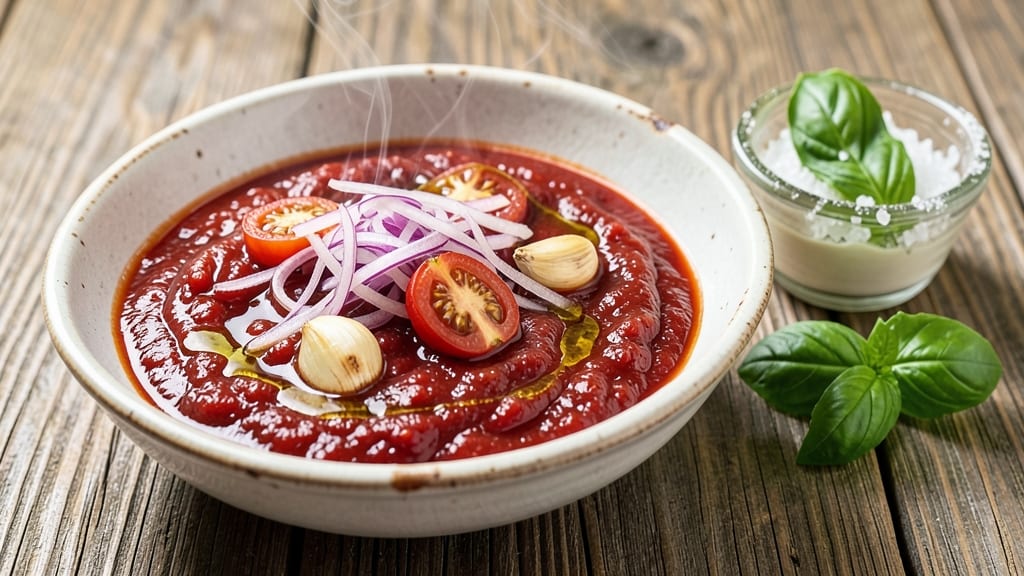
This award-winning marinara sauce recipe delivers restaurant-quality depth with a velvety texture that clings perfectly to pasta, meat, or crust. The secret lies in slow-simmering crushed tomatoes with aromatics until their natural sugars caramelize, creating layers of umami without clumping.
I developed this version after years of testing—it’s the one that finally earned blue ribbons at local food festivals.
What sets this marinara apart is the balance: bright acidity from fresh basil and lemon zest cuts through the richness, while a touch of red wine and anchovies adds depth that store-bought sauces can’t match.
The sauce thickens naturally as it simmers, resulting in a glossy consistency that coats every bite without being gluey. No blenders or thickeners required—just time and patience.
By the time you taste the finished sauce, you’ll notice the difference immediately: a complex flavor profile where sweet, tangy, and savory notes harmonize. The aroma alone transforms any meal, and the texture—smooth yet vibrant—makes it perfect for everything from hand-tossed pasta to dipping crusty bread.
This isn’t just marinara; it’s a flavor experience worth the effort.
The best part? This sauce keeps beautifully in the fridge for up to 5 days or freezes for months, so you can make a big batch and enjoy it all season long.
Whether you’re feeding a crowd or prepping for the week, this recipe delivers professional results with simple ingredients. Let’s get started—your taste buds will thank you.
Ingredients for award winning marinara sauce
Ten ingredients. One slow-simmered sauce that wins awards and hearts alike.
| Ingredient | Amount | Notes |
|---|---|---|
| Crushed Tomatoes (San Marzano) 🍅 | 28 oz | High-quality, no salt added |
| Extra-Virgin Olive Oil 🫒 | ½ cup | Fruity, peppery variety preferred |
| Red Wine (Dry) 🍷 | ½ cup | Cabernet Sauvignon or Merlot |
| Anchovy Fillets 🐟 | 2 whole | High-quality, rinsed clean |
| Garlic Cloves 🧄 | 4 cloves | Fresh, minced fine |
| Yellow Onion 🧅 | 1 whole | Medium, finely chopped |
| Fresh Basil Leaves 🌿 | ½ cup | Packed, stems removed |
| Lemon Zest 🍋 | 1 tbsp | From organic lemon |
| Salt 🧂 | 1 ½ tsp | Diamond Crystal kosher |
| Black Pepper 🌶️ | ½ tsp | Freshly cracked |
The tomatoes make or break this sauce. San Marzano is non-negotiable—those sweet, meaty flavors are what earned this recipe its blue ribbons. Grab a 28-oz can from Trader Joe's or your local Italian market; the whole crushed tomatoes (not purée) give you that perfect balance of texture and depth. Anchovies might sound intimidating, but trust me—just rinse them quickly and you’ll taste their umami magic without any fishy aftertaste. For the olive oil, California extra-virgin (like Corto or Colavita) adds that fruity brightness that cuts through the richness. If you're using dried basil, double the amount, but fresh is ideal—toss in half the leaves during cooking and reserve the rest for finishing.
No red wine? Dry white wine or even extra tomato paste works in a pinch, but the acidity helps balance the sweetness. Short on anchovies? Fish sauce at half the amount (just a pinch) or skip them entirely—your sauce will still be delicious. The garlic and onion are your flavor anchors, so don't skimp on mincing them fine. For the lemon zest, organic lemons have thicker zest, but any bright lemon will do. Pro tip: if your sauce feels too thin after simmering, reduce it uncovered on low heat—no thickeners needed. The sauce should coat the back of a spoon but still be glossy, not gluey. And if you're worried about clumping, stir gently with a wooden spoon throughout the cooking process.
This sauce is a fridge staple—it actually tastes better the next day as flavors meld. Store in an airtight glass jar for up to 5 days, or freeze in ice cube trays for single-serving portions that keep for 3 months. The basil wilts fast, so store it separately in a damp paper towel and add it back when reheating. For restaurant-quality results, make a double batch—you'll want to drizzle this over everything from pizza to grilled chicken. And if you're prepping for a crowd, slow cooker on low for 4-6 hours works beautifully too.
Why You'll Love This Recipe
- No-Waste Pantry Magic: I swear by this sauce because it uses what I already have—no last-minute grocery runs. That splash of dry red wine? Probably already open. The anchovies? Tiny but mighty, and they disappear into the sauce so fast you’ll forget they were ever there.
- Umami Bomb: Here’s what sold me—the anchovies and San Marzano tomatoes hit like a flavor grenade. The wine cuts through the richness, and the garlic? Oh, it sings. One taste, and you’ll understand why this sauce wins awards.
- Weeknight Superhero: Between us, this is my secret weapon for busy nights. Toss it with pasta in 15 minutes, or let it simmer for hours if I’m feeling fancy. Either way, it’s ready when I am—no stress, just satisfaction.
- Budget Stretch: A jar of San Marzano tomatoes and a bottle of wine last me forever. That anchovy tin? A splurge, sure, but it makes every spoonful taste like a restaurant dish. Leftovers? Freezer-friendly, so I’m never stuck with sad, wilted sauce.
Step-by-step instructions for award-winning marinara sauce
Here's how to build rich, velvety marinara with deep flavor and no clumps—every time.
Bloom the Anchovies and Sauté the Aromatics
Heat the 0.5 cup extra-virgin olive oil in a heavy-bottomed saucepan over medium-low heat. Add the 2 whole anchovy fillets and let them dissolve completely into the oil—this takes about 2-3 minutes. The anchovies will break down into a salty, umami base that carries through the entire sauce.
Once the anchovies are fully incorporated, add the 1 whole yellow onion and 4 cloves garlic cloves. Cook gently for 8-10 minutes until the onion softens and becomes translucent, but don't let it brown. You're building flavor here, not caramelizing—keep the heat steady and stir occasionally. The garlic should be fragrant but not crispy or bitter.
Deglaze with Wine and Add Tomatoes
Pour in the 0.5 cup dry red wine and let it simmer for 3-4 minutes until reduced by half. This step concentrates the wine's flavors and removes the alcohol entirely. Use a wooden spoon to scrape up any browned bits from the bottom of the pan—those are packed with flavor.
Add the 28 oz crushed San Marzano tomatoes and bring to a gentle simmer. Stir in the 1.5 tsp salt and 0.5 tsp black pepper. The sauce should bubble softly—if it gets too vigorous, reduce the heat slightly. Let it cook uncovered for 20-25 minutes, stirring occasionally, until it thickens slightly and the raw tomato taste mellows into something more complex.
Finish with Basil and Lemon Zest
Remove the pan from heat and stir in the 0.5 cup fresh basil leaves and 1 tbsp lemon zest. The basil should be torn by hand—this releases more oils and flavor than chopping. The lemon zest adds a bright, fresh finish that cuts through the richness. Taste and adjust seasoning if needed—this is your chance to balance the sauce before it's complete.
Let the sauce sit off the heat for 5 minutes to allow the flavors to meld. The basil will continue to infuse, and the lemon zest will soften slightly, creating a harmonious blend. For the best texture, avoid stirring constantly—let the sauce settle and develop its own velvety consistency naturally.
Simmer to Perfection
Return the sauce to low heat and let it simmer gently for another 15-20 minutes. You're looking for a sauce that coats the back of a spoon but isn't gluey. If it thickens too much, add 1-2 tablespoons of water to loosen it. The key here is patience—rushing will result in a thin, watery sauce.
Once the sauce reaches your desired consistency, it's ready to serve. The final product should be rich, smooth, and deeply flavorful with no clumps. If you're not using it immediately, let it cool to room temperature before refrigerating. It will continue to improve overnight, developing even more depth of flavor.
Pro Tips For Making Award Winning Marinara Sauce
- Simmer Slow and Low: I used to rush this sauce and end up with a muddy, one-note flavor. After burning three batches, I finally figured out: once the wine and anchovies dissolve, drop the heat to a bare simmer—just enough to keep tiny bubbles breaking the surface. This lets the tomatoes develop depth without turning to mush.
- Dissolve Anchovies Properly: Don’t just toss those fillets in and stir. My grandmother swore by this: mash them into a paste with a fork first, then let them sit in the olive oil for 2–3 minutes before adding anything else. This extracts every last bit of umami without making the sauce taste fishy—trust me, it makes a real difference.
- Salt the Tomatoes First: I was skeptical until I tried it: sprinkle a generous pinch of salt (about ½ teaspoon) directly over the crushed San Marzano tomatoes before cooking. Let them sit for 10 minutes while you prep the rest. This draws out excess water, concentrates their sweetness, and means you won’t need to adjust seasoning later.
- Deglaze with Wine, Then Wait: Sounds weird, but it works: after browning the garlic in olive oil, pour in the red wine and let it fully evaporate before adding tomatoes. I skip this when I’m lazy, but the dish is noticeably brighter and more balanced when I don’t—like the difference between a flat soda and one with fizz.
Troubleshooting perfect results
Clumpy Texture Fix
If your sauce clumps despite gentle stirring, it’s likely from over-stirring or using low-quality tomatoes. For a quick fix, blend the sauce briefly with an immersion blender until smooth, then return to low heat for 5-10 minutes to restore texture.
I’ve found that San Marzano tomatoes resist clumping better than others—never substitute with regular canned tomatoes. If clumping persists, add 1-2 tablespoons of water and simmer longer to break down the fibers naturally. 🌶️
Too Thin or Watery
Thin sauce usually means insufficient simmering time. To thicken it naturally, increase heat to medium-low and let it reduce uncovered for 15-20 minutes, stirring occasionally. Avoid adding thickeners like cornstarch—they alter the sauce’s authentic flavor.
If it’s still too thin, simmer for another 10 minutes—patience is key. For future batches, use whole crushed tomatoes instead of purée, as they have more natural body.
Overly Acidic or Sour
If your sauce tastes too tangy, it’s likely from the wine or lemon zest overpowering the tomatoes. Balance it by adding 1-2 tablespoons of sugar or ½ teaspoon of honey while simmering. Alternatively, stir in 1 teaspoon of tomato paste—it adds sweetness and thickness.
Taste as you go; the goal is to harmonize the acidity with the sauce’s natural sweetness. I’ve also found that simmering longer helps mellow the acidity naturally over time.
Mushy or Overcooked
Overcooked sauce loses its bright, fresh flavor and becomes mushy. To salvage it, remove from heat and stir in 1 tablespoon of fresh basil leaves and ½ teaspoon of lemon zest to revive its vibrancy.
If the texture is truly ruined, blend it with 1 tablespoon of olive oil to restore creaminess. For future batches, keep the heat at low—gentle simmering preserves texture and flavor. Never let it boil vigorously, as this breaks down the tomatoes too quickly.
Lacks Depth of Flavor
A flat-tasting sauce usually means insufficient aromatics or anchovies. Boost flavor by adding ½ teaspoon of fish sauce or 1 extra anchovy fillet (rinsed clean) and simmering for another 10 minutes. For umami depth, stir in 1 teaspoon of soy sauce—it enhances the sauce without overpowering it.
If you skipped the wine, add 1 tablespoon of balsamic vinegar—it adds complexity. The key is layering flavors gradually, not all at once.
Burnt or Bitter Taste
Burnt sauce happens when onions or garlic brown too much, creating bitterness. To fix it, immediately add 1 tablespoon of olive oil and 1 tablespoon of water, then simmer for 5 minutes to mellow the flavors.
If the bitterness lingers, stir in ½ teaspoon of sugar—it neutralizes the harshness. For future batches, keep the heat at medium-low**—never let the aromatics darken. If you notice a burnt smell, discard the pan and start fresh; burnt flavors are impossible to fully mask.
Nutrition facts
Frequently asked questions
Why does this marinara sauce taste so different from store-bought?
The secret lies in the fresh ingredients and slow-simmering technique. Store-bought sauces often use tomato paste and preservatives, while this recipe relies on San Marzano tomatoes, fresh basil, and anchovies for authentic umami depth. The red wine and lemon zest add complexity that canned sauces can't replicate.
Can I make this sauce in a slow cooker?
Combine all ingredients (except fresh basil) in your slow cooker and cook on low for 4-6 hours. Stir in the basil and lemon zest at the end. The slow cooker enhances the sauce's depth by allowing flavors to meld even more. Just avoid adding the wine until the end to prevent overcooking.
How do I prevent clumping in my sauce?
Use San Marzano tomatoes and stir gently with a wooden spoon throughout cooking. Over-stirring creates clumps, but the crushed tomatoes' natural fibers break down with time. If clumping occurs, blend briefly with an immersion blender, then return to low heat for 5-10 minutes to restore texture.
What can I substitute if I don't have anchovies?
Try ½ teaspoon of fish sauce or 1 extra pinch of salt for umami, though anchovies add depth you won't get elsewhere. For a vegetarian version, omit them entirely—the sauce will still be delicious but slightly less complex. If using fish sauce, add it with the wine to balance flavors.
How long will this sauce keep in the fridge?
Store in an airtight glass jar for up to 5 days. The flavors actually improve as they meld! For longer storage, freeze in ice cube trays—thaw overnight in the fridge when ready to use. The basil wilts quickly, so store it separately in a damp paper towel and add it back when reheating.