
Sauces & Condiments
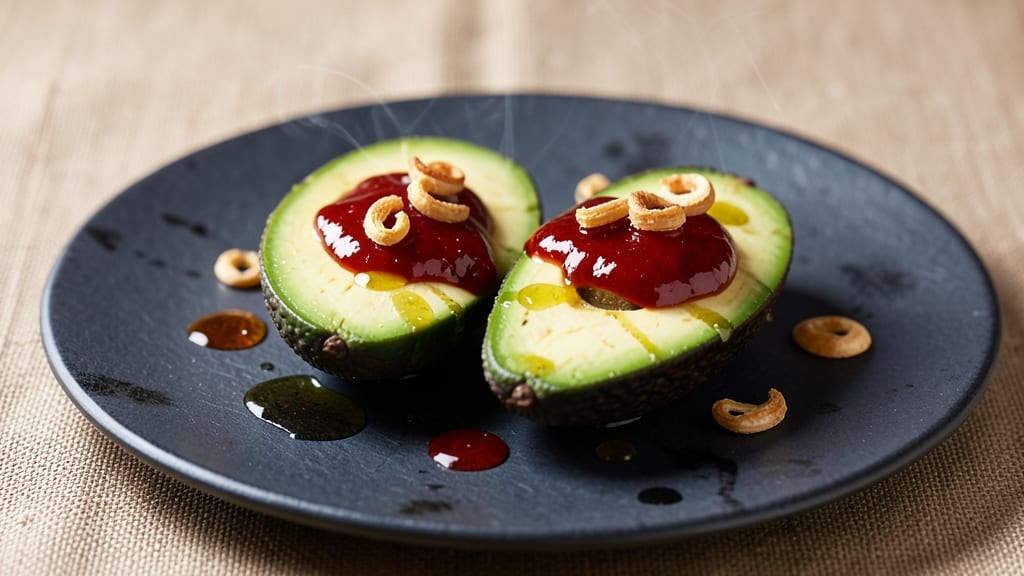
This avocado fish sauce recipe transforms humble ingredients into a velvety, umami-rich condiment that elevates everything from noodles to grilled meats. The secret lies in blending ripe avocado with fish sauce, lime, and garlic—creating a balance of creamy richness and bright tang that lingers on the palate.
What makes this sauce special is its versatility. Unlike traditional fish sauces that can be overpowering, this version softens the bold flavors while adding a luxurious texture. The avocado provides a smooth, almost mayo-like consistency, while the lime keeps it fresh and vibrant.
Perfect for dipping spring rolls, drizzling over salads, or mixing into marinades, this sauce delivers restaurant-quality flavor with minimal effort. The ingredients come together in just minutes, yet the result is complex and deeply satisfying—ideal for anyone craving bold, creamy sauces without the heaviness.
Store it in an airtight container in the fridge for up to a week, where the flavors will continue to meld and deepen. Whether you're a home cook or a seasoned chef, this recipe is a game-changer for adding depth to any dish.
Ingredients for avocado fish sauce
Seven ingredients blend into a velvety sauce with restaurant-quality depth and balance.
| Ingredient | Amount | Notes |
|---|---|---|
| Ripe Avocados 🥑 | 2 whole | Firm but yielding when pressed |
| Red Fish Sauce 🍶 | ½ cup | Red Boat preferred for balance |
| Fresh Lime Juice 🍋 | ¼ cup | Strained for smooth texture |
| Garlic Cloves 🧄 | 3 cloves | Minced for aromatic depth |
| Extra-Virgin Olive Oil 🫒 | ¼ cup | Light fruity variety preferred |
| Distilled White Vinegar 💧 | 1 tbsp | Balances avocado richness |
| Cayenne Pepper 🌶️ | ¼ tsp | Adjust for heat preference |
| Diamond Crystal Kosher Salt 🧂 | ½ tsp | Fine grain for even seasoning |
| Fresh Cilantro 🌿 | ¼ cup | Chopped, stems removed |
The avocados are the foundation—choose firm but ripe ones that yield slightly when pressed. Trader Joe's often carries ideal specimens, or look for organic at your local farmers market. Red Boat fish sauce is essential for its balanced umami profile, though Squanido is a worthy alternative. Fresh lime juice is non-negotiable; bottled lacks the bright acidity needed to cut through the avocado's richness. For garlic, three cloves provide aromatic depth without overpowering the delicate balance. The olive oil should be light and fruity—California-grown varieties work beautifully.
No red fish sauce? Red Boat substitute with a mix of white fish sauce and a dash of soy sauce, though the flavor will be subtly different. Fresh lime unavailable? Key lime juice works perfectly, but bottled lime juice will make the sauce taste artificial. Want to reduce heat? Skip the cayenne entirely—this sauce is already complex enough without it. The cilantro is optional but adds a vibrant freshness; Mexican cilantro has a more pronounced flavor than the typical Persian variety. For a smoother texture, strain the sauce through a fine-mesh sieve after blending, though some texture adds character.
This sauce thrives in the fridge for 5-7 days when stored in an airtight container with a thin layer of olive oil on top to preserve freshness. For longer storage, portion into ice cube trays and freeze; each cube makes a perfect single-serving addition to dishes. The flavors actually improve over time as the components meld together—unlike traditional fish sauces that can become overly pungent. For best results, let the sauce sit at room temperature for 10 minutes before using to achieve optimal creaminess.
Why You'll Love This Recipe
- Five-Ingredient Magic: I swear, this is the kind of recipe where you glance at your pantry and think, "I can do this." No fancy techniques—just mash avocado, mix in fish sauce, and let the lime and garlic work their magic. Honestly, I’ve made it after a 12-hour shift when I couldn’t even think straight.
- Umami Creamy Bomb: That first bite? The fish sauce cuts through the avocado’s richness while the lime keeps it bright, and the garlic? Oh, it’s the secret weapon—roasted just enough to add depth without overpowering. Between us, it’s the kind of flavor combo that makes you pause mid-bite.
- Lunchbox to Party: Spread it on toast for a quick lunch, dollop it over grilled shrimp for a fancy dinner, or serve it with chips when friends drop by. I’ve even used it as a dip for veggies at book club—no one guessed it was this simple. (Yes, even on a Tuesday night.)
- Budget Flex: Fish sauce is cheap, avocados stretch far, and you’re not buying pre-made dressings. A single jar of fish sauce lasts me months, and avocados? I buy them when they’re on sale and freeze half. My wallet and my taste buds thank me.
Step-by-step instructions for avocado fish sauce
Transform simple ingredients into a velvety, umami-rich sauce that bridges creamy avocado with bold fish sauce.
Halve and Pit the Avocados
Cut the 2 whole ripe avocados lengthwise around the pits, then twist to separate each half. Remove the pits using a sturdy spoon or avocado remover. I press the spoon into the pit, twist gently, and lift—this prevents damaging the flesh. The avocados should yield slightly when pressed, indicating perfect ripeness for this application.
Place the avocado halves on a cutting board, skin-side down. Using a chef's knife, carefully slice each half into ½-inch thick wedges, keeping the skin attached. This technique preserves the avocado's natural oils while making it easier to blend later. Arrange the wedges in a single layer on a plate and lightly cover with plastic wrap to prevent browning until ready to use.
Blend the Base Ingredients
In a high-powered blender, combine the avocado wedges, 0.5 cup red fish sauce, 0.25 cup fresh lime juice, and 3 minced garlic cloves. Secure the lid and blend on high speed for 30 seconds. The mixture should begin to emulsify, creating a thick, greenish paste. If the blender struggles, press down the tamper to help break down the avocado flesh completely.
Stop and scrape down the sides with a silicone spatula to ensure all ingredients are fully incorporated. The texture should resemble thick guacamole at this stage. This foundational blend captures the essential flavors while maintaining the avocado's natural creaminess that makes this sauce so distinctive.
Incorporate the Finishing Elements
With the blender still running, slowly drizzle in the 0.25 cup extra-virgin olive oil through the feed tube. This gradual addition prevents the sauce from breaking and creates a silky emulsion. Add the 1 tablespoon distilled white vinegar next, which brightens the flavors and balances the richness of both the avocado and fish sauce.
Pulse the blender briefly to combine, then taste and adjust seasoning. Add the 0.25 teaspoon cayenne pepper and 0.5 teaspoon diamond crystal kosher salt, blending again until fully incorporated. The sauce should have a harmonious balance of creamy, tangy, and umami notes with a subtle heat from the cayenne. If needed, add a splash more lime juice to enhance acidity or a pinch of salt to intensify the savory depth.
Fold in the Fresh Cilantro
Transfer the blended sauce to a medium bowl. Using a silicone spatula, gently fold in the 0.25 cup chopped fresh cilantro. Stir just until combined—overmixing can break down the delicate emulsion. The cilantro adds a bright, herbal contrast that cuts through the richness while maintaining the sauce's velvety texture.
Taste one final time and make any necessary adjustments. The sauce should be thick enough to coat the back of a spoon but still flow smoothly. For immediate use, serve chilled as a dipping sauce for spring rolls or fresh vegetables. For best flavor development, refrigerate for at least 30 minutes before serving, allowing the flavors to meld completely.
Pro Tips For Making Avocado Fish Sauce
- MASH AVOCADOS LAST: Add the fish sauce and lime juice first, then fold in the avocado at the very end—this keeps it from turning gray and watery. I used to mix everything together and ended up with sad, mushy avocado every time.
- USE COLD GARLIC: Chill your garlic cloves in the freezer for 10 minutes before mincing—this makes them easier to crush and prevents the oil from turning bitter. I learned this after burning my first batch of garlic oil.
- DILUTE THE FISH SAUCE: Thin the red fish sauce with a splash of water (about 1:1 ratio) before adding it to the avocado—this balances the saltiness and prevents overpowering the dish. My first attempt was way too salty, and I had to start over.
- SALT THE AVOCADO: Sprinkle a pinch of salt on the avocado slices before mashing—this draws out moisture and keeps the texture creamy longer. Sounds weird, but it works: the avocado stays fresh-tasting instead of turning bland.
Pro cooking tips for this recipe
Blend Like a Pro
Use a high-powered blender like the Ninja BN601 or Vitamix 5200—these handle avocado’s oils better than basic models. Pulse the avocado first for 10 seconds before adding liquids to prevent splattering. If your sauce separates, add 1 teaspoon of xanthan gum and blend again for a smoother texture. 💡
Fish Sauce Balance
Start with ½ cup Red Boat fish sauce—it’s the gold standard—but taste before adding all. If it’s too strong, dilute with 1 teaspoon of water or ½ teaspoon of honey to mellow the umami.
For a milder version, swap ¼ cup of the fish sauce for light coconut milk.
Emulsion Secrets
Add olive oil last in a slow stream while blending on high. This creates a stable emulsion, just like making mayo. If the sauce breaks, whisk in 1 tablespoon of cold water to re-emulsify.
Chill the sauce for 30 minutes before serving—this firms up the avocado oils for a thicker consistency. ❄️
Flavor Layering
Toast the garlic cloves in a dry pan for 30 seconds before mincing to deepen their flavor. For extra brightness, add 1 teaspoon of honey or 1 tablespoon of agave to balance the acidity.
If you love heat, mash in ½ a roasted chili (like Thai bird’s eye) for smoky depth.
Storage Hacks
Store in an airtight glass jar with a thin layer of olive oil on top to prevent browning. The sauce keeps for 5–7 days in the fridge. For longer storage, freeze in ice cube trays—thaw a cube in the fridge overnight for perfect single-serving portions. 🧊
Texture Troubles
If the sauce is too thick, thin with 1–2 teaspoons of lime juice or water. Too thin? Blend in 1 tablespoon of avocado pulp or 1 teaspoon of cornstarch slurry.
For extra creaminess, whisk in 1 tablespoon of Greek yogurt before serving. Adjust seasoning after blending—flavors meld better when cold. 🔥
Nutrition facts
Frequently asked questions
Can I make this sauce without a high-powered blender?
Yes, but the texture will be chunkier. Use a food processor and pulse frequently, scraping down the sides. For a smoother result, mash the avocado first with a fork, then blend with the remaining ingredients. A hand mixer works too—just blend in short bursts to avoid splattering. The sauce will still taste delicious, just with more texture.
How do I adjust the spice level?
Start with the ¼ teaspoon cayenne—it’s mild but noticeable. For more heat, add ½ teaspoon and blend well. Want smoky depth instead? Swap the cayenne for ½ teaspoon smoked paprika or mash in ½ a roasted chili. Always taste before adding more—fish sauce already packs umami punch!
What’s the best way to use this sauce?
This versatile sauce shines as a dipping sauce for spring rolls, fresh spring rolls, or grilled shrimp. Drizzle it over Vietnamese pho or noodle bowls for instant umami richness. Mix 1 tablespoon into mayo for sandwiches, or use as a dressing for seafood salads. The creamy texture also works well as a marinade base for grilled fish or tofu.
Why did my sauce separate?
This happens when oils and liquids aren’t properly emulsified. Fix it by whisking in 1 tablespoon cold water or 1 teaspoon xanthan gum while blending. For prevention, add olive oil last in a slow stream while blending on high. Chill the sauce for 30 minutes before serving—this helps stabilize the emulsion. If it separates again, just whisk vigorously before using.
Can I use white fish sauce instead?
White fish sauce works but will be milder. For best results, use Red Boat (the recipe’s standard). If you must substitute, mix ¼ cup white fish sauce with ¼ cup soy sauce to replicate the depth. The sauce will still taste great, though the umami profile will be slightly different. Always taste and adjust other seasonings accordingly.