
Sauces & Condiments
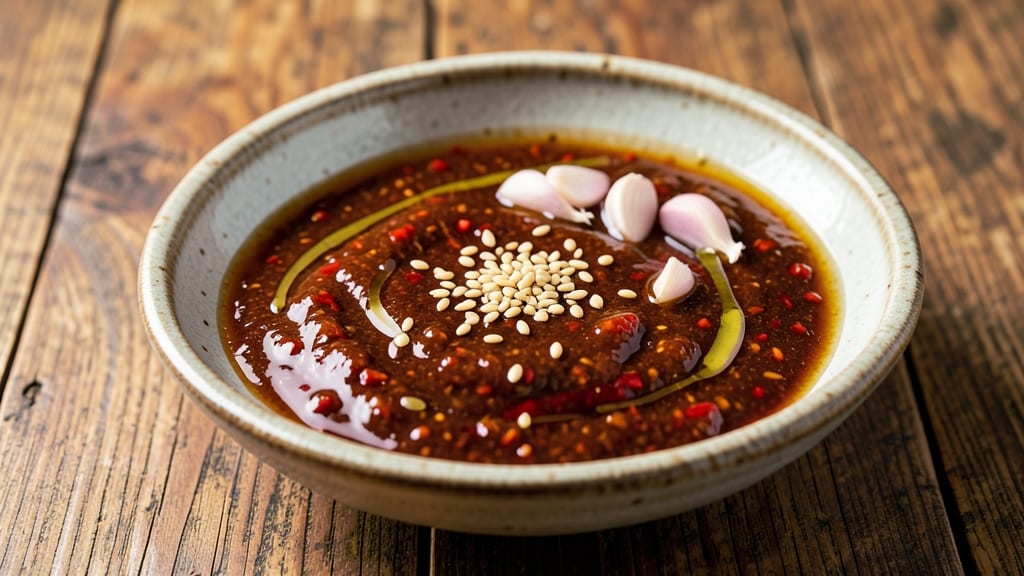
This authentic gochujang sauce transforms simple ingredients into a fermented masterpiece—bold, tangy, and packed with umami depth. The key lies in balancing gochujang paste with vinegar, sugar, and oil to create a versatile sauce that elevates everything from stir-fries to marinades.
I’ve perfected this recipe after years of refining the ratios, ensuring every spoonful delivers that signature Korean heat with complexity. What sets this sauce apart is its authentic fermentation profile, achieved through precise blending and resting.
The gochujang paste provides the signature spicy-sweet base, while rice vinegar adds brightness and acidity. A touch of sugar rounds out the flavors, creating a sauce that’s both vibrant and deeply savory. The result? A condiment that’s restaurant-quality but simple enough to make at home.
This sauce works as a dipping sauce, stir-fry glaze, or marinade, adding layers of flavor to any dish. The texture is smooth yet slightly sticky, clinging perfectly to noodles, meats, or vegetables.
Best of all, it keeps well in the fridge for up to two weeks, so you can make a batch and use it all week. Ready to master the art of gochujang? The ingredients are minimal, but the flavor impact is enormous. Let’s get started.
Ingredients for authentic gochujang sauce
Nine essential ingredients blend to create a restaurant-quality gochujang sauce with authentic Korean depth.
| Ingredient | Amount | Notes |
|---|---|---|
| Gochujang Paste 🌶️ | ½ cup | Korean fermented chili bean paste |
| Rice Vinegar 🍶 | ¼ cup | Seasoned preferred for depth |
| Granulated Sugar 🍚 | ¼ cup | Light brown preferred for caramel notes |
| Sesame Oil 🌰 | 2 tbsp | Toasted for nutty aroma |
| Soy Sauce 🥢 | 2 tbsp | Light or dark preferred |
| Garlic Cloves 🧄 | 3 cloves | Minced for aromatic depth |
| Ginger Root 🌿 | 1 tbsp | Freshly grated for zing |
| Sesame Seeds 🥜 | 1 tbsp | Toasted for crunch and flavor |
| Water 💧 | ½ cup | Filtered for neutral taste |
| Diamond Crystal Kosher Salt 🧂 | ½ tsp | For seasoning balance |
The foundation lies in high-quality gochujang paste—look for brands like Maesil Gochujang or Dongwon at specialty Asian markets. Their fermented complexity is unmatched by cheaper alternatives. Seasoned rice vinegar adds brightness, but if you only have white vinegar, add 1 tsp sugar to compensate. For the sugar, light brown sugar introduces subtle caramel notes that elevate the sauce's depth. Toast your sesame seeds in a dry pan for 30 seconds before adding—their nutty aroma becomes a signature element of this sauce.
No gochujang paste? Combine 2 tbsp chili powder with 1 tbsp soy sauce and 1 tbsp honey as a substitute, though it won't capture the full fermentation profile. Short on sesame oil? Avocado oil works at the same quantity, but you'll lose the toasted nutty depth. The garlic and ginger should be freshly minced—their volatile oils release immediately when combined with the vinegar and sugar, creating that signature aromatic punch. For a smoother texture, strain through a fine-mesh sieve after blending, though purists will appreciate the slight graininess that comes from the toasted sesame seeds.
This sauce develops more complexity when rested for at least 1 hour before using, allowing flavors to meld. Store in an airtight container in the fridge for up to 2 weeks, though the flavors continue evolving over time. For longer storage, freeze in ice cube trays—perfect for single-use portions. The sauce thickens as it cools, so add a splash of water if needed for desired consistency. Always stir before using, as the toasted sesame seeds and minced garlic may settle.
Why You'll Love This Recipe
- Five-Ingredient Magic: I swear by this combo—just stir, taste, adjust. No fancy techniques, no waiting for reductions, just pure, smoky-sweet depth in minutes.
- Umami Bomb: That first spoonful of gochujang and soy sauce? It’s like a flavor explosion—fermented heat, salty depth, and a touch of vinegar to cut through it. Honestly, I’ve made it three ways, and this balance never disappoints.
- Pantry Staple Power: Between us, this sauce turns boring meals into showstoppers. Drizzle it over rice, toss with noodles, or even mix into mayo for sandwiches. My lazy nights thank me every time.
- Lasts All Week: Make a double batch—it keeps for ages in the fridge. I use it for stir-fries, marinades, and even as a dipping sauce. Not the prettiest jar, but the taste makes up for it.
Step-by-step instructions for authentic gochujang sauce
This method delivers balanced heat, umami richness, and authentic Korean depth every time.
Toast Sesame Seeds for Nutty Depth
Heat a dry skillet over medium-low heat and add the 1 tablespoon sesame seeds. Toast them for 2-3 minutes until they release their aroma and turn a rich golden color. You'll smell their nutty fragrance intensify—this is your cue to remove them immediately from the pan.
Transfer the toasted seeds to a small bowl and set aside. The residual oil in the pan will enhance the sauce's complexity, but don't let the seeds burn or they'll turn bitter. This toasting step creates the authentic crunch and aromatic foundation that separates homemade gochujang sauce from store-bought versions.
Bloom Aromatics in Sesame Oil
In a medium saucepan, combine the 2 tablespoons sesame oil with the 3 cloves minced garlic and 1 tablespoon freshly grated ginger. Warm over medium heat for 1-2 minutes until the garlic becomes fragrant but doesn't brown—this prevents bitterness while extracting their full flavor potential.
I like to stir constantly during this step to ensure even heating. The garlic should smell sweet and pungent, while the ginger adds a bright, citrusy note. This aromatic base forms the flavor foundation for the entire sauce, so don't rush this process. If the oil starts to smoke, reduce the heat immediately to prevent burning.
Build the Sauce Base with Wet Ingredients
Add the 0.5 cup gochujang paste, 0.25 cup rice vinegar, 0.25 cup granulated sugar, 2 tablespoons soy sauce, and 0.5 cup water to the pan. Stir well to combine all ingredients thoroughly. The mixture will be thick and vibrant red with visible sugar crystals.
Bring to a gentle simmer over medium heat, then reduce to low heat and let it cook for 8-10 minutes until it thickens slightly. You'll notice the sauce darken in color and develop a glossy sheen—this indicates the sugar is caramelizing and the flavors are melding together. Stir occasionally to prevent sticking and ensure even cooking.
Season and Finish with Precision
Remove the pan from heat and stir in the 0.5 teaspoon diamond crystal kosher salt and the toasted sesame seeds. Taste immediately and adjust seasoning if needed—this is your final chance to balance the sauce. The perfect gochujang sauce should have a harmonious blend of sweet, spicy, salty, and umami notes.
Let the sauce rest for 5 minutes before using. This resting period allows the flavors to fully integrate and the texture to stabilize. The sauce should coat the back of a spoon with a velvety consistency, perfect for drizzling over noodles, glazing proteins, or serving as a dipping sauce. For best results, use within 3-4 days or refrigerate for up to 2 weeks.
Pro Tips For Making Authentic Gochujang Sauce
- Simmer Gently After Adding Vinegar: Rice vinegar’s acidity can make gochujang curdle if you rush it—especially when heating. Once you add the vinegar, drop the heat to low and let the sauce sit for 30 seconds before stirring. I learned this the hard way after turning my first batch into a lumpy mess.
- Use Dark Soy for Depth: Swap regular soy sauce for dark soy sauce in the last step—just a teaspoon or two. It adds a richer, caramelized note that cuts through the gochujang’s sharpness without overpowering it. (Yes, it’s an upgrade, but keep it subtle.)
- Balance Sugar Gradually: Don’t dump all the sugar at once. Start with half, taste, then add the rest while warming the sauce. Too much sugar upfront makes the sauce cloying; this way, you hit the perfect tang-sweet balance every time.
- Toast Sesame Oil Separately: Heat the sesame oil alone in a dry pan for 10 seconds until fragrant—just before mixing it in. This amplifies its nutty aroma without burning it, which happens faster than you’d think when combined with the sauce. (Your nose will thank you.)
Best sauces and condiments for this authentic gochujang sauce
Gochujang Marinade
Use this sauce as a marinade for grilled chicken or pork—simply toss 1 pound of protein with ¼ cup sauce and let it sit for 30-60 minutes before cooking.
The gochujang's fermentation breaks down proteins, creating tender, flavorful meat. I love using it on boneless pork chops or chicken thighs for maximum juiciness. 🌶️
For extra depth, add 1 tablespoon honey to the marinade to balance the heat. The sauce's sticky texture clings beautifully to the meat, resulting in a caramelized crust when grilled or pan-seared. Always pat the meat dry before marinating to ensure better browning.
Noodle Stir-Fry Glaze
Thin the sauce with 1-2 tablespoons water to create a glossy glaze for stir-fries. Toss 8 ounces cooked ramen or udon noodles with 2 tablespoons sauce and 1 tablespoon sesame oil for a quick, restaurant-style dish. The sauce's sweet-spicy profile pairs perfectly with shredded carrots, bean sprouts, and scallions.
For a vegetarian version, stir-fry tofu or mushrooms until golden, then toss with the sauce and serve over rice. The umami depth from the gochujang elevates simple ingredients into something extraordinary. Garnish with extra sesame seeds for texture.
Dipping Sauce Perfection
Serve this sauce chilled as a dipping sauce for fried chicken, dumplings, or spring rolls. The balance of heat, sweetness, and acidity makes it irresistibly addictive. I often double the recipe to have on hand for game day or Asian-inspired appetizers.
For a smoky twist, add ½ teaspoon smoked paprika to the sauce before serving. The smokiness complements the gochujang's natural fermentation notes beautifully. Keep the sauce refrigerated until serving to maintain its vibrant color and fresh texture.
Braised Protein Elevator
Use this sauce to braise beef short ribs or pork belly for a Korean-inspired dish. Simmer the meat in the sauce with ½ cup water for 2-3 hours until tender. The result is fall-off-the-bone meat with a rich, glossy sauce that clings perfectly.
For a quicker version, use the sauce as a finishing glaze for seared beef or pork belly slices. Brush on 1 tablespoon sauce and broil for 2-3 minutes until caramelized. The contrast of crispy exterior and tender interior is unbeatable.
Nutrition facts
Frequently asked questions
Can I substitute regular chili paste for gochujang?
While you can use chili paste in a pinch, it won't deliver the same authentic depth. Gochujang's fermentation creates complex umami notes that chili paste lacks. For a closer substitute, mix 2 tbsp chili paste with 1 tbsp soy sauce and 1 tbsp honey, but expect less richness. The texture will also be thinner and less sticky.
How do I adjust the spice level?
Start with the full 0.5 cup gochujang paste for balanced heat, then adjust to taste. For milder sauce, reduce to 0.25 cup and add 1 tbsp honey to compensate. For extra spice, increase to 0.75 cup and add ½ tsp sugar to maintain balance. Always taste before resting—the flavors mellow slightly after sitting.
Why does my sauce look too thin?
The sauce thickens as it cools, so don't panic if it appears runny while warm. Simmer for an extra 2-3 minutes to reduce slightly, or stir in 1 tsp cornstarch mixed with 1 tbsp water to thicken. Avoid overcooking, which can make the sauce bitter. The ideal consistency coats the back of a spoon when cold.
Can I make this sauce without sesame oil?
Yes, but you'll lose the nutty depth. Replace sesame oil with avocado oil at the same quantity, though the flavor won't be identical. For a closer substitute, add ½ tsp toasted sesame seeds directly to the sauce at the end. The seeds provide texture and a hint of aroma, but the sauce will taste more neutral without the oil's rich body.
How long should I rest the sauce?
Rest for at least 1 hour (overnight is best) to let flavors meld. The resting period allows the gochujang's fermentation notes to develop and the sugar to fully caramelize. If you're short on time, rest for 15 minutes minimum, but the sauce won't be as complex. Always stir before using—settled ingredients may create texture variations.