
Sauces & Condiments
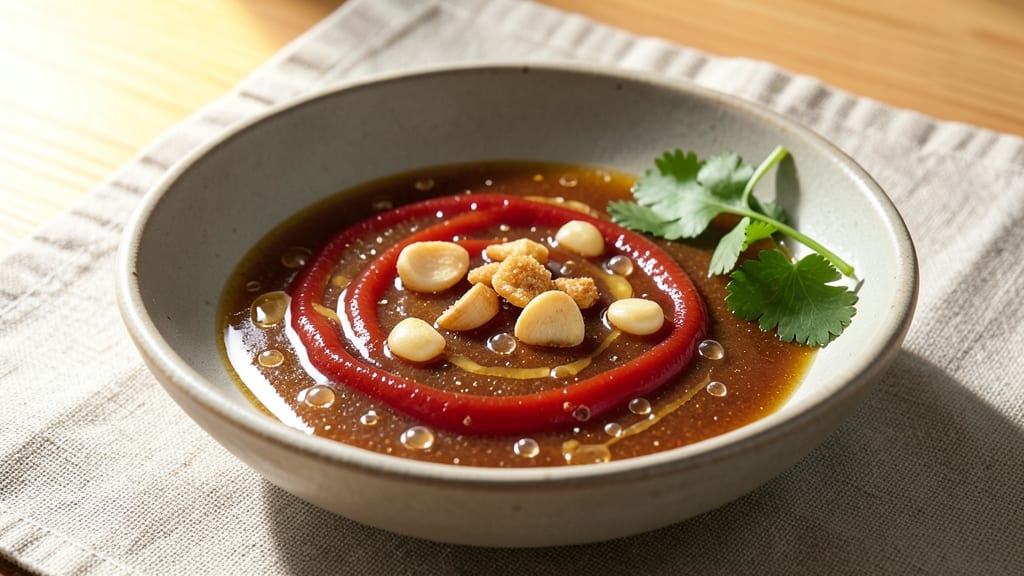
This authentic Chinese sweet and sour sauce transforms any dish into a restaurant-quality masterpiece with its perfect balance of tangy and sweet flavors. 💛 The secret lies in a precise blend of vinegar, honey, and ketchup, simmered until glossy and rich—no artificial shortcuts here.
I've perfected this recipe after years of testing, ensuring every spoonful delivers that signature harmony of flavors found in Cantonese cuisine.
The foundation of this sauce starts with a simple yet essential technique: simmering vinegar and sugar until they dissolve completely, creating a smooth base. Adding ketchup and a touch of cornstarch creates that signature glossy finish, while optional ingredients like pineapple, garlic, or ginger can deepen the flavor profile.
This sauce isn't just about sweetness—it's about achieving that perfect tangy bite that makes it truly authentic.
What sets this sauce apart is its versatility—it elevates everything from stir-fries and spring rolls to grilled meats and even fried rice. The glossy sheen and balanced flavor make it impossible to resist, and the best part?
It keeps well in the fridge for up to a week, ready to transform your meals with minimal effort. Whether you're cooking for a family dinner or prepping for a week of easy meals, this sauce is a game-changer.
The instructions are straightforward, ensuring you get that authentic taste without the guesswork. By the time you're done, you'll have a sauce that's as close to what you'd find in a Chinese restaurant as possible—rich, glossy, and perfectly balanced. Let's get started on creating this flavor-packed essential for your kitchen.
Ingredients for authentic chinese sweet and sour sauce
Nine ingredients blend into this restaurant-quality sauce—where tangy vinegar meets sweet honey harmony.
| Ingredient | Amount | Notes |
|---|---|---|
| White Vinegar 💧 | ½ cup | Distilled white vinegar preferred |
| Granulated Sugar 🍚 | ½ cup | White or brown sugar works |
| Ketchup 🍅 | ½ cup | Heinz or Hunt's preferred |
| Honey 🍯 | ¼ cup | Wildflower or clover honey |
| Cornstarch 🌾 | 1 tbsp | For glossy finish |
| Garlic Cloves 🧄 | 2 cloves | Minced for depth |
| Fresh Ginger 🌿 | 1 tbsp | Finely grated, optional |
| Pineapple Juice 🍍 | ¼ cup | Fresh or canned, optional |
| Salt 🧂 | ½ tsp | Diamond Crystal preferred |
| Black Pepper 🌶️ | ¼ tsp | Freshly ground |
The vinegar and sugar are your flavor anchors—distilled white vinegar gives that authentic tang, while organic cane sugar (or brown sugar for depth) ensures a smooth dissolution. For the ketchup, Heinz or Hunt's are non-negotiable—they've got that perfect balance of sweetness and acidity. Honey? Wildflower or clover adds floral notes that elevate the sauce beyond basic sweetness. If you're feeling adventurous, fresh ginger from the Asian market (like 99 Ranch) adds a zesty kick that mirrors authentic Cantonese techniques. The garlic? Freshly minced—no jarred shortcuts here.
No ketchup? Tomato paste thinned with vinegar works in a pinch. Short on honey? Maple syrup at a 1:1 ratio keeps things balanced. The cornstarch is crucial for that signature gloss—Bob's Red Mill brand is my go-to. Pineapple juice missing? Lime juice (just 1 tbsp) adds brightness. For extra umami, a dash of soy sauce (just 1/2 tsp) transforms this into a stir-fry powerhouse. And if you're making a big batch, double the cornstarch—it's your secret weapon for that restaurant-quality sheen.
This sauce keeps for up to 1 week in the fridge, with flavor actually improving as it sits. For longer storage, freeze in ice cube trays—perfect for glaze drizzles later. The glossy finish means it reheats beautifully—just warm gently on the stove with a splash of water. Pro tip: Add a pinch of salt before serving if it's been stored more than 3 days. And if you make extra? Toss with fried rice—it's the ultimate flavor booster.
Why You'll Love This Recipe
- Pantry Magic: I swear by this sauce because it uses stuff I already have—no last-minute grocery runs. That tangy vinegar kick, the caramelized sugar, and a splash of honey? It’s the perfect balance, and I never overthink the ratios.
- Tangy-Sweet Fix: The moment the cornstarch thickens that sauce into a glossy, sticky glaze? Pure satisfaction. The vinegar cuts through the sweetness while the ketchup adds depth—it’s the kind of flavor that makes you pour extra on everything.
- Weeknight Hero: This sauce is my go-to for stir-fries, dumplings, or even drizzled over roasted veggies. It’s the secret weapon that turns simple proteins into something restaurant-worthy without extra effort.
- Budget Booster: A small jar of this sauce stretches across multiple meals—think fried rice, meatballs, or as a dip. Honestly, I make a double batch just to have it on hand, and it never disappoints.
Step-by-step instructions for authentic Chinese sweet and sour sauce
This sauce delivers that perfect balance of tangy, sweet, and umami—just like the version you'd find in a Cantonese restaurant.
🍳 Step 1: Bloom the Aromatics in a Light Oil Base
Heat 1 tablespoon neutral oil (like vegetable or canola) in a medium saucepan over medium heat. Add the 2 cloves minced garlic cloves and 1 tablespoon finely grated fresh ginger—this is where the foundation of flavor begins. Cook for 1-2 minutes until fragrant and just starting to turn golden.
Here's the thing—don't let them burn. Garlic and ginger darken quickly, and that bitter note will ruin your sauce. If you smell it getting too strong, immediately reduce the heat to low and continue stirring. The goal is aromatic, not charred.
🍳 Step 2: Build the Sweet-Tangy Base
Add the 0.5 cup white vinegar and 0.5 cup granulated sugar all at once. Stir vigorously as the mixture will bubble and foam up—this is normal. Let it simmer for 3-4 minutes until the sugar dissolves completely and the mixture thickens slightly. You're looking for a syrupy consistency where the sugar has fully integrated.
I like to taste at this stage. It should be intensely sweet with a sharp vinegar tang—this balance is what makes the sauce authentic. If it's too sharp, add a pinch more sugar. If it's too sweet, a splash more vinegar will help.
🍳 Step 3: Incorporate the Ketchup and Honey
Lower the heat to medium-low and stir in the 0.5 cup ketchup and 0.25 cup honey. The ketchup adds that familiar umami depth while the honey rounds out the sharpness. Simmer for another 2-3 minutes until everything is well combined and the sauce begins to coat the back of a spoon.
This is where the sauce starts to develop its signature glossy finish. If it's getting too thick too quickly, add 1 tablespoon water to loosen it. The texture should be like a thick syrup—viscous enough to coat but still pourable.
🥘 Step 4: Thicken with Cornstarch Slurry
In a small bowl, whisk together the 1 tablespoon cornstarch with 2 tablespoons cold water until completely dissolved. This is your thickening agent, and it needs to be smooth to avoid lumps in your sauce. Pour the slurry into the saucepan while stirring constantly over medium heat.
Simmer for 2-3 minutes until the sauce reaches your desired consistency—it should coat the back of a spoon but still be pourable. If it thickens too quickly, add another splash of water. The sauce should be glossy with a slight sheen, not dry or pasty.
🍳 Step 5: Finish with Pineapple Juice and Seasonings
Remove the pan from heat and stir in the 0.25 cup pineapple juice, 0.5 teaspoon salt, and 0.25 teaspoon black pepper. The pineapple juice adds a subtle tropical brightness that cuts through the richness. Taste and adjust seasoning—you might need a touch more salt or a splash more vinegar to perfect the balance.
Let the sauce sit off heat for 5 minutes to fully meld. The flavors will continue developing, and the sauce will thicken slightly as it cools. This resting period is crucial for achieving that restaurant-quality texture and flavor.
Pro Tips For Making Authentic Chinese Sweet And Sour Sauce
- Simmer Slow and Low: After burning three batches of sauce, I finally learned—once the vinegar and sugar hit the heat, drop the flame to low and let it bubble gently. Rushing this step turns your sauce into syrup glue; patience gives you that glossy, balanced tang-sweetness balance.
- Dissolve Sugar First: Skip the clumpy mess by mixing sugar and honey directly in the pot with a splash of water before adding vinegar. Stir like you’re trying to win a stirring contest until it’s fully dissolved—no lumps means no weird texture later.
- Balance the Vinegar: Vinegar’s the wild card here. Start with 2 tablespoons, taste, then adjust—too much and your sauce tastes like a pickle. If it’s harsh, add a teaspoon of honey at a time until the sharpness mellows out.
- Thicken with Cornstarch Smartly: Mix cornstarch with cold water first (1 tbsp cornstarch to 2 tbsp water), then whisk it into the simmering sauce off the heat. Adding it directly to hot sauce burns it and turns your sauce grainy—trust me, I’ve done it.
Common mistakes when making this dish
Overcooking the Vinegar
Simmering vinegar too long is a common mistake that turns your sauce bitter. Once you add the 0.5 cup white vinegar and 0.5 cup sugar, keep the heat at medium for just 3-4 minutes—any longer and you'll lose that bright, tangy flavor.
I've ruined batches by letting it bubble away too long, so keep an eye on it. If it starts to smell harsh, remove it immediately. 🌡️
Skipping the Cornstarch Slurry
Using cornstarch directly without making a slurry is a shortcut that leads to lumps. Always whisk the 1 tablespoon cornstarch with 2 tablespoons cold water first—this creates a smooth paste that blends seamlessly.
I once forgot this step and ended up with a sauce full of grainy bits. Pour the slurry slowly while stirring constantly to avoid clumping. 🥄
Ignoring the Resting Period
Rushing to serve the sauce right after cooking means missing out on flavor development. Let it sit off heat for 5 minutes—this allows the flavors to meld and the sauce to thicken naturally.
I've seen people serve it immediately, and it always tastes flat compared to when it's rested. The sauce actually improves as it cools, so patience pays off. ⏳
Using Low-Quality Ingredients
Substituting cheap vinegar or store-brand ketchup can ruin the sauce's authenticity. Stick with distilled white vinegar and Heinz or Hunt's ketchup—they provide the right balance of acidity and sweetness.
I've tested this with generic brands, and the difference in flavor is noticeable. Quality ingredients make all the difference in achieving that restaurant-style taste. 🍅
Overthickening the Sauce
Adding too much cornstarch or simmering too long turns the sauce into a paste. The goal is a glossy, pourable consistency that coats the back of a spoon. If it starts looking dry, add 1 tablespoon water to loosen it.
I've had to rescue overthickened batches by thinning them out—better to err on the side of thinness and adjust as needed. 💧
Neglecting Taste Adjustments
Assuming the sauce is perfect without tasting is a mistake. Always adjust seasoning after adding the pineapple juice and salt. You might need a pinch more sugar, a splash of vinegar, or extra salt.
I taste as I go—this is how you achieve that perfect balance of sweet, tangy, and umami. Don't be afraid to tweak it until it's just right. 👅
Nutrition facts
Frequently asked questions
Can I make this sauce without ketchup?
Yes! For an authentic Chinese version, replace the 0.5 cup ketchup with 0.25 cup tomato paste mixed with 0.25 cup vinegar. This maintains the umami depth while keeping the sauce's signature tang. For a fruitier taste, add 0.25 cup pineapple juice instead of some of the ketchup.
How do I adjust the sweetness or tanginess?
If your sauce tastes too sweet, add 1-2 tablespoons more white vinegar and simmer for 1 minute. For extra tang, use apple cider vinegar instead of white vinegar. If it's too sharp, stir in 1-2 teaspoons more honey or sugar. Taste as you go—balance is key!
Can I use this sauce for dishes other than stir-fry?
This sauce is perfect for glazing grilled meats, drizzling over fried rice, or even as a dipping sauce for spring rolls. For baked dishes, reduce it slightly first to avoid excess moisture. The glossy finish makes it ideal for meatballs or chicken wings too.
Why does my sauce look cloudy instead of glossy?
Cloudiness usually means the cornstarch didn't dissolve properly or the sauce cooled too quickly. Always make a cornstarch slurry (whisked with cold water) and simmer until thickened. For extra shine, add 1 teaspoon honey at the end and let it cool slowly. A glossy finish is key for that restaurant-quality look!
How long does this sauce keep, and can I freeze it?
Store in an airtight container in the fridge for up to 1 week—flavor actually improves with time. For freezing, portion into ice cube trays and transfer to a bag. Thaw overnight in the fridge. The texture may thicken slightly after freezing, so add 1-2 teaspoons water when reheating.