
Sauces & Condiments
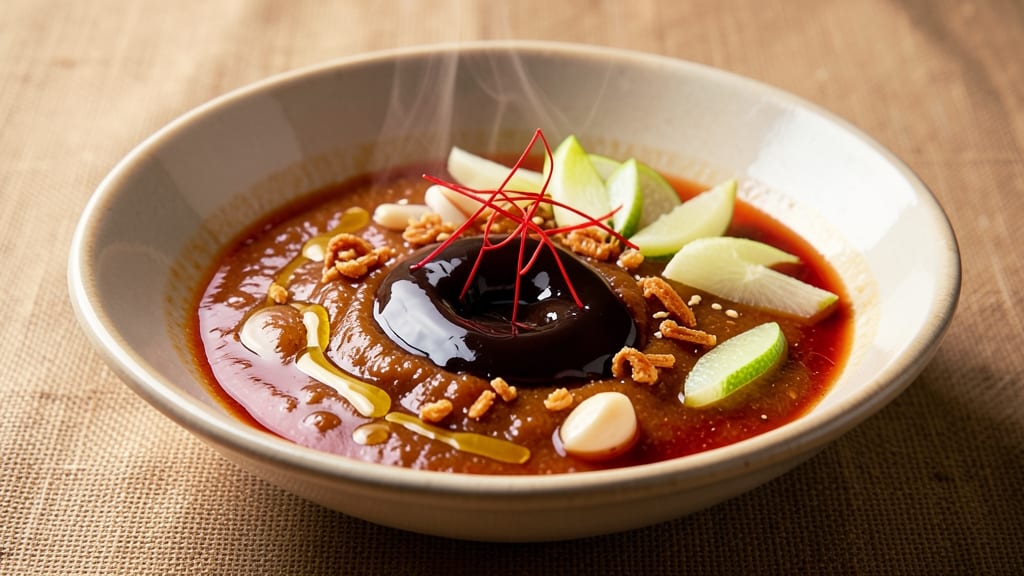
This Asian BBQ wing sauce recipe transforms ordinary wings into finger-licking masterpieces with its perfect balance of sweet, spicy, and umami. 🔥 I developed it after years of perfecting sauces for backyard cookouts—where the right glaze can turn a simple protein into a crowd-pleaser.
The secret lies in the harmony of sweet chili, soy, and aromatic garlic-ginger base, elevated by a crisp celery crown topping that adds texture and freshness.
The sauce starts with a simple foundation of soy, sweet chili, and honey, then builds complexity with garlic, ginger, and a touch of heat—whether from chili flakes or gochujang.
What makes this sauce special is its versatility: it works as a sticky glaze for wings, a dipping sauce for spring rolls, or even a marinade for tofu. The celery crown topping adds a satisfying crunch that cuts through the richness, making every bite exciting.
By the time you're done, you'll have a sauce that's restaurant-quality, with a glossy sheen, balanced sweetness, and just the right kick. The celery crown adds a refreshing contrast, ensuring no two bites are the same.
This isn't just another wing sauce—it's a game-changer for any dish that needs bold, Asian-inspired flavor.
Perfect for game day, takeout nights, or impressing guests, this sauce keeps well in the fridge for up to a week. Let's get cooking—your taste buds will thank you.
Ingredients for asian bbq wing sauce
Sweet, spicy, sticky, and topped with crunch—just these 10 ingredients make magic.
| Ingredient | Amount | Notes |
|---|---|---|
| Sweet Chili Sauce 🍅 | ½ cup | Store-bought or homemade |
| Soy Sauce 🥢 | ⅓ cup | Light or dark preferred |
| Honey 🍯 | ¼ cup | Wildflower for depth |
| Garlic Cloves 🧄 | 4 cloves | Minced for aromatic base |
| Fresh Ginger 🌿 | 2 tbsp | Grated, not powdered |
| Sesame Oil 🫒 | 1 tbsp | Toasted for nutty aroma |
| Rice Vinegar 🍶 | 1 tbsp | White or seasoned |
| Gochujang Paste 🌶️ | 1 tbsp | Korean fermented chili |
| Celery Stalks 🥬 | 2 whole | Thinly sliced, for crown |
| Sesame Seeds 🌰 | 1 tbsp | Toasted for garnish |
The sauce starts with sweet chili and soy sauce—I grab Lee Kum Kee sweet chili from the Asian aisle (it's sweeter than most) and Kikkoman soy sauce for that classic umami punch. Honey is where the sweetness shines, but don't use just any honey—wildflower or clover has more depth than that cheap grocery store kind. Fresh ginger and garlic are non-negotiable here; pre-minced garlic loses its punch fast. For the heat, gochujang adds that fermented kick that store-bought sauces miss. Pro tip: toast your sesame seeds in a dry pan for 30 seconds—they'll smell amazing and add way more flavor.
No sweet chili sauce? Mix 1 tbsp tomato paste + 1 tbsp brown sugar + 1 tsp chili flakes for a quick sub. Running low on gochujang? Red pepper flakes or sriracha work in a pinch, but you'll lose that funky depth. The celery crown is where texture meets flavor—use crisp stalks (the green tops are great too) and slice them thin so they crisp up in the oven. No sesame oil? Avocado oil works, but it won't have that nutty aroma. For extra richness, add 1 tsp of miso paste to the sauce base—trust me, it takes it to the next level.
This sauce keeps for up to 1 week in the fridge, and it actually tastes better the next day as flavors meld. Double the batch—it's perfect for dipping spring rolls or tossing with tofu. For the celery crown, toss the slices with 1 tsp olive oil, pinch of salt, and 1/2 tsp smoked paprika before baking at 400°F for 8-10 minutes. Store the sauce in a jar with a tight lid, and the celery crown in an airtight container. Freezes beautifully for 3 months if you want to prep ahead for game day.
Why You'll Love This Recipe
- No Pantry Overhaul Needed: I swear by this sauce because it uses stuff I already have—sweet chili sauce, soy sauce, and honey—plus a couple fresh ingredients. No specialty jars or weird ingredients; just real, simple flavors that actually work together.
- Sweet-Savory Magic: That honey and soy combo? It’s the secret weapon here. The sweet chili sauce gives it a tangy kick, while the garlic and ginger add warmth—like a hug for your taste buds. (Yes, even on a Tuesday night.)
- Game for Any Occasion: Slather it on wings for game day, toss it with tofu for a quick weeknight dinner, or drizzle it over rice bowls. It’s my go-to when I need something fast but still feels special—no fuss, just flavor.
- Doubles as Leftovers Gold: Make a big batch and keep it in the fridge for up to a week. It’s perfect for last-minute takeout nights or when I’m too tired to cook. Honestly, I’ve even used it as a marinade for shrimp—works every time.
Step-by-step instructions for Asian BBQ wings sauce
This sauce delivers perfect balance—sweet, spicy, and umami-rich with a crispy celery crown topping.
🍳 Step 1: Toast the Aromatics for Deep Flavor
Heat a small skillet over medium heat and add the 1 tbsp sesame oil. Once shimmering, add the 4 cloves minced garlic cloves and 2 tbsp grated fresh ginger. Cook for 30-45 seconds until fragrant but not browned—you should smell that bright, zesty aroma. This quick toasting unlocks their full flavor without bitterness.
Remove from heat immediately and transfer to a small bowl. Let them cool for 2 minutes while you prepare the remaining ingredients. The residual heat will continue developing those aromas, so don't rush this step. I always let them cool slightly before mixing to prevent overheating the sauce later.
🥘 Step 2: Combine Wet Ingredients for Perfect Balance
In a medium saucepan, whisk together the 0.5 cup sweet chili sauce, 0.33 cup soy sauce, 0.25 cup honey, and 1 tbsp rice vinegar over low heat. Add the toasted garlic-ginger mixture and the 1 tbsp gochujang paste, stirring constantly to dissolve the honey completely.
Simmer for 5-7 minutes until the sauce thickens slightly and coats the back of a spoon. You're looking for a glossy, syrupy consistency—not too thin, but not gluey either. If it reduces too quickly, add 1 teaspoon water at a time to adjust. The sauce should smell complex—sweet, tangy, and with a subtle fermented heat from the gochujang.
🔪 Step 3: Prepare the Celery Crown Topping
While the sauce simmers, thinly slice the 2 whole celery stalks on a diagonal into ¼-inch thick pieces. You want long, paper-thin strips that will crisp beautifully. Spread them on a baking sheet lined with parchment paper and toss lightly with ½ tbsp sesame oil (reserve the remaining ½ tbsp for later).
Broil for 2-3 minutes until the edges turn golden brown and crisp. Watch closely—the celery burns fast! Remove from the oven and immediately sprinkle with the remaining ½ tbsp sesame oil and the 1 tbsp toasted sesame seeds, tossing gently to coat. These crispy celery crowns add crunch and freshness that cuts through the rich sauce.
⏰ Step 4: Finish and Assemble
Once the sauce reaches your desired consistency, remove it from heat and let it cool for 5 minutes. This resting period allows the flavors to meld completely. Taste and adjust seasoning—add a pinch more soy sauce for saltiness, honey for sweetness, or gochujang for heat.
For serving, drizzle the warm sauce over your wings and immediately top with the crispy celery crowns. The contrast of warm, sticky wings with cool, crunchy celery is what makes this sauce special. Serve immediately while the celery is still crisp and the sauce is glossy—this isn't a sauce that waits!
Pro Tips For Making Asian Bbq Wing Sauce
- Simmer Low and Slow: This sauce isn’t a race—after adding garlic and ginger, keep the heat just above a simmer (think tiny bubbles, not rolling). I used to blast it and ended up with bitter, raw garlic. A gentle simmer lets the flavors meld without turning the honey into syrup too fast.
- Peel Ginger Properly: Skip the grating if you’re lazy, but do peel the ginger first—thick skin adds bitterness. Use a spoon to scoop out the flesh in long strips, then chop finely. No food processor? A microplane works, but your sauce will be smoother if you hand-chop it small enough to dissolve.
- Balance Sweet and Salty: Taste as you go, but don’t chase sweetness with more honey—adjust with soy sauce instead. The sauce should taste complex, not candy-like. I’ve ruined batches by dumping in extra honey to "fix" a bland mix; the fix is always more umami (soy, a dash of vinegar, or even a pinch of MSG).
- Use Minced Garlic: Whole cloves? Crush them first with the flat side of your knife—this releases more flavor without burning. Or better yet, mince them finely so they disappear into the sauce. I learned this after my sauce had visible garlic chunks that didn’t soften, no matter how long I simmered.
Troubleshooting this dish
Sauce Too Thin?
If your sauce isn't thickening enough during simmering, don't panic—just add 1 teaspoon cornstarch mixed with 1 tablespoon water to create a slurry. Stir it in and simmer for another 2-3 minutes until it reaches that perfect glossy consistency.
I've found that simmering too aggressively can cause the sauce to thin out, so keep the heat at low-medium and stir constantly. 🔥
Gochujang Overpowering?
When the fermented heat of gochujang feels too intense, balance it by adding ½ teaspoon honey or a splash of rice vinegar to mellow the flavor. If you're still concerned, reduce the gochujang to ½ tablespoon next time and add ¼ teaspoon red pepper flakes for heat instead.
The key is to taste as you go—this sauce is all about finding that perfect harmony.
Celery Not Crispy?
For perfectly crisp celery crowns,
Sauce Too Sweet?
If your sauce tastes overly sweet, balance it with ½ teaspoon soy sauce or a dash of rice vinegar to add acidity. For a more complex flavor, add ½ teaspoon grated fresh ginger or 1 teaspoon toasted sesame oil to deepen the umami profile. Remember, the flavors meld better when the sauce cools, so taste it again after 10 minutes of resting.
Grainy Texture?
A grainy texture usually means the honey didn't dissolve properly. To fix this, whisk the sauce vigorously over low heat for 2-3 minutes, adding 1 teaspoon water at a time until smooth. If the issue persists, strain the sauce through a fine-mesh sieve to remove any undissolved particles. For next time,
Storage Issues?
If your sauce separates or develops mold after refrigerating, it's likely due to moisture exposure. Always store it in an airtight container and press plastic wrap directly on the surface to prevent oxidation. For reheating, warm the sauce gently on the stovetop or microwave in 30-second intervals, stirring between each, until it reaches 165°F. Never reheat more than once to maintain quality. ❄️
Nutrition facts
Frequently asked questions
Can I make this sauce without gochujang?
Replace the 1 tbsp gochujang with ½ tbsp sriracha or ¼ tsp red pepper flakes for heat, plus ½ tsp soy sauce to maintain umami depth. For a milder version, omit it entirely and add ½ tsp extra honey to balance. The sauce will still be delicious—just with a different flavor profile.
How long will the sauce keep in the fridge?
The sauce stays fresh for up to 1 week when stored in an airtight container. The celery crowns will last 3-4 days if kept separately in a sealed container. For longer storage, freeze the sauce (without celery) for 3 months
What's the best way to use leftover sauce?
This versatile sauce works on wings, tofu, spring rolls, or even grilled meats. Try it as a dipping sauce for dumplings or a marinade for 15-30 minutes before cooking. For extra richness, stir in 1 tsp miso paste or ½ tsp toasted sesame oil when reheating. The celery crowns also pair perfectly with fried rice or noodle dishes.
Why is my sauce too thin?
Sauce thinning usually happens from over-simmering or insufficient thickening. Fix it by mixing 1 tsp cornstarch with 1 tbsp water, stirring into the warm sauce, and simmering 2 more minutes. For prevention, keep heat at low-medium and stir constantly. If it's still too thin, reduce by ½ cup on the stovetop to concentrate flavors.
Can I make this sauce spicier?
For extra heat, add ½ tsp extra gochujang or ¼ tsp cayenne pepper to the base. For smoky heat, stir in ½ tsp smoked paprika with the celery crowns before baking. Always taste as you go—you can adjust heat more easily than you can remove it! For a balanced kick, add ½ tsp extra honey to mellow the burn.