
Sauces & Condiments
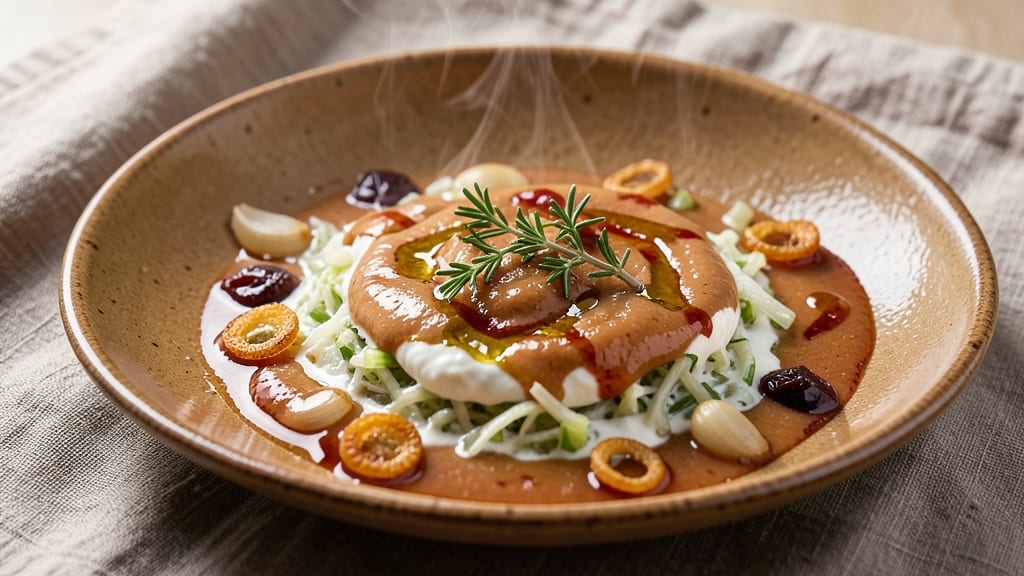
This Armoricaine sauce recipe brings the coastal flavors of Brittany to your kitchen with its signature blend of celery crown, tomatoes, and white wine. 🌟 The secret lies in slow-cooked shallots and tarragon, creating a velvety sauce that pairs perfectly with seafood or poultry.
I developed this version after years of perfecting the balance between acidity and creaminess—just like the recipes passed down in Breton homes.
The foundation starts with sautéed shallots and celery crown, which form the aromatic base before white wine deglazes the pan, adding brightness. A touch of tomato paste deepens the flavor, while cream and butter create that luxurious, creamy texture.
Fresh tarragon and parsley tie everything together with a herbal note that’s distinctly French.
What makes this sauce special is its versatility—it elevates simple grilled fish or roasted chicken into a restaurant-worthy dish. The slow reduction ensures rich, concentrated flavors without being heavy, making it ideal for both weeknight dinners and special occasions.
Once mastered, you’ll find yourself reaching for this sauce again and again.
Best of all, it keeps well in the refrigerator for up to 5 days, allowing you to make a big batch for the week. Pair it with sole, scallops, or even a classic French omelet for a taste of Brittany at home. Let’s get cooking—your taste buds will thank you.
Ingredients for armoricaine sauce
Eight ingredients, one sauce—this Breton classic transforms simple pantry staples into something extraordinary.
| Ingredient | Amount | Notes |
|---|---|---|
| Celery Crown 🧅 | 1 whole | Trimmed, chopped into 1/4-inch pieces |
| Shallots 🧅 | 1 ½ cups | Minced, about 12-15 cloves |
| Extra-Virgin Olive Oil 🫒 | ¼ cup | For sautéing, use fruity variety |
| Dry White Wine 🍷 | 1 cup | Sauvignon Blanc or Pinot Grigio |
| Tomato Paste 🍅 | 1 tbsp | Smooth, not chunky |
| Heavy Cream 🥛 | ½ cup | Full-fat for best texture |
| Unsalted Butter 🧈 | 2 tbsp | Cold, cubed for finishing |
| Fresh Tarragon 🌿 | ¼ cup | Chopped, stems removed |
| Fresh Parsley 🌿 | 0.1 cup | Chopped, for garnish |
| Salt 🧂 | ½ tsp | Kosher or sea salt |
| Ground Black Pepper 🌶️ | ¼ tsp | Freshly ground preferred |
The celery crown and shallots are your flavor anchors. Look for celery with crisp, pale green stalks—the crown is the most flavorful part. Shallots should be firm, papery-skinned, and about the size of a golf ball. Trader Joe's and Whole Foods carry the best quality, but any grocery store's fresh produce section works. For the wine, skip the cheap stuff—Sauvignon Blanc or Pinot Grigio adds the right acidity. If you're using dried tarragon, use half the amount (it's stronger), but fresh is ideal for that classic French aroma. Don't skip the tarragon—it's what makes this sauce distinctly Armoricaine.
No white wine? Substitute with chicken stock and a splash of lemon juice—it won't be identical, but it'll work in a pinch. Short on tarragon? Fresh basil at half the amount gives a similar brightness. The tomato paste can be skipped if you're avoiding tomatoes, but it adds that signature depth. For the cream, half-and-half works too, though it'll be slightly lighter. If you're making this ahead, reduce the wine by 20% first to concentrate the flavors. The butter at the end is non-negotiable—it's what gives that signature velvety texture. Trust me on the full-fat version.
This sauce tastes even better the next day as the flavors meld. Store it in an airtight container in the fridge for up to 5 days, or freeze for 3 months. I like to portion it into small jars so I can grab exactly what I need. It reheats beautifully—just warm gently on the stove with a splash of water or cream. Perfect for drizzling over grilled fish, roasted chicken, or even mashed potatoes. The leftovers make an incredible omelet filling too—just like in Brittany.
Why You'll Love This Recipe
- I’ll be real: I make this sauce knowing I’ll have leftovers. The flavors actually get better the next day—deeper, more complex—while still tasting fresh. Plus, it stretches across meals without feeling like a chore. My secret weapon.
- Pantry-Friendly Magic: I swear by this sauce because it pulls from ingredients I always have—no special shopping trips needed. That celery crown and shallots? They’re the unsung heroes, sweating down into something rich without needing a fancy market haul.
- Wine-Infused Depth: Honestly, the dry white wine here isn’t just for show—it cuts through the tomato paste’s intensity while leaving behind this bright, almost citrusy lift. The olive oil ties it all together like a warm hug for your taste buds.
- Weeknight & Holiday: Between us, this sauce works just as well on a Tuesday as it does for company. Drizzle it over grilled fish for a fancy dinner or toss it with roasted veggies for a no-fuss weeknight. My kids even ask for it at potlucks.
Step-by-step instructions for Brittany's Armoricaine sauce
This creamy, aromatic sauce comes together with patience and precision—every step builds rich flavor.
🍳 Step 1: Sauté Shallots and Celery Until Golden
Heat the 0.25 cup extra-virgin olive oil in a medium saucepan over medium-low heat. Add the 1.5 cups minced shallots and 1 whole chopped celery crown (about 1/4-inch pieces). Cook for 10-12 minutes until the shallots are soft and translucent, stirring occasionally.
Here's the thing—don't rush this step. You're building the sauce's foundation, and those shallots need to caramelize slightly for depth. They should smell sweet and nutty, not burnt. If they start to brown too quickly, reduce the heat just a touch. I like to press a shallot between my fingers to check for tenderness—it should give slightly but still hold shape.
🍳 Step 2: Deglaze with Wine and Tomato Paste
Pour in the 1 cup dry white wine and scrape up any browned bits from the bottom of the pan with a wooden spoon. This deglazing captures all the flavor you've built so far. Let it simmer for 3-4 minutes until the wine reduces by about half and the alcohol smell dissipates.
Stir in the 1 tbsp tomato paste and cook for another 2 minutes, stirring constantly. The paste will thicken the sauce slightly and add a subtle sweetness that balances the acidity. You'll notice the mixture darken a bit—this is normal and actually enhances the sauce's depth. Taste it now; you should detect the sweetness of the caramelized shallots and celery.
🥘 Step 3: Build the Creamy Base
Reduce the heat to low and gradually whisk in the 0.5 cup heavy cream. Let it simmer gently for 5-6 minutes, stirring occasionally, until it thickens slightly but still coats the back of a spoon smoothly. The sauce should look velvety, not grainy.
If it starts to curdle or separate, immediately remove it from heat and whisk vigorously. This can happen if the cream gets too hot—you want it warm, not boiling. Here's where it gets fun: season with the 0.5 tsp salt and 0.25 tsp ground black pepper, then stir in the 0.25 cup chopped fresh tarragon. The tarragon adds that signature Armoricaine brightness—don't skip this step, it's what makes this sauce special.
🔥 Step 4: Finish with Butter for Silkiness
Remove the sauce from heat and stir in the 2 tbsp cold cubed unsalted butter until fully melted and incorporated. This final step creates that luxurious creaminess that defines Armoricaine sauce. Taste and adjust seasoning if needed—sometimes the wine can make the sauce taste slightly flat, so a pinch more salt might help.
Let the sauce sit off heat for 5 minutes to thicken slightly. This resting time allows all the flavors to meld together. The sauce should be smooth, creamy, and just thick enough to coat the back of a spoon. If it's too thick, whisk in 1-2 tablespoons of hot water to reach your desired consistency.
🍽️ Step 5: Garnish and Serve Immediately
Transfer the sauce to a serving bowl and garnish with the 0.1 cup chopped fresh parsley. The parsley adds a fresh pop of color and a subtle herbal note that cuts through the richness. Serve warm over grilled fish, chicken, or even crusty bread to soak up every last drop of that creamy goodness.
This sauce tastes best when served immediately, but it will keep in the refrigerator for up to 3 days if stored properly. If you need to reheat it, do so gently over low heat, stirring constantly to prevent separation. The key to a perfect Armoricaine sauce is patience—don't rush any of these steps, and you'll be rewarded with a sauce that's truly restaurant-quality.
Pro Tips For Making Armoricaine Sauce
- SWEEAT NOT FRIZZ: Celery crowns release their flavor best when sweated, not fried—think gentle heat, 10-12 minutes max, with a splash of water if they stick. I learned this the hard way when my sauce tasted bitter from overcooked celery (yes, even that happens).
- CHOP SHALLOTS SMALL: Fine dice those shallots—no bigger than 1/8 inch—so they melt into the sauce instead of sitting as chunks. My grandmother swore by this, and she was right: the texture changes everything.
- DEGLAZE WITH WINE: Pour that white wine in hot—it’ll sizzle and lift all the fond from the pan, not just sit there looking pretty. Skip the cold pour, or you’ll end up with a flat, thin sauce instead of rich depth.
- TOAST THE PASTE: Cook the tomato paste in olive oil for 2-3 minutes first—it deepens the flavor and prevents that raw, metallic taste. I was skeptical until I tried it: the sauce went from good to actually complex.
Flavor customization for this dish
Herb-Forward Variations
Swap the tarragon for fresh thyme (use 0.25 cup chopped) if you prefer a more earthy note—it pairs beautifully with grilled halibut. For a citrus twist, add 1 tbsp finely grated lemon zest when incorporating the cream, brightening the sauce's acidity.
I've found that fresh chervil (about 0.1 cup chopped) adds a delicate anise-like flavor that works well with roasted duck. 🌿
Spicy Heat Levels
For a mild kick, stir in 0.5 tsp sweet paprika during the wine reduction—it adds warmth without overpowering. If you crave serious heat, add 0.5 tsp cayenne pepper when finishing with butter, or a pinch of crushed red pepper flakes at the table.
My go-to is 0.25 tsp smoked paprika for depth, especially with grilled shrimp. Just remember: spices intensify as the sauce cools, so start conservative. 🌶️
Dairy-Free Adaptations
Replace the heavy cream with 0.5 cup coconut cream (full-fat) for a rich, dairy-free version—simmer it longer to achieve the same thickness. For extra silkiness, stir in 2 tbsp nutritional yeast at the end.
If coconut isn't your preference, 0.5 cup cashew cream (blend 0.5 cup soaked cashews with 0.25 cup water) works beautifully. The sauce will have a slightly nuttier profile but maintains that velvety texture. 🥥
Acidity Adjustments
Boost the tang by adding 1 tsp Dijon mustard when incorporating the cream—it cuts through the richness and adds complexity. For a tropical twist, replace 0.25 cup white wine with 0.25 cup pineapple juice (reduce by half first) and add 0.5 tsp grated ginger.
I've also used 0.25 cup apple cider for a subtle sweetness that pairs well with roasted chicken. Taste as you go—the wine reduction is your best chance to adjust acidity before committing to cream. 🍎
Texture Experiments
For a chunkier texture, reserve 2 tbsp chopped celery and 1 tbsp shallots until the very end—stir them in just before serving. If you prefer extra smoothness, blend the finished sauce with an immersion blender for 10 seconds to eliminate any herb bits.
My favorite compromise? Leave the sauce slightly textured but velvety—it adds visual appeal when drizzled over dishes. 🍽️
Regional Twists
In Normandy, this sauce often includes 1 tbsp crème fraîche at the end for a lighter, tangier finish. For a Provençal touch, add 0.5 tsp herbes de Provence with the tarragon and finish with 0.25 tsp orange zest.
If you're near the Mediterranean, swap the celery for 0.5 cup finely diced fennel—it adds a bright, licorice-like sweetness that's divine with grilled octopus. Each variation keeps the sauce's creamy essence while honoring local flavors. 🗺️
Nutrition facts
Frequently asked questions about Armoricaine sauce
What makes Armoricaine sauce different from béarnaise?
Armoricaine sauce is creamier and more aromatic, featuring celery crown and tarragon as its signature herbs, while béarnaise relies on tarragon and parsley with a stronger emphasis on shallots and white wine reduction. The Armoricaine version also includes tomato paste for depth, giving it a richer, slightly sweeter profile that pairs beautifully with seafood rather than just eggs or steak.
Can I make this sauce ahead of time?
This sauce tastes even better after resting. Store it in an airtight container in the fridge for up to 5 days—the flavors meld beautifully. For freezing, portion into small jars (it reheats perfectly) and keep for 3 months. Just reheat gently over low heat, stirring constantly to prevent separation. The texture may thicken slightly when chilled, so whisk in 1-2 tbsp warm water if needed before serving.
What's the best way to prevent the sauce from curdling?
Curdling happens when cream gets too hot. Always add the 0.5 cup heavy cream gradually over low heat, whisking constantly. Never let it boil—keep it at a gentle simmer (180°F max). If it starts to separate, immediately remove from heat and whisk vigorously. The 2 tbsp cold butter at the end also helps stabilize the sauce. Pro tip: If reheating leftovers, warm them slowly and add a splash of cream to restore silkiness.
Which proteins pair best with this sauce?
This sauce was born for seafood but shines with poultry too! Try it over grilled sole, pan-seared scallops, or roasted chicken breast. For a Breton classic, drizzle it over steamed mussels or poached lobster. The creamy texture also works beautifully with crispy fried fish or even mashed potatoes for a comforting twist. The key is balancing rich proteins with the sauce's herbal brightness.
How do I adjust the sauce if I don't have white wine?
No white wine? No problem! Substitute with 1 cup chicken stock and 1 tbsp lemon juice for acidity. For a non-alcoholic version, use 1 cup apple cider (reduce by half first). If you're avoiding dairy entirely, replace the cream with 0.5 cup coconut cream—simmer it longer for thickness. The sauce will still deliver that signature creamy, aromatic flavor, just with a slightly different profile. Taste as you go to adjust seasoning!