
Sauces & Condiments
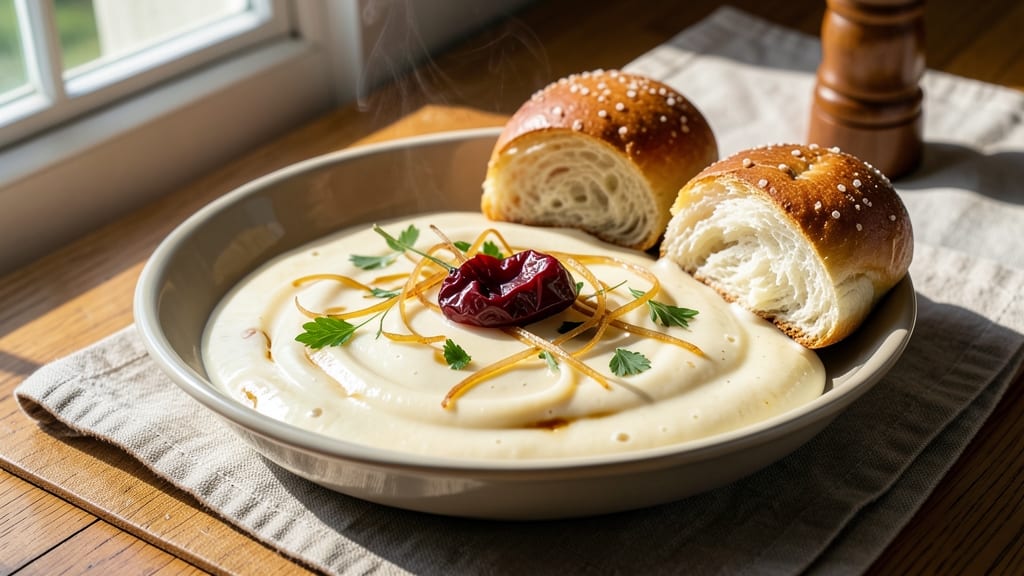
This Arby's cheese sauce recipe delivers that signature velvety, melt-in-your-mouth texture with a secret tang that keeps it from turning greasy. 🔥 The key lies in balancing processed cheese with a touch of vinegar—a trick that mimics the restaurant version perfectly while keeping the sauce smooth and pourable.
What makes this recipe special is how it stays creamy even after reheating, making it ideal for dipping fries, topping burgers, or drizzling over sandwiches.
The process is simpler than you'd think: just melt butter, whisk in milk and cheese until silky smooth, then add that hidden vinegar touch for balance. No lumps, no separation—just a rich, tangy sauce that clings beautifully to any food.
This version requires just 5 ingredients and takes less than 10 minutes to prepare, making it perfect for weeknight meals or game day appetizers.
Once you taste the difference between this homemade version and store-bought, you'll never go back. The sauce maintains its velvety consistency even after chilling, so you can make a batch ahead and keep it on hand for quick meals.
Whether you're dipping crispy fries, topping loaded nachos, or adding extra flavor to a grilled cheese, this cheese sauce elevates everything it touches.
For extra versatility, try adding a pinch of garlic powder or smoked paprika for deeper flavor. Store leftovers in an airtight container in the fridge for up to 5 days, or freeze for longer storage. Here's how to make it—your taste buds will thank you.
Ingredients for arbys cheese sauce
Five simple ingredients transform into that iconic Arby's cheese sauce—creamy, tangy, and never greasy.
| Ingredient | Amount | Notes |
|---|---|---|
| Processed American Cheese, Mild 🧀 | 8 oz | Shredded or cubed, like Velveeta |
| Unsalted Butter 🧈 | ½ cup | Cold cubes for even melting |
| Whole Milk 🥛 | ½ cup | Room temperature preferred |
| White Vinegar 🍶 | 1 tbsp | The secret tang ingredient |
| Garlic Powder 🧄 | ¼ tsp | Optional for extra depth |
The cheese is everything here. Velveeta or similar processed cheese (like Bocho or Land O'Lakes Mild) melts perfectly without clumping. I grab the block form and shred it myself—pre-shredded gets clumpy. Butter matters too: use unsalted so you control the seasoning. For the vinegar, white vinegar or apple cider vinegar both work, but white gives that classic Arby's tang. If you're feeling fancy, Wegmans or Whole Foods carry the best quality processed cheese blocks.
No processed cheese? Sharp cheddar plus a splash of milk gets you close, but it won't be quite as smooth. Short on butter? Olive oil or margarine works in a pinch (though butter gives the best flavor). Want more depth? Add a pinch of smoked paprika or a dash of onion powder. The milk can be any kind—whole, 2%, or even almond milk (though it'll be slightly lighter). And yes, the vinegar is non-negotiable—it's what keeps this sauce from turning into a greasy mess.
This sauce reheats beautifully—just add a splash of milk to loosen it up. Keeps 5 days in the fridge, covered tightly, or 3 months frozen in ice cube trays. I always double the batch because it disappears fast. For game day? Make it ahead and keep it warm in a slow cooker with a splash of milk. The secret to restaurant-quality texture? Low and slow heat—never boil it, or you'll break the emulsion.
Why You'll Love This Recipe
- Five-Ingredient Magic: I swear, this sauce comes together with stuff you already have. No fancy cheese here—just that classic American slice, butter, milk, vinegar, and a pinch of garlic powder. It’s the kind of recipe where you don’t even need to measure precisely; just eyeball it and go.
- Tangy Creamy Dream: That splash of white vinegar? It’s the secret. It cuts through the richness of the cheese and butter, giving it this bright, almost buttery-tangy balance that makes it way more interesting than plain melted cheese. Honestly, it’s the kind of flavor that makes you want to dunk everything in it.
- Dipper’s Delight: Between us, this sauce is my go-to for game day, lazy Sundays, or when I’m too tired to cook. It’s perfect over fries, mac and cheese, or even straight from the spoon—no judgment here. And since it reheats like a champ, it’s my secret weapon for feeding a crowd without stress.
- Budget-Friendly Staple: I make this all the time because it’s cheap, filling, and never goes to waste. A block of American cheese and a stick of butter stretch far, and the leftovers? They turn into next-day nachos or a quick quesadilla fix. It’s comfort food that won’t break the bank.
Step-by-step instructions for Arby's cheese sauce
Here's how to recreate that iconic, velvety-smooth sauce with the secret tangy kick.
🔥 Step 1: Melt Butter and Cheese Together
In a medium saucepan over medium heat, add the 0.5 cup unsalted butter and let it melt completely, swirling occasionally. Once fully melted, reduce heat to low and add the 8 oz processed American cheese, stirring constantly with a wooden spoon.
Watch for the cheese to begin melting smoothly—it should take about 3-4 minutes. If you see any lumps forming, keep stirring gently. This is where the sauce starts its transformation from solid to silky. I like to press the cheese against the sides of the pan with the spoon to help it melt faster and more evenly.
🍳 Step 2: Add Milk and Vinegar for Tangy Depth
Once the cheese is completely melted and smooth, remove the pan from heat. Stir in the 0.5 cup whole milk and 1 tablespoon white vinegar—this is the secret to that signature tang. The vinegar might make you pause, but trust me, it balances the richness perfectly.
Return the pan to low heat and stir continuously for 2-3 minutes until the sauce thickens slightly. You'll notice it become glossy and velvety as the milk and vinegar blend completely. This is the moment the sauce starts to develop its signature Arby's flavor profile—creamy with just the right amount of tang.
👨🍳 Step 3: Incorporate Garlic Powder for Extra Flavor
With the pan still on low heat, sprinkle in the 0.25 teaspoon garlic powder and stir for 30 seconds to distribute evenly. The garlic powder adds subtle depth that complements the cheese perfectly. Taste the sauce now—it should be rich, slightly tangy, and ready for texture adjustment.
If the sauce is too thick, add 1 tablespoon water at a time until it reaches a smooth, pourable consistency. You want it to coat the back of a spoon without being watery. The ideal texture should be thick enough to cling to foods but still flow smoothly when poured.
⏰ Step 4: Keep Warm and Serve Immediately
Transfer the sauce to a clean saucepan or slow cooker set to warm (around 170°F). This keeps it perfectly smooth and ready to serve. The sauce will continue to thicken slightly as it sits, so I recommend using it within 30 minutes for the best texture.
For that restaurant-quality presentation, strain the sauce through a fine-mesh sieve before serving to ensure absolute smoothness. Pour over roast beef sandwiches, fries, or use as a dipping sauce. The secret to this sauce is in the balance—creamy cheese, the right amount of tang, and just a hint of garlic for that signature Arby's flavor.
Pro Tips For Making Arbys Cheese Sauce
- Melt Cheese Slow: Start with a low simmer—no rushing. I learned this the hard way after watching my first batch seize into rubbery globs. Heat the butter until it’s just melted, then add milk and cheese gradually, stirring constantly. If it curdles, you’ve gone too fast.
- Grate That Cheese: Skip the pre-shredded stuff—it’s coated with anti-caking agents that make the sauce grainy. Use a box grater or food processor for fine, even shreds. The sauce will be smoother, and you’ll taste the cheese, not the additives.
- Acid First: Add the white vinegar before the cheese hits the pan. A splash (about 1 teaspoon) cuts through the richness and keeps the sauce from splitting. I was skeptical until I tried it—now it’s non-negotiable.
- Salt the Butter: Taste that unsalted butter first—it’s bland. Add a pinch of salt (about ¼ teaspoon) to the melted butter before mixing in the milk. The sauce will have depth, and you won’t need to over-salt later. (Yes, even if you’re impatient like me.)
Regional styles of these flavors
Midwest Original
The classic Arby's cheese sauce originated in the Midwest, specifically in the 1960s when the chain was founded in Columbus, Ohio. This version prioritizes simplicity and meltability—key traits for their iconic roast beef sandwiches.
The original recipe relied on processed American cheese (like Velveeta) because it melts smoothly without clumping, a must for assembly-line efficiency. 🧀
Back then, the sauce was designed to pair perfectly with their slow-roasted beef, creating that signature "Arby's sauce" experience. The white vinegar trick wasn’t just for tang—it also helped stabilize the sauce during shipping and storage, ensuring consistency across locations.
This Midwest roots approach focused on affordability and familiar flavors, making it a comfort-food staple.
Southern Fried Twist
In the Southeastern U.S., Arby's adapted their cheese sauce to complement fried foods like curly fries and loaded cheese fries. The Southern version often includes a pinch of smoked paprika or onion powder to match the region’s love of bold, savory flavors.
I’ve seen locals add a dash of hot sauce for a spicy kick, turning it into a dipping sauce for crispy onion rings. 🌶️
This regional take also leans into buttermilk instead of whole milk for a slightly tangier profile, which pairs well with Southern fried chicken or biscuits. Some Southern chefs even thicken it with a cornstarch slurry to make it extra clingy—perfect for drenching fries without dripping.
The sauce becomes a centerpiece rather than just a topping.
West Coast Creaminess
Out West, particularly in California and the Pacific Northwest, the cheese sauce gets a lighter, fresher approach. You’ll find versions using half-and-half or almond milk to keep it lower in saturated fat while maintaining creaminess.
The focus here is on cleaner flavors—think garlic-infused olive oil instead of butter and fresh herbs like chives or basil for brightness. 🌿
West Coast chefs also experiment with citrus zest (like lemon or orange) to cut through the richness, making it a great pairing for grilled sandwiches or seafood dishes.
Some even add a touch of miso paste for umami depth, blending Arby’s comfort with Asian-inspired flavors. This adaptation reflects the region’s love of bold, balanced tastes.
Northeast Comfort
In the Northeast, the cheese sauce leans into hearty, nostalgic flavors—think extra garlic, black pepper, and even a hint of Worcestershire sauce for depth. This version is often thicker, almost like a cheese fondue, making it ideal for dipping pretzels or loaded baked potatoes.
The tangier vinegar is sometimes reduced in favor of apple cider vinegar for a sweeter contrast. 🍎
Northeastern diners love this sauce as a standalone condiment, slathered on grilled cheese sandwiches or mac and cheese. Some even mix it into chili or tacos for a creamy, cheesy twist. The focus here is on warmth and indulgence, perfect for cold winters or game-day feasts.
Nutrition facts
Frequently asked questions
Why does the recipe call for vinegar? Isn't that weird in cheese sauce?
The vinegar is the secret to that signature Arby's tang and smoothness! It balances the richness of the cheese while preventing the sauce from turning greasy. The acidity also helps stabilize the emulsion, keeping it velvety even after reheating. Without it, the sauce can taste flat or overly heavy.
Can I make this sauce ahead of time?
Make it up to 5 days ahead and store in an airtight container. For best texture, reheat gently with a splash of milk to restore creaminess. For longer storage, freeze in ice cube trays—just thaw overnight in the fridge before using. The sauce actually tastes better after chilling!
What if my sauce gets too thick or too thin?
Too thick? Stir in 1 tablespoon water at a time until smooth. Too thin? Simmer uncovered for 1-2 minutes to reduce. The ideal consistency should coat the back of a spoon but still pour smoothly. Pro tip: If it separates, whisk vigorously and return to low heat until fully combined.
Can I use this sauce for other dishes besides dipping?
Definitely! Try it as a topping for loaded baked potatoes, mac and cheese, or even tacos. It also makes an amazing grilled cheese filling or sauce for chicken tenders. The creamy texture works perfectly in any dish where you'd normally use cheese sauce.
What's the best way to reheat leftover sauce?
Gently reheat on the stove over low heat with 1-2 tablespoons milk or water to restore creaminess. Avoid microwaving—it can make the sauce grainy. For restaurant-style warmth, transfer to a slow cooker on warm setting. Always stir frequently to prevent scorching.