
Sauces & Condiments
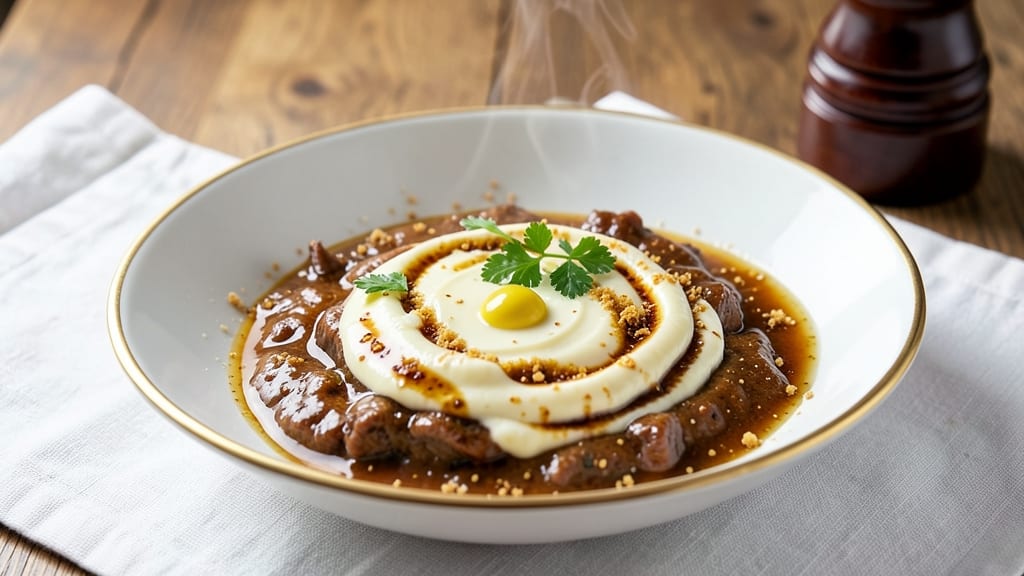
This Arby's-inspired beef and cheddar sauce delivers that signature restaurant-quality drizzle you crave, with a thick, velvety texture perfect for roast beef sandwiches or crispy fries. The secret lies in combining rich beef broth with sharp cheddar cheese and a touch of mustard for that signature tang.
I've perfected this recipe over years of testing, ensuring it's creamy enough to coat every bite while staying stable enough to drizzle without breaking.
The foundation of this sauce is a simple roux—equal parts butter and flour cooked until golden—which creates the perfect base for building flavor. Sharp cheddar cheese melts into a smooth, velvety consistency, while beef broth adds depth and richness.
A splash of mustard and Worcestershire sauce ensures that signature tang that makes this sauce instantly recognizable. The result? A sauce that's thick enough to stay put on sandwiches but still flows beautifully when drizzled.
What sets this recipe apart is its versatility—use it as a dipping sauce for crispy roast beef sandwiches, a topping for loaded fries, or even a glaze for baked potatoes.
The sauce keeps well in the refrigerator for up to 5 days, and it freezes beautifully for up to 3 months, so you can always have that Arby's flavor on hand. The key is reheating it gently to maintain that perfect velvety texture.
This isn't just a copycat recipe—it's a restaurant-quality sauce you can make at home with simple ingredients and a few key techniques. Whether you're hosting a game day gathering or just craving that classic Arby's flavor, this sauce will elevate your meal to the next level. Let's get started!
Ingredients for arby's beef and cheddar sauce
Game-day flavor starts with these nine simple ingredients—thick, creamy, and packed with that signature tang.
| Ingredient | Amount | Notes |
|---|---|---|
| Unsalted Butter 🧈 | ½ cup | Cold, cubed for roux |
| All-Purpose Flour 🌾 | ½ cup | Diamond Crystal preferred |
| Sharp Cheddar Cheese 🧀 | 1 ½ cups | Shredded, block style |
| Beef Broth 🥫 | 1 ½ cups | Low-sodium preferred |
| Yellow Mustard 🌶️ | 1 tbsp | Dijon works too |
| Worcestershire Sauce 🍶 | 1 tbsp | Classic Lea & Perrins |
| Garlic Powder 🧄 | ½ tsp | Freshly ground preferred |
| Ground Black Pepper 🌶️ | ¼ tsp | Freshly cracked |
| Salt 🧂 | ½ tsp | Diamond Crystal kosher |
The butter and flour create the magic—this roux is your flavor foundation. Use cold, cubed butter (not melted!) for even cooking. Diamond Crystal flour absorbs liquid differently than other brands, so grab that if you can. Sharp cheddar is non-negotiable here—Kraft 2% or Cabot melts beautifully. For the beef broth, low-sodium versions let you control the salt better. I always double-check the label for hidden salt—some brands sneak in extra. The mustard and Worcestershire give that signature tang, so don't skip them even if you're not a big mustard fan.
No sharp cheddar? Pepper Jack works in a pinch, but it'll change the flavor slightly. Short on beef broth? Chicken broth with 1 tsp beef bouillon gets you close. The roux can be made ahead—just store it in the fridge until ready to use. For a smoother sauce, strain it through a fine-mesh sieve after cooking. Want extra richness? Add 1 tbsp cream cheese at the end. The garlic powder and pepper are subtle but essential—they balance the tang and add depth. If you're feeling fancy, toast the garlic powder in a dry pan for 30 seconds before adding it.
This sauce reheats beautifully—just warm it gently on the stove or microwave in 30-second bursts. Keeps 5 days in the fridge, 3 months frozen. For game day, I make a double batch and store half in the freezer. To freeze, cool completely first, then portion into ice cube trays. Once frozen, transfer to a freezer bag. Thaw overnight in the fridge before reheating. The texture stays perfect if you avoid boiling it—just warm until creamy. Perfect for roast beef sandwiches, fries, or even mac and cheese!
Why You'll Love This Recipe
- Pantry Magic: I swear by this one—no special ingredients, just butter, flour, and cheddar. The moment that mustard hits the simmering roux? That tangy, savory punch is chef’s kiss without extra effort.
- Five-Ingredient Powerhouse: Between us, this sauce nails the Arby’s vibe with zero shortcuts. The beef broth deepens the richness while the sharp cheddar melts into a velvety blanket—no fancy techniques, just pure, bold flavor.
- Game for Any Day: Slather it on fries, drizzle over burgers, or even toss with pasta. I’ve used it for game day wings and lazy Sunday brunch—it’s the kind of sauce that turns any meal into a win.
- Leftovers That Don’t Suck: This sauce actually improves the next day. Thickens perfectly, reheats like a dream, and I’ve frozen it for months. Honestly, it’s my go-to for when I’m too tired to cook but still crave that cheesy, meaty goodness.
Step-by-step instructions for Arby's beef and cheddar sauce
This velvety sauce delivers that iconic Arby's flavor—rich, tangy, and thick enough to cling beautifully to roast beef.
Make the Roux for a Smooth Foundation
In a medium saucepan, melt the 0.5 cup unsalted butter over medium heat. Once fully melted and foaming subsides, reduce heat to medium-low and gradually whisk in the 0.5 cup all-purpose flour. This creates a roux—the secret to that signature thick, glossy texture.
Cook the roux for 2-3 minutes, stirring constantly, until it turns a light golden color. You'll see it transform from a pale paste to something that smells nutty and toasty. This step builds the sauce's body, so don't rush it—if it darkens too quickly, reduce the heat further. The roux should coat the back of a spoon smoothly without being grainy.
Build Flavor with Broth and Seasonings
Slowly pour in the 1.5 cups beef broth while whisking vigorously to prevent lumps. Increase heat to medium and bring the mixture to a gentle simmer. Let it cook for 5-7 minutes, stirring occasionally, until it thickens noticeably and pulls away from the sides of the pan.
Now add the 1 tbsp yellow mustard, 1 tbsp Worcestershire sauce, 0.5 tsp garlic powder, 0.25 tsp ground black pepper, and 0.5 tsp salt. Stir well to combine—this is where the sauce gets its signature tangy depth. Taste and adjust seasoning if needed; you want a balance of savory, tangy, and slightly spicy notes. The sauce should be smooth but still slightly thin at this stage—it'll thicken more when the cheese comes in.
Finish with Cheddar for Ultimate Creaminess
Reduce heat to low and gradually sprinkle in the 1.5 cups sharp cheddar cheese, whisking constantly to prevent clumping. Let the sauce simmer for 3-5 minutes, stirring frequently, until the cheese melts completely and the sauce reaches your desired thickness. It should coat the back of a spoon smoothly but still be pourable.
If the sauce is too thick, whisk in 1-2 tablespoons of hot beef broth to loosen it. The final texture should be velvety yet still able to drizzle beautifully over roast beef. Remove from heat immediately—overcooking can make the sauce grainy. Taste again and adjust seasoning if needed, adding a pinch more salt or pepper if desired.
Rest and Serve for Perfect Drizzling
Transfer the sauce to a clean bowl and let it rest for 5-10 minutes at room temperature. This resting period allows the flavors to meld completely and the sauce to reach its ideal consistency—thick enough to cling but still smooth enough to drizzle.
For serving, gently reheat the sauce over low heat if needed, stirring constantly to prevent scorching. The perfect Arby's-style sauce should be glossy, rich, and just thick enough to create those beautiful ribbons when drizzled over roast beef. Serve immediately while warm for the best experience—this sauce doesn't keep its velvety texture when reheated repeatedly.
Pro Tips For Making Arby'S Beef And Cheddar Sauce
- Whisk the roux fast: I learned this the hard way—if you let the butter and flour sit too long at medium heat, you’ll end up with a grainy, lumpy mess instead of a smooth base. Keep the heat at medium-high and whisk like you’re trying to win a race. The second the flour stops looking raw and starts smelling nutty (about 2 minutes), dump in the broth immediately.
- Grated cheese only: Pre-shredded cheddar has anti-caking agents that turn your sauce into a clumpy nightmare. Grab a box of sharp cheddar, grate it yourself, and pat it dry with a paper towel—this removes excess moisture and keeps the sauce silky. Yes, it takes 30 seconds, but your sauce will thank you.
- Simmer, don’t boil: The second you add the broth, reduce the heat to low and let it bubble gently. Boiling burns the cheese and makes the sauce separate. A slow simmer (tiny bubbles, occasional swirls) keeps everything emulsified and rich. I used to rush this, and the sauce would split like a bad marriage.
- Mustard last, heat off: Add the yellow mustard off the heat—it’s sensitive to high temps and can turn bitter. Stir it in just before serving, or the flavor will mellow out too much. If you’re making this ahead, mix it in right before reheating, then turn the heat off immediately. Trust me, your sauce will taste like it came straight from the Arby’s kitchen.
Storing and reheating this dish
Refrigerator Storage
Store your homemade beef and cheddar sauce in an airtight container—I recommend glass Pyrex with a snap-on lid—once it's completely cooled to room temperature. The sauce keeps beautifully in the fridge for up to 5 days, with flavors actually deepening as the spices meld together.
Always let it cool for no more than 2 hours before refrigerating to prevent bacterial growth. 🧊
Freezer Prep
For long-term storage, portion the sauce into ice cube trays—this makes reheating a breeze for just what you need. Once frozen, transfer the cubes to a freezer bag with all air squeezed out to prevent freezer burn.
Label with the date, as this sauce stays fresh for up to 3 months in the freezer. Thaw overnight in the fridge for best results.
Reheating Like a Pro
For the best texture, reheat the sauce on the stovetop over low heat. Start with 1-2 tablespoons of beef broth to thin it slightly, then stir constantly until warmed through—never boil, or it'll break.
If using frozen cubes, thaw first, then reheat. Microwave reheating works in a pinch, but it can make the sauce slightly grainy. Stir frequently to maintain that velvety consistency. 🔥
Game Day Hack
Double the recipe and store half in the freezer for spontaneous game days. I keep a quart-sized freezer bag of sauce in my deep freezer, ready to thaw in 8 hours for perfect timing.
The key is reheating it gently—just enough to warm through without losing that signature glossy finish. This ensures your roast beef sandwiches always taste fresh, even when made ahead.
Texture Preservation
This sauce is best enjoyed fresh, but with proper storage, you can maintain its velvety texture. Avoid reheating more than once, as repeated heating can make it separate or develop a skin.
If it thickens too much after reheating, whisk in 1 teaspoon of warm beef broth to restore its smooth consistency. The goal is to keep it thick enough to cling but still smooth enough to drizzle.
Nutrition facts
Frequently asked questions
Why does my homemade beef and cheddar sauce turn out too thin?
This usually happens if you didn't cook the roux long enough or added too much broth. For the perfect consistency, cook the roux until it's a light golden color (about 2-3 minutes) and let the sauce simmer uncovered until it naturally thickens. If needed, whisk in 1-2 tablespoons of hot beef broth to adjust thickness after the cheese is melted.
Can I make this sauce without a roux for a quicker version?
Yes! For a no-roux method, melt 2 tablespoons butter in a saucepan, then whisk in 2 tablespoons flour and 1 cup milk to create a quick base. Simmer for 3-5 minutes before adding cheese and broth. The texture will be slightly thinner but still delicious—great for dipping fries or mac and cheese!
What can I substitute if I don't have sharp cheddar?
Use Pepper Jack for a mild spicy kick or Monterey Jack for a milder flavor. For extra richness, blend 1 cup sharp cheddar with 0.5 cup cream cheese at the end. Avoid pre-shredded cheese (it contains anti-caking agents that can make the sauce grainy)—always grate your own!
How do I fix a sauce that's too tangy from the mustard?
Balance the tang by adding 1 teaspoon honey or 0.5 teaspoon sugar to mellow the mustard's sharpness. Also try adding 1/4 teaspoon smoked paprika to add depth without overpowering. If the sauce is already cooled, reheat it gently while stirring in these adjustments.
Can I use this sauce for other dishes besides roast beef sandwiches?
This versatile sauce works perfectly as a dip for onion rings, a topping for loaded baked potatoes, or even a glaze for grilled chicken. For extra creaminess on fries, thin it slightly with 1-2 tablespoons milk before drizzling. The rich, tangy flavor pairs well with almost any savory dish!