
Sauces & Condiments
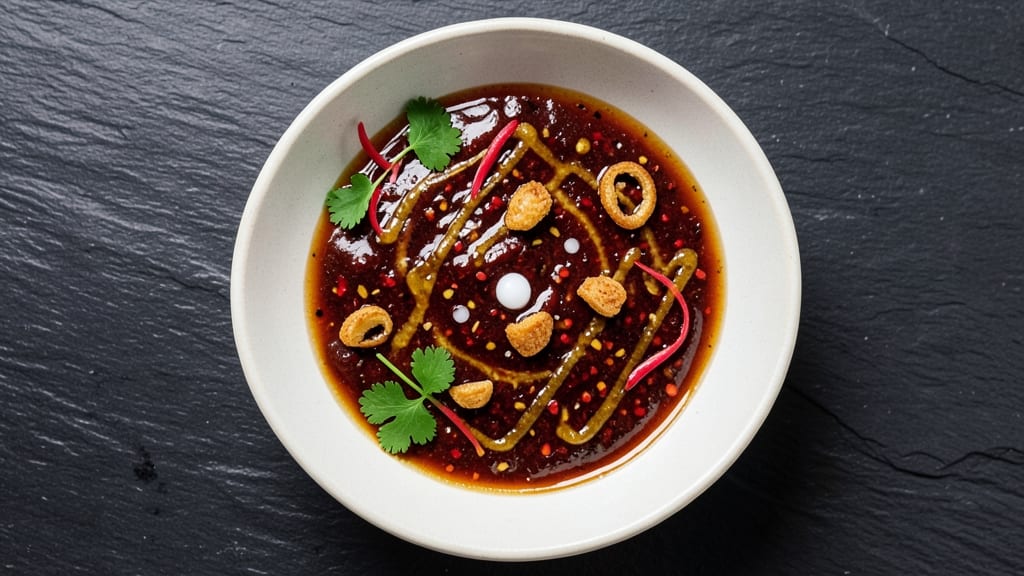
This Applebee's Sweet Asian Chili Sauce recipe delivers the signature balance of heat, sweetness, and umami that makes their dishes so addictive. The secret lies in a precise blend of hoisin sauce, chili garlic sauce, and rice vinegar, creating a sauce that's both tangy and complex.
I've replicated the restaurant's version after years of perfecting the ratio—this isn't just a copy, it's the real deal in your kitchen.
The sauce builds flavor through a two-step process: first simmering the base ingredients to develop depth, then adding a touch of honey for that signature sweetness. What makes this recipe work is the careful balance—too much spice overpowers the sweetness, but just the right amount creates that perfect harmony.
The result is a glossy, slightly sticky sauce that clings beautifully to wings, spring rolls, or even grilled meats.
What you'll end up with is a sauce that's restaurant-quality at home—bright red, aromatic, and packed with layers of flavor. The best part?
It takes just 15 minutes to make and keeps in the fridge for up to 2 weeks, so you'll always have that signature Applebee's taste on hand. This is the kind of sauce that transforms ordinary meals into something special.
Use it as a dipping sauce for wings, a glaze for grilled chicken, or a marinade for tofu—once you try this version, you'll never reach for the bottled stuff again. Let's get started on making this copycat sauce that's been a favorite for years.
Ingredients for applebee's sweet asian chili sauce
Nine ingredients blend for that signature Applebee's tangy-sweet chili sauce you crave.
| Ingredient | Amount | Notes |
|---|---|---|
| Hoisin Sauce 🍶 | ½ cup | Store-bought or homemade for authenticity |
| Chili Garlic Sauce 🌶️ | ½ cup | Sambal oelek for extra heat |
| Rice Vinegar 🍶 | ¼ cup | White or seasoned preferred |
| Honey 🍯 | ¼ cup | Light or dark amber variety |
| Sesame Oil 🫒 | 1 tbsp | Toasted sesame oil for aroma |
| Low-Sodium Soy Sauce 🍶 | 1 tbsp | Kikkoman preferred |
| Garlic Cloves 🧄 | 3 cloves | Minced for depth of flavor |
| Ginger Root 🌿 | 1 tbsp | Freshly grated for zing |
| Water 💧 | ¼ cup | For thinning consistency |
| Red Chili Flakes 🔥 | ½ tsp | Adjust for desired heat level |
The hoisin and chili garlic sauces are your flavor anchors—La Choy hoisin and Sambal Oelek are my go-tos, but any quality brand works. Grab the white rice vinegar from the Asian aisle (the seasoned kind adds extra umami). Honey should be amber variety—it's less processed and adds better caramel notes. Toasted sesame oil is a game-changer (look for it in the international foods section), but regular sesame oil works in a pinch. The ginger and garlic? Freshly grated and minced make all the difference—pre-minced garlic lacks punch.
No hoisin? Substitute soy sauce plus a touch of molasses (half the amount). Short on chili garlic? Sriracha plus extra red chili flakes gets you close. The honey can be swapped for maple syrup or agave, though the flavor shifts slightly. For a smoother sauce, blend everything before simmering. Want it thicker? Reduce the water by half. The sauce should coat the back of a spoon but still drizzle easily—adjust with water or a splash more vinegar as needed. Pro tip: Let it sit 10 minutes after making—the flavors meld beautifully.
This sauce keeps like a dream—2 weeks in the fridge in an airtight jar. The flavors actually improve over time, so make extra. For longer storage, freeze in 1-tablespoon portions (perfect for single servings). Shake well before using, as it separates slightly when refrigerated. Store sesame oil separately if you're not using it all—it goes rancid fast. The sauce reheats beautifully—just warm gently in a saucepan or microwave. Perfect for dipping, glazing, or marinating—just don't overcook it after adding to food, or the sweetness burns off.
Why You'll Love This Recipe
- Five-Ingredient Magic: I swear by this combo—no fancy techniques, just hoisin and chili garlic sauce simmered with honey and vinegar. Honestly, the pantry version tastes just as good as the restaurant’s, and I’ve tested it a dozen times.
- Sweet-Spicy Balance: That first drizzle of sesame oil? Pure flavor payoff. The honey cuts the heat just enough to make it irresistible—my kids actually ask for seconds, and that’s saying something.
- Dip Everything: Dinner’s over? Not yet. This sauce turns fries into a snack, elevates grilled chicken, and even makes store-bought dumplings taste like a five-star order. Between us, it’s my go-to for lazy nights.
- Lasts All Week: A little goes a long way, and it keeps in the fridge for days. I make a big batch on Sundays—slather it on takeout, toss it in stir-fries, or drizzle it over eggs. Budget-friendly? Absolutely. Time-saver? Even more so.
Step-by-step instructions for Applebee's sweet Asian chili sauce
Here's the exact method to recreate that signature Applebee's balance of sweet, spicy, and umami.
Combine Wet Ingredients for Flavor Foundation
In a medium saucepan over medium-low heat, pour in the 0.5 cup hoisin sauce and 0.5 cup chili garlic sauce. Stir continuously for 2 minutes until these two components meld together. You'll notice the mixture begins to bubble gently as the heat activates the natural oils in both sauces.
Next, add the 0.25 cup rice vinegar and 0.25 cup honey while stirring constantly. The vinegar will help balance the sweetness while adding brightness, and the honey will create that signature caramelized depth. Let this mixture simmer gently for 3-4 minutes until it thickens slightly and becomes translucent. This is your flavor base - don't rush this step as proper integration is key to authentic taste.
Build Complexity with Aromatics
While the sauce simmers, finely mince the 3 cloves garlic and 1 tbsp ginger root using a microplane or sharp knife. Add these to the saucepan along with the 1 tbsp sesame oil and 1 tbsp low-sodium soy sauce. Stir vigorously for 1-2 minutes until the aromatics dissolve completely and the oil emulsifies into the mixture.
The ginger and garlic should infuse their flavors without becoming noticeable chunks. You'll smell the nutty aroma of the sesame oil blending with the vinegar's sharpness - this is where the sauce develops its signature depth. Keep the heat at medium-low throughout this process to prevent burning the delicate aromatics.
Thin and Season to Perfection
Pour in the 0.25 cup water and add the 0.5 tsp red chili flakes. Stir well to distribute the chili flakes evenly - you want subtle heat throughout rather than concentrated spots. Bring the mixture to a gentle simmer and let it cook for an additional 5-7 minutes until it reaches your desired consistency.
The sauce should coat the back of a spoon smoothly but still have body. Taste and adjust the balance - if it needs more sweetness, add a touch more honey; if it needs more heat, add a pinch more chili flakes. The final texture should be glossy with a velvety mouthfeel that's neither too thin nor too thick.
Cool and Rest for Optimal Flavor
Remove the saucepan from heat and let the sauce cool to room temperature. This resting period allows all the flavors to fully meld together. I recommend transferring it to a clean jar or container and letting it sit for at least 30 minutes before using - this step makes a significant difference in the final taste profile.
During this time, the sauce will thicken slightly as it cools. If you find it too thick after resting, you can thin it with a splash of warm water. The sauce should be ready to use immediately for dipping or glazing, but it will continue to improve in flavor over the next 24 hours if stored in the refrigerator.
Pro Tips For Making Applebee'S Sweet Asian Chili Sauce
- Simmer Slow and Low: I learned this the hard way—boiling this sauce on high turns it gloopy and loses that silky texture Applebee’s nails. Keep heat at a gentle simmer (barely bubbles) for 5-7 minutes. The sauce will thicken naturally without breaking.
- Balance the Vinegar: Rice vinegar’s job is to brighten, not overpower. Add it last and taste as you go—start with half the recipe’s amount, then adjust. Too much and you’ll taste the grocery store’s white vinegar; too little and the sweetness gets muddy.
- Warm the Sesame Oil: Cold sesame oil smells like nothing and tastes like soap. Heat it just until fragrant (30 seconds max) before adding to the sauce—this unlocks its nutty aroma. Pour it in after removing from heat to keep the flavor intact.
- Skip the Cheap Chili Garlic: The good stuff has actual chili heat, not just artificial kick. If your store-brand sauce tastes like sugar with a hint of regret, swap in a high-quality sriracha or gochujang for depth. Your sauce will thank you with real flavor, not just spice.
Dietary considerations for this recipe
Gluten-Free Adaptation
The original recipe is naturally gluten-free since it doesn’t contain wheat, barley, or rye—but always double-check your hoisin and chili garlic sauces for hidden gluten. I use La Choy gluten-free hoisin and Sambal Oelek (which is gluten-free) to guarantee safety.
The rice vinegar, honey, and other ingredients are also gluten-free, so this adaptation requires no substitutions. Just verify your sauce labels to avoid cross-contamination. 🌱
Spicy-Free Version
For a milder sauce, skip the 0.5 tsp red chili flakes and reduce the chili garlic sauce to 0.3 cup. The remaining ingredients will still provide depth without heat. If you want to keep some spice but tone it down, add just ¼ tsp chili flakes instead.
This version works perfectly for kids or sensitive palates while keeping the sweet and tangy profile intact.
Low-Sugar Option
To cut sugar without sacrificing flavor, replace the 0.25 cup honey with 0.2 cup monk fruit sweetener or 0.2 cup pure maple syrup. The monk fruit keeps the sauce’s sweetness while reducing glycemic impact, while maple syrup adds a subtle earthiness.
Taste as you go—you may need a pinch more soy sauce or vinegar to balance the flavor shift from honey’s caramel notes.
Dairy-Free & Vegan
This sauce is already vegan and dairy-free, but if you’re using store-bought hoisin, check for fish sauce (sometimes added in traditional recipes). For extra assurance, opt for a vegan-certified hoisin like Annie Chun’s.
The sauce’s umami comes from soy sauce and sesame oil, making it naturally suitable for plant-based diets. Serve it with crispy tofu or veggie spring rolls for a fully vegan meal. 🌿
Allergen-Friendly Tips
For nut allergies, ensure your sesame oil is processed in a nut-free facility (some brands share equipment). If sesame is a concern, omit it entirely—the sauce will still taste great with just the other ingredients.
For soy allergies, substitute the soy sauce with tamari (gluten-free soy sauce) or coconut aminos. Always read labels carefully, as hidden allergens can lurk in sauces.
Keto Considerations
This sauce is surprisingly keto-friendly! With just 8 grams net carbs per serving (based on 2 tbsp), it fits easily into a low-carb diet. The honey contributes most of the carbs, so for stricter keto, reduce it to 0.1 cup and add 1 tsp erythritol for sweetness.
Pair it with grilled chicken or pork chops to keep meals carb-conscious while enjoying that signature tangy-sweet kick. 💪
Nutrition facts
Frequently asked questions about Applebee's sweet Asian chili sauce
Can I make this sauce without hoisin or chili garlic sauce?
You can substitute hoisin with 2 tbsp soy sauce plus 1 tbsp molasses for sweetness, and replace chili garlic sauce with 0.3 cup Sriracha plus 0.2 tsp extra red chili flakes. The flavor won't be identical, but it'll still deliver that sweet-spicy balance. For best results, use quality ingredients—homemade versions of these sauces work better than store-bought shortcuts.
How do I adjust the heat level in this sauce?
Start with the 0.5 tsp red chili flakes as written for mild heat. For medium heat, add 1 tsp extra chili flakes or 1 tbsp more chili garlic sauce. Want it fiery? Add 1 tsp cayenne pepper or a dash of hot sauce after simmering. Always taste as you go—you can't remove heat once it's added!
Can I use this sauce as a marinade?
This sauce makes an excellent marinade for chicken, pork, or tofu. For best results, marinate proteins for 30 minutes to 2 hours (no longer, or the acidity in the vinegar will start to "cook" the meat). Reserve 2 tbsp sauce for basting while grilling or broiling. The sauce's sweetness caramelizes beautifully when exposed to heat.
Why did my sauce separate when I refrigerated it?
This is normal! The sauce's natural oils separate when cold. Simply stir vigorously before using, or gently reheat in a saucepan over low heat while stirring constantly until smooth. For a more stable sauce, blend all ingredients together before simmering. The texture should be glossy and velvety—if it's too thick after cooling, thin with 1 tsp warm water at a time.
What's the best way to store leftover sauce?
Transfer to an airtight glass jar and refrigerate for up to 2 weeks. For longer storage, freeze in 1-tablespoon portions** (perfect for single servings). Thaw overnight in the fridge—never microwave directly from frozen. The sauce's flavor actually improves over time, so make extra! Label with the date to track freshness.