
Sauces & Condiments
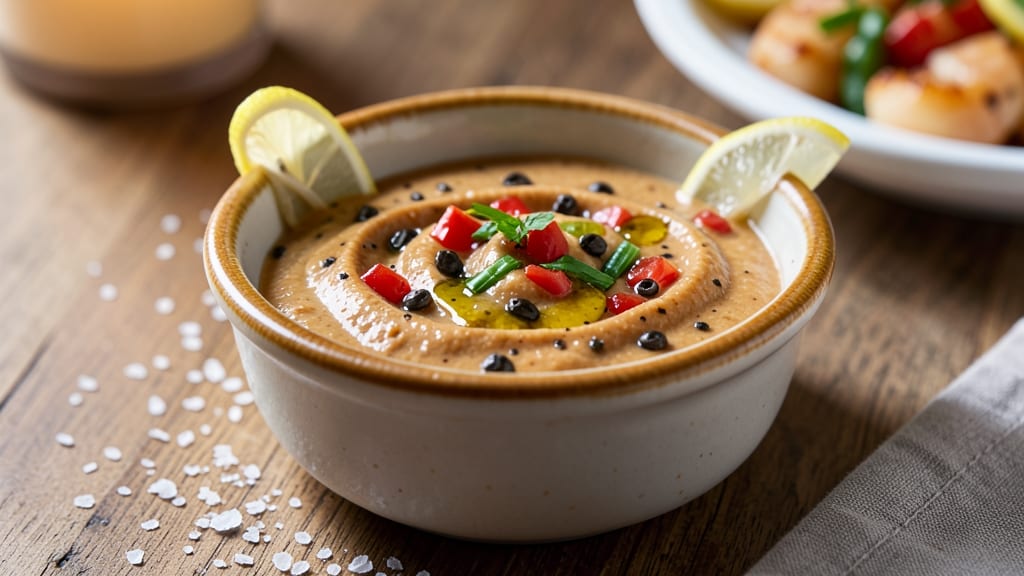
Antoine's remoulade sauce transforms seafood dishes into unforgettable Cajun-inspired meals with its signature creamy texture and bold, tangy-spicy flavor. This classic Louisiana sauce balances rich mayonnaise with sharp mustard, briny capers, and a celery crown that adds fresh, crisp contrast.
What sets it apart is the perfect harmony of heat from cayenne and smoked paprika, balanced by the bright acidity of lemon juice.
The beauty of remoulade lies in its versatility—it elevates shrimp, oysters, and blackened fish while also working as a bold sandwich spread or dip. The traditional method involves finely chopping celery, bell pepper, and red onion to create that signature "crown" texture, which adds both visual appeal and freshness.
Unlike many sauces, remoulade stays vibrant even after refrigeration, making it ideal for meal prep.
What you'll achieve is a sauce that's creamy yet tangy, with a subtle heat that lingers just enough to keep your taste buds engaged. The key is achieving the right balance between the rich mayo base and the bright, briny, spicy elements.
This isn't just a sauce—it's a flavor experience that turns simple seafood into a restaurant-worthy dish with minimal effort.
The best part? This remoulade keeps well in the refrigerator for up to a week, allowing you to make a big batch and use it throughout the week.
Whether you're serving it with grilled shrimp, blackened catfish, or even as a sandwich spread, this sauce will become your go-to for adding bold Cajun flair to any meal.
Ingredients for antoine's remoulade sauce
Nine bold ingredients for a sauce that balances creamy richness with tangy-spicy Cajun flair.
| Ingredient | Amount | Notes |
|---|---|---|
| Mayonnaise 🥫 | 1 cup | High-quality, full-fat preferred |
| Dijon Mustard 🍽️ | 2 tbsp | Mild or hot variety |
| Fresh Lemon Juice 🍋 | 2 tbsp | Freshly squeezed, no pulp |
| Capers 🌿 | 2 tbsp | Chopped, drained well |
| Celery Stems 🧅 | 1 cup | Finely chopped, fresh |
| Red Bell Pepper 🌶️ | ¼ cup | Finely chopped, fresh |
| Red Onion 🧅 | ¼ cup | Finely chopped, fresh |
| Garlic Cloves 🧄 | 2 cloves | Minced, fresh |
| Smoked Paprika 🌶️ | 1 tsp | For smoky depth |
| Cayenne Pepper 🔥 | ½ tsp | Adjust for heat preference |
| Salt 🧂 | ½ tsp | Diamond Crystal preferred |
The celery crown is non-negotiable—it's what gives remoulade that signature fresh crunch. Buy fresh celery from the produce section, not the pre-chopped kind (it gets soggy fast). Trader Joe's and Whole Foods have the crispest stalks, but any grocery store will do if you grab it near the end of your shopping trip. Red bell pepper should be firm and vibrant, not wrinkly or dull. For the onion, yellow or red both work—just make sure it's not too strong. The capers? Look for non-pasteurized in the canned goods aisle—they're brinier and more flavorful. If you can't find them, substitute with a pinch of sea salt for a hint of brininess, but it won't be the same.
No smoked paprika? Regular paprika plus a pinch of liquid smoke works in a pinch (not ideal, but better than nothing). Short on capers? Pickle juice or a dash of soy sauce adds a briny note. The mayo is the base—Duke's or Hellmann's are my go-tos, but any full-fat brand does the trick. If you're making this ahead, add the lemon juice last—it keeps the sauce vibrant longer. The celery crown can be prepped in advance and stored in the fridge for 3 days before mixing into the sauce. For extra heat, add a dash of hot sauce at the end—just don't overdo it, or the tangy balance gets lost.
This sauce keeps beautifully in the fridge for up to 1 week, sealed in an airtight container with a layer of plastic wrap pressed right on top (prevents that sad gray mayo scum). For longer storage, freeze in ice cube trays—thaw and whisk back to perfection. The celery crown stays fresh for 5 days if stored separately in a sealed container. Pro tip: Make a double batch—it disappears fast on shrimp, blackened fish, or even as a sandwich spread. The flavor actually improves after sitting overnight as everything melds together.
Why You'll Love This Recipe
- Fridge Staple Magic: I swear by this sauce because it uses things I already have—mayonnaise, mustard, a lemon I forgot about—no extra shopping needed. The celery stems? I’d normally toss those, but here they add a subtle crunch that makes it feel intentional, not lazy.
- Tangy, Briny, Creamy: That lemon juice cuts through the richness of the mayo while the capers bring this salty, umami punch. Honestly, the first time I tasted it, I thought, "Why haven’t I been making this all along?"—especially when drizzled over grilled shrimp or fried fish.
- Game for Any Meal: It’s my go-to for seafood boils, but I’ve also slathered it on burgers (yes, even on a Tuesday night) and used it as a dip for veggies when I’m prepping for the week. The mustard and capers keep it interesting enough to not get boring, no matter what you pair it with.
- Makes Leftovers Look Smart: I double the batch because it keeps for days in the fridge—no weird texture changes, just flavor that stays sharp. Between us, this is how I turn last night’s takeout into today’s lunch when I’m low on ideas. Plus, it’s cheap to make; the capers and celery do the heavy lifting without breaking the bank.
Step-by-step instructions for antoine's remoulade sauce
This sauce delivers the perfect balance of creamy richness and bold Cajun heat every time.
Finely Chop the Vegetable Base
Start by gathering all your finely chopped vegetables—the celery stems, red bell pepper, and red onion. I like to use a sharp chef's knife and chop each ingredient separately to ensure even texture. The celery should be cut into small dice, about 1/8-inch pieces, while the bell pepper and onion can be slightly larger but still fine. This texture creates that signature celery crown mouthfeel in the finished sauce.
Place each chopped vegetable in a separate small bowl. This keeps your workspace organized and prevents cross-contamination of flavors. The freshness of these vegetables is crucial—if using pre-chopped vegetables, pat them dry with a paper towel to remove excess moisture, which can make your sauce too thin.
Combine Wet Ingredients
In a medium mixing bowl, combine the 1 cup mayonnaise, 2 tablespoons Dijon mustard, and 2 tablespoons fresh lemon juice. Use a whisk or silicone spatula to blend these ingredients until smooth and fully incorporated. The mayonnaise should look creamy and uniform, with no streaks of mustard or lemon juice remaining. This forms the creamy base of your sauce.
Taste the mixture at this stage—it should be tangy and slightly sharp from the lemon and mustard. If it tastes too mild, you can add a pinch more salt now, but wait until the end to adjust for heat. This initial blend sets the foundation for the bold flavors to come.
Mix in Aromatics and Seasonings
Add the finely chopped celery stems, red bell pepper, and red onion to the wet ingredient mixture. Stir well to distribute the vegetables evenly throughout the mayonnaise. Next, fold in the 2 tablespoons capers, 2 cloves minced garlic, 1 teaspoon smoked paprika, 0.5 teaspoon cayenne pepper, and 0.5 teaspoon salt. Mix thoroughly until all the ingredients are fully combined and the sauce has a vibrant, speckled appearance.
Here's where the sauce starts to come together. The capers add a briny tang, the garlic brings depth, and the smoked paprika and cayenne pepper introduce that signature Cajun heat. Taste again and adjust the seasoning if needed—you might want to add a bit more cayenne for extra heat or a splash of lemon juice for brightness.
Rest and Refine the Sauce
Cover the bowl with plastic wrap and let the sauce rest at room temperature for at least 30 minutes. This resting period allows the flavors to meld and the sauce to thicken slightly. I know it's tempting to serve it immediately, but patience here makes all the difference. The flavors will develop more depth and complexity during this time.
After resting, give the sauce one final taste and adjust the seasoning if necessary. The sauce should be creamy, tangy, and packed with that signature Cajun kick. If it's too thick, you can thin it with a teaspoon or two of water or lemon juice. If it's too thin, let it sit uncovered in the refrigerator for another 15-20 minutes to thicken slightly.
Serve with Confidence
Transfer the remoulade sauce to a serving bowl or dish and serve immediately. This sauce pairs beautifully with poached fish, grilled shrimp, or even as a dip for crispy fries. The contrast of the creamy sauce with the bold flavors and the crisp texture of the celery crown makes it unforgettable.
For the best results, serve the sauce at room temperature. If you need to prepare it ahead of time, store it in an airtight container in the refrigerator for up to 3 days. Bring it to room temperature before serving to ensure the flavors are fully developed and the texture is perfect.
Pro Tips For Making Antoine'S Remoulade Sauce
- MIX MUSTARD FIRST: Start by whisking the Dijon into the mayo—this keeps the texture smooth and prevents grainy lumps when you add the lemon later. I learned this the hard way after scraping out chunks from my first batch.
- FINELY CHOP CELERY: Pulse celery stems in a food processor for 3–4 seconds, not until puree—you want tiny specks, not mush. This adds texture without overpowering the sauce, and it’s way faster than hand-chopping.
- DRAIN CAPERS WELL: Rinse capers in a fine-mesh strainer, then pat them dry with a paper towel. Wet capers dilute the sauce and make it taste watery, and nobody wants that.
- STRAIN IF NEEDED: If your sauce looks too thick or you used chunky celery, press it through a fine-mesh sieve for a silky finish. I skip this when I’m lazy, but the dish is noticeably better when I don’t.
Common mistakes when making great antoine's remoulade sauce
Over-Mixing the Base
I’ve ruined more remoulade than I’d like to admit by over-whisking the mayo-mustard-lemon base. Once you’ve combined these ingredients, mix just until smooth—no need to whip it like egg whites. Over-mixing incorporates too much air, which can make your sauce light and unstable, causing it to separate later.
Instead, use a silicone spatula to gently fold everything together until just combined. 🥫
Skipping the Resting Time
This is a big one—don’t skip the 30-minute rest at room temperature! Rushing to serve immediately means the flavors won’t meld properly, and the sauce may taste disjointed.
The mayo needs time to absorb the spices and vegetables, while the lemon juice can make the sauce taste overly sharp if not given a chance to integrate. Trust me, that extra half-hour makes all the difference.
Using Low-Quality Mayo
Not all mayonnaise is created equal. If you’re using a light or low-fat mayo, your remoulade will end up thin and lack the rich, velvety texture it needs. Stick to full-fat mayo—brands like Duke’s or Hellmann’s are my go-tos.
If you’re making this ahead, even better mayo brands like Primal Kitchen (avocado-based) work beautifully and add a subtle richness. Never compromise on the mayo!
Uneven Vegetable Texture
The celery crown is the star of remoulade, and if it’s not finely chopped, you’ll end up with chunks that make the sauce uneven. Use a sharp knife and cut the celery, bell pepper, and onion into 1/8-inch dice—no larger.
If you’re using pre-chopped veggies, pat them dry first to avoid a watery sauce. The texture should be consistent throughout, so don’t skip this step. 🧅
Adding Lemon Juice Too Early
Lemon juice is crucial for brightness, but adding it too soon can break down the mayo’s emulsion prematurely. Always add it after mixing the mayo and mustard, and only after the sauce has rested.
If you’re storing the sauce, add the lemon juice just before serving to keep it vibrant. The acidity will help balance the richness, but timing is everything.
Ignoring the Salt Balance
Salt isn’t just for flavor—it’s the glue that ties everything together. If you skip it or add it too late, your remoulade will taste flat. Start with the ½ teaspoon Diamond Crystal salt called for in the recipe, then adjust after resting.
Taste as you go, and don’t be afraid to add a pinch more if needed. The salt enhances the capers, garlic, and spices, making them sing. 🧂
Nutrition facts
Frequently asked questions about antoine's remoulade sauce
Can I make this sauce without capers?
Yes, but the briny flavor will be missing! For a substitute, try 1 tablespoon chopped cornichons or ½ teaspoon sea salt plus 1 teaspoon pickle juice. The salt mimics the capers' brininess, while the pickle juice adds tang. If you're avoiding salt entirely, a splash of Worcestershire sauce works too.
How spicy should remoulade be?
The heat level depends on your preference, but traditional remoulade has a mild to moderate kick from cayenne and smoked paprika. Start with the ½ teaspoon cayenne called for, then adjust to taste. For extra heat, add ¼ teaspoon hot sauce or a pinch more cayenne. Remember, you can always add more heat later—you can't take it out!
Can I make this sauce ahead of time?
This sauce actually tastes better the next day as flavors meld. Store in an airtight container in the fridge for up to 5 days. Add the lemon juice just before serving to maintain brightness. For longer storage, freeze in 1-tablespoon portions in ice cube trays—thaw and whisk back to perfection.
What's the best way to serve remoulade?
While it's famous with seafood like shrimp, blackened fish, or poached oysters, remoulade shines beyond just fish. Try it as a bold sandwich spread on grilled cheese, a dip for crispy fries, or even a topping for burgers. The creamy texture and Cajun flavors work surprisingly well with chicken or pork too!
Why did my remoulade turn gray?
This happens when mayo oxidizes from exposure to air or light. To prevent it, always store remoulade in an airtight container with plastic wrap pressed directly on the surface. For gray sauce, stir in 1 teaspoon lemon juice or ½ teaspoon vinegar to restore brightness. If the texture is still good, it's safe to eat—just not as pretty!