
Sauces & Condiments
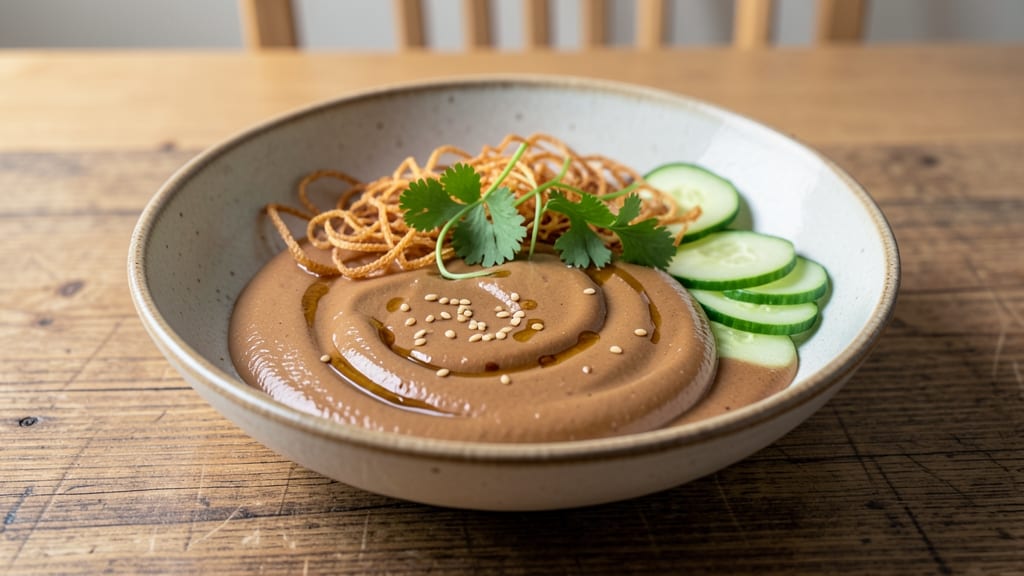
This Annie Chun's peanut sauce recipe unlocks the restaurant-quality nutty-sweet glaze that elevates everything from stir-fries to spring rolls. The magic lies in balancing creamy peanut butter with tangy soy sauce and just enough sweetness to create a sauce that's addictively versatile.
I've perfected this version to deliver that signature thick, glossy consistency that clings beautifully to any dish while staying stable enough for dipping or drizzling.
The secret to achieving that restaurant-quality texture is a simple technique: simmering the sauce until it thickens just right, then adjusting with a splash of water if needed.
This version uses pantry staples like peanut butter, soy sauce, and brown sugar, but the real game-changer is the addition of a touch of vinegar for brightness and cornstarch for that signature glossy finish. It's the kind of sauce that transforms simple takeout into a gourmet experience.
What makes this peanut sauce truly special is its versatility—use it as a dipping sauce for spring rolls, a glaze for grilled chicken, or a flavor booster in noodle dishes. The sauce keeps well in the fridge for up to a week, making it perfect for meal prep.
With just a few simple ingredients and a little patience, you'll have a sauce that's better than anything you can buy in a bottle.
The best part? This recipe delivers that signature Annie Chun's flavor without the mystery ingredients. The result is a rich, nutty, slightly sweet sauce that's perfect for adding depth to any dish. Let's get started on making this sauce that will become a staple in your kitchen.
Ingredients for annie chun's peanut sauce
Nine pantry staples transform into that iconic Annie Chun's peanut sauce you crave.
| Ingredient | Amount | Notes |
|---|---|---|
| Creamy Peanut Butter 🥜 | ¾ cup | Natural, unsweetened preferred |
| Light Soy Sauce 🥢 | ½ cup | Kikkoman or La Choy works best |
| Brown Sugar 🍯 | ¼ cup | Packed, light or dark variety |
| Rice Vinegar 🍶 | 2 tbsp | White or seasoned rice vinegar |
| Sesame Oil 🌾 | 1 tbsp | Toasted sesame oil for aroma |
| Cornstarch 🌾 | 1 tbsp | For signature glossy finish |
| Garlic Cloves 🧄 | 3 cloves | Minced for deep flavor |
| Fresh Ginger 🌿 | 1 tbsp | Grated, for zesty brightness |
| Water 💧 | ½ cup | For adjusting consistency |
| Sesame Seeds 🌾 | 1 tbsp | Toasted, for garnish |
The peanut butter is non-negotiable—natural, unsweetened gives the best balance of creaminess and nutty depth. Kikkoman or La Choy soy sauce delivers that signature tang, but any good-quality light soy works. Brown sugar adds just enough sweetness without overpowering, and I always grab the packed variety (light or dark) for better texture. Fresh ginger and garlic? Don't skip these—they're what elevates this from basic to restaurant-quality. Toasted sesame oil adds that aromatic punch, and you can find it in the Asian aisle at Walmart or Target if your regular grocery store doesn't carry it.
No rice vinegar? Substitute apple cider vinegar at half the amount—it's what I use when I'm out. The cornstarch is the secret weapon for that glossy finish, but if you're out, arrowroot powder works too. For the ginger, frozen works in a pinch—just thaw and grate. Want extra richness? Add 1 tbsp of tahini to the peanut butter before mixing. The sesame seeds are optional but give that final crunch—toast them in a dry pan for 30 seconds before adding for maximum flavor. And if your sauce gets too thick, just add a splash of water—1 tbsp at a time until it reaches that perfect dipping consistency.
This sauce keeps beautifully in the fridge for up to 1 week, sealed in an airtight container. For longer storage, freeze it in ice cube trays—just thaw and stir when you're ready to use. The flavors actually meld better after a day or two, so make it ahead if you can. I like to portion mine into small jars for easy grab-and-go dipping. And if you make extra? It's perfect for marinating grilled chicken or tossing with noodles—trust me, you'll want seconds.
Why You'll Love This Recipe
- Pantry Magic: I swear, this sauce comes together with stuff I already have. Open the peanut butter jar, grab the soy sauce, and boom—you’re halfway there. No fancy shopping needed.
- Sweet-Savory Balance: That brown sugar and rice vinegar combo? It’s the perfect push-pull of rich and tangy, with sesame oil adding a nutty finish. One taste and you’ll understand why it’s a cult favorite.
- Dip or Drizzle: Slather it on grilled chicken, toss it with noodles, or just eat it with chopsticks—it works everywhere. Honestly, I’ve even used it as a marinade for tofu when I’m lazy.
- Leftovers That Shine: This sauce keeps for weeks in the fridge, and it only gets better with time. Between us, I double the batch so I’m not scrambling later—trust me, it’s worth it.
Step-by-step instructions for Annie Chun's peanut sauce
Here's how to whip up this iconic sauce that brings nutty-sweet perfection to every bite.
Combine Wet Ingredients for a Smooth Base
In a medium saucepan, add the 0.75 cup creamy peanut butter, 0.5 cup light soy sauce, 0.25 cup brown sugar, and 2 tablespoons rice vinegar. Stir over medium-low heat for 3-4 minutes until the peanut butter melts completely and the mixture becomes smooth.
This is where the magic begins. You'll see the peanut butter transform from a thick paste into a velvety liquid. The brown sugar will dissolve completely, creating a rich, caramel-like foundation. Keep stirring gently to prevent scorching—peanut butter burns faster than you might think.
Add Aromatics and Thicken the Sauce
Once the mixture is smooth, add the 3 minced garlic cloves, 1 tablespoon grated fresh ginger, and 1 tablespoon sesame oil. Stir well to combine these flavors into the sauce. Then, sprinkle in the 1 tablespoon cornstarch and stir for 1 minute to distribute evenly.
The garlic and ginger will release their aromatic oils, filling your kitchen with that irresistible Asian-inspired fragrance. The cornstarch acts as our thickening agent, which is crucial for achieving that signature glossy finish. Let the sauce simmer for 2-3 minutes until it begins to thicken slightly—you're looking for a consistency between pancake syrup and honey.
Adjust Consistency and Finish
Gradually whisk in the 0.5 cup water while stirring constantly. The sauce should become glossy and coat the back of a spoon. If it's still too thick after adding all the water, simmer for another 1-2 minutes to reduce slightly. For a thinner sauce, add a splash more water.
Taste and adjust seasoning if needed. You might want to add a touch more soy sauce for saltiness or a bit of brown sugar for sweetness. The sauce should balance nutty, sweet, and slightly tangy flavors. Remove from heat immediately—this sauce thickens as it cools, so don't overcook it.
Garnish and Serve
Transfer the sauce to a serving bowl and let it cool for 5 minutes. Before serving, sprinkle with 1 tablespoon toasted sesame seeds. These seeds add a beautiful crunchy texture and visual appeal that makes the sauce look as good as it tastes.
This sauce is perfect for drizzling over noodles, meats, or even fresh fruit. The celery crown mentioned in your title would be an amazing match—its crisp texture contrasts beautifully with the smooth, nutty sauce. Store any leftovers in an airtight container in the refrigerator for up to 1 week, or freeze for up to 3 months.
Pro Tips For Making Annie Chun'S Peanut Sauce
- STIR CONSTANTLY AT FIRST: The peanut butter and sugar clump like glue when cold. Heat the sauce on medium-low and stir like your life depends on it for the first 2 minutes—until it’s smooth and glossy. After that, you can ease up, but don’t let it sit untouched or you’ll end up scraping gunk off the pan.
- USE NATURAL PEANUT BUTTER: That creamy peanut butter with hydrogenated oils? Skip it. The real stuff—just peanuts and salt—melts cleaner and tastes richer. If you’re in a pinch, stir in a teaspoon of oil to help it blend smoother, but don’t overdo it or the sauce gets greasy.
- TASTE AS YOU GO: You’ll add the soy sauce, vinegar, and sugar by eyeballing it, but here’s the catch: peanut butter throws off your taste buds. After mixing the wet ingredients, take a small spoonful and let it sit on your tongue for 5 seconds. The flavor mellows out—if it’s still too sweet or salty, adjust while it’s warm. Cold sauce lies.
- DILUTE GRADUALLY WITH WATER: The recipe calls for water, but how much? Too little and it’s thick; too much and it’s watery. Start with 2 tablespoons, stir, then add more one teaspoon at a time until it coats the back of a spoon like honey. No guesswork—just taste and tweak. (Pro move: save a splash of the original sauce to thin with if needed.)
Serving suggestions for this recipe
Dipping Sauce Perfection
This peanut sauce is a game-changer for spring rolls, egg rolls, or dumplings. Serve it warm in a small ceramic dipping bowl with a celery crown for that signature Annie Chun's presentation.
The crisp celery sticks cut through the richness beautifully, and the sauce's glossy texture makes every bite feel special. 🥢
Noodle Glaze Magic
Toss lo mein noodles or ramen with this sauce for an instant upgrade. I like to heat the noodles first, then drizzle with warm peanut sauce and toss with chopped scallions and crushed peanuts for texture.
For extra richness, add a splash of sesame oil right before serving. The sauce clings perfectly to the noodles, creating a sticky, flavorful coating.
Protein Pairings
Use this sauce as a marinade or glaze for grilled chicken or pork tenderloin. Brush it on during the last 5 minutes of grilling for a sticky, caramelized crust.
It also works wonderfully with tofu—marinate cubes for 30 minutes before stir-frying. The nutty sweetness complements the smoky flavors of grilled meats beautifully.
Vegetable Drizzle
Drizzle this sauce over steamed broccoli, roasted Brussels sprouts, or grilled zucchini for a sweet-savory twist. The sauce's thickness makes it perfect for clinging to vegetables, while the sesame seeds add a delightful crunch. I often serve it with edamame for a complete Asian-inspired meal. 🥦
Dessert Twist
Yes, you can use this sauce for dessert! Drizzle it over banana slices, warm apple slices, or even vanilla ice cream for a nutty-sweet treat.
The balance of flavors works surprisingly well with fruit, and the toasted sesame seeds add a fun texture contrast. It's a unique way to repurpose leftovers.
Meal Prep Ideas
Make a big batch and store it in small jars for easy grab-and-go dipping. I like to pack it with homemade rice paper rolls or chicken lettuce wraps for quick lunches.
The sauce keeps well in the fridge for up to 1 week, so you can always have it ready for last-minute meals. Freeze extras in ice cube trays for portion control.
Nutrition facts
Frequently asked questions
Can I substitute peanut butter with another nut or seed butter?
You can try almond or cashew butter, but the flavor will differ significantly. Peanut butter provides that signature nutty depth that's hard to replicate. For a closer match, blend roasted peanuts into a paste yourself—this gives you more control over oil content and texture. If you're allergic to peanuts, sunflower seed butter works in a pinch, though it lacks the same richness.
Why did my sauce turn out too thick/thin?
Thickness adjustments are key! If it's too thick, whisk in 1 tablespoon water at a time until smooth. For a thinner sauce, simmer uncovered for 1-2 extra minutes to reduce. The cornstarch is your friend—it thickens as it cools, so don't over-simmer. For best results, aim for a consistency between honey and pancake syrup when warm.
How can I make this sauce spicier? Add ½ teaspoon chili flakes or 1 teaspoon sriracha at the end for heat. For deeper spice, infuse the sauce with 1 minced Thai chili while simmering.
Can I make this sauce without cornstarch?
Yes! Replace the cornstarch with 1 tablespoon arrowroot powder or ½ teaspoon xanthan gum for thickening. For a grain-free option, simmer the sauce longer (up to 5 extra minutes) to reduce naturally. The texture will be slightly less glossy, but the flavor remains delicious. Just stir constantly to prevent sticking.
What's the best way to store leftovers?
Transfer to an airtight container and refrigerate for up to 1 week. For longer storage, freeze in ice cube trays—thaw and stir when ready to use. The sauce actually tastes better after resting overnight as flavors meld. If it thickens in the fridge, whisk in a splash of water or warm gently on the stove before using.