
Sauces & Condiments
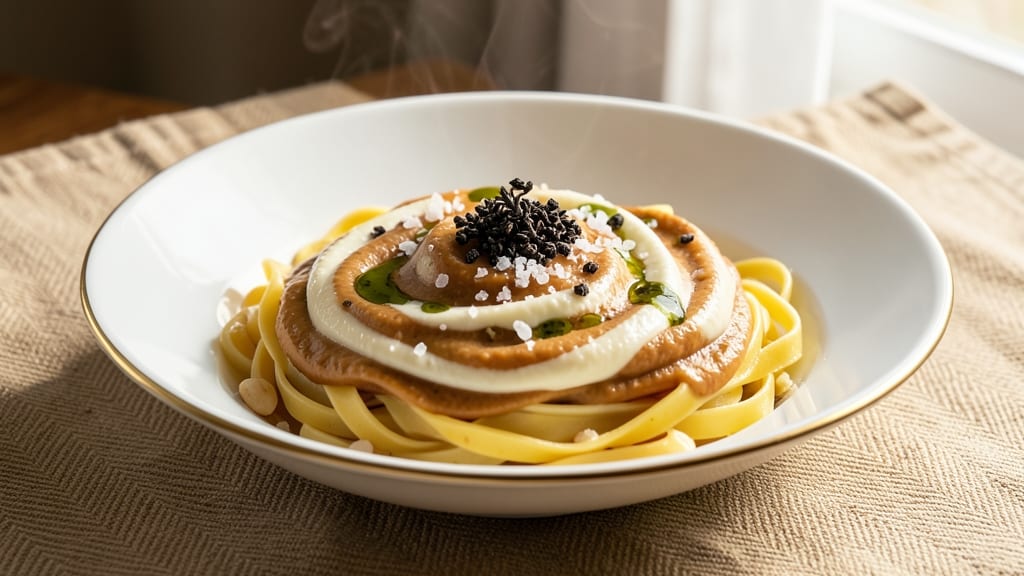
This American alfredo sauce recipe delivers ultra-smooth, clump-free richness that transforms ordinary pasta into restaurant-quality comfort food. The secret lies in precise technique—properly melting butter, whisking in heavy cream, and incorporating parmesan gradually to avoid lumps.
I’ve perfected this version over years of testing, ensuring every batch turns out velvety and velvety, with no graininess or separation.
The foundation of great alfredo is simple: butter, cream, and cheese in the right proportions. What sets this recipe apart is the foolproof method that guarantees silky texture without breaking a sweat. No special equipment needed—just a saucepan, whisk, and patience for the cheese to fully emulsify.
This sauce works as a base for fettuccine, chicken Alfredo, or even as a creamy dipping sauce for vegetables.
What you’ll end up with is a luxuriously creamy sauce that clings perfectly to pasta, with a rich, nutty parmesan flavor that’s balanced by the smoothness of heavy cream. The best part? It comes together in under 15 minutes, with minimal effort but maximum impact.
Whether you’re feeding a family or prepping for a weeknight meal, this alfredo sauce delivers professional results at home.
For extra depth, consider adding garlic, herbs, or even a splash of white wine to the base. Store leftovers in the fridge for up to 5 days or freeze for longer shelf life. Let’s make this creamy masterpiece—your taste buds will thank you.
Ingredients for american alfredo sauce
Eight essential ingredients transform into velvety, ultra-smooth alfredo sauce perfect for pasta or dipping.
| Ingredient | Amount | Notes |
|---|---|---|
| Unsalted Butter 🧈 | ½ cup | Cold, cubed for gradual melting |
| Heavy Cream 🥛 | 1 ½ cups | Full-fat for maximum richness |
| Parmesan Cheese 🧀 | 1 ½ cups | Finely grated, fresh from block |
| Garlic Cloves 🧄 | 3 cloves | Fresh, minced for aromatic base |
| Extra-Virgin Olive Oil 🫒 | ¼ cup | For smoothness and depth |
| Diamond Crystal Kosher Salt 🧂 | ½ tsp | Adjust to taste after emulsification |
| Freshly Ground Black Pepper 🌶️ | ¼ tsp | Freshly cracked for brightness |
| Dry White Wine 🍷 | ¼ cup | Optional, for acidity balance |
| Freshly Chopped Parsley 🌿 | ¼ cup | For vibrant garnish |
The butter and heavy cream form the sauce's luxurious base—never skip full-fat versions for that signature richness. European-style butter like Plugrá or Organic Valley heavy cream elevate the texture, though store brands work perfectly fine. For the Parmesan, Parmigiano-Reggiano is non-negotiable—pre-grated contains anti-caking agents that prevent proper emulsification. The garlic should be freshly minced just before cooking to release its full aroma without bitterness. If you prefer a milder flavor, use one clove less—this sauce is forgiving but delicate.
No heavy cream? Half-and-half plus an extra tablespoon of butter mimics the fat content effectively. Substituting wine? Dry chicken broth adds depth without altering the sauce's character. For a dairy-free adaptation, full-fat coconut milk replaces the cream (though texture will differ slightly). The olive oil is crucial—high-quality extra-virgin prevents the sauce from tasting flat. If you're sensitive to garlic's intensity, roast the cloves first to mellow their flavor. The parsley is purely decorative but adds a bright contrast to the sauce's richness—skip it if you prefer a purer flavor profile.
This sauce reaches peak flavor after 15 minutes of resting—resist the urge to rush it. Store leftovers in an airtight container with a thin layer of plastic wrap pressed directly onto the sauce's surface to prevent a skin from forming. Keeps 5 days refrigerated or 3 months frozen in a sealed container. For reheating, warm gently over low heat while stirring constantly to prevent separation. If the sauce thickens upon reheating, thin with a splash of warm milk or broth. The emulsification process is delicate—handle with care for perfect results every time.
Why You'll Love This Recipe
- No-Fuss Magic: I swear by this sauce—just melt butter, toss in garlic, and let the heavy cream and Parmesan do the work. Honestly, the hardest part is waiting for the cheese to melt completely.
- Rich Without Guilt: That perfect balance of buttery richness and sharp Parmesan? It’s like a hug in sauce form. Between us, I’ve used half this batch on toast just because.
- Weeknight & Special Occasion: Slap it on fettuccine for a quick Tuesday dinner, or drizzle it over grilled chicken for a fancy-ish weekend meal. Same sauce, two totally different vibes—no extra effort.
- Leftovers That Still Shine: This sauce actually improves the next day. I freeze half for lazy mornings or toss it into scrambled eggs—trust me, it’s my secret weapon for breakfast-for-dinner nights.
Step-by-step instructions for American alfredo sauce
Here's the method for velvety, clump-free perfection—every technique matters for that signature restaurant-quality texture.
Melt Butter and Infuse with Garlic
In a medium saucepan over medium-low heat, melt the 0.5 cup unsalted butter completely, stirring occasionally. Once fully melted, add the 3 cloves minced garlic and continue cooking for 2-3 minutes until the garlic becomes fragrant but doesn't brown. This gentle cooking develops the garlic's flavor without bitterness.
Here's the thing—if you let the garlic brown, you'll end up with a bitter sauce. Keep the heat low and watch closely. The butter should be bubbling gently but not vigorously. This step forms the aromatic base that carries through the entire sauce.
Gradually Add Heavy Cream and Wine
Reduce the heat to low and slowly pour in the 1.5 cups heavy cream and 0.25 cup dry white wine (if using). The wine adds brightness that balances the richness. Stir constantly to prevent scorching as the mixture comes to a gentle simmer. You're looking for a slow, even heating process—this prevents curdling.
Let the sauce simmer for 5-7 minutes until it reduces slightly and coats the back of a spoon. The wine should cook off completely, leaving just its essence. If you see any skin forming on the surface, simply stir it back into the sauce. This step is where the sauce begins to emulsify naturally.
Incorporate Parmesan for Ultra-Smooth Texture
Remove the saucepan from heat and add the 1.5 cups finely grated Parmesan cheese all at once. Here's where most recipes fail—adding cheese too quickly causes lumps. Instead, use an immersion blender to blend the mixture until completely smooth. If you don't have one, strain the sauce through a fine-mesh sieve for a silky consistency.
The key is patience. Let the cheese melt completely into the warm cream before blending. This ensures you capture every bit of that nutty, umami flavor without any gritty texture. The sauce should now be thick, glossy, and completely free of lumps.
Season and Finish with Olive Oil
Return the sauce to low heat and stir in the 0.25 cup extra-virgin olive oil, 0.5 teaspoon kosher salt, and 0.25 teaspoon black pepper. The olive oil adds smoothness and helps prevent separation. Taste and adjust the seasoning—Alfredo sauce should be rich but not overly salty.
Simmer gently for another 2-3 minutes to let the flavors meld. The sauce should coat the back of a spoon but still be pourable. If it's too thick, thin with a splash of warm milk or pasta water. This is your final adjustment before serving—every bite should be creamy, flavorful, and perfectly balanced.
Garnish and Serve Immediately
Transfer the sauce to a serving bowl and stir in the 0.25 cup chopped parsley just before serving. The parsley adds freshness that cuts through the richness. Serve the sauce immediately over fettuccine or your choice of pasta, tossing gently to coat each strand completely.
The sauce should cling beautifully to the pasta with a glossy sheen. If you notice any separation after sitting, simply stir vigorously to re-emulsify. This sauce is best enjoyed fresh—its velvety texture and rich flavor diminish as it cools. Pair with grilled chicken or shrimp for a complete meal.
Pro Tips For Making American Alfredo Sauce
- Melt Butter Slowly: Start with a cold pan and add butter over medium-low heat—no rush. I learned this the hard way after splattering my first three attempts; butter burns faster than you’d think, and you’ll taste it. Let it melt gradually, then add garlic just until fragrant (about 30 seconds), or it’ll turn bitter.
- Grate Parmesan Fresh: Skip the pre-grated stuff—it’s full of anti-caking agents that make your sauce grainy. Use a fine grater and work in batches if needed; the fresh shavings blend smoother and add depth. (Yes, even if you’re impatient like me.)
- Temper the Cream: Pour the heavy cream into the butter-garlic mixture slowly while stirring constantly. Adding it all at once risks curdling, and nobody wants scrambled sauce. A splash at a time keeps it silky—trust the process.
- Finish with Olive Oil: Stir in 1-2 teaspoons of extra-virgin olive oil at the very end. It cuts the richness without overpowering and adds a subtle brightness that balances the Parmesan. (Sounds weird, but it works—my grandmother swore by it.)
Common mistakes when making great american alfredo sauce
Overcooking the Cream
This is the #1 mistake I see—letting the heavy cream boil or even simmer too vigorously. Once the cream reaches 170°F, it starts to curdle and lose its silky texture. I’ve ruined batches by walking away for just 2 minutes while the sauce simmered unchecked.
The solution? Keep heat at low-low and stir constantly. If you see bubbles forming, reduce heat immediately. A gentle simmer is your goal, not a rolling boil. 🌡️
Adding Cheese Too Fast
Many recipes tell you to add cheese gradually, but that’s not the real secret—it’s about temperature control. If you add cold cheese to hot cream, you’ll get lumps. Instead, remove the sauce from heat, let it cool slightly (about 2 minutes), then add all the Parmesan at once.
Use an immersion blender for 10-15 seconds to break up any tiny clumps. If you don’t have one, strain through a fine-mesh sieve. The key is patience—rushing this step ruins the texture.
Skipping the Olive Oil
The olive oil isn’t just for flavor—it’s a stabilizer. Without it, the sauce can separate or taste flat. I learned this the hard way when I omitted it for a lighter version. The oil helps emulsify the fat and cheese, creating that signature velvety mouthfeel.
Use high-quality extra-virgin olive oil (like California Olive Ranch)—cheap oil can make the sauce taste bitter. Add it at the very end over low heat to preserve its freshness.
Using Pre-Grated Cheese
Pre-grated Parmesan contains anti-caking agents (like cellulose powder) that prevent proper emulsification. These additives create a grainy texture no amount of blending can fix. Always grate your own cheese using a microplane or box grater—it’s worth the extra 5 minutes of effort.
For the best flavor, use Parmigiano-Reggiano (the real deal) and grate it fresh. The difference in texture and taste is night and day. 🧀
Ignoring the Resting Time
Alfredo sauce needs 10-15 minutes to fully come together after blending. Skipping this step means the flavors won’t meld properly, and the sauce may taste flat or separate later. I used to rush this, thinking it was a waste of time—until I tasted the difference.
Let the sauce sit off heat, covered, while you finish cooking your pasta. The resting time also helps the sauce thicken naturally without needing extra cornstarch.
Over-Salting Early
Adding all the salt at once can make the sauce taste bland as it cools. Instead, taste the sauce after blending the cheese and adjust seasoning gradually. The Parmesan and heavy cream already contribute significant saltiness, so you might only need ¼ teaspoon of the total amount.
Remember, you can always add more salt later, but you can’t take it out. Taste as you go—this is where most home cooks go wrong with seasoning. 🧂
Nutrition facts
Frequently asked questions
Why does my alfredo sauce get grainy?
The #1 cause is pre-grated Parmesan—those anti-caking agents create gritty texture. Always use freshly grated Parmigiano-Reggiano and blend with an immersion blender for 10-15 seconds after removing from heat. If you don't have one, strain through a fine-mesh sieve. The key is temperature control—never add cold cheese to hot cream.
Can I make this sauce without heavy cream?
Yes! For a lighter version, replace the 1.5 cups heavy cream with 1 cup whole milk + 0.5 cup half-and-half. For extra richness, add 1 tablespoon butter to compensate. The texture will be slightly less velvety but still delicious. For dairy-free, use full-fat coconut milk (though flavor will differ).
How do I prevent the sauce from separating?
Keep heat at low-low and stir constantly—never let it boil. The olive oil is your secret weapon: it stabilizes the emulsion. If separation happens, whisk vigorously or blend briefly to re-emulsify. For extra insurance, whisk in 1 teaspoon cornstarch mixed with 1 tablespoon cold water at the end if needed.
What's the best pasta to use with this sauce?
Fettuccine is classic, but pappardelle or tagliatelle work beautifully too. For extra texture, try fresh egg pasta—its richness complements the sauce perfectly. Avoid thick, dense pastas like rigatoni, which can overwhelm the delicate alfredo. The wider the noodle, the better it holds onto the creamy sauce.
Can I make this sauce ahead of time?
Yes! Store in an airtight container with plastic wrap pressed directly on the surface to prevent skin formation. Keeps 5 days refrigerated or 3 months frozen. Reheat gently over low heat while stirring constantly. If it thickens, thin with warm milk or pasta water. For best texture, reheat only what you need—fresh sauce always tastes superior.