
Sauces & Condiments
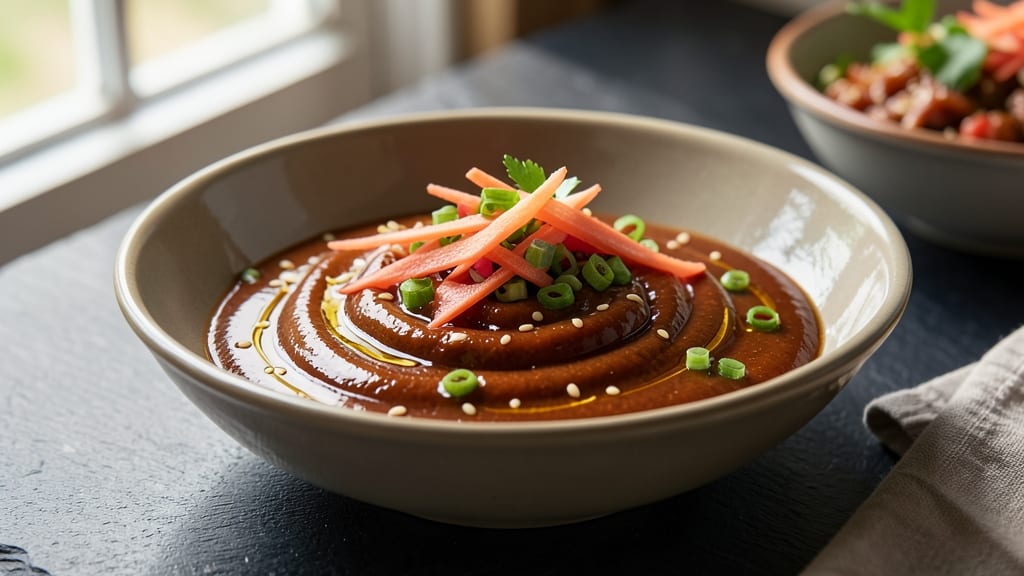
This Aloha Poke Samurai Sauce transforms simple poke bowls into a flavor explosion—where spicy-sweet heat meets umami depth in every drizzle. 🔥 The secret lies in balancing gochujang’s fiery kick with the bright tang of rice vinegar and the nutty richness of sesame oil, creating a sauce that clings to every bite like a Hawaiian warrior’s grip.
I developed this recipe after years of perfecting poke toppings, and it’s become my signature for restaurant-quality bowls at home.
The foundation starts with a simple yet powerful mix of soy sauce, sesame oil, and garlic, but it’s the modern twists—gochujang for heat, fish sauce for umami, and a touch of honey for balance—that elevate it.
The sauce is designed to cut through rich seafood while enhancing the natural flavors of fresh fish, avocado, and crisp vegetables. Unlike store-bought versions, this one delivers layers of complexity that make your taste buds stand at attention.
What sets this sauce apart is its versatility—it’s not just for poke. Drizzle it over grilled shrimp, toss it with noodles, or use it as a marinade for tofu. The texture is just right: thick enough to coat but light enough to let the ingredients shine.
With just 10 minutes of prep and 5 ingredients, you’ll have a sauce that turns any dish into a showstopper.
Once you taste the perfect harmony of spicy, sweet, and savory, you’ll never go back to bottled sauces again. The celery crown kick in the name isn’t just for show—it’s about the fresh, crisp contrast that makes every bite unforgettable.
Let’s make this sauce and bring the aloha spirit to your table.
Ingredients for aloha poke samurai sauce
Five core ingredients plus a few finishing touches—this sauce delivers restaurant-quality flavor in minutes.
| Ingredient | Amount | Notes |
|---|---|---|
| Gochujang Paste 🌶️ | 2 tbsp | Korean fermented chili paste |
| Rice Vinegar 🍶 | 2 tbsp | Seasoned preferred for depth |
| Sesame Oil 🫒 | 1 ½ tbsp | Toasted sesame flavor |
| Soy Sauce 🍶 | 1 ½ tbsp | Low-sodium preferred |
| Fish Sauce 🐟 | 1 tbsp | Red Boat preferred |
| Honey 🍯 | 1 tbsp | Wildflower preferred |
| Garlic Cloves 🧄 | 2 cloves | Minced for depth |
| Fresh Ginger 🌿 | 1 tsp | Grated, fresh preferred |
| Celery Stalk 🥬 | 1 whole | Thinly sliced for crunch |
| Sesame Seeds 🌰 | 1 tsp | Toasted for garnish |
Gochujang is the heart of this sauce—look for the smooth, fermented kind at Asian markets (not the powdered version). Red Boat fish sauce is my go-to for that authentic umami punch, but any quality brand works. The honey should be wildflower if you can find it—Trader Joe's usually has a good option. Fresh ginger and garlic are non-negotiable for the bright, zesty kick. I always grab extra ginger because it lasts longer than you'd think—just peel and freeze what you won't use immediately.
No gochujang? Sriracha at half the amount gets you close, but you'll lose that deep fermented richness. Running low on sesame oil? Toast sesame seeds in a dry pan first, then grind them with a pinch of salt for a budget-friendly swap. The celery adds that signature crunch—sub with thinly sliced jicama if you prefer something sweeter. For a smokier profile, add a pinch of smoked paprika. And if you're making this ahead, skip the sesame seeds until serving—they stay fresher longer.
This sauce keeps beautifully for up to 2 weeks in the fridge, sealed tight. The flavors actually deepen over time, so it's perfect for batching. Freeze in ice cube trays for single-serving portions—just thaw and drizzle. The celery crown adds freshness, but you can store it separately and add it right before serving. Double the batch if you're using it for more than just poke—it's amazing on grilled shrimp skewers or as a marinade for tofu.
Why You'll Love This Recipe
- Here’s what sold me: this sauce actually improves after a day or two in the fridge. The flavors meld together, and it’s still good for at least a week. I make a big batch on Sundays, then use it all week—no waste, no stress. Plus, it’s dirt cheap to make; you’re not spending $10 on a tiny bottle of store-bought sauce when you can whip up gallons for pennies.
- Five-Ingredient Powerhouse: Honestly, this sauce is one of those rare recipes where you don’t need a dozen pantry staples—just gochujang, rice vinegar, sesame oil, soy, and fish sauce. I’ll be real: the gochujang alone does half the work, but that tangy sesame oil finish? Chef’s kiss. No chopping, no straining, no fancy techniques—just stir, taste, adjust.
- Umami Bomb: Between us, the fish sauce and soy sauce combo here creates this deep, savory punch that sticks with you. I’ve made it for friends who “don’t like fish sauce,” and they’re always the first to ask for seconds. The gochujang adds just enough heat to keep it interesting, while the rice vinegar cuts through the richness—like a perfect balance of sweet, spicy, and salty in every bite.
- Poke’s Best Friend: I’ve used this sauce on everything from raw fish to grilled shrimp, noodles, even as a quick marinade for chicken. Honestly, it’s the reason my poke bowls stopped being “meh” and became the star of my meal prep. It’s also the secret weapon for turning a simple takeout order into something that feels restaurant-quality—just drizzle it on top.
Step-by-step instructions for spicy-sweet poke samurai sauce
This sauce delivers the perfect balance of heat, sweetness, and umami with minimal effort.
🍳 Step 1: Toast the Sesame Seeds for Nutty Depth
Heat a small dry skillet over medium-low heat. Add the 1 tsp sesame seeds and toast for 1-2 minutes until they turn a rich golden brown and release their nutty aroma. This step is crucial—it transforms the seeds from bland to intensely flavorful.
Watch carefully as they toast—sesame seeds burn quickly. Once golden, remove from heat immediately and transfer to a small bowl. Set aside for garnishing later. The toasted seeds add texture and visual appeal to your finished sauce, making it look as good as it tastes.
👨🍳 Step 2: Bloom the Aromatics in Toasted Sesame Oil
In a medium bowl, combine the 1.5 tbsp sesame oil, 2 cloves minced garlic, and 1 tsp grated fresh ginger. Let this mixture sit for 5 minutes at room temperature—this allows the garlic and ginger to bloom and infuse the oil with their flavors.
Here's the thing—this blooming process is what makes the difference between a good sauce and a great one. The heat from your hands will help release the essential oils in the garlic and ginger, creating a more aromatic base for your sauce. Don't skip this step, even though it feels like you're just waiting.
🍳 Step 3: Whisk Together the Wet Ingredients
Add the 2 tbsp gochujang paste, 2 tbsp rice vinegar, 1.5 tbsp soy sauce, 1 tbsp fish sauce, and 1 tbsp honey to the bowl with the sesame oil mixture. Using a whisk, combine all ingredients until smooth and fully incorporated.
I like to whisk vigorously for about 30 seconds to ensure the gochujang is completely dissolved and the sauce has a uniform consistency. The gochujang can be thick, so don't be surprised if it takes a bit of effort to get it fully mixed. This is where the magic happens—the umami from the fish sauce and soy sauce combines with the sweet heat of the gochujang.
🥘 Step 4: Thin and Adjust the Sauce
Thin the sauce with 1-2 tablespoons of water if needed, whisking until you reach a glossy, pourable consistency. The sauce should coat the back of a spoon but still be fluid enough to drizzle easily over your poke bowl.
Taste and adjust the balance—add a touch more honey if it needs sweetness, a splash of rice vinegar for brightness, or a bit of soy sauce for umami depth. The sauce should sing with a perfect harmony of spicy, sweet, tangy, and savory notes. This is your chance to make it exactly to your taste before it's committed to your bowl.
🔪 Step 5: Finish with Celery and Garnish
Thinly slice the 1 whole celery stalk on the diagonal into ¼-inch thick pieces. Toss these with the sauce just before serving to add that signature crunch and freshness that makes this sauce special.
To serve, drizzle the sauce generously over your poke bowl, scatter the celery slices on top, and sprinkle with the toasted sesame seeds. The contrast of temperatures—cool celery and warm seeds—adds another dimension to the experience. This sauce is best served immediately, while the celery is still crisp and the flavors are at their peak.
Pro Tips For Making Aloha Poke Samurai Sauce
- Whisk in stages: Start by mixing gochujang and rice vinegar first—this cuts through the paste’s thickness before adding liquids. I learned this the hard way after clumping gochujang into my sauce like a lazy glop.
- Toast sesame oil last: Add sesame oil after everything else is combined, then give it a quick swirl—just enough to coat the sauce. Dump it in early, and you’ll end up with a greasy mess instead of that fragrant aroma.
- Taste before fish sauce: Check the balance of gochujang, vinegar, and soy first—fish sauce is potent, and you can’t undo overdoing it. I once ruined a batch by dumping too much in blindly.
- Strain if smoothness matters: If you’re serving this over delicate fish or rice, strain out any gochujang grits with a fine-mesh sieve. Sounds fussy, but it makes the sauce look (and taste) pro-level.
Essential equipment for aloha poke samurai sauce
Small Batch Tools
For this sauce, I recommend a small mixing bowl (like the OXO Good Grips 1-cup bowl) and a whisk—the Zyliss 3-in-1 whisk is my go-to because it handles thick pastes like gochujang effortlessly.
A small dry skillet (I use a 6-inch Lodge cast iron) is perfect for toasting sesame seeds without overcrowding. These tools keep prep clean and efficient for small batches. 🔥
Precision Measuring
Accurate measurements matter here, especially with the gochujang and sesame oil. Use a small measuring spoon set (I love the OXO stainless steel spoons) for the 2 tbsp gochujang and 1.5 tbsp sesame oil.
A microplane (like the Bamix) is ideal for grating 1 tsp fresh ginger finely and evenly. These tools ensure your sauce stays balanced and consistent every time.
Garnish Essentials
Celery and sesame seeds need special attention. A sharp chef’s knife (I use the Victorinox Fibrox) makes thinly slicing the 1 celery stalk easy and safe. For toasting 1 tsp sesame seeds, a small slotted spoon helps remove them quickly before they burn.
These tools elevate the presentation and texture of your sauce.
Storage Containers
Store leftovers in an airtight glass container (like Le Parfait 8-ounce jars) to preserve freshness for up to 2 weeks. If freezing, use silicone ice cube trays—they’re perfect for portion control and easy thawing. These containers keep your sauce fresh and ready for quick use.
Optional Upgrades
For extra precision, a digital kitchen scale (like the OXO Good Grips) helps measure gochujang and honey by weight if you prefer. A mortar and pestle can also help grind garlic and ginger into a smoother paste. These upgrades are optional but worth it for perfectionists.
Nutrition facts
Frequently asked questions
Can I make this sauce without gochujang?
Yes, but the flavor will change! For a similar heat level, use 1 tbsp sriracha plus 1 tbsp tomato paste—this mimics the fermented depth of gochujang. If you prefer milder heat, swap for 1 tbsp chili paste (like sambal oelek) and add ½ tsp smoked paprika for complexity. The sauce will be spicier upfront but lack the umami richness of gochujang.
How spicy is this sauce, and can I adjust it?
The spice level is medium-hot, thanks to the gochujang and garlic. For milder heat, reduce the gochujang to 1 tbsp and add ½ tsp honey to balance. For extra kick, add ½ tsp red pepper flakes or a dash of chili crisp. Always taste as you go—this sauce can be easily customized to your spice tolerance!
Can I use this sauce on non-seafood dishes?
This sauce is incredibly versatile. Drizzle it over grilled chicken, beef skewers, or even roasted vegetables for a bold flavor boost. It also works as a marinade for tofu or tempeh—let it sit for 15-20 minutes before cooking. The umami and spice pair perfectly with proteins and carbs alike!
Why does the recipe call for both fish sauce and soy sauce?
The fish sauce adds deep umami and saltiness that soy sauce alone can't match, while the soy sauce provides a familiar savory base. Together, they create a layered flavor that's more complex than either ingredient alone. If you're avoiding fish sauce, use an extra ½ tbsp soy sauce plus ½ tsp Worcestershire sauce for a similar effect.
How long does this sauce keep, and can I freeze it?
This sauce stays fresh for up to 2 weeks in an airtight container in the fridge. For freezing, portion it into ice cube trays—each cube makes a perfect single-serving drizzle. Thaw overnight in the fridge, then stir gently before using. The celery should be added fresh when serving to maintain its crunch.