
Sauces & Condiments
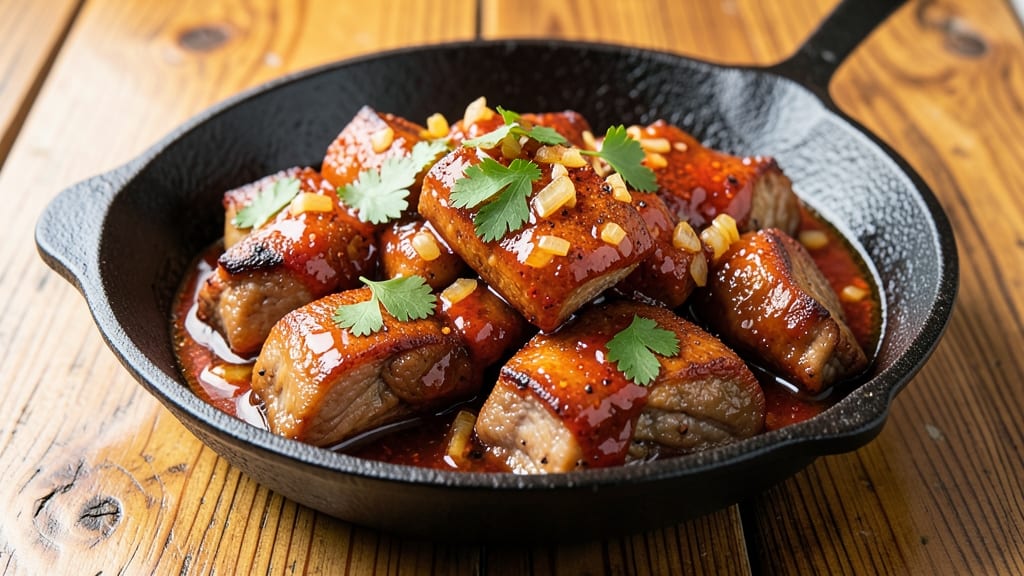
This alligator sauce recipe brings bold Cajun flavor to every bite, transforming simple dishes into Louisiana-inspired masterpieces. The secret lies in slow-cooked alligator meat simmered with cayenne, vinegar, and aromatic spices until it dissolves into a rich, spicy-sweet paste.
My version delivers that signature tangy heat that makes po' boys legendary—and it's easier than you think.
The foundation starts with alligator chunks simmered in a blend of white vinegar, cayenne pepper, and Creole seasoning until tender enough to break apart. I add a splash of seafood stock to deepen the umami, while onions and garlic build the sauce's aromatic base.
The result? A versatile condiment that's equally at home on fried seafood, fries, or even as a sandwich spread.
What you'll end up with is a spicy, tangy sauce with just the right balance of heat and sweetness—no artificial ingredients, just pure Cajun flavor. The texture becomes thick and paste-like when cooled, perfect for dipping or drizzling.
This isn't just a sauce; it's a taste of Louisiana tradition in every spoonful.
Store it in the fridge for up to a week, or freeze for longer shelf life. The flavors actually improve over time as the spices meld together.
Whether you're serving it at a crawfish boil or keeping it handy for game day, this sauce delivers that authentic Cajun kick without the fuss.
Ingredients for alligator sauce
Nine bold ingredients for a sauce that transforms po' boys and fries into Cajun masterpieces.
| Ingredient | Amount | Notes |
|---|---|---|
| Alligator Meat 🦎 | 1 ½ lb | Fresh or frozen, cut into chunks |
| White Vinegar 🍶 | 1 cup | Distilled white vinegar preferred |
| Cayenne Pepper 🌶️ | 2 tbsp | Adjust for desired heat level |
| Creole Seasoning 🌿 | 2 tbsp | Store-bought or homemade blend |
| Seafood Stock 💧 | ½ cup | Homemade or quality store-bought |
| Yellow Onion 🧅 | 1 whole | Diced, medium-sized |
| Garlic Cloves 🧄 | 4 cloves | Minced or finely chopped |
| Brown Sugar 🍚 | 2 tbsp | Light or dark brown sugar |
| Worcestershire Sauce 🍶 | 1 tbsp | Vegetarian version if needed |
| Salt 🧂 | 1 tsp | Kosher or sea salt |
Alligator meat is the star here—fresh is ideal, but frozen works too (thaw in the fridge overnight). Cajun Market or specialty seafood shops usually carry it, though some grocery stores stock it in the frozen section. Look for chunks with good marbling—they'll break down better. If you can't find alligator, substitute extra-firm tofu or shrimp for a similar texture, though the flavor will differ. The Creole seasoning is non-negotiable—it's what gives that authentic Louisiana punch. Tony Chachere's is my go-to, but any quality brand works. Toast the spices in a dry pan for 30 seconds before adding to the pot—it deepens the flavor instantly.
No Creole seasoning? Mix 1 tbsp paprika, 1 tsp dried thyme, 1 tsp dried oregano, 1/2 tsp black pepper, and 1/2 tsp garlic powder for a quick substitute. The Worcestershire adds depth, but if you're avoiding it, a splash of soy sauce or more seafood stock works. For extra tang, add an extra tablespoon of vinegar. The brown sugar balances the heat—don't skip it, even if you're not sweet-toothed. The sauce thickens as it cools, so if it's too thin while cooking, let it simmer uncovered for 5-10 minutes. And trust me, the cayenne builds heat gradually—start with 1 tbsp if you're sensitive to spice.
This sauce tastes even better the next day as the flavors meld. Store it in a glass jar in the fridge for up to 1 week, or freeze for 3 months. The texture becomes paste-like when cooled, perfect for drizzling. I like to portion it into small containers—one for the fridge, one for the freezer. It's amazing on fried shrimp, corndogs, or even as a dip for fries. The leftovers make killer sandwich spreads too—just thin with a splash of water if needed.
Why You'll Love This Recipe
- Tangy Kick in Minutes: I swear, this sauce comes together faster than I can say "Cajun spice." Just sear the alligator, toss in vinegar and cayenne, and let the Creole seasoning work its magic—no fancy techniques, just bold flavor.
- That Vinegar Heat: Honestly, the white vinegar and cayenne give it this perfect sharpness that cuts through the richness of the alligator. It’s not sweet, not smoky—just pure, addictive tang that lingers in the best way.
- Tailgates & Taco Nights: Between us, this sauce is my go-to for anything needing a punch. Drizzle it over grilled alligator bites at a tailgate, mix it into shrimp tacos, or even slather it on cornbread—it’s the MVP of bold flavors.
- Leftovers That Last: I make a double batch every time because it keeps like a dream. The seafood stock deepens the flavor overnight, and I’ll be reheating it for days—whether on eggs, rice, or straight from the jar. No waste, all win.
Step-by-step instructions for alligator sauce
Here's how to make this bold, flavorful sauce that'll elevate any dish.
Sear the Alligator Meat for Deep Flavor
In a large, heavy-bottomed pot, heat 1 tablespoon of the white vinegar over medium-high heat until it shimmers. Add the 1.5 lb alligator meat, cut into 1-inch chunks, and cook undisturbed for 5-6 minutes until the meat develops a deep golden-brown crust on all sides.
This initial searing step is crucial—it builds the sauce's rich, caramelized foundation. Stir occasionally to ensure even browning, but don't rush it. The meat should release easily from the pot when ready. Once properly seared, remove the alligator meat with a slotted spoon and set it aside on a plate.
Build the Sauce Base with Aromatics
In the same pot, reduce the heat to medium and add the 1 whole yellow onion, diced into ¼-inch pieces. Cook for 4-5 minutes until the onions soften and begin to caramelize slightly. Add the 4 cloves garlic cloves, minced, and cook for another 30 seconds until fragrant.
Here's where the sauce starts to come together. The onions should be tender but still hold their shape, and the garlic should smell pungent and inviting. If the onions begin to stick, add a splash of ½ cup seafood stock to deglaze the pot, scraping up any browned bits from the bottom—these are packed with flavor.
Simmer the Seasonings and Vinegar
Stir in the 2 tablespoons creole seasoning, 2 tablespoons cayenne pepper, 2 tablespoons brown sugar, and 1 teaspoon salt. Cook for 1 minute to toast the spices and let their aromas meld. Pour in the remaining ½ cup white vinegar and the ½ cup seafood stock, then add the seared alligator meat back into the pot.
Bring the mixture to a gentle simmer and let it cook uncovered for 20-25 minutes, stirring occasionally. You're looking for the sauce to reduce slightly and thicken—it should coat the back of a spoon but still be loose enough to drizzle. The alligator meat should be tender and easily flaked apart with a fork.
Finish with Worcestershire and Adjust Seasoning
Lower the heat to low and stir in the 1 tablespoon Worcestershire sauce. Simmer for another 5 minutes, allowing the flavors to meld together. Taste the sauce and adjust the seasoning if needed—add more cayenne for heat, salt for depth, or a splash of vinegar for tang.
For the best texture, the sauce should be thick but still pourable, with a glossy sheen. If it's too thick, whisk in 1-2 tablespoons of hot water to reach your desired consistency. Remove from heat and let it cool slightly before serving—this allows the flavors to settle and deepen.
Pro Tips For Making Alligator Sauce
- Simmer Slowly: Alligator sauce isn’t a race—start with a gentle boil, then drop to a low simmer. I learned this after rushing and ending up with a thin, vinegary mess instead of a rich, velvety sauce. Give that seafood stock and alligator at least 20 minutes to meld; patience here makes all the difference.
- Trim the Vinegar: White vinegar cuts through fat, but too much turns your sauce sharp and unbalanced. Start with ¼ cup, taste as you go, and add more only if needed—you can always adjust, but you can’t un-sour it. (Yes, even if the recipe says otherwise.)
- Deglaze Before Seasoning: After searing the alligator, don’t just dump in the vinegar and stock. Scrape up those browned bits first—they’re packed with flavor. A splash of water or stock loosens them, and suddenly your sauce goes from good to deep. Skip this, and you’re missing out on half the taste.
- Toast the Spices: Dry-toast your Creole seasoning and cayenne in a separate pan for 30 seconds before adding them to the sauce. The heat blooms their flavors, making the sauce sing instead of just hinting at heat. (I know, it’s an extra step—but your taste buds will notice.)
Perfect pairings for this dish
Po' Boy Perfection
This sauce was born for fried seafood po' boys—especially shrimp or catfish. Spread a thick layer on your crusty French bread, then stack it high with crispy fried seafood, shredded lettuce, and tomato slices.
The tangy heat cuts through the richness beautifully. I like to add a few pickle spears on the side to balance the flavors. 🦞
For an extra kick, brush the fried seafood with a little sauce before serving. The alligator meat in the sauce adds a subtle depth that pairs perfectly with the crunch of the bread and the crispiness of the fish.
Trust me, your first bite will make you want to make a whole batch!
Fries and Onion Rings
Alligator sauce transforms ordinary fries into a Cajun feast. Serve it in a small bowl on the side for dipping—it clings perfectly to golden fries and adds a spicy-sweet contrast. I recommend using thick-cut frozen fries (like Ore-Ida Golden Crinkles) for the best texture. 🍟
For onion rings, the sauce's tangy heat complements the sweetness of the fried onions. I like to serve them with a side of coleslaw to round out the meal. The sauce also works as a drizzle over loaded baked potatoes or even as a topping for nachos.
Game Day Spread
This sauce is a game-changer for tailgating. Spread it on sliders or drizzle it over pulled pork sandwiches for a Cajun twist. I love serving it with cornbread muffins on the side—they soak up the sauce beautifully. The heat and tang make every bite exciting. 🏈
For extra fun, set up a DIY sauce station with small bowls of the alligator sauce, hot honey, and chopped green onions. Let guests customize their bites. The sauce also pairs well with deviled eggs or as a dip for pretzel bites during game time.
Grilled or Blackened Proteins
Brush grilled or blackened shrimp skewers with this sauce before serving for a flavor bomb. The heat from the grill enhances the sauce's spices, creating a perfect balance. I recommend grilling large shrimp (21/25 count) for the best texture. 🍤
For chicken, marinate boneless thighs in the sauce for 30 minutes before grilling. The result is a sticky, flavorful crust that stays juicy inside. The sauce also works as a finishing glaze for ribs or steaks—just brush it on during the last few minutes of cooking.
Nutrition facts
Frequently asked questions
Can I substitute alligator meat in this sauce?
Yes! If you can't find alligator, use extra-firm tofu (for a vegetarian version) or shrimp (for seafood lovers). For tofu, press it well and cube it to mimic the texture. Shrimp works best if cooked first and added back later. The flavor will differ, but the sauce's base will still shine.
How do I adjust the heat level?
Start with 1 tablespoon of cayenne pepper for mild heat, then increase to 2 tablespoons for medium, or up to 3 tablespoons for fiery spice. For extra kick, add a pinch of red pepper flakes or a dash of hot sauce at the end. Taste as you go—you can always adjust!
Why does my sauce turn out too thin?
Simmering uncovered for 5-10 extra minutes helps thicken it naturally. If it's still too runny, whisk in 1 tablespoon of cornstarch mixed with 1 tablespoon water and cook for another 2 minutes. Avoid over-thickening—it should remain pourable for dipping.
Can I make this sauce ahead of time?
The flavors actually improve after 24 hours. Store it in an airtight container in the fridge for up to 1 week or freeze for 3 months. Let it come to room temperature before serving to restore its glossy texture.
What’s the best way to serve alligator sauce?
Drizzle it over fried shrimp po' boys, use as a dip for fries or onion rings, or spread it on sliders. For extra flair, pair it with pickles or coleslaw to balance the heat. It’s also fantastic on grilled meats or as a marinade!