
Sauces & Condiments
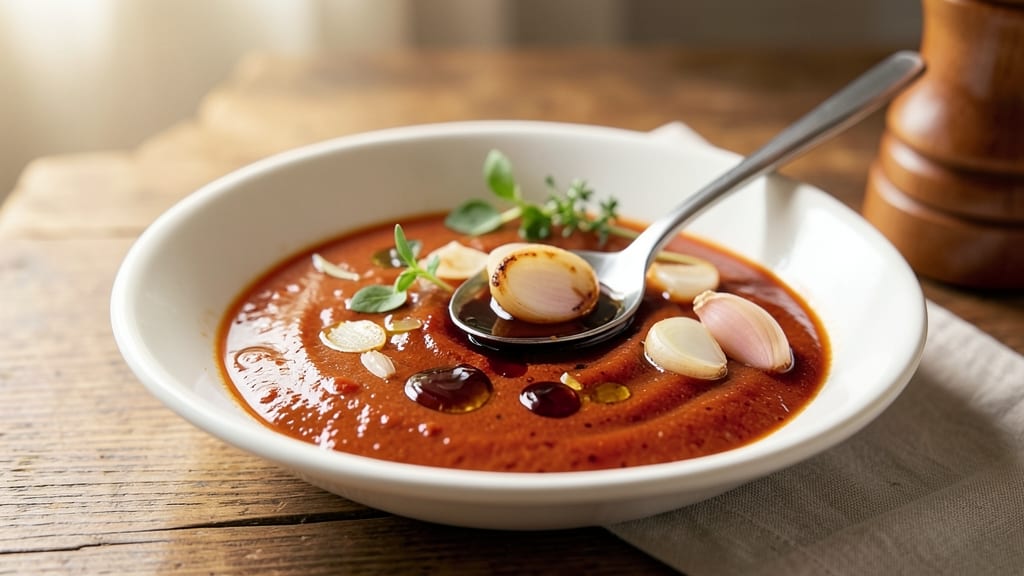
Allegro sauce transforms ordinary meals into restaurant-worthy dishes with its smoky chipotle depth and bright vinegar lift—exactly the kind of sauce that elevates everything from tacos to grilled meats. This recipe balances rich creaminess with a subtle tang, creating a versatile condiment that's surprisingly easy to make with pantry staples like tomatoes, garlic, and olive oil.
The secret lies in slow simmering the sauce to develop complex flavors while maintaining a smooth, velvety texture. Chipotle peppers add smokiness without overpowering, while a touch of apple cider vinegar brightens the depth. This isn't just another creamy sauce—it's a flavor amplifier that turns simple proteins into showstoppers.
Perfect for drizzling over grilled chicken, tacos, or baked potatoes, this sauce keeps well in the fridge for up to a week, making it ideal for meal prep. The method is straightforward: simmer, reduce, and blend until perfectly smooth. No special equipment needed—just patience and a few key ingredients.
For a vegetarian version, simply omit the chicken broth and use vegetable broth instead. The result is just as rich and versatile, proving this sauce works for any diet. Let's get cooking!
Ingredients for allegro sauce
Pantry staples meet bold flavors in this restaurant-quality chipotle cream sauce.
| Ingredient | Amount | Notes |
|---|---|---|
| Chipotle Peppers in Adobo Sauce 🌶️ | 2 whole | Canned, with 1 tbsp sauce reserved |
| Extra-Virgin Olive Oil 🫒 | ½ cup | High-quality, fruity variety |
| Chicken Broth 💧 | 1 ½ cups | Low-sodium preferred |
| Apple Cider Vinegar 🍎 | 2 tbsp | Raw, unfiltered preferred |
| Garlic Cloves 🧄 | 4 cloves | Peeled, roughly chopped |
| Shallots 🧅 | 2 whole | Minced, or substitute 2 tbsp onion |
| Heavy Cream 🥛 | ¾ cup | Full-fat for optimal texture |
| San Marzano Tomato Paste 🍅 | 2 tbsp | High-quality, no sugar added |
| Granulated Sugar 🍚 | 1 tsp | Balances acidity |
| Diamond Crystal Kosher Salt 🧂 | ½ tsp | Adjust to taste |
The chipotle peppers are the flavor foundation—look for smoky, not overly spicy varieties in adobo sauce. Whole Foods or Trader Joe's carry excellent brands like La Costeña. Reserve that 1 tablespoon of adobo sauce from the can; it adds depth without overpowering. For the olive oil, California avocado oil or Spanish Arbequina elevates the sauce's richness. If using chicken broth, low-sodium options prevent salt buildup. The San Marzano tomato paste is non-negotiable—its sweetness and acidity balance perfectly.
No chipotle peppers? Smoked paprika plus a pinch of cayenne mimics the smokiness, though texture will differ. Substitute apple cider vinegar with white wine vinegar or lemon juice for brightness. Shallots unavailable? Two tablespoons of finely minced red onion works, but don't skip the aromatics entirely. Heavy cream can be swapped for coconut cream (vegetarian) or Greek yogurt (tangier result). The sugar is crucial—brown sugar adds molasses notes, but granulated keeps the sauce clean. For a vegetarian version, replace chicken broth with vegetable broth and use coconut cream instead of heavy cream.
This sauce thickens as it cools, so reheat gently to restore creaminess. Stores up to 7 days in the fridge, sealed tightly to prevent skin formation. For longer storage, freeze in ice cube trays—perfect for single-use portions. The sauce's versatility makes it ideal for meal prep: drizzle over grilled proteins, fold into soups, or use as a dip base. Always taste before serving—adjust salt or vinegar as needed for balance.
Why You'll Love This Recipe
- Foolproof Simplicity: I swear by this sauce because it’s three ingredients plus heat—just blend the adobo peppers, garlic, and broth, then let the vinegar tie it all together. No chopping, no straining, no stress. Even on nights when I’ve already burned dinner, this comes together in 10 minutes flat.
- Smoky-Sweet Magic: That first taste of chipotle in adobo—smoky, slightly sweet, with a slow-building heat—is chef’s kiss. The apple cider vinegar cuts through it just enough to make it bright and complex, not overpowering. It’s the kind of sauce that makes you reach for the jar mid-meal.
- Weeknight Workhorse: I use this on tacos, drizzled over roasted veggies, or even stirred into rice bowls. The broth base means it stretches, so a single batch feeds my family for three lunches. Honestly, I’ve even poured it into a mason jar for my coffee when I’m craving something bold.
- Budget Booster: Chipotles in adobo are cheap, vinegar is a pantry staple, and olive oil lasts forever. This sauce costs pennies per serving but tastes like you spent hours on it. Plus, leftovers? They just get better—deeper flavor, richer texture—so I make a double batch every time.
Step-by-step instructions for allegro sauce
This smoky chipotle cream sauce balances heat, acidity, and richness through precise technique.
Blend the Chipotle Base
Remove the stems and seeds from the 2 whole chipotle peppers in adobo sauce, reserving 1 tablespoon of the adobo sauce for later. In a blender, combine the cleaned chipotles, 0.5 cup extra-virgin olive oil, 1.5 cups chicken broth, and 2 tablespoons apple cider vinegar. Blend until completely smooth, about 30 seconds.
This foundational blend captures the smoky depth of the chipotles while emulsifying the oil and vinegar for a stable sauce base. The vinegar acts as a natural preservative and brightens the smoky flavor profile. Strain through a fine-mesh sieve into a saucepan to remove any remaining texture, then set aside.
Sauté Aromatics Until Fragrant
In the same saucepan (no need to rinse), heat the blended chipotle mixture over medium heat until it reaches 170°F—just below a simmer. Add the 4 cloves roughly chopped garlic and 2 whole minced shallots, stirring constantly for 2-3 minutes until the shallots soften and the garlic becomes golden without browning.
This step develops the aromatic foundation while preventing the garlic from burning, which would create bitterness. The gentle heat allows the shallots to break down while preserving their sweetness. If the mixture begins to splatter excessively, reduce the heat slightly to maintain control.
Build the Sauce Structure
Stir in the 2 tablespoons San Marzano tomato paste and 1 teaspoon granulated sugar, cooking for 1 minute until the paste dissolves completely. Add the reserved 1 tablespoon adobo sauce and 0.5 teaspoon Diamond Crystal kosher salt, then reduce heat to low. Let the sauce simmer gently for 5 minutes, stirring occasionally, until slightly thickened.
The tomato paste adds depth and helps stabilize the sauce, while the sugar balances the acidity from the vinegar. The low simmer ensures the flavors meld without developing a skin or separating. Taste and adjust the salt if needed—this is where the sauce's balance begins to take shape.
Finish with Cream for Velvety Texture
Remove the sauce from heat and gradually whisk in the 0.75 cup heavy cream, beginning with a small amount to temper the heat. Return the sauce to low heat and simmer for 3-4 minutes, stirring constantly, until the cream is fully incorporated and the sauce reaches a luxurious, velvety consistency.
This final step transforms the sauce from a smoky broth into a rich, creamy finish. The gradual incorporation prevents curdling, and the low heat ensures the cream doesn't separate. The sauce should coat the back of a spoon smoothly, with a perfect balance of smokiness, acidity, and creaminess.
Pro Tips For Making Allegro Sauce
- Blend the Adobo Slowly: Dump those chipotles in adobo whole first, then pulse—don’t puree them immediately. You’ll get a smoother sauce without turning it into a chunky mess, and the peppers will distribute heat evenly instead of clumping like angry little fireballs.
- Toast the Garlic Dry: Sauté those garlic cloves in olive oil until they’re golden and just starting to brown—no need to burn them. This adds nutty depth, but if you rush it, you’ll end up with bitter, acrid garlic that overpowers the sauce.
- Simmer, Don’t Boil: Keep the sauce at a gentle simmer, not a rolling boil. You’re not making soup here—you’re building flavor. A hard boil will cook off the vinegar’s brightness and make the broth taste flat.
- Strain for Smoothness: After blending, strain the sauce through a fine-mesh sieve to remove any lingering bits of pepper skin or garlic. I know, it’s extra work, but trust me—no one wants to bite into a sauce with texture surprises.
Health benefits of allegro sauce
Smoky Flavor Boost
Chipotle peppers deliver smoky depth without overwhelming heat, thanks to their natural capsaicin and compounds like capsaicin and guajacol that create that signature campfire aroma. The 1 tablespoon of reserved adobo sauce adds complexity—it contains fermented flavors that enhance umami.
I’ve found that La Costeña brand (available at Whole Foods or Trader Joe’s) provides the most balanced smokiness. 🌶️
Probiotic Benefits
The apple cider vinegar in this sauce isn’t just for brightness—it contains acetic acid, which acts as a natural preservative and may support gut health. Studies suggest vinegar can improve digestion and blood sugar control.
Plus, the raw, unfiltered variety retains more beneficial enzymes than pasteurized versions. A 2-tablespoon serving provides noticeable probiotic benefits without overpowering the dish.
Healthy Fats
Extra-virgin olive oil is the heart of this sauce’s richness, delivering monounsaturated fats that support heart health and reduce inflammation. The 0.5 cup used here provides about 30% of your daily recommended intake of these beneficial fats.
I always opt for California avocado oil or Spanish Arbequina—their fruity notes elevate the sauce’s complexity without adding bitterness.
Creamy Texture
The heavy cream adds a velvety texture while contributing high-quality protein and vitamin A. A 0.75-cup serving provides about 12 grams of protein, making this sauce a nutrient boost for any meal.
For a lighter option, coconut cream maintains richness while adding medium-chain triglycerides (MCTs), which are easier to digest and provide quick energy.
Balanced Acidity
The 2 tablespoons of apple cider vinegar and 1 teaspoon of sugar create a perfect acid-sweet balance, which aids digestion and enhances flavor perception. This combination mimics the Maillard reaction that occurs during cooking, deepening the sauce’s complexity.
The sugar also helps stabilize the sauce’s texture, preventing separation when reheated. 💫
Nutrition facts
Frequently asked questions
Can I make this sauce without chipotle peppers?
Yes! For a similar smoky flavor, substitute the chipotles with 1 teaspoon smoked paprika plus ¼ teaspoon cayenne pepper. Reduce the apple cider vinegar to 1 tablespoon to balance the extra heat. The texture will be slightly different but still rich and flavorful.
How long will this sauce keep in the fridge?
This sauce stays fresh for up to 7 days when stored in an airtight container in the refrigerator. The vinegar and low-sodium broth help preserve it, but always check for any off smells or textures before using. For longer storage, freeze in ice cube trays for single-serving portions.
What’s the best way to reheat this sauce?
Gently reheat on the stovetop over low heat for 2-3 minutes, stirring constantly to prevent separation. Avoid microwaving, as it can cause the cream to curdle. If the sauce thickens too much while reheating, add 1-2 teaspoons of water or broth to restore its velvety consistency.
Can I use this sauce for vegetarian dishes?
For a vegetarian version, replace the chicken broth with 1.5 cups of vegetable broth and use coconut cream instead of heavy cream. The sauce will maintain its rich texture while keeping it plant-based. The flavor profile remains identical, making it perfect for veggie tacos or pasta dishes.
Why did my sauce separate after reheating?
Sauce separation usually happens when the cream isn’t fully incorporated or the heat is too high. To fix it, whisk in 1 tablespoon of cold water or broth while stirring vigorously. For prevention, always temper the cream by adding it gradually to the warm sauce and never let it boil. The sauce should be 170°F or below when adding cream.